In the north-east of Portugal’s Alentejo region, the finest marble has been quarried for centuries. The result? Towns built almost entirely out of it! From kerbs and whole squares to zebra crossings and palaces, top-quality marble is everywhere you look. Visit the marble towns of Estremoz, Borba and Vila Viçosa and see for yourself how far the locals took it.


Where are the marble towns of Portugal?
Estremoz, Borba and Vila Viçosa lie in the Alentejo, in southern Portugal above the Algarve, on the eastern side of the region towards the Spanish border. Thanks to the dozens of marble quarries, the area is also known as the Zona dos Mármores.
Worried it’s too far off your route through Portugal? It really isn’t. We’d recommend including the Alentejo in your itinerary anyway, and other highlights aren’t far away. The capital of the region, the historic city of Évora, is one of Portugal’s top sights and features on plenty of itineraries.
From Évora it’s about a 45-minute drive to the marble towns. You can do it without a car too, as buses run from Évora to Estremoz and from Estremoz to Vila Viçosa.
→ Discover the 10 best things to do in Évora
The marble of the Alentejo
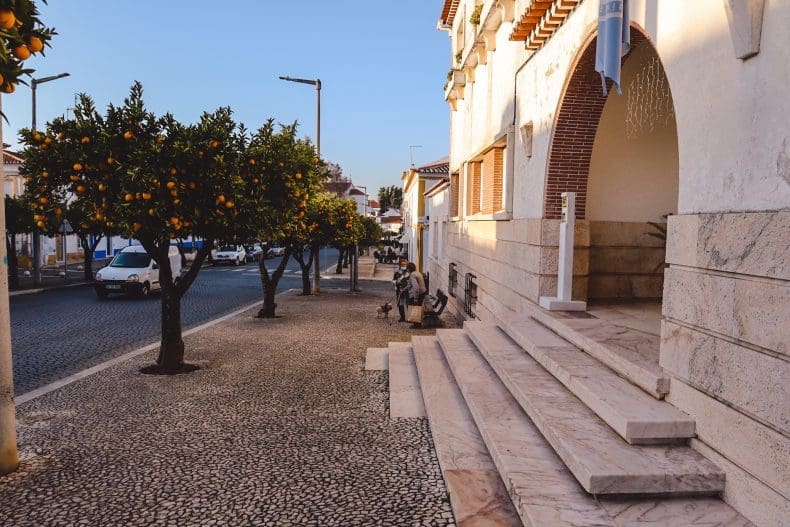
In this north-eastern corner of the Alentejo, beautiful marble in all sorts of colours has been quarried for centuries. For the towns here, it has always been the main export. And when you have that much marble lying around, it’s also the easiest and cheapest building material for the locals themselves. The result is three rather special marble towns.
The main towns of this marble region, Estremoz, Borba and Vila Viçosa, really did use it for everything. From door frames and window sills to entire palaces and squares. We were told that people even ground the white marble into lime to whitewash their houses, because that was cheaper and easier than making paint.
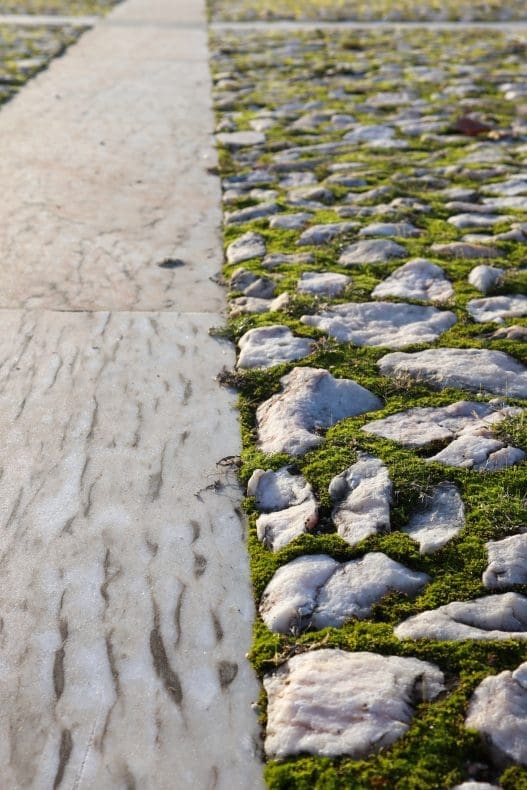
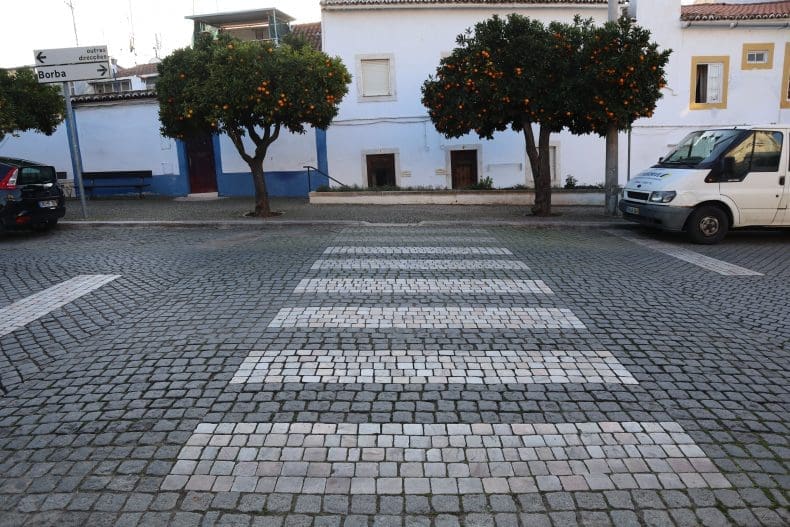
Kerbs, fountains, steps and even zebra crossings are still made of marble here. Around the towns you’ll also see strange mountains of marble blocks, because the stone is still quarried today. Portugal ranks among the world’s biggest marble exporters, and most of it comes from around Estremoz. Travel further through Portugal and you’ll keep running into this marble, right down to the capitals of the Roman temple in Évora.
Estremoz has the best-known quarry, and “Estremoz marble” turns up all over Europe. Vila Viçosa is often called the prettiest marble town, thanks to the huge marble palace you can visit there. Borba is a lot less interesting, and as far as we’re concerned you can skip it or just pass through.

Estremoz
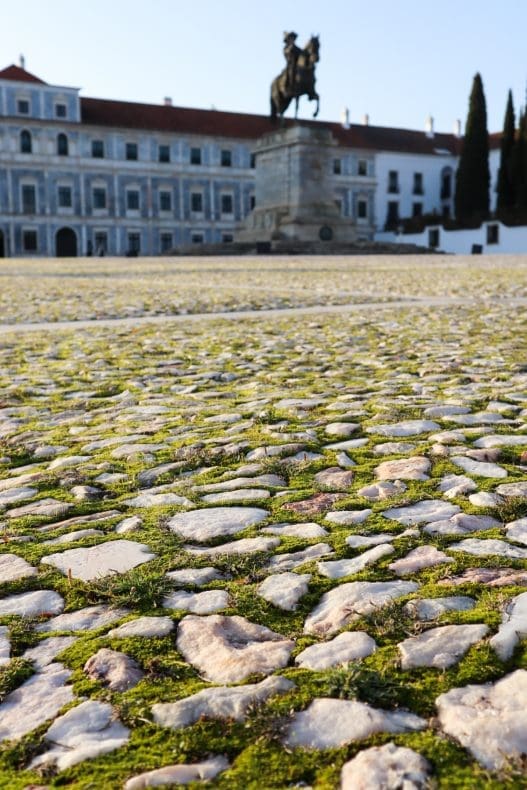
In Estremoz, marble is so ordinary that it’s even used for paving stones. Like many historic towns in Portugal, Estremoz has centuries-old walls around its old centre. The town is split into an upper and a lower part, and for us the medieval upper town was the real reason to come.
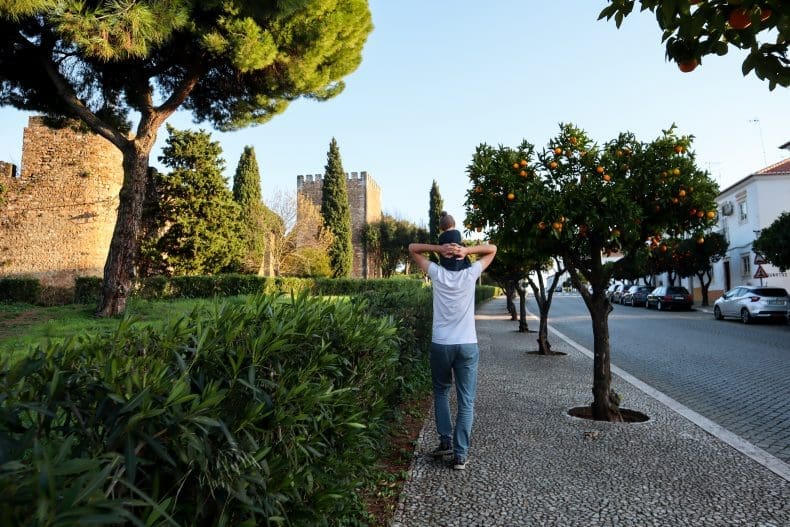
The upper town is ringed by historic walls and ramparts, and from up here you get superb views over the Alentejo with its green hills and olive groves. The finest buildings in Estremoz are up here too. In a rental car you drive over a bridge and through the narrow, centuries-old Porta de Évora into the upper town, then on through the tight lanes all the way to the castle. You can also walk up from the lower town through a maze of little streets.
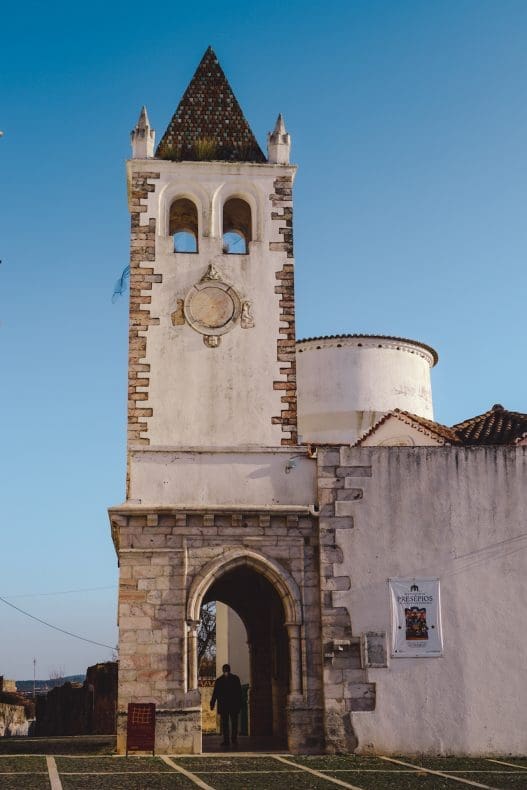
The white castle was built in the thirteenth century by King Dinis for his wife, Isabel of Aragon, and its tall tower, the Torre das Três Coroas, is still the town’s landmark. The old palace is now a hotel, the Pousada Castelo de Estremoz, but even if you don’t stay there you can look around the castle square and enjoy the view.
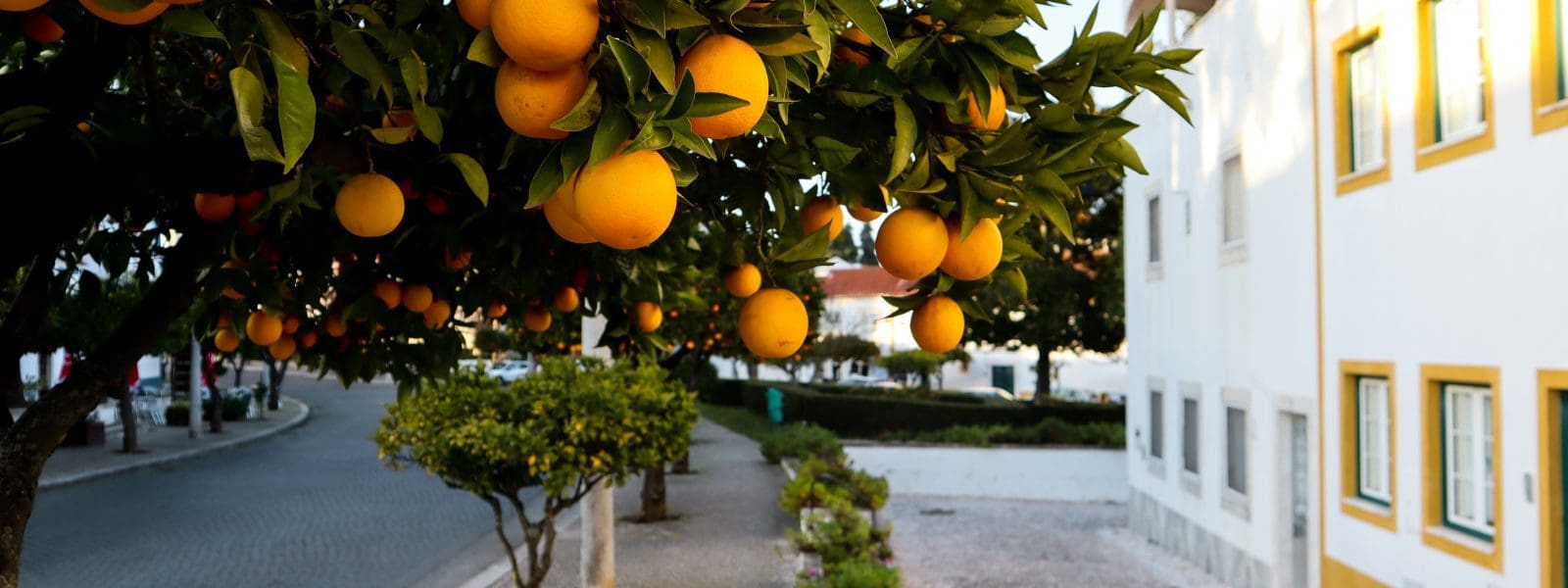
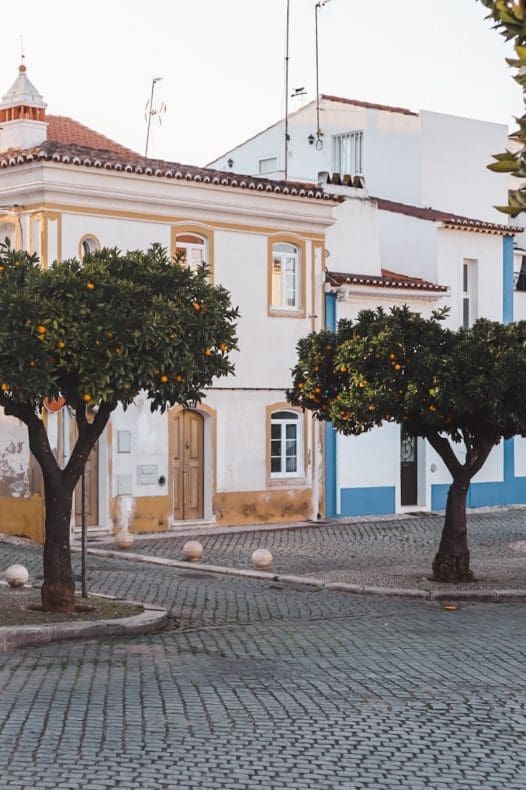
The lower town has the biggest square in Estremoz, the Rossio Marquês de Pombal, and marble streets lined with orange trees. Souvenir shops are full of marble, of course, but it’s the Bonecos de Estremoz that really stand out. These painted clay figurines have been made here since the seventeenth century and are on UNESCO’s list of intangible cultural heritage. The Palácio dos Marqueses da Praia e Monforte is worth a visit too, with changing exhibitions, marble corridors and historic painted ceilings.
Tip: from Estremoz you can also visit marble quarries and learn even more about the Alentejo’s marble.
Want to spend the night in Estremoz? Then the Pousada Castelo de Estremoz in the old royal palace is the place to choose. There aren’t many other good hotels in town, but Estremoz is easy to do as a day trip from Évora too.

Vila Viçosa
We liked Estremoz best of the marble towns, for its medieval upper town and the views over the Alentejo. Still, most people name Vila Viçosa as the prettiest marble town in the region. For centuries it was home to the Dukes of Bragança, who later became Portugal’s royal family, and that has left some impressive traces.
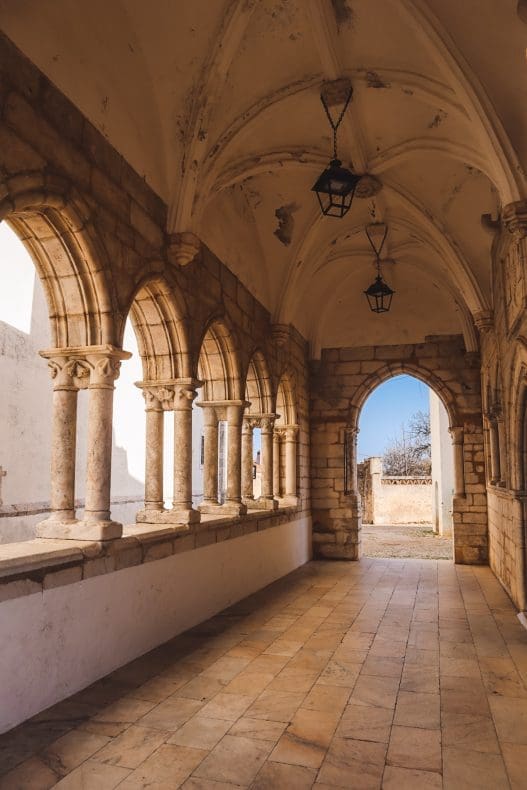
Vila Viçosa has no fewer than two grand residences: a castle and a palace. The castle is surrounded by old walls with a little old town inside, including a monumental church that’s worth a peek for the blue and white azulejos covering its walls. You can drive your rental car through the old castle gate up to the church and park there, as long as you don’t mind very narrow medieval lanes.
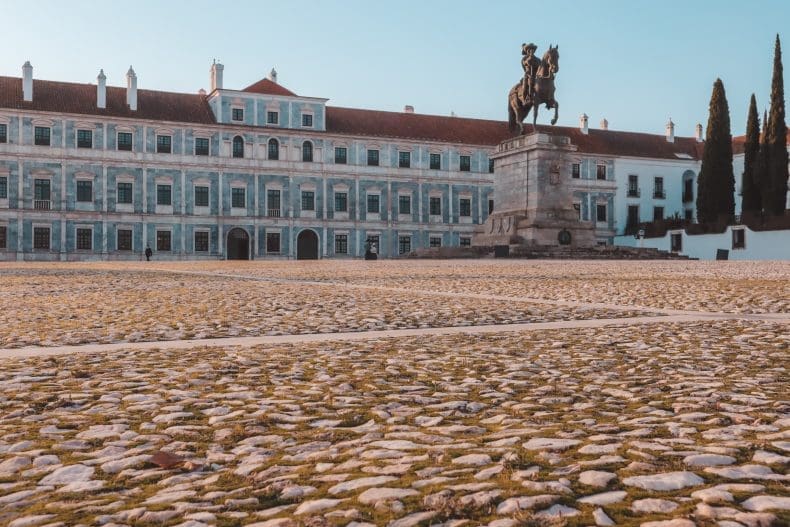
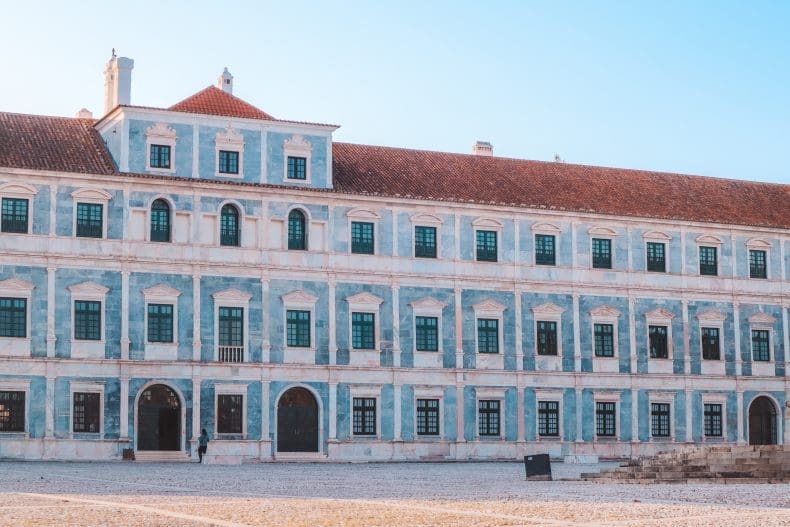
But the real highlight of Vila Viçosa is the vast Praça da República with the Paço Ducal, both made of marble. From the castle it’s just a few minutes’ walk along marble pavements and past the orange trees the town is known for. The Dukes of Bragança built the palace in the sixteenth century, before they took the Portuguese throne and ruled the country for centuries. A visit gives you a glimpse into Portugal’s royal history and all the splendour of the time, with panels of blue and white azulejos, the original interiors and the palace frescoes.
Looking for a place to stay in Vila Viçosa? We’d recommend the Pousada Convento de Vila Viçosa, set in a former royal convent right next to the Paço Ducal.
Tip: book a guided tour to visit a marble quarry and a traditional workshop as well.
More tips for your trip to Estremoz and Vila Viçosa
 Our pickStaying the night in Estremoz? Browse all hotels in Estremoz on Booking.com
 Portugal was made for road trips. Rent a car at Lisbon, Porto or Faro airport with Discover Cars and compare the big rental companies in one go.
 Fancy doing it by camper, like we did? Rent a campervan in Portugal with Campervan Planet.
 Prefer everything arranged? Browse Portugal tours on TourRadar.
 No flight yet? Compare flights to Lisbon or Porto.
 Curious about the marble? Book a marble tour in Vila Viçosa on GetYourGuide.
 Discover all our blogs about Portugal


