A mosque that’s been standing for almost 1,500 years. Marble columns rising out of dark underground water. A ferry that carries you to another continent in half an hour. Istanbul is anything but an ordinary city break! The tricky part is knowing where to start, because ancient monuments, spice-scented bazaars and neighbourhoods you could wander for hours are all competing for your time.
I first came here years ago with a friend. This time, I brought our kids, and wow, had things changed. Some of the big-name sights now charge hefty entry fees, while others still don’t cost a single lira. We traded queues for creative neighbourhoods, ferry rides and sweeping views over the city. And we found out something along the way: the most famous attractions aren’t always the most fun.
In this guide, we share our 15 favourite places to visit in Istanbul, with practical tips, our own experiences and a few big names that didn’t quite win us over.

Practical tips for visiting Istanbul
How many days do you need in Istanbul?
Three days is the bare minimum, and even then you’ll be leaving things out. Four or five give you time to look beyond the historic centre. Sultanahmet alone can swallow a whole day with its famous sights. Save time for Galata, Karaköy and Kadıköy too. Crossing over to the Asian side turned out to be one of our favourite parts of the trip.
Where should you stay in Istanbul?
Here for the history? Then Sultanahmet is your spot, with Hagia Sophia, the Blue Mosque and the Basilica Cistern all within walking distance. If good restaurants, trendy coffee bars and a livelier street scene matter more, look at Galata and Karaköy. And if you’d like to feel a bit more like a local, Kadıköy on the Asian side is a great choice.
→ Discover the best areas to stay in Istanbul
How does public transport work in Istanbul?
Istanbul is huge, but the metro, trams, buses and ferries get you almost anywhere. Pick up an Istanbulkart from a machine at a metro station, top it up and use it on nearly all public transport, including the journey from both airports. From Istanbul Airport (IST), the metro takes about 60 to 90 minutes to the centre. From Sabiha Gökçen (SAW), it’s around 50 minutes to Kadıköy. Our favourite by far was the ferry: for the price of a public transport ticket, you cross to Asia with the whole skyline sliding past!
Is Istanbul expensive?
Istanbul has become noticeably pricier in recent years, especially at the big sights. The entry fees at Hagia Sophia, Topkapı Palace and the Basilica Cistern were quite a surprise, particularly compared with my first visit. The good news? Plenty of highlights still cost nothing, from mosques and bazaars to historic neighbourhoods. Mix a few paid sights with the free ones and your trip needn’t drain your wallet.
When is the best time to visit Istanbul?
Spring and autumn win, hands down. April, May, September and October usually bring pleasant temperatures for long days on foot. We went in October and found it a great time to explore. Summers can be scorching, while winters tend to be chilly and wet. Just don’t expect to have the place to yourself: Istanbul is popular all year round, so the big sights can be crowded in any season.
Do you need an eSIM in Istanbul?
Short answer: yes, it makes life a lot easier. Turkey isn’t in the EU, so most European mobile plans don’t include it in their roaming allowance, and data costs can climb fast. With an eSIM, you install a data package before you leave and you’re online the moment you land. Perfect for Google Maps, checking opening hours and figuring out which ferry to catch. We used one throughout our trip in Turkey and liked being able to switch between local networks, although speed and coverage varied.
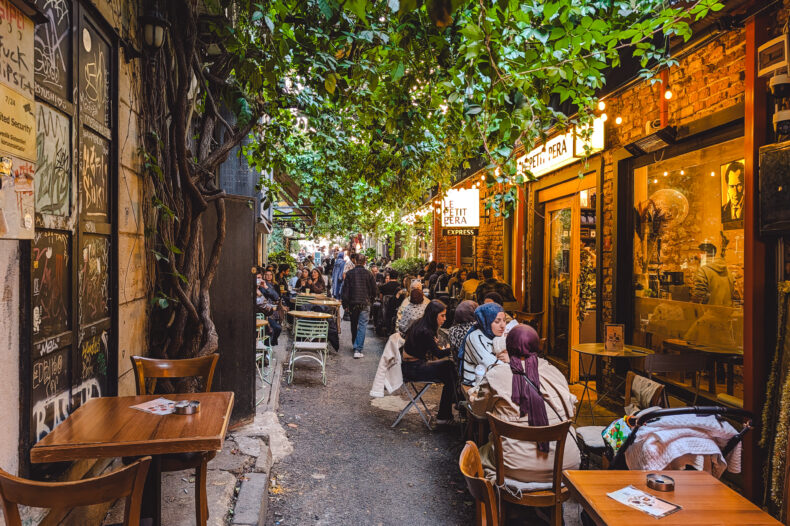
Best places to visit in Istanbul: our 15 favourites
#1 Hagia Sophia
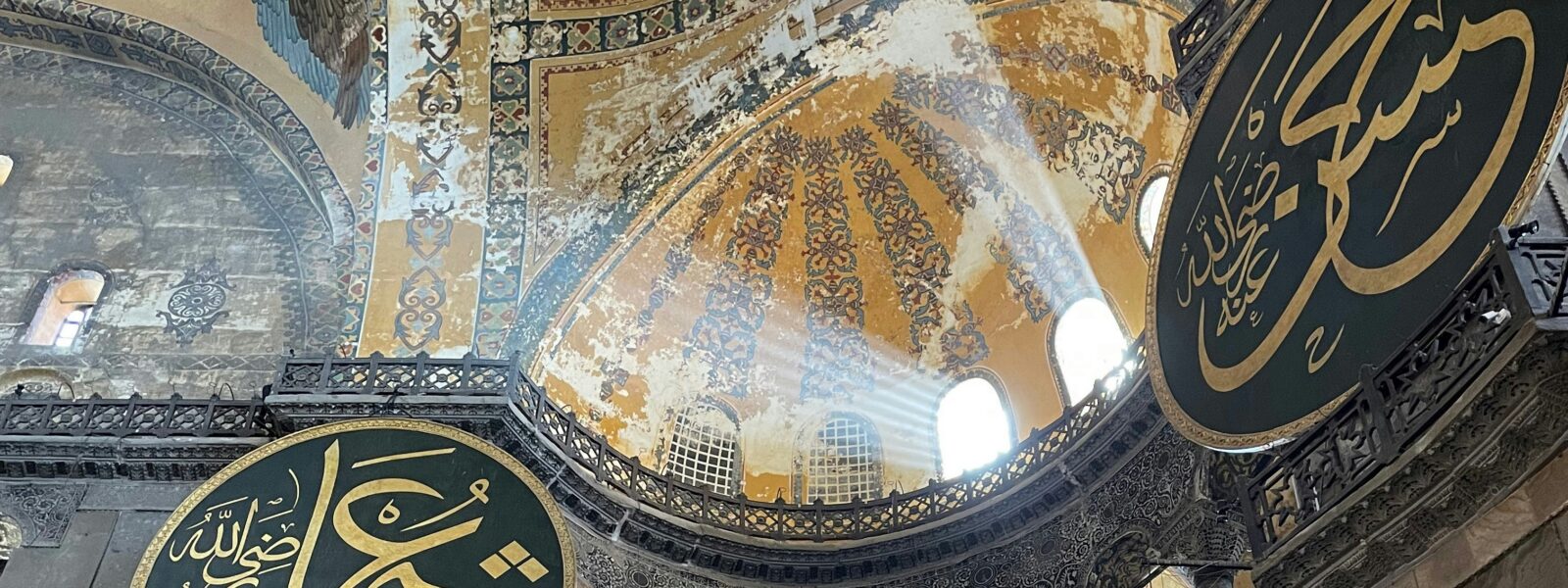
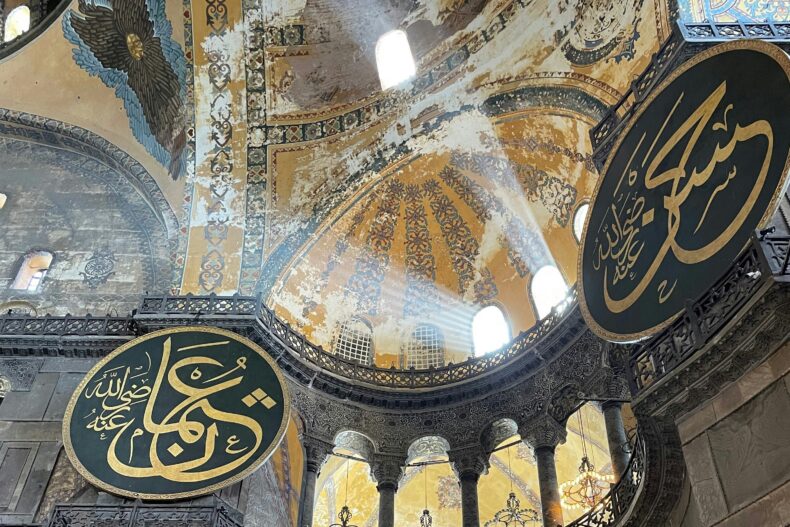
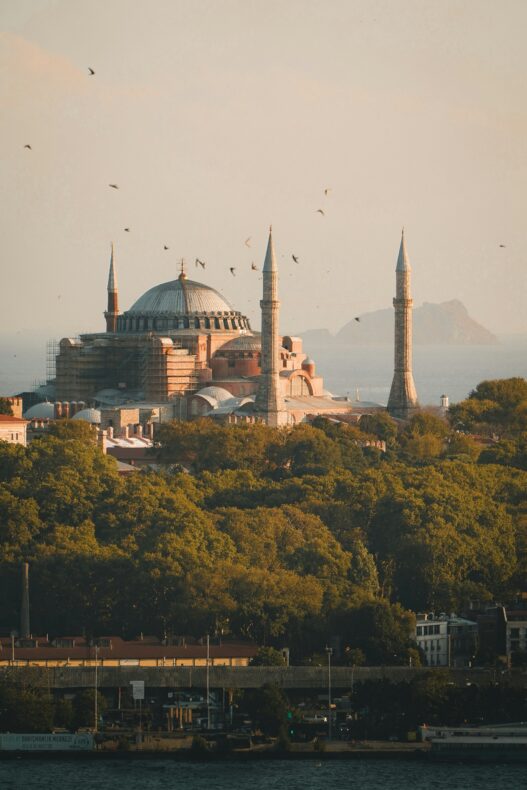
Church, mosque, museum and mosque again: few buildings have lived as many lives as Hagia Sophia. Built almost 1,500 years ago, this colossal domed church was one of the most important churches in the world for centuries. It later became a mosque, then a museum, and since 2020 it’s been a mosque once again.
Hagia Sophia was completed in 537 under the Byzantine emperor Justinian I. Its gigantic dome was an architectural marvel in its day. Inside, Christian mosaics and Islamic decoration still sit side by side.
When I visited with a friend years ago, Hagia Sophia was still a museum and we could wander through the vast prayer hall. Not anymore. Foreign visitors now pay a hefty entry fee and only get access to the upper gallery. On our recent trip with the kids, we decided to skip it this time. With its enormous dome and four minarets, Hagia Sophia still makes plenty of impact from the outside.
#2 Blue Mosque and Hippodrome
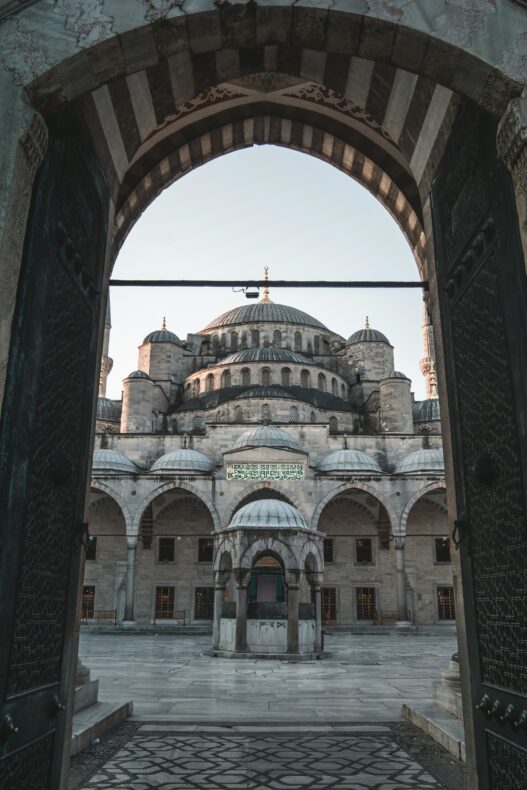
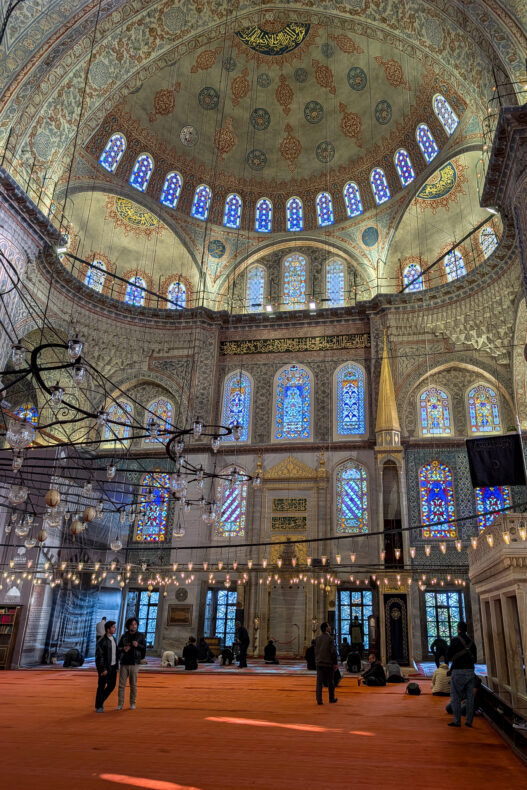
Six minarets, a cascade of domes and no ticket needed. Right across from Hagia Sophia, the Blue Mosque is one of Istanbul’s most famous sights. Its official name is the Sultan Ahmed Mosque, but its nickname comes from the thousands of blue İznik tiles lining the interior.
Sultan Ahmed I had it built in the early seventeenth century, hoping to outshine Hagia Sophia. Our kids loved looking around, and loved it even more after a guard handed them a sweet! Entry is free, but plan your visit around prayer times and wear clothes that cover your shoulders and legs. Women also need to cover their hair.
Next to the mosque lies the old Hippodrome, where chariot races thrilled the crowds in Byzantine times. Little is left of the huge stadium, but a few ancient monuments still stand. The Egyptian obelisk steals the show: it stood in ancient Egypt long before it was shipped to Constantinople.
#3 Basilica Cistern
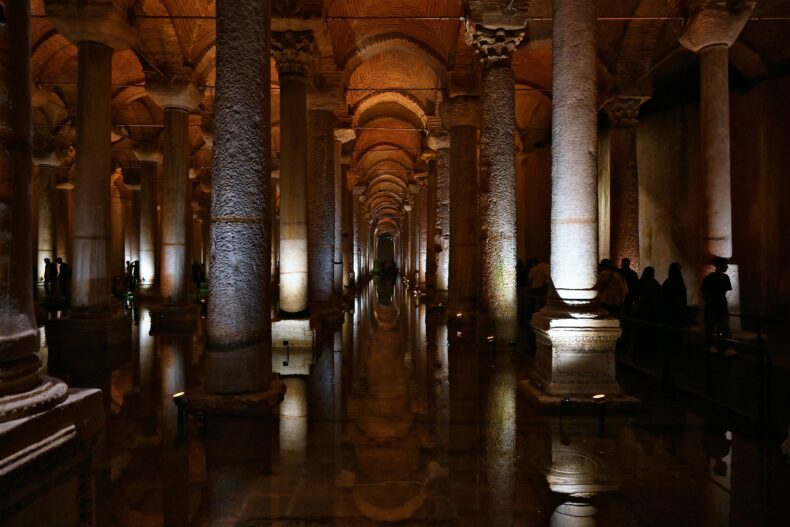
Down a flight of steps, the noise of the city disappears. Below Istanbul’s streets lies the Basilica Cistern, a vast underground reservoir with 336 marble columns. It’s dark, softly lit and slightly eerie. When I came here years ago with a friend, it was one of the most impressive things I saw in Istanbul.
The cistern was built in the sixth century under Emperor Justinian I. Its most famous residents are two huge Medusa heads used as column bases. One lies on its side, the other upside down.
This time, with the kids, we skipped it. Entry has become pretty expensive. Luckily, Istanbul has other underground reservoirs, including the usually cheaper Şerefiye Cistern (#13).
One last tip: read Dan Brown’s Inferno before you go. The thriller’s dramatic finale plays out right here in the Basilica Cistern!
#4 Topkapı Palace
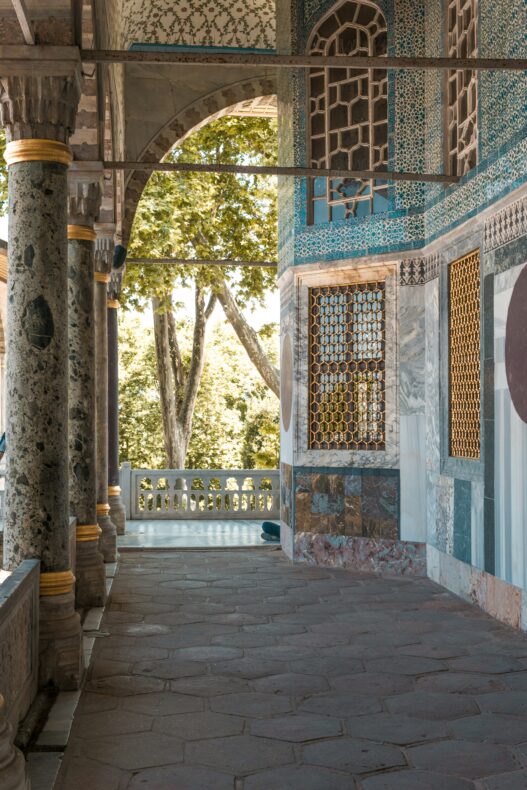
Ever wondered how a sultan lived? For centuries, the Ottoman Empire was ruled from Topkapı Palace, in the heart of the historic centre. Sultans lived here with their families, servants and the entire court. The palace is a sprawling complex of courtyards, pavilions, gardens and lavishly decorated rooms.
It was built in the fifteenth century, shortly after the Ottomans conquered Constantinople. The highlight is the harem, with tiled walls, ornate ceilings and rooms that give you a peek into life at the Ottoman court. The treasury, glittering with precious jewels, is worth seeing too.
I visited Topkapı on my first trip to Istanbul and enjoyed it. Even so, we gave it a miss with the kids. Tickets are expensive, and while I think the palace is worth a visit, once was enough for me. If you go, set aside a few hours and don’t miss the views over the Bosphorus.
#5 Süleymaniye Mosque
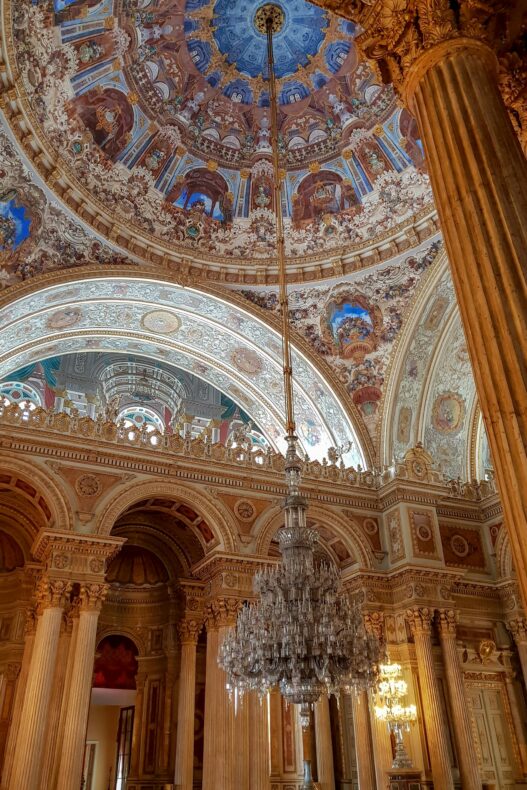
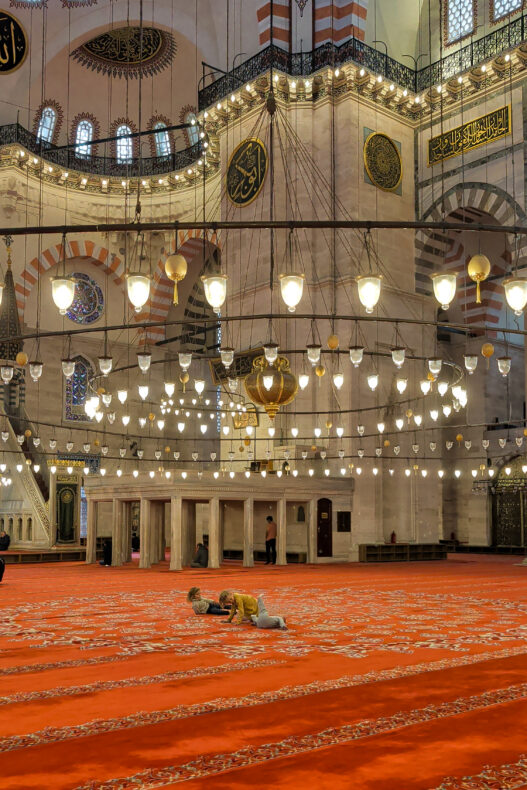
Forget the queues at the Blue Mosque for a moment. Süleymaniye Mosque gets far less attention, yet it’s one of our favourite places in Istanbul. It sits high above the city, looking out over the Golden Horn and a jumble of rooftops and minarets.
It was built in the sixteenth century for Sultan Süleyman the Magnificent and designed by the celebrated architect Mimar Sinan. Inside, it feels surprisingly light and spacious, with a massive dome and stained-glass windows.
What made our visit so special were the volunteers who answer visitors’ questions. Our children had plenty, especially about the call to prayer. The volunteers took all the time in the world to explain, and told us kids were welcome to play here. It made the visit relaxed for all of us, and the children left with happy memories. Entry is free outside prayer times.
#6 Grand Bazaar
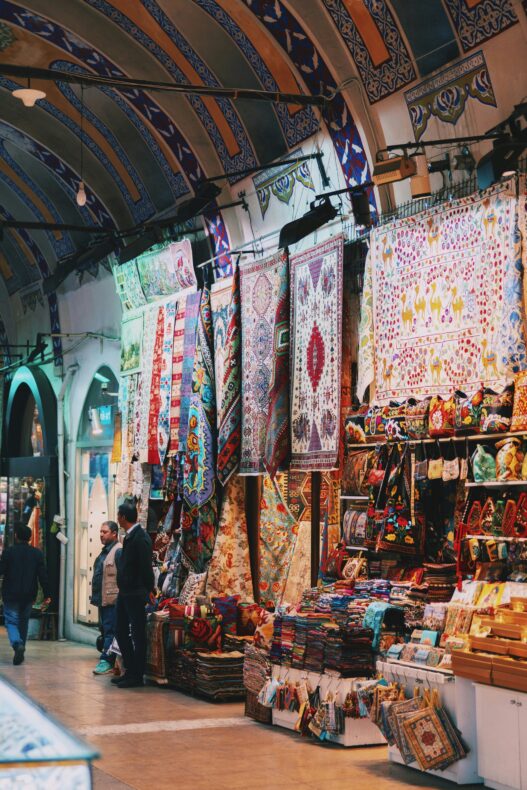
It’s on every list of things to do in Istanbul. A maze of covered lanes, thousands of shops and a history going back to the fifteenth century: the Grand Bazaar is one of the largest and oldest covered markets in the world.
And yet it left us underwhelmed. Maybe we’re spoilt by the souks of Morocco, with their traditional crafts, smells and glorious chaos. To us, the Grand Bazaar felt more like an old-fashioned shopping centre, full of shoes, bags, jewellery and souvenirs. The atmosphere we’d hoped for was hard to find.
It didn’t impress me on my first visit either, and this second visit didn’t change my mind. Still, we’d recommend a short stroll through. It’s one of Istanbul’s best-known sights, and its sheer size and history are remarkable. Besides, you might decide we’re just being too fussy!
#7 Galata Bridge and its fishermen
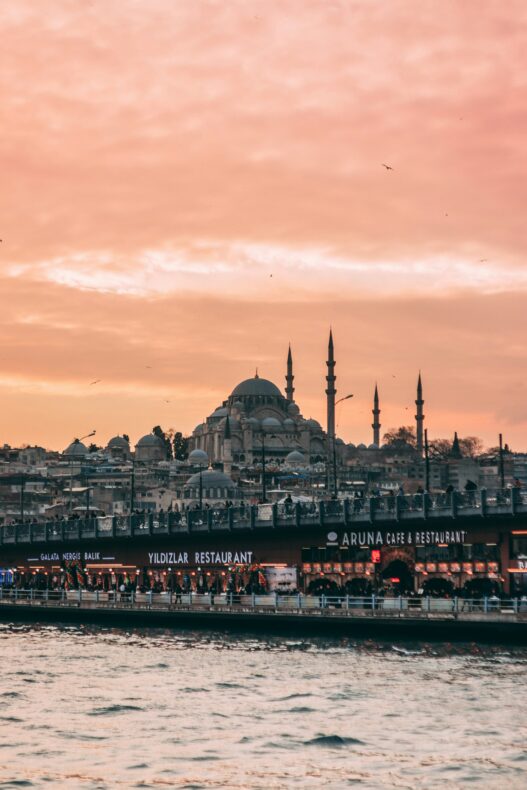
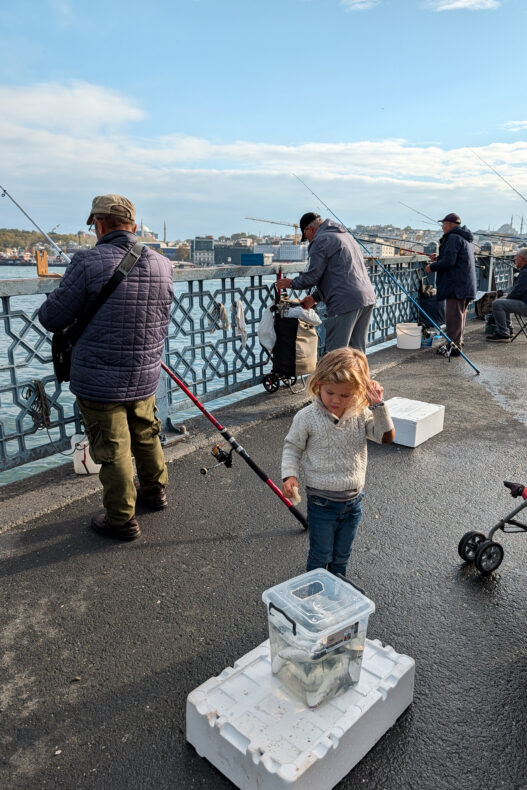
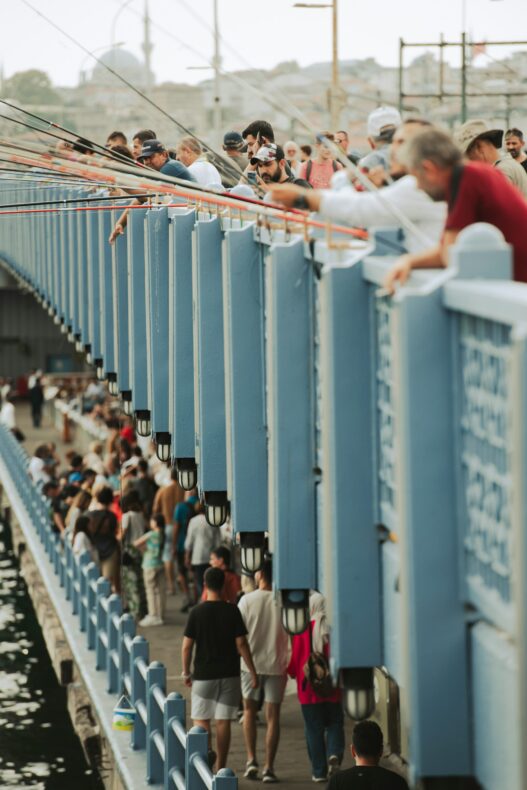
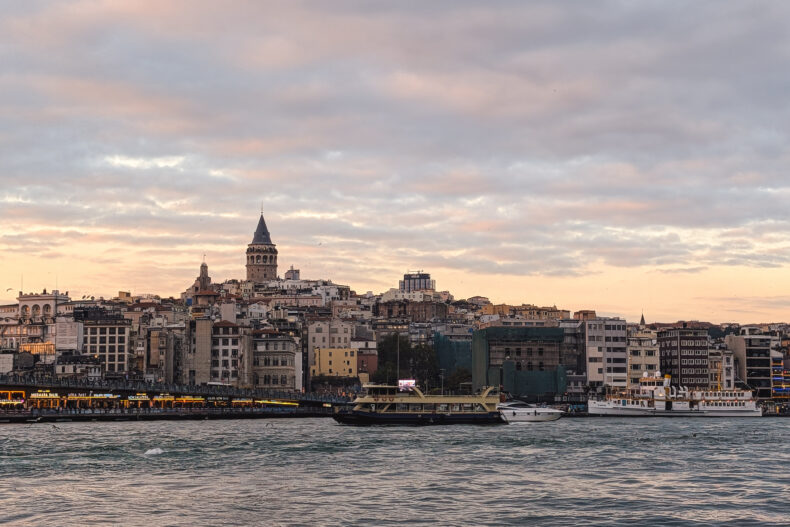
Want to see everyday life in Istanbul? Head to Galata Bridge. This busy bridge links the historic centre with Galata and is famous for the dozens of fishermen casting their lines here from morning till night. Ferries chug beneath your feet, while the old city’s domes and minarets fill the skyline.
Our kids were fascinated by the fishermen! All along the bridge, buckets of water hold the day’s catch. As vegetarians who care a lot about animals, we had mixed feelings. Seeing the fish in those buckets was hard, but the children were keen to see it all up close.
Today’s bridge dates from 1994 and has two levels. Fishermen, pedestrians and traffic share the upper deck, while fish restaurants line the lower one. Pop down to the waterfront at Eminönü too, where ferries come and go non-stop.
#8 Galata Tower, Galata and Karaköy
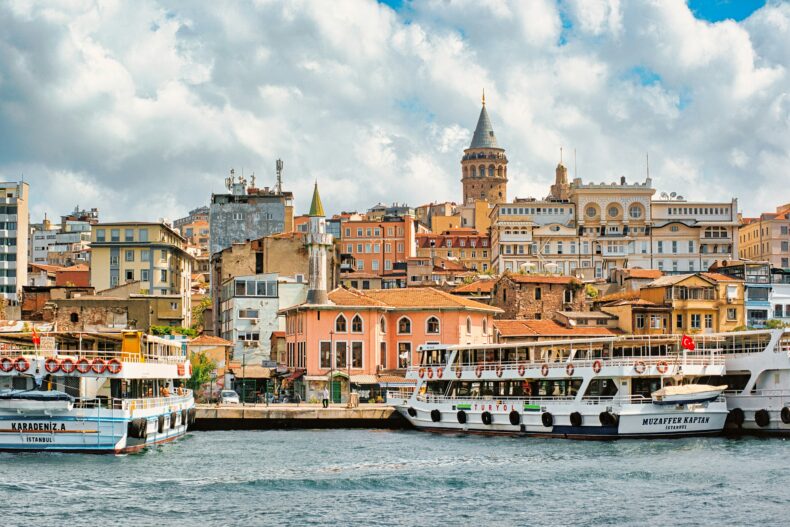
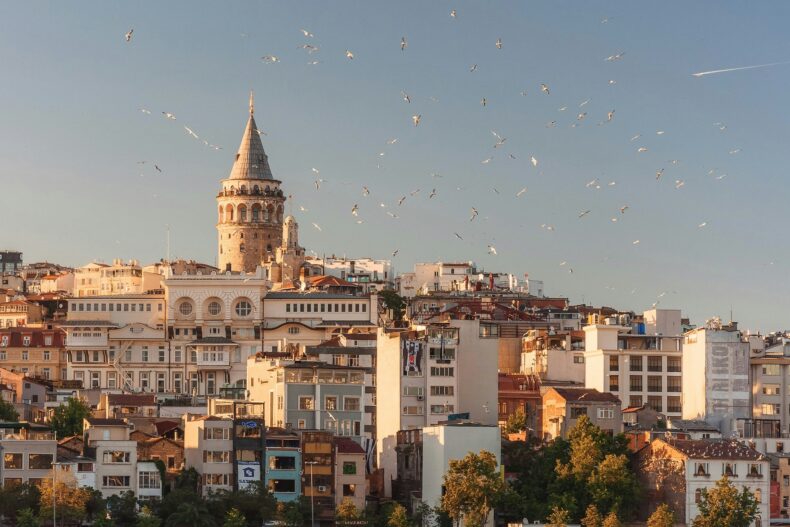
You’ll spot Galata Tower long before you reach it. The Genoese built this medieval stone tower in the fourteenth century, and it still rises high above the rooftops around it. Today, you can climb it for panoramic views over the Bosphorus, the Golden Horn and the historic centre. Tickets are pricey, but the neighbourhood is worth exploring even if you stay at ground level.
The steep streets around the tower are packed with cafés, small boutiques and historic façades. Keep walking downhill and you’ll reach Karaköy, the neighbourhood between Galata and the waterfront. We loved its coffee bars, street art, creative shops and more local vibe. Duck into the little side streets for a welcome break from the crowds around Galata Tower and across the bridge in the historic centre.
#9 Egyptian Bazaar and Eminönü
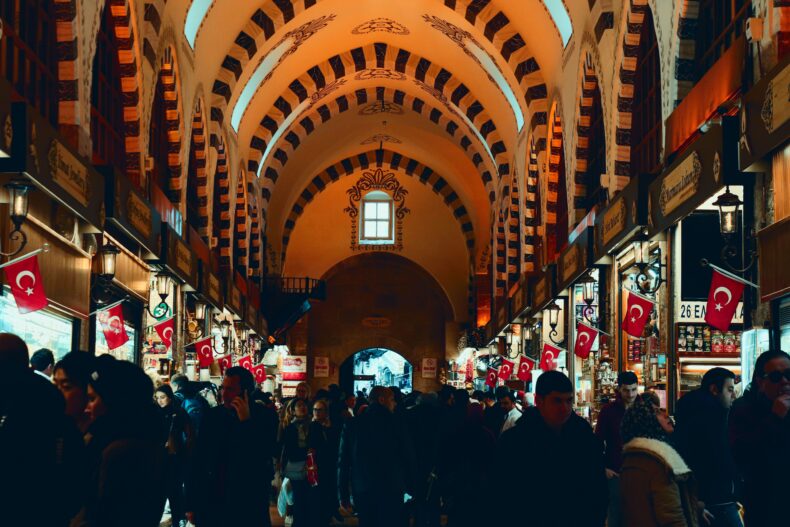
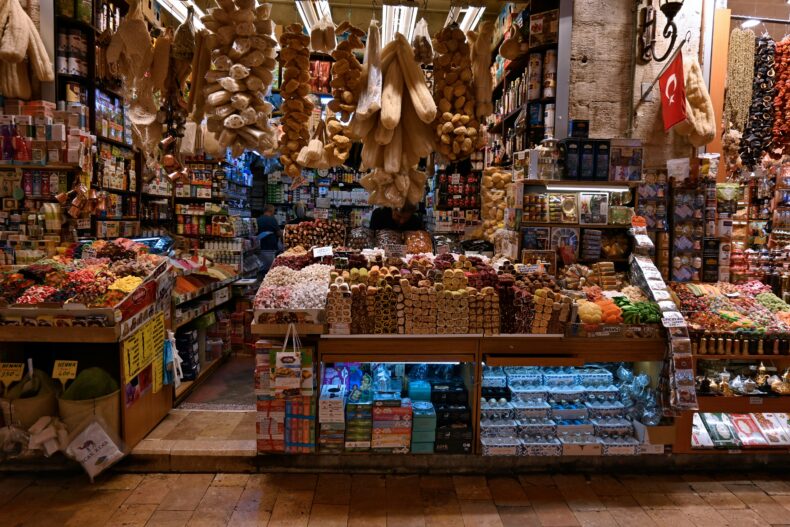
This is the bazaar we’d hoped the Grand Bazaar would be! Also known as the Spice Bazaar, this covered market is much smaller, but it has all the atmosphere you’d expect from a traditional bazaar. Stalls overflow with spices, tea, nuts, dried fruit and Turkish delight. Everything is neatly arranged, which makes it a joy to photograph.
The bazaar dates from the seventeenth century and owes its name to the spices that once reached Istanbul via Egypt. These days it’s pretty touristy, but the heaps of spices and sweets in every shade are still great fun to browse.
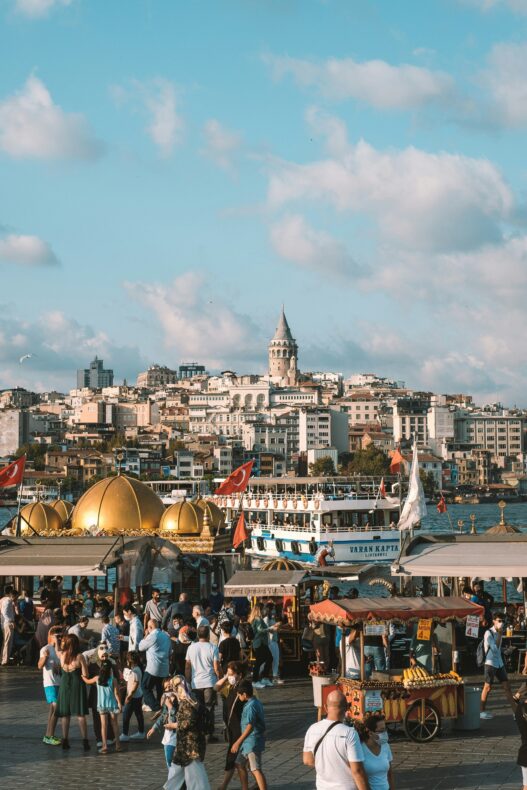
Take time for the streets around it too. Eminönü is a hectic neighbourhood full of local shops, food stalls and ferries arriving and leaving all day. From the waterfront, you can also see Galata Bridge and Süleymaniye Mosque.
#10 Balat and Fener
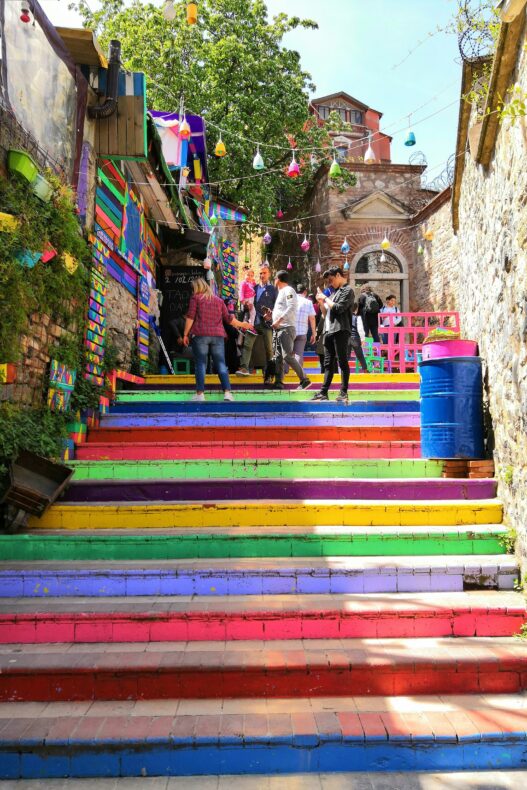
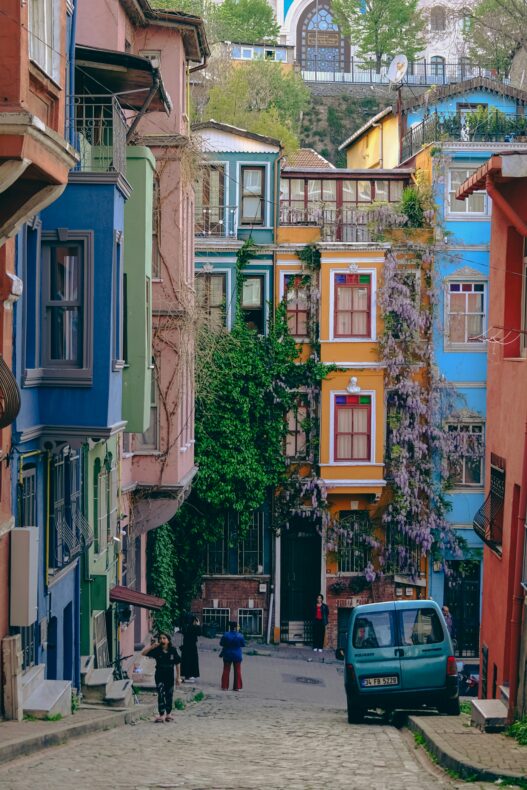
Pack your camera and your comfiest shoes. Brightly painted houses, steep lanes, old churches and inviting coffee shops make Balat and Fener two of Istanbul’s best neighbourhoods to explore on foot. These historic districts sit on the Golden Horn and feel a world away from the tourist crowds around Hagia Sophia.
For centuries, Balat was an important Jewish neighbourhood, while Fener was home to many Greek Orthodox residents. You can still see that history in the synagogues, churches and distinctive architecture. The colourful houses on Kiremit Street and the famous café-lined steps are popular photo spots. You can’t miss the huge red building of the Phanar Greek Orthodox College either.
Balat and Fener have become increasingly popular in recent years, with trendy cafés and vintage shops opening between the old houses. Step away from the photo spots, though, and you’ll still find plenty of ordinary residential streets. Allow a few hours to wander without a plan, and be ready for some hills!
#11 Boat trip on the Bosphorus
Europe on one side, Asia on the other. Istanbul straddles two continents, and nowhere do you feel that better than on the water. A boat trip on the Bosphorus takes you past Ottoman palaces, old fortresses, waterfront mansions and gigantic bridges.
You can book a sightseeing cruise, but we think the regular ferry is just as much fun. We took the kids on the ferry to Kadıköy, on the Asian side. For the price of a public transport ticket, you get views of the old city’s skyline with all its domes and minarets.
For the children, the crossing was an outing in itself. You might even spot dolphins along the way! Longer boat trips head north towards the upper Bosphorus if you want to see more. For a first look at Istanbul from the water, though, the regular ferry is hard to beat.
#12 Kadıköy and Moda
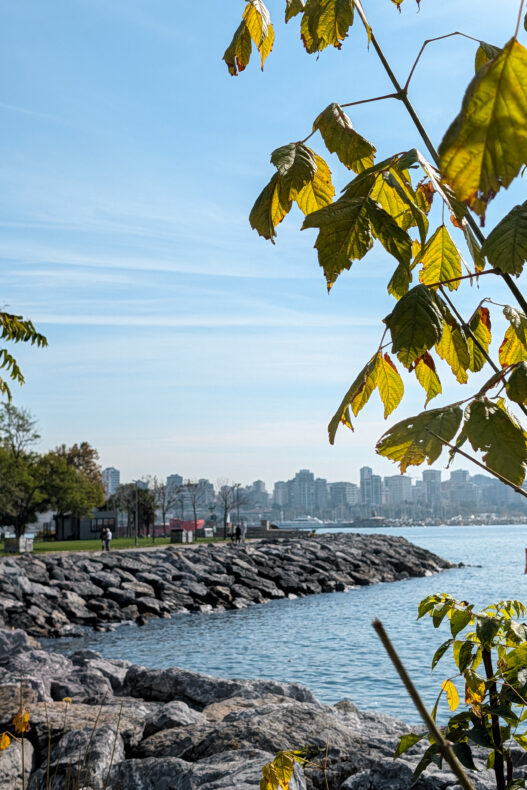
Step off the ferry in Kadıköy and Istanbul suddenly feels like a different city. Instead of monuments and tour groups, you’ll find busy shopping streets, local markets, restaurants and plenty of coffee shops. It’s less about ticking off sights and more about seeing everyday Istanbul.
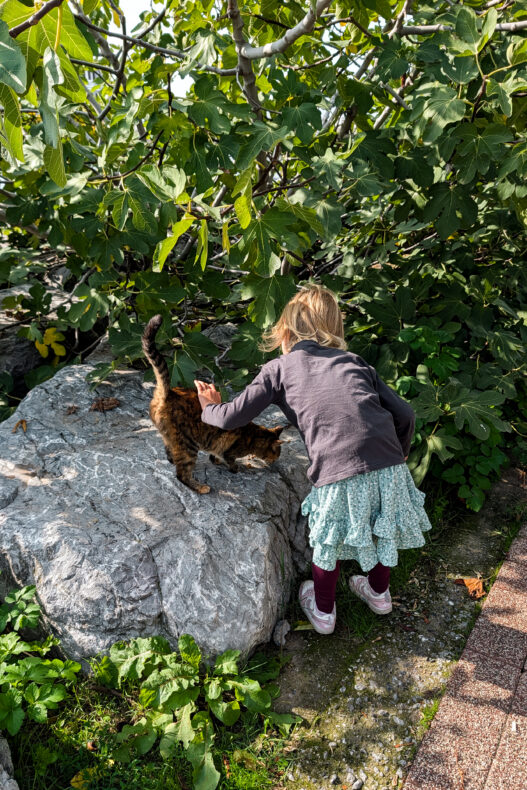
Our favourite spot was the waterfront at Moda. A walking path follows the coast, with green spaces, playgrounds and benches overlooking the water. From here, you look across the Sea of Marmara to the skyline of European Istanbul. After all those crowded streets and historic buildings, our kids were thrilled to finally have room to run around.
Kadıköy’s streets deserve a wander too, with quirky shops, street art and a varied food scene. It’s easy to get here by ferry from Eminönü or Karaköy, and the crossing alone makes the trip to the Asian side worthwhile.
#13 Şerefiye Cistern
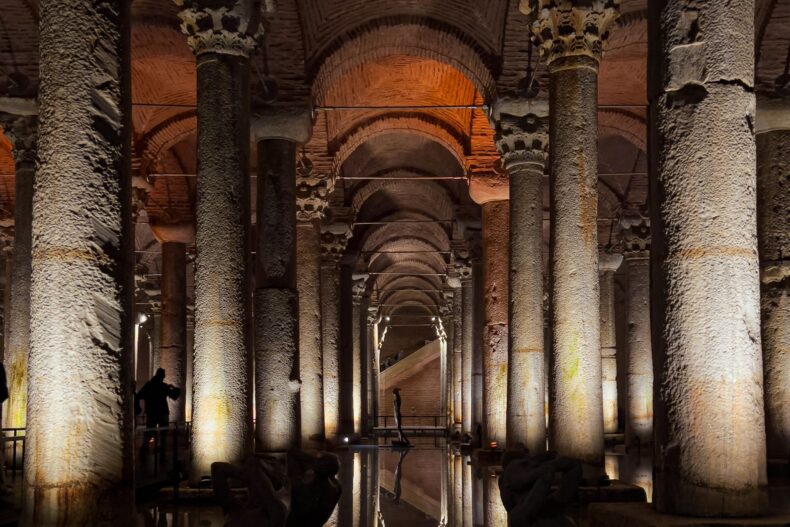
Want the underground magic without the Basilica Cistern’s price tag? Head to Şerefiye Cistern, also known as the Theodosius Cistern, in the historic centre. It’s much smaller but every bit as atmospheric, with tall marble columns reflected in the water.
It was built in the fifth century, during the reign of the Byzantine emperor Theodosius II. For centuries it lay hidden beneath the city, until it was restored and opened to visitors. Today you can admire the ancient architecture and watch a light show projected onto the columns and walls.
Tickets are usually cheaper than at the Basilica Cistern, which makes this a great alternative if you want to see one of Istanbul’s underground reservoirs without spending a fortune. The entrance is a short walk from the Blue Mosque and the Hippodrome.
#14 Aqueduct of Valens
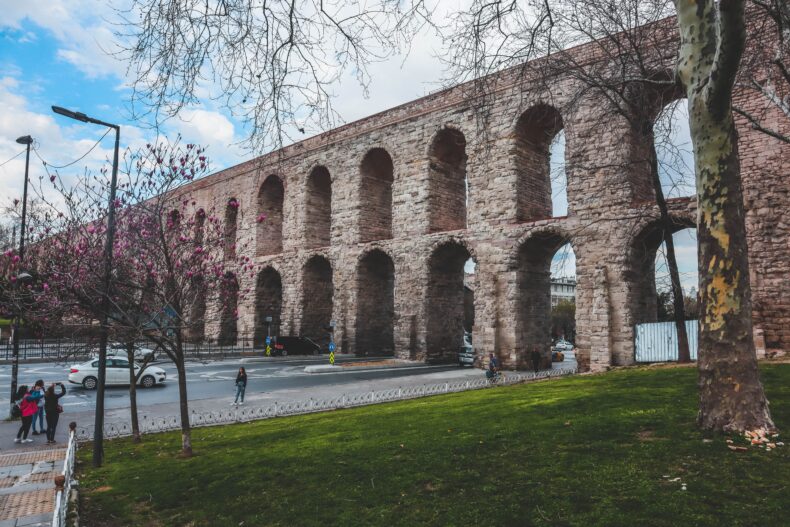
Where else do cars squeeze through the arches of a Roman aqueduct? Built in the fourth century to carry water to Constantinople, the Aqueduct of Valens is one of the city’s most striking Roman remains. Ancient stone arches with modern traffic rushing beneath them make for quite a contrast.
The aqueduct was part of a vast network that supplied the city with drinking water. It once stretched for kilometres, but the main surviving section, near Atatürk Boulevard, is about 900 metres long. Some arches are almost 30 metres high!
There’s no ticket or museum: just walk alongside it or admire it from the nearby park. It’s also close to Süleymaniye Mosque, so you can easily combine the two.
#15 Ancient walls of Constantinople
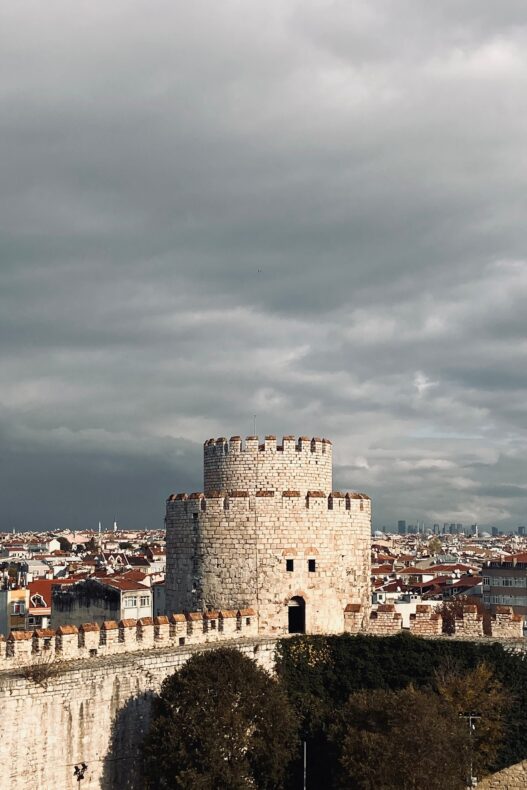
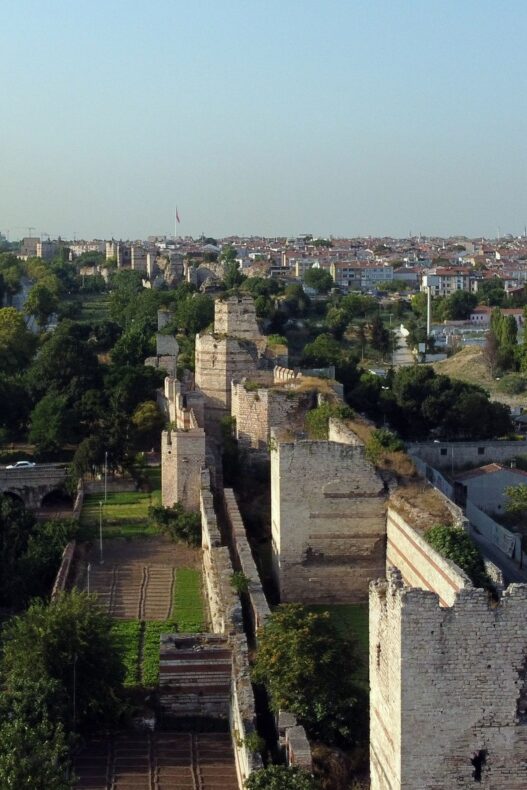
Did you know Istanbul was once protected by kilometres of defensive walls? The famous walls of Constantinople were built in the fifth century under Emperor Theodosius II to defend the Byzantine capital. And they did their job for centuries, until the Ottomans conquered the city in 1453.
The most impressive stretch is the land walls on the western edge of the historic peninsula. Massive stone walls, defensive towers and ancient gates still stand here. Some sections have been restored, while others are slowly crumbling and disappearing under greenery.
Edirnekapı Gate is a good place to see the walls, with the remarkable Chora Church close by. Further south stands the mighty Yedikule Fortress, once part of the city’s defences. The walls are a bit off the main tourist trail, but if you love history, they deserve a spot on your itinerary.