Šumava National Park is one of the greenest and most beautiful places in the Czech Republic. Located along the German border, this stunning natural reserve remains a hidden gem for many travelers, often overlooked in favor of more well-known destinations.
The park’s unique position on the border between Germany and the Czech Republic has played a key role in preserving its unspoiled beauty. After World War II, this area became a no-man’s land, lying between the Western and Eastern blocs and remaining largely untouched by human activity. As a result, nature had the freedom to develop and thrive.
Today, Šumava is one of the Czech Republic’s most scenic locations, offering a wealth of outdoor activities, including some of the best walking and cycling trails in the country. Whether you’re interested in exploring its serene lakes, vast wetlands, bear-filled forests, rugged mountains, or ancient castle ruins, there’s something for every nature lover. In this blog, we’ll guide you through the best tips and recommendations to help you make the most of your visit to Šumava National Park.
Where is Šumava National Park located?
Šumava National Park is located in the southwest of the Czech Republic, near the borders of both Germany and Austria. If you’re traveling from the Netherlands, it’s less than a 9-hour drive to reach the park. The forest stretches across national borders, continuing into Germany, where it is known as the Bavarian Forest. Covering almost 70,000 hectares, Šumava is the largest of the Czech Republic’s four national parks. When you include the German portion, the park’s overall size becomes even more impressive.
If you’re planning to visit Šumava as part of a broader tour of the Czech Republic, you may want to combine it with a visit to the fairytale town of Český Krumlov. Known for its breathtaking beauty, Český Krumlov’s old town is a UNESCO World Heritage site for good reason. The southern part of Šumava, which includes the stunning Lipno Lake, is just a 30-minute drive from Český Krumlov. To the north of Šumava, Pilsen is about 1.5 hours away, and the historic spa town of Marienbad is about 2 hours by car.
Tip: For a helpful guide, check out this interactive map of the national park, where you’ll find all parking spots in Šumava.
Best Places to Stay and Camp in Šumava
Šumava National Park, together with the Bavarian Forest in Germany, offers a diverse range of accommodations, from cozy hotels in small villages to an abundance of campsites scattered throughout the region. For a truly special stay, you might want to consider one of the charming houses tucked away within the nature reserve. For instance, you could stay in an idyllic house located on a 700-year-old estate in the Czech Republic, a fairytale-like retreat just over the German border, or a traditional nature house that promises a peaceful and authentic escape.
If you’re looking for more traditional accommodation, such as hotels, bed & breakfasts, or quaint cottages, the park’s picturesque villages have plenty of options to choose from. Some of the best-known villages for finding a place to stay include Kvilda, Modrava, Prášily, and Srní. Below, you’ll find an interactive map that showcases a carefully curated selection of accommodations, each chosen for its outstanding reviews, to help you find the perfect place to stay in Šumava.
Booking.com (function(d, sc, u) { var s = d.createElement(sc), p = d.getElementsByTagName(sc)[0]; s.type = ‘text/javascript’; s.async = true; s.src = u + ‘?v=’ + (+new Date()); p.parentNode.insertBefore(s,p); })(document, ‘script’, ‘//aff.bstatic.com/static/affiliate_base/js/flexiproduct.js’);Šumava National Park offers a wide range of campsites, making it an excellent destination for nature enthusiasts. Many of these campsites are located around the stunning Lipno Lake, including popular spots such as Camping Frymburk, Camping Olšina, Camping Karlovy Dvory II, and Camping Lipno Modřín. For a more unique experience, you might want to check out the farm campsite U Dvou Orechů, which is located near the village of Strážov na Šumava, at an altitude of 600 meters. This campsite is run by Dutch owners and offers a peaceful and authentic camping experience.
In addition to the traditional campsites, did you know that Šumava National Park also offers the opportunity for ‘wild camping’ in specific areas? These designated spots are known as ’emergency overnight campsites,’ and camping is permitted here only with tents. The official Šumava National Park website provides detailed guidelines for these camping areas, along with an interactive map that shows their exact locations.
Camping Tip: The official nature camping spots are located in a continuous line throughout the park, all within walking distance of each other. This setup makes them a perfect option for a multi-day hiking adventure across Šumava, allowing you to fully immerse yourself in the park’s natural beauty while staying at different campsites along the way.
Things to do in Šumava National Park
#1 Hiking and Biking with Mapy.cz
To truly immerse yourself in the beauty of Šumava National Park, there’s no better way than to explore on foot or by bike. As you travel through this remarkable park, you’ll find yourself wandering through ancient primeval forests, across scenic heathlands, and past some of the most stunning natural landscapes in the Czech Republic. We highly recommend using the Mapy.cz app, which is available in both Dutch and English. This app provides a detailed map of all the hiking and biking routes in the park, making it easier than ever to navigate the trails. While you can find beautiful walking routes directly on Šumava’s official website, it always directs you to Mapy.cz for the most accurate and detailed trail information. Some recommended hikes include the path leading to Bílá Strž, which boasts the highest waterfall in the park, a peaceful walk around the picturesque Černé and Čertovo lakes, and the stunning trail through Vydra Gorge.
#2 Lake Lipno
Lake Lipno is one of the most iconic attractions in Šumava National Park. This serene lake is well-known to Dutch visitors, as it is home to a relaxing holiday park run by Landal. Originally created in the 1970s as a reservoir, Lake Lipno has since become a favorite spot for swimming and water sports during the summer. In the winter, the surrounding area turns into a popular destination for skiing, making it a fantastic year-round spot for outdoor activities. Whether you’re looking to cool off on a hot summer day or enjoy winter sports, Lake Lipno offers something for every season.
#3 Vitkův Castle
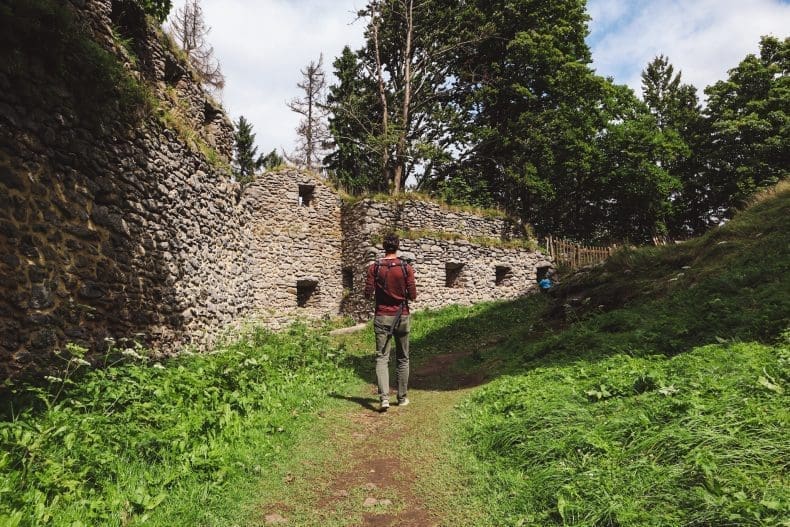
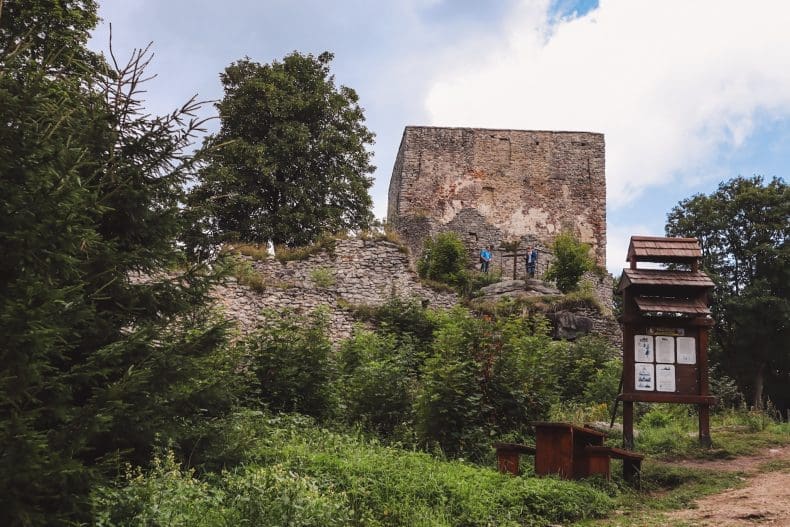
Vítkův Castle, located to the west of Lipno Lake, is a fascinating ruin steeped in history. You can reach the castle by driving around the lake, or if you’re looking for a more scenic route, you can take a ferry from the village of Frymburk, as we did. Although the castle is now mostly in ruins, it still offers a striking and memorable sight to explore.
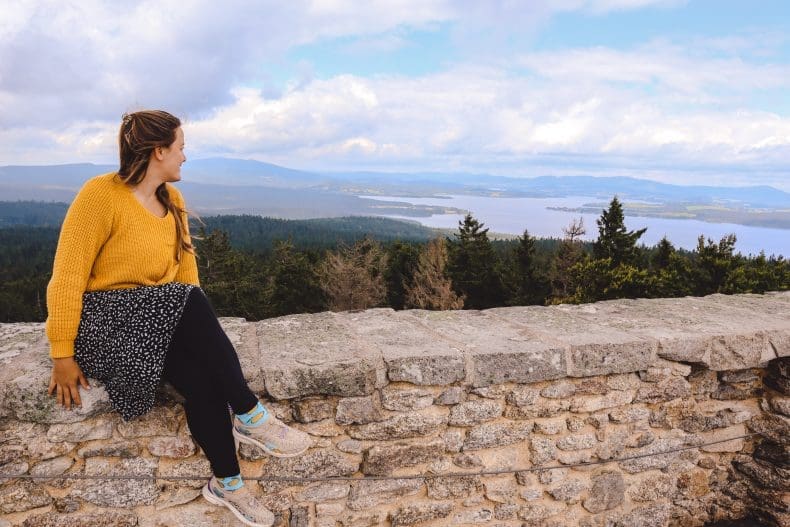
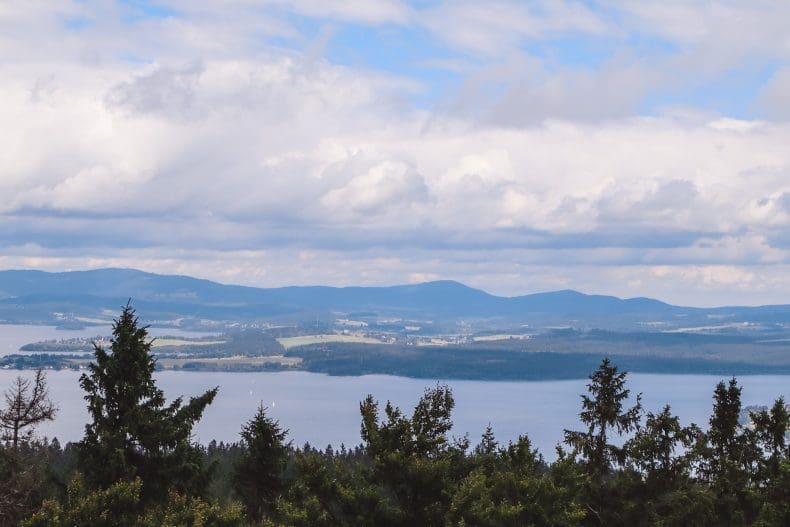
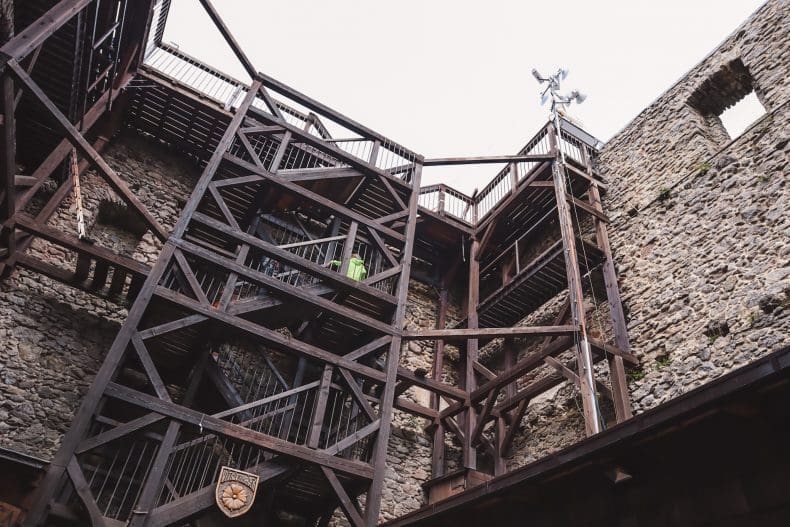
One of the highlights is the opportunity to climb the old residential tower, where you’ll be rewarded with a stunning panoramic view of Šumava National Park and the shimmering waters of Lipno Lake. Sitting at an impressive 1,053 meters above sea level, Vítkův Castle holds the title of the highest castle in the Czech Republic. From this elevated vantage point, the views stretch for miles, and on clear days, you can even see the Austrian Alps in the distance.
A ticket to visit the castle costs 75 CZK per person, making it an affordable yet unforgettable stop during your visit to the region.
#4 Bear Spotting in the Bavarian Forest
A visit to the Bavarian Forest, the German counterpart of Šumava, is certainly worth considering. Not only will you enjoy picturesque walks through its lush forests, but you’ll also have the opportunity to visit a unique animal park at Lusen. The National Park Center Lusen is a fascinating combination of a nature reserve and a wildlife park, where you can explore vast woodlands and encounter a variety of animal habitats. Here, you might spot bears, lynx, owls, wild boars, and other wildlife living freely in their natural environment. It’s an unforgettable experience for nature lovers and wildlife enthusiasts alike.
#5 Glacier Lakes
Šumava National Park is home to a series of stunning glacial lakes, formed centuries ago during the Ice Age. On the Czech side of the park, you’ll find five of these breathtaking lakes, while three more are located across the border in Germany. All five lakes in Šumava are easily accessible, each with its own scenic walking route that allows you to enjoy the natural beauty surrounding them. Many of the trails are relatively short, so it’s possible to explore several lakes in just one day.
- Prášilské Jezero, located near the village of Prášily and Poledník Mountain
- Jezero Laka, the highest lake in the park, sitting at an elevation of 1,096 meters
- Černé Jezero (Black Lake), the largest and deepest natural lake in the Czech Republic
- Čertovo Jezero (Devil’s Lake), situated near Černé Jezero
- Plechý Jezero, found at the foot of Plechý Mountain
Each of these glacial lakes offers not only mesmerizing views but also a peaceful retreat into nature. Together, they represent some of the most beautiful and serene spots in the entire park, making them must-see attractions for anyone visiting Šumava.
#6 Climbing Šumava’s Peaks
Šumava National Park is renowned for its scenic walking trails, but if you’re looking for something more adventurous, nothing beats a challenging mountain hike. The highest and most easily accessible peak in the park is Poledník, a favorite among hikers. At the summit, you’ll encounter a fascinating relic from the past: a secret watchtower that was built during the Cold War to monitor the border between the Western world and the Soviet bloc. To keep its location hidden, the mountain was not marked on any maps for many years. In 1997, the national park purchased the tower, and it was later transformed into the observation tower that visitors can explore today. From the top, you’ll be rewarded with panoramic views of the park and the surrounding landscapes.
Another striking peak is Ostrý (known as Osser in German), located precisely on the Czech-German border. This mountain is unique because it has two summits: one on the German side and the other right on the border. At the peak located on the border, you’ll find a quaint mountain hut, where you can even stay overnight, making it an ideal spot to rest before continuing your exploration of the area.
For those seeking a more challenging climb, the 1,334-meter-high Svaroh (Zwercheck in German) is a great option. This peak can only be reached by hiking from the German side of the park, providing a peaceful and less-crowded experience for those looking to escape the usual tourist paths. It offers a secluded adventure and a perfect opportunity to connect with nature away from the more popular spots in the park.
#7 Chalupska Moor
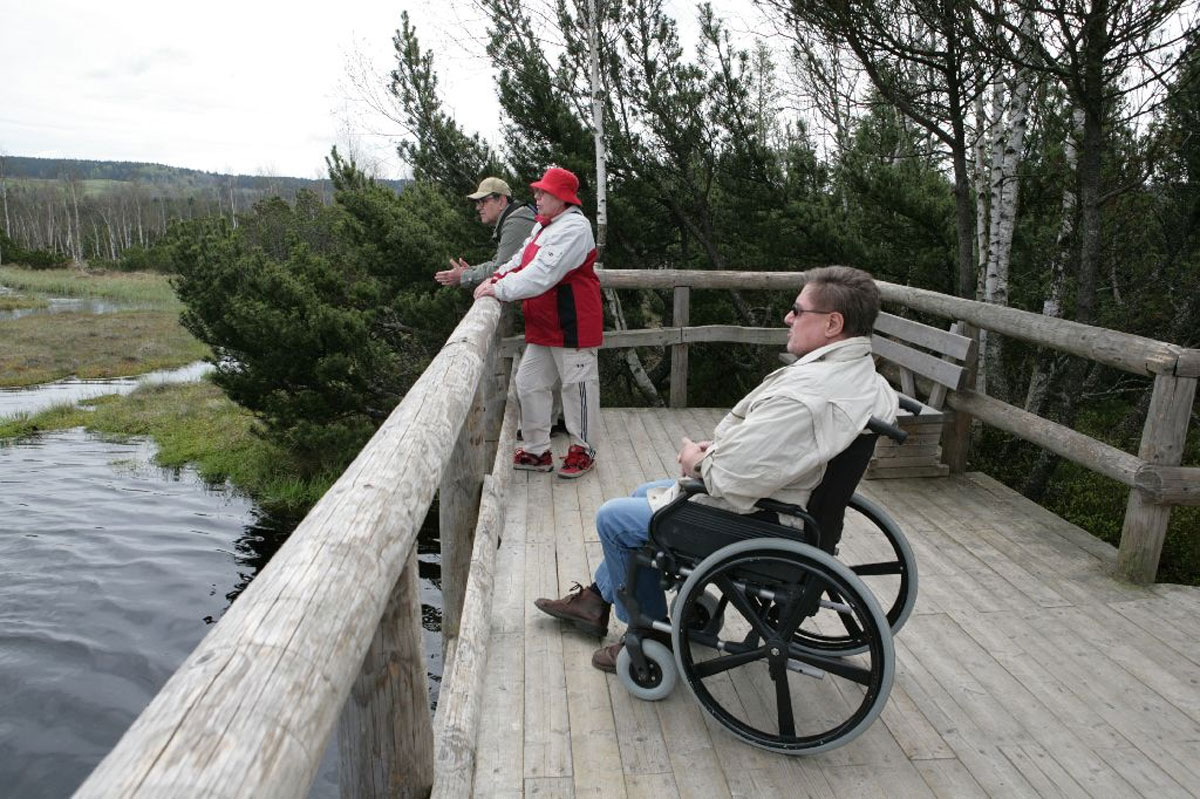
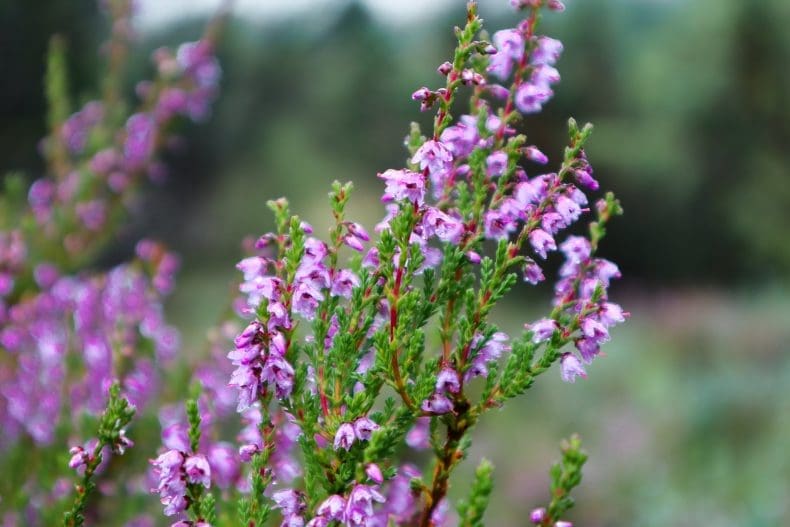
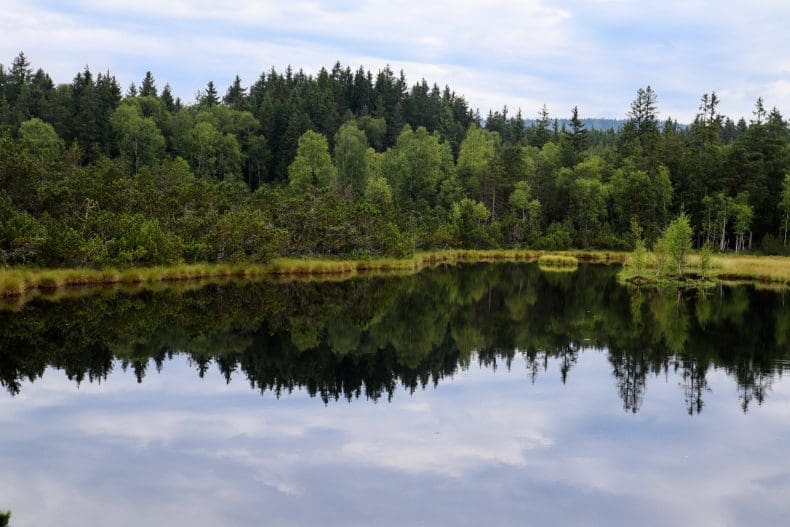
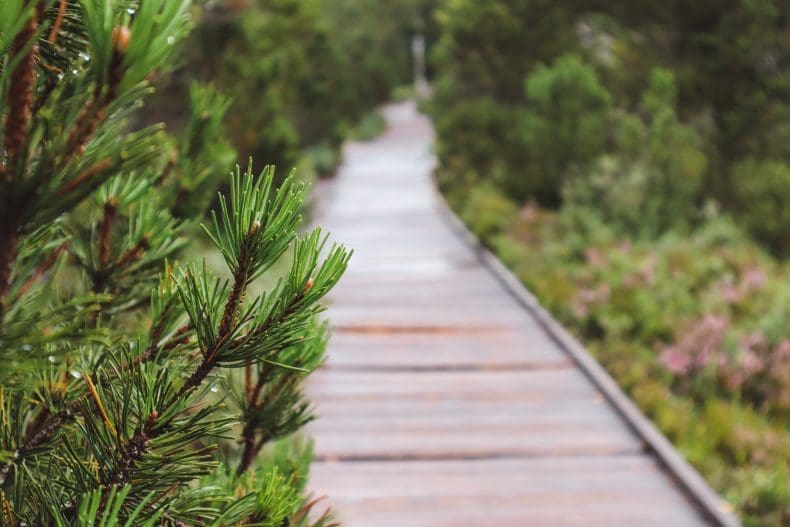
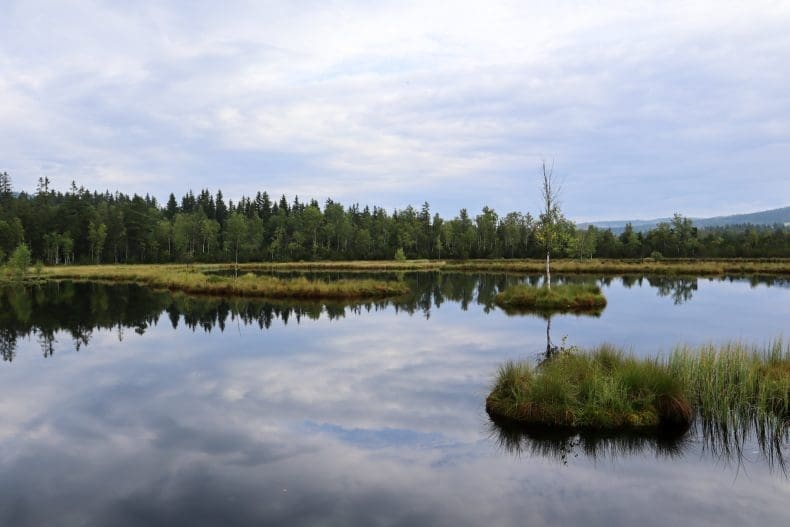
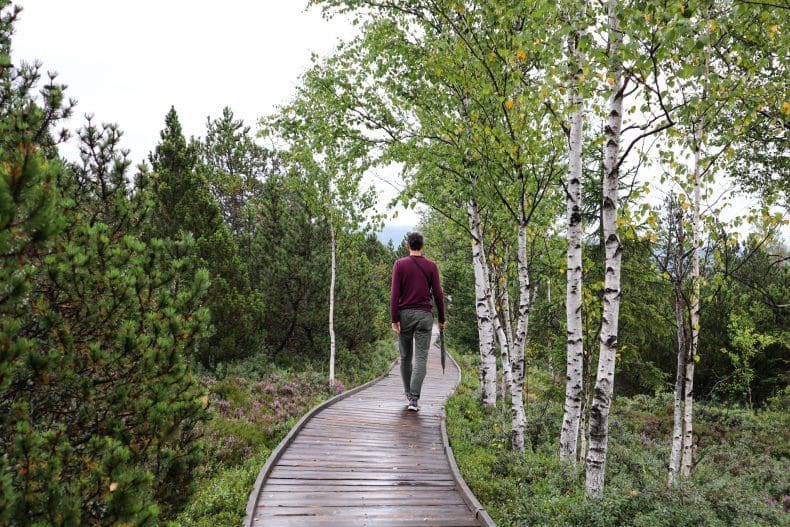
Chalupská Moor is a lovely fen located just a short walk from the Svinná Lada parking lot. The 1-kilometer walk along a wooden boardwalk takes you through the heart of the moors. When we visited in August, the heather had already started to turn a rich shade of purple, adding to the beauty of the landscape. The boardwalk leads to a viewpoint that offers a stunning view of the Chalupská Slat, the largest moorland in the Czech Republic, covering an area of 1.2 hectares.
As a visitor from the Netherlands, moorland landscapes are somewhat familiar to us, so while it may not be the first stop we’d recommend in Šumava, it’s definitely worth taking the short walk to the water’s edge if you’re in the area. The tranquil surroundings and distinctive landscape make it a peaceful and enjoyable stop within the park.
#8 Canyon Vydra
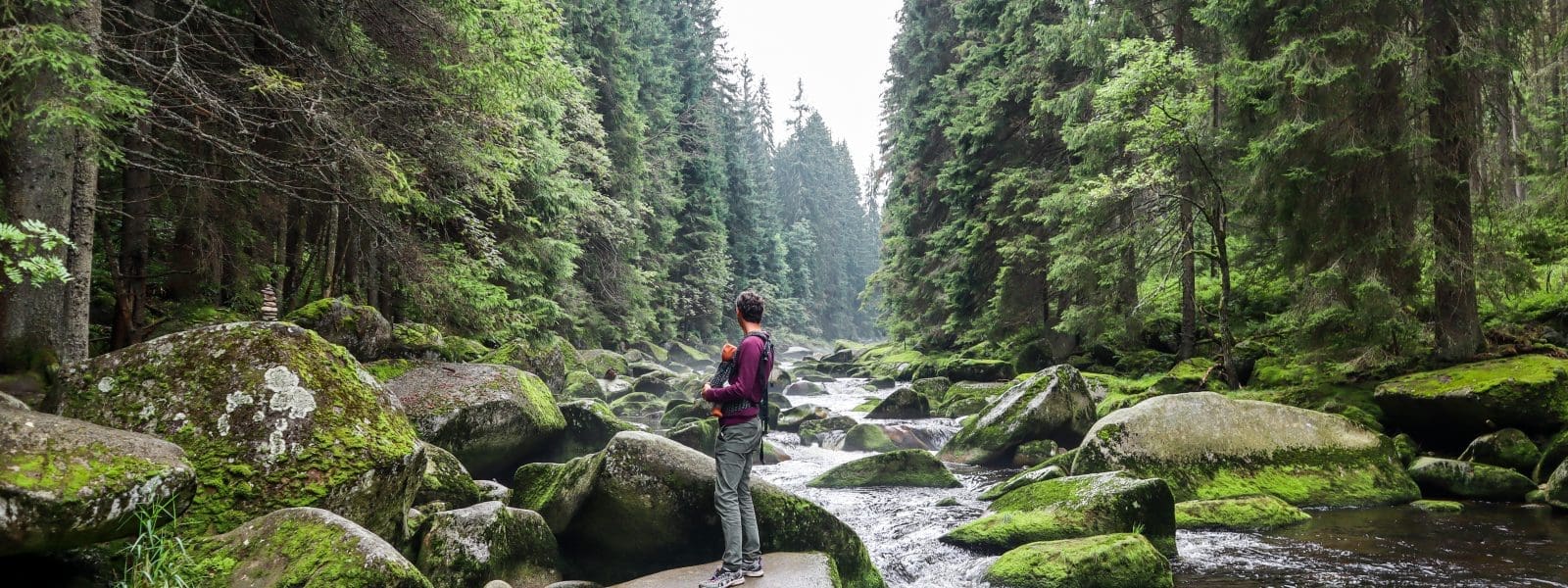
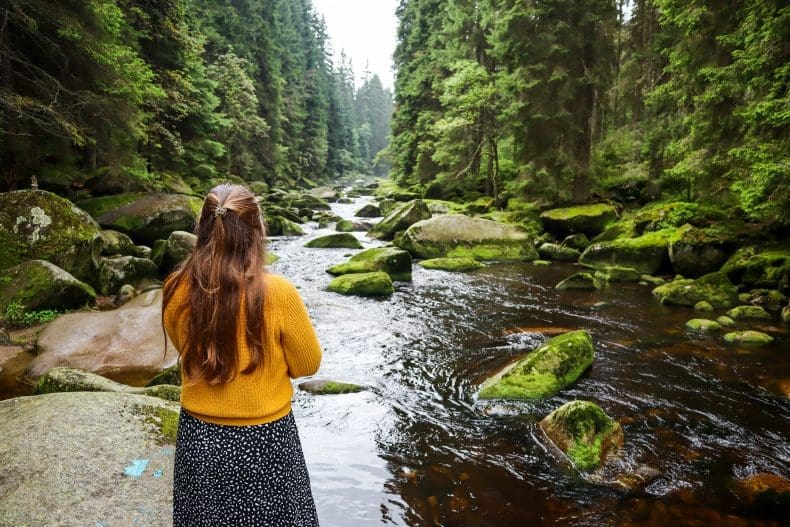
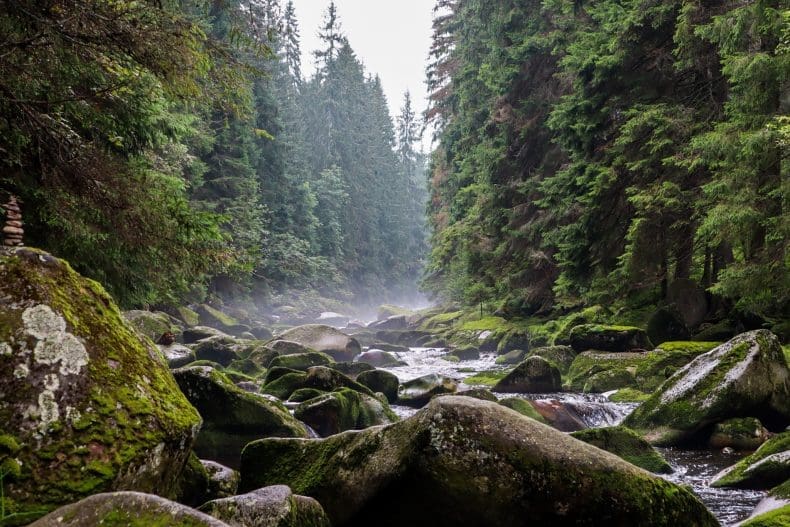
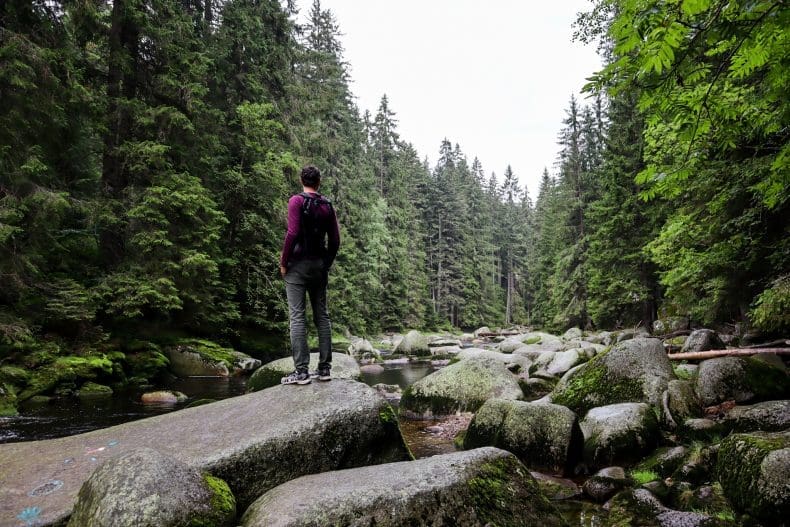
The Vydra Gorge was one of the most breathtaking places we visited in Šumava. Over the years, the Vydra River has carved out this stunning gorge, and the walking route that follows the river through the canyon offers some truly spectacular views. As you walk, you’ll pass through a dense forest of coniferous trees, with the river winding its way through the gorge below. The trail is a one-way route, but you have the option to either walk back the same way or take a bus back to the starting point.
When we visited on a rainy day, the mist that hung over the river added an enchanting atmosphere to the already magical surroundings. The combination of the mist, the sound of the rushing water, the smooth rocks in the river, and the towering pine trees made it one of the most memorable and beautiful experiences we had in Šumava.
#9 Three-Country Point on Mount Plechý
Šumava National Park is home to a fascinating three-country point where the borders of the Czech Republic, Germany, and Austria meet. This remarkable location sits atop Mount Plechý (Plöckenstein in German), which rises to an impressive 1,378 meters above sea level. The easiest way to reach the summit is from Germany. You can park at an altitude of 1,333 meters in the Dreisesselberg parking lot, and from there, it’s a 3-kilometer walk to the three-country point. Along the walk, you’ll be treated to stunning views of the surrounding landscapes, making the journey just as rewarding as the destination itself.
#10 Treetop Path
One of the most popular attractions for families and children at Lipno Lake in Šumava is the Treetop Trail. This striking wooden structure gradually ascends, guiding visitors higher and higher through a network of platforms and towers. As you make your way up, you’ll have the chance to learn about the Giant Mountains and local wildlife through informative displays along the trail. Once you reach the top, above the treeline, you’ll be treated to breathtaking views of the surrounding mountains and forest. One of the highlights of this experience, particularly for children, is the descent: instead of walking back down, you can zoom down a giant slide, adding an extra thrill to your adventure.
In addition to the Treetop Trail at Lipno Lake, you’ll find a similar treetop path in the Bavarian Forest, located on the German side of Šumava. And did you know that there’s another treetop trail at the northern edge of the Giant Mountains, near the Polish border? It’s another fantastic way to experience nature from a truly unique perspective.