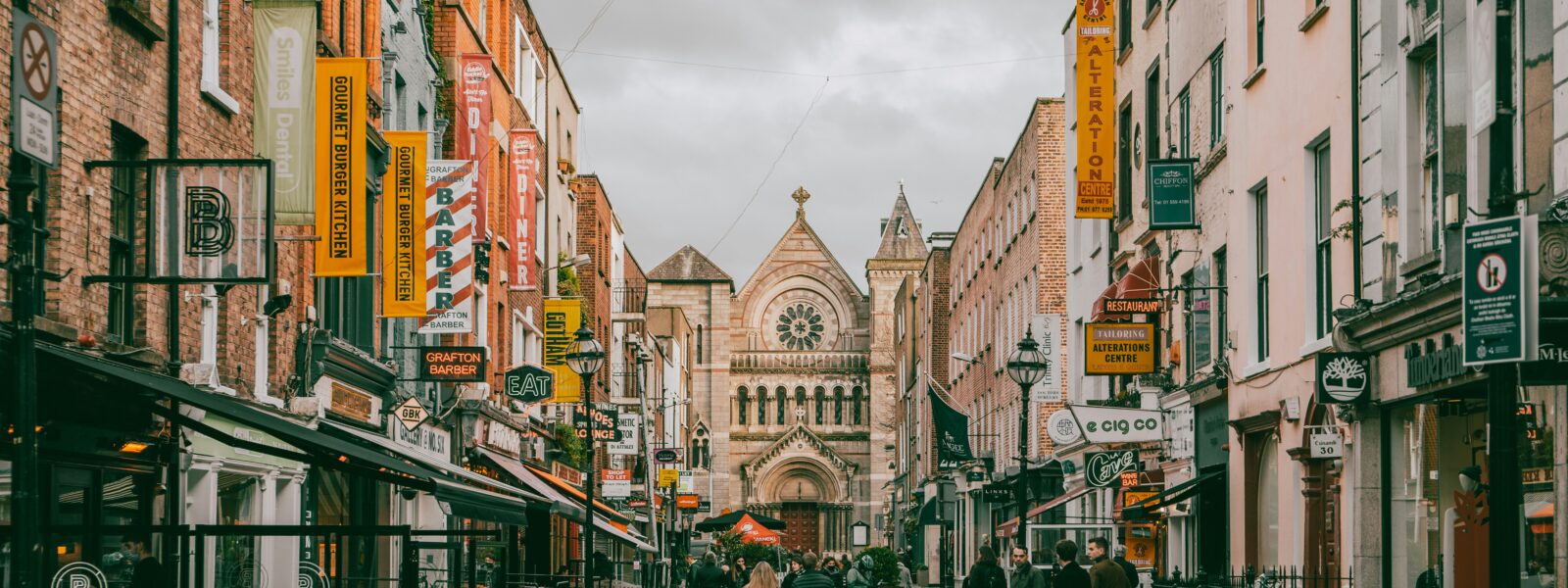
Dull, grey and mostly pubs. That’s roughly what people told us about Dublin before we went, so our expectations weren’t exactly sky-high. We couldn’t have been more wrong. We found a monstera the size of a house, forged our own silver rings and rode through the city on the top deck of a double-decker with the kids. And the weather? That turned out pretty kind to us too.
Dublin was the last stop of our road trip around Ireland with our two little ones. We had lunch in the Botanic Gardens until a thunderstorm chased us into a glasshouse, looked at bog bodies and ancient boats in the archaeology museum, and ate veggie burgers in a busy, buzzing pub right by Temple Bar. The centre is compact enough to do almost everything on foot, and when it rains you simply duck into one of the many free museums.
In this blog we share the 20 best things to do in Dublin: our own favourites, the classics you won’t want to miss on a first city break, and three day trips to the coast and the mountains. Plus practical tips on getting around, the best time to visit and the nicest areas and hotels to stay in.
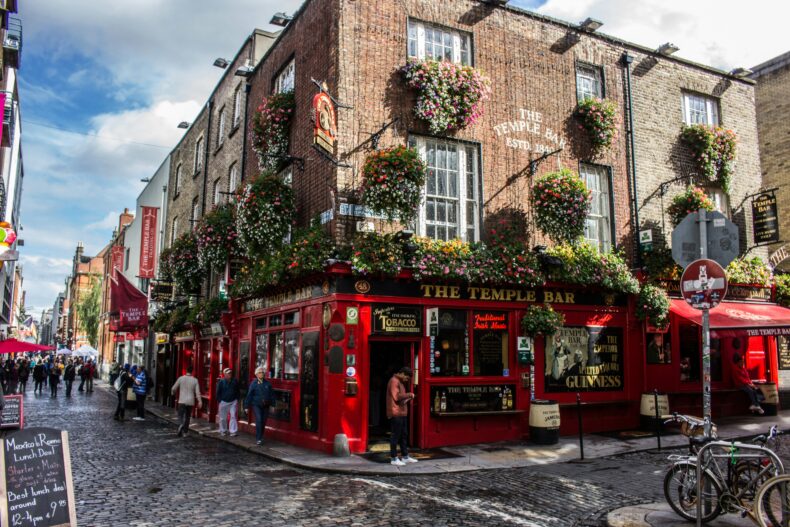
What is Dublin known for?
Dublin is known for its pubs and live music, for Guinness, for an impressive line-up of writers and for a history you bump into on every corner. It’s the capital and by far the biggest city in Ireland, yet the centre is small enough to explore on foot.
Dublin has hundreds of pubs, from centuries-old bars with dark wooden counters to the touristy places in Temple Bar where the music often starts in the afternoon. For many visitors a pint of Guinness is simply part of the deal, and it’s been brewed at St. James’s Gate, on the west side of the city, since 1759.
Few cities have produced so many famous writers. James Joyce, Oscar Wilde, Jonathan Swift, Bram Stoker and Samuel Beckett all came from here, and since 2010 Dublin has officially been a UNESCO City of Literature.
History is never far away. Vikings set up a trading settlement here in the ninth century, the British ruled Ireland from Dublin Castle for centuries, and in 1916 the Easter Rising broke out in the city’s streets, the first step on the road to independence. You’ll see it in the museums, in the cathedrals and even in the bullet holes in the columns of the post office.
The Georgian squares give the city its elegant side, lined with red-brick townhouses and bright front doors topped with fan-shaped windows. Merrion Square shows them off at their best.
Practical tips for your Dublin city break
How many days do you need in Dublin?
Two to three days is enough to see the main sights in the centre. Want to fit in the Botanic Gardens, Kilmainham Gaol or a day out to Howth or Glendalough? Then an extra day is no luxury. The centre is compact: from Trinity College it’s a fifteen-minute walk to Dublin Castle and St. Patrick’s Cathedral. Only the Guinness Storehouse, Kilmainham and Phoenix Park lie a bit further west.
How do you get from Dublin Airport to the city centre?
There’s no train or metro to Dublin Airport, so you take the bus. The quickest options are the Dublin Express and Aircoach, which get you to O’Connell Street, Temple Bar and Trinity College in 20 to 45 minutes, depending on traffic. The regular TFI buses (including routes 16 and 41) are cheaper but slower. Arriving by ferry from Wales like we did? Then you’ll dock at the port just east of the centre.
Driving off the boat in your own car? Keep an eye on your sat nav. From the port it will happily send you into the Dublin Port Tunnel, a toll tunnel towards the motorway that gets pricey at rush hour. If you’re heading into the centre, or you’d rather skip the whole toll system like we did, you don’t need the tunnel at all.
How do you get around Dublin?
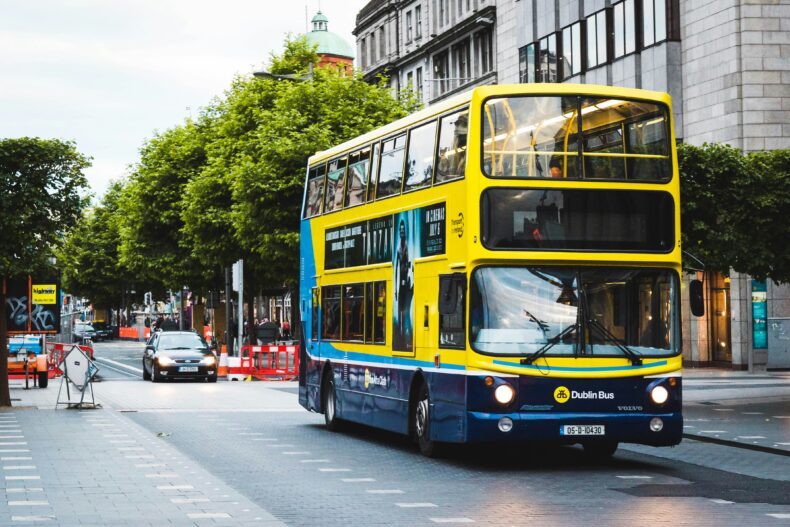
Mostly on foot. For longer distances there are the buses (nearly all double-deckers), the Luas tram and the DART coastal train out to Howth and Malahide. A Leap Card is handy: a top-up travel card that makes bus, Luas and DART journeys cheaper than paying cash. There’s also a Leap Visitor Card for one or more days of unlimited travel.
We didn’t have a Leap Card ourselves and paid cash on the bus. That only works with coins, and with the exact fare: drivers don’t take notes and don’t give change. A little bag of coins became a fixture in our backpack.
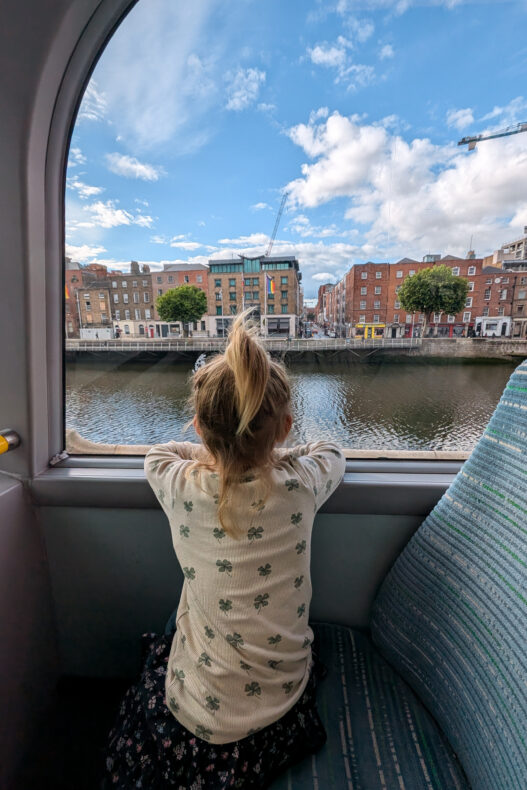
We stayed just outside the centre and caught the bus into town every day. For the kids, that double-decker was an attraction in itself. Grab the front seats on the top deck and you’ll have the best view in the city.
Travelling on around Ireland after Dublin? You won’t need a car in the city itself, so it’s best to pick up your hire car on the day you leave town.
→ Discover our 3-week Ireland road trip itinerary in 10 stops
→ Discover all our tips for renting a car in Ireland
What is the best time to visit Dublin?
You can visit Dublin all year round, and a bit of rain always comes with the package. May and June are on average the sunniest months, and the days are wonderfully long. Our weather was much better than expected, apart from one thunderstorm that sent us running into a glasshouse. So pack a rain jacket, even when the morning looks glorious. Around St. Patrick’s Day (17 March) and in December the city is extra busy and hotels cost more.
Where to stay in Dublin?
Dublin hotels aren’t cheap, and prices climb the closer you get to Temple Bar. Staying central still pays off, though, because then you can walk almost everywhere. Want to be in the heart of the lively old town? Pick Temple Bar or the quays along the Liffey. Prefer some peace and quiet? The Georgian streets around St. Stephen’s Green are within walking distance and much calmer at night. The Docklands are modern and businesslike, with a few great addresses by the water.
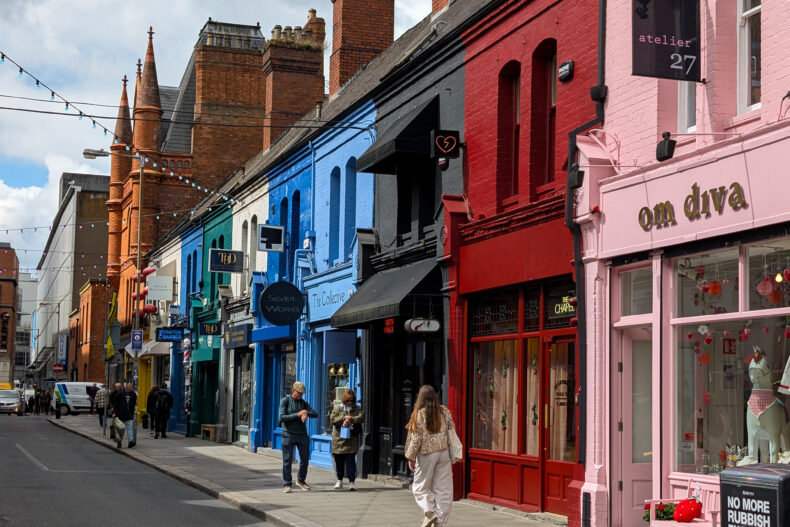
Temple Bar and the Liffey: right in the old town
#1 The Clarence on Wellington Quay was owned for years by Bono and The Edge of U2, and it looks out over the Liffey. Every room is decorated differently, with handmade furniture and oak floors, and downstairs there’s an art deco cocktail bar.
#2 The Merchant House is a tiny place in a merchant’s house from 1720, with a handful of suites named after Irish writers such as Bram Stoker and James Joyce. Triple glazing keeps the Temple Bar nightlife outside. Good to know: it’s adults only.
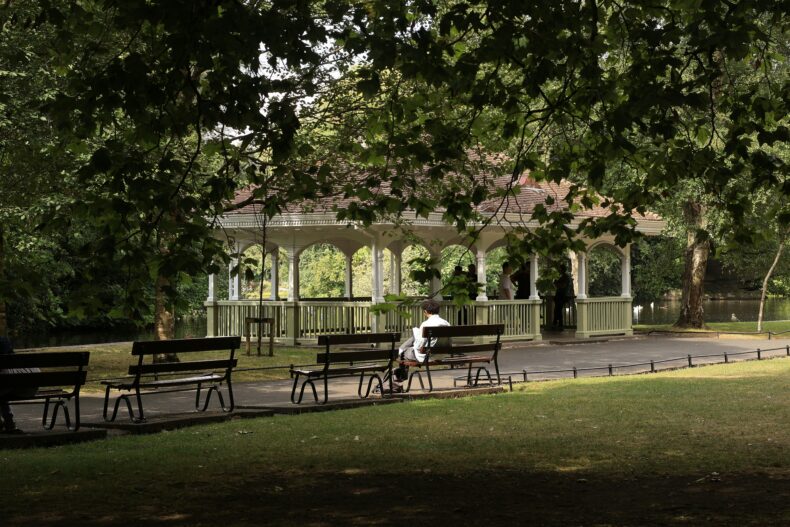
Around St. Stephen’s Green: Georgian and quiet
#3 The Wilder Townhouse is a Victorian building from 1878 that was once a home for retired governesses, and you can tell from the suites full of marble, velvet and open fireplaces. St. Stephen’s Green is a five-minute walk away.
#4 Number 31 is a guesthouse tucked behind a wall in a quiet lane, with a Georgian townhouse and a modernist coach house around a courtyard garden. Guests rave about the generous breakfast.
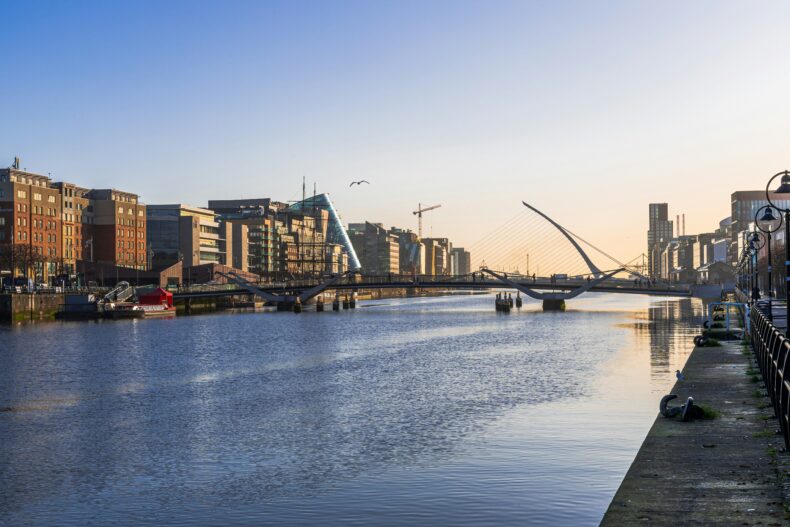
Docklands: modern by the water
#5 The Marker is a design hotel on Grand Canal Square with a rooftop bar and a 23-metre indoor pool. The centre is a twenty-minute walk along the Liffey, and the Luas and DART are right around the corner.
Things to do in Dublin: our 20 best tips
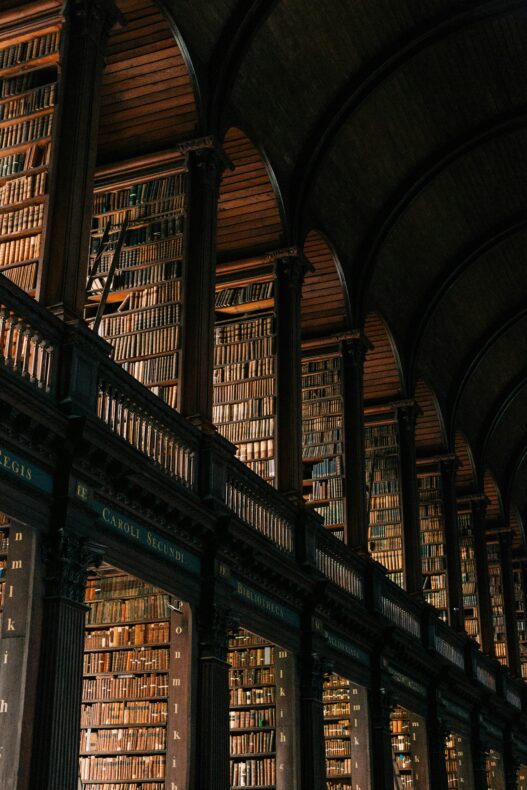
#1 Trinity College: the Book of Kells and the Long Room
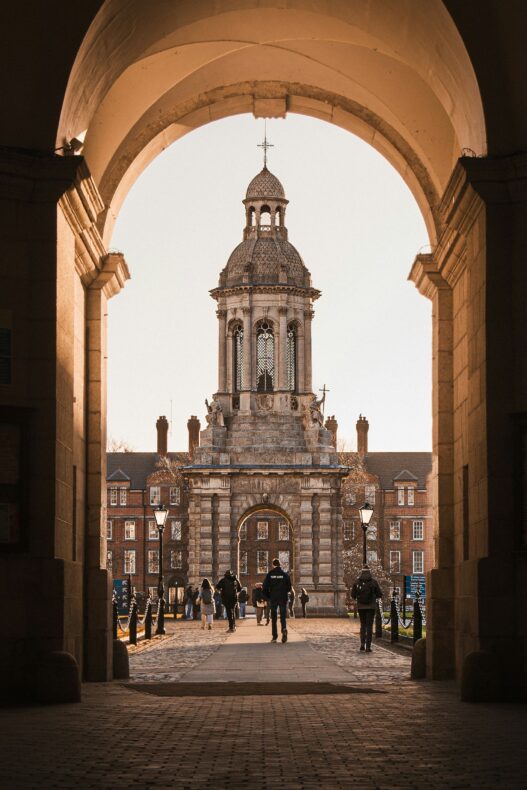
Right in the middle of the city sits Ireland’s oldest university, and anyone can stroll across the green squares of Trinity College for free. That’s exactly what we did: a wander across the lawns, past the grand college buildings, and then on into town.
The big draw is the Book of Kells, a richly decorated manuscript of the four Gospels that’s over twelve hundred years old. Monks painted fantastical creatures and Celtic knots into it with tiny brushes. The same ticket takes you into the Long Room of the Old Library, the famous wooden library hall, almost 65 metres long under a high barrel-vaulted ceiling.
We gave the library a miss ourselves. Queuing for a book behind glass with two small kids didn’t sound like a winning plan, and it takes some planning anyway: tickets are tied to a time slot and sell out fast in high season. Keen to go? Book well ahead online.

#2 National Botanic Gardens: Victorian glasshouses in Glasnevin
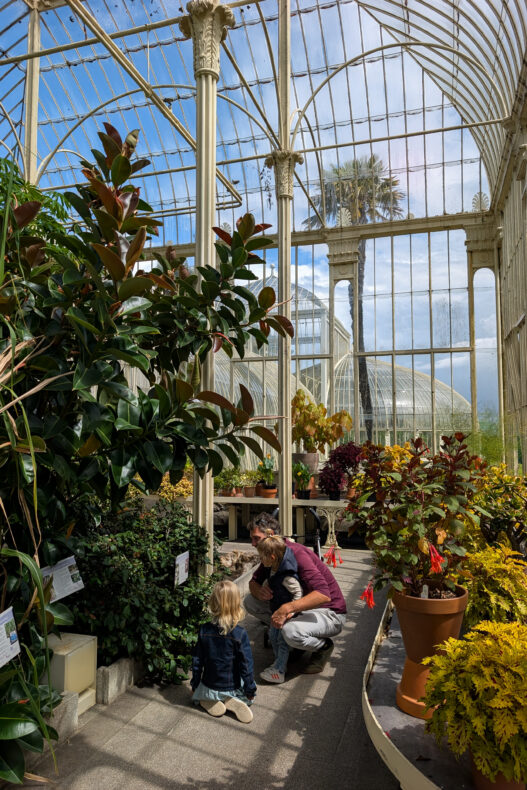
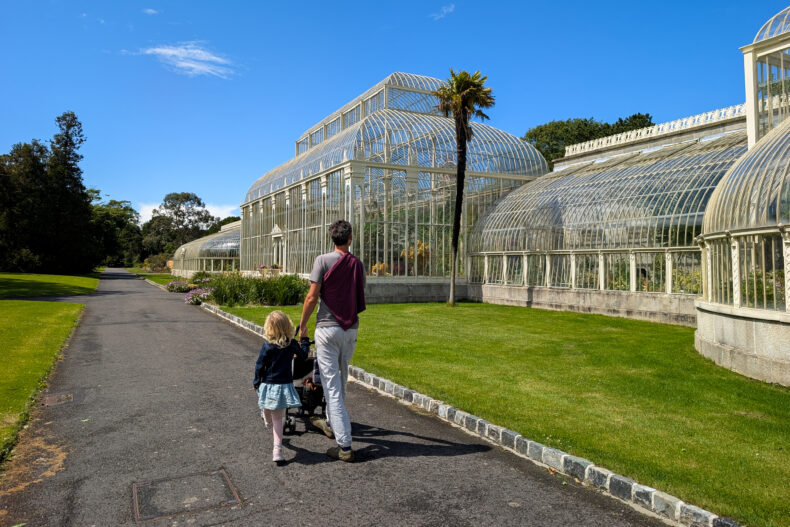
How can a garden be this impressive? Ever since we got our own allotment at home, we’ve turned into proper plant nerds, and the National Botanic Gardens in Glasnevin were our highlight of Dublin. Mostly because of the glasshouses. The Victorian palaces of glass and cast iron, with the long, curving Curvilinear Range and the towering Palm House, are reason enough to go.
Inside they’re packed with plants we’d never seen before. Or never at this size: the monstera in one of the glasshouses was so gigantic that your houseplant back home would blush with embarrassment. The kids ran ahead and kept pointing out one special plant after another. Thanks to us, they’re turning into little plant nerds too.
Outside the sun came through, so we sat down on a bench with the sandwiches we’d made that morning. Until we heard a rumble. Within minutes a thunderstorm broke, and we dashed to the nearest glasshouse, bags and all. There we stood, dripping among the cacti, while the rain drummed on the glass.
Entry to the gardens is free, and you can get there by bus from the centre. Right next door is Glasnevin Cemetery, the famous graveyard where Michael Collins and Daniel O’Connell are buried.

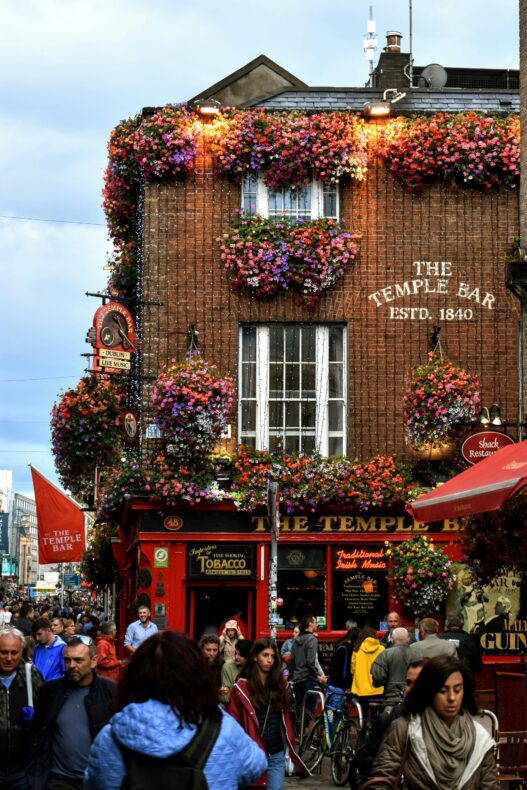
#3 Temple Bar: pubs, live music and winding lanes
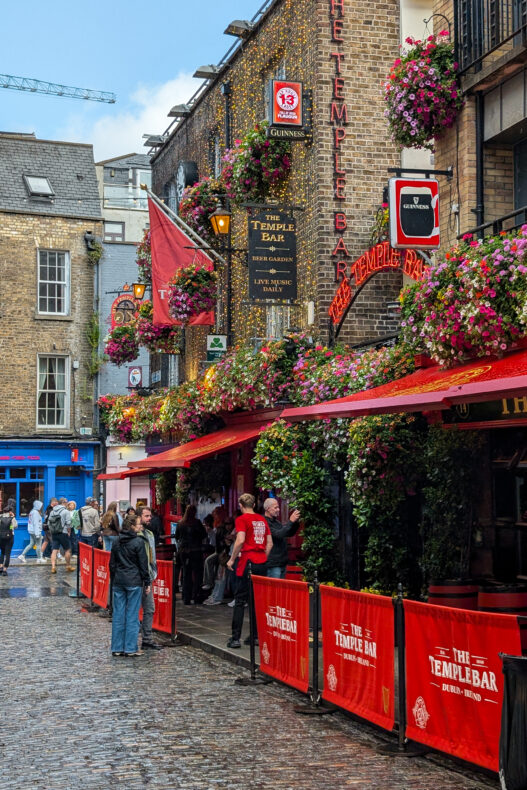
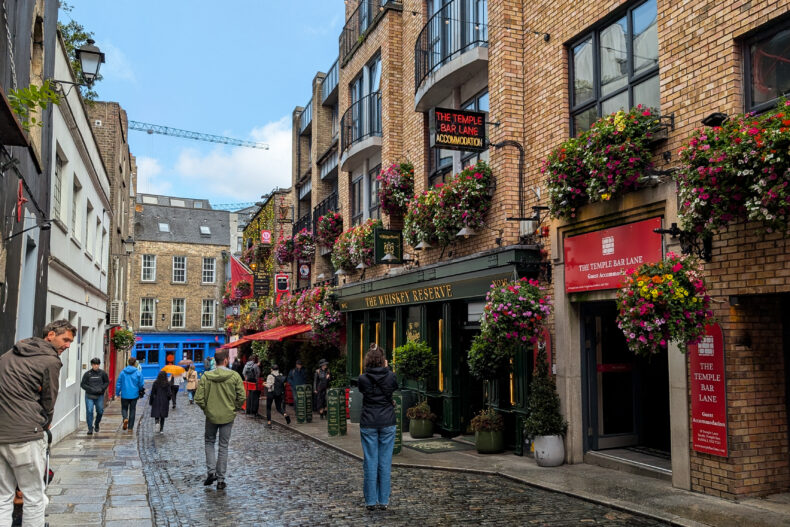
Red facades, flower boxes and swinging pub signs: Temple Bar is Dublin’s best-known nightlife district. By day it’s a maze of cobbled lanes with art shops, small galleries and places to eat. In the evening the whole area turns into one big pub, with live music in many bars, from Irish folk on fiddle and bodhrán to a singer with a guitar.
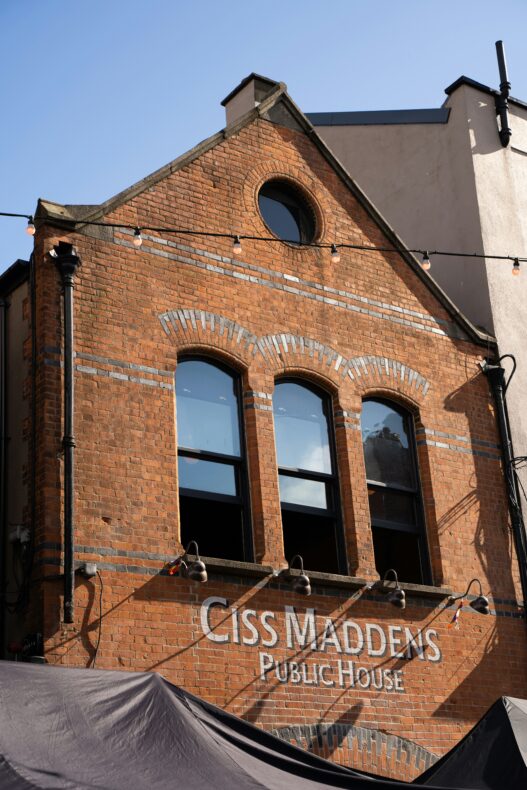
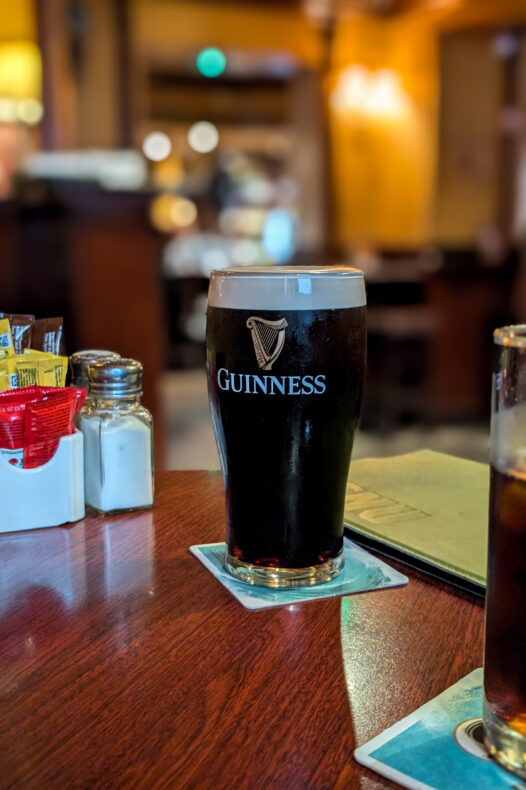
Sebastiaan knew the area from years ago, when he came here with friends for some serious nights out. This time we wandered through with the kids and ate just outside the district, in a pub we’d picked in advance because it had veggie burgers on the menu. It was busy in a good way, there was no live music yet at lunchtime, but the burgers and the Guinness tasted none the worse for it.
Bringing kids is no problem: in the daytime they’re welcome in most Irish pubs, and the menus are full of hearty classics like fish and chips, burgers and Irish stew. Just know that a pint in the famous Temple Bar pub itself costs a lot more than a few streets away. Want the atmosphere without the tourist prices? Walk on to the pubs around South William Street and George’s Street.
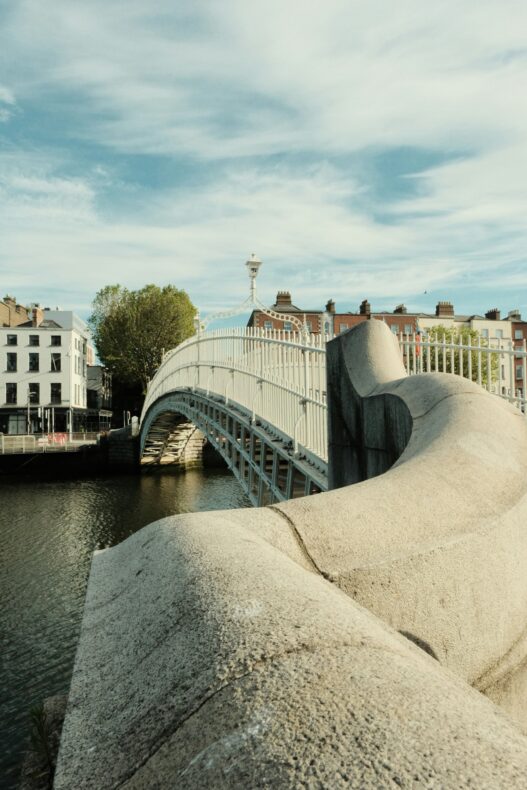
#4 Ha’penny Bridge: the most famous bridge over the Liffey
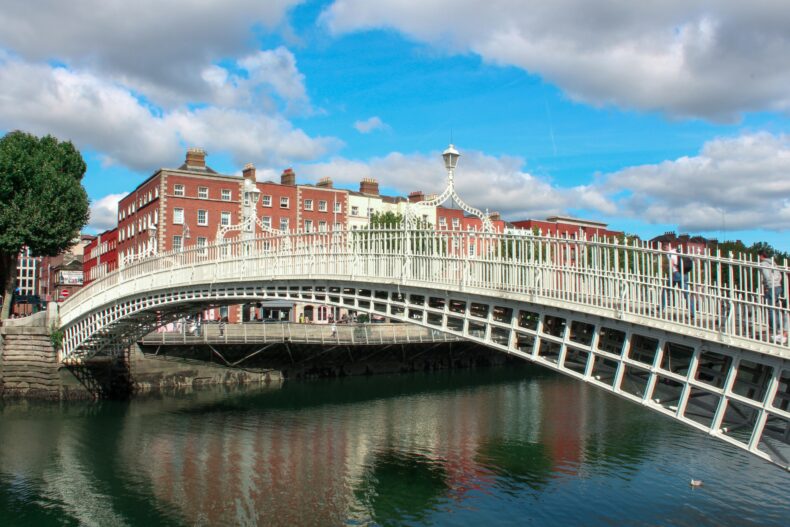
From Temple Bar you’re on the Ha’penny Bridge in no time, the white cast-iron footbridge from 1816 that features on every Dublin postcard. The name comes from the halfpenny toll you once had to pay to cross. It’s a great spot for a photo over the river, especially at sunset when the lamps come on. On the other side starts the north of the city, with Henry Street for shopping and O’Connell Street.
#5 National Museum of Ireland Archaeology: gold, Vikings and bog bodies
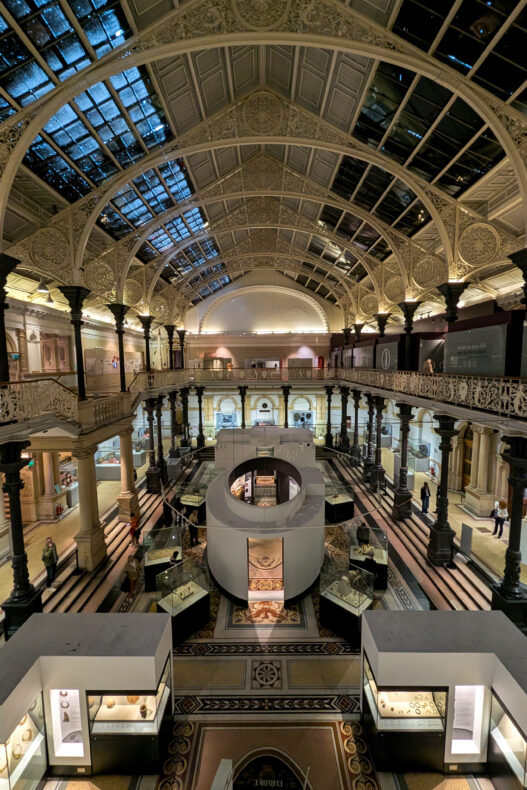
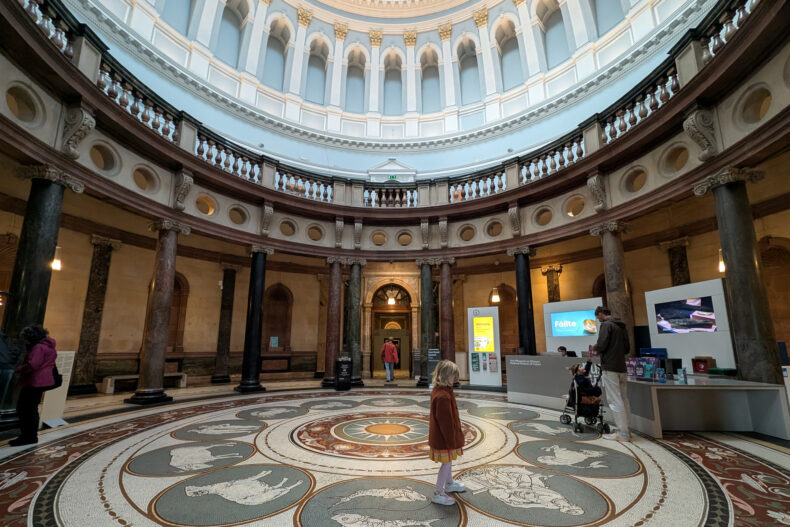
Even if history isn’t your thing, pop into this museum. The National Museum of Ireland on Kildare Street is housed in a gorgeous nineteenth-century building with a round domed hall, marble columns and mosaic floors. The hall alone is worth it, and entry is free.
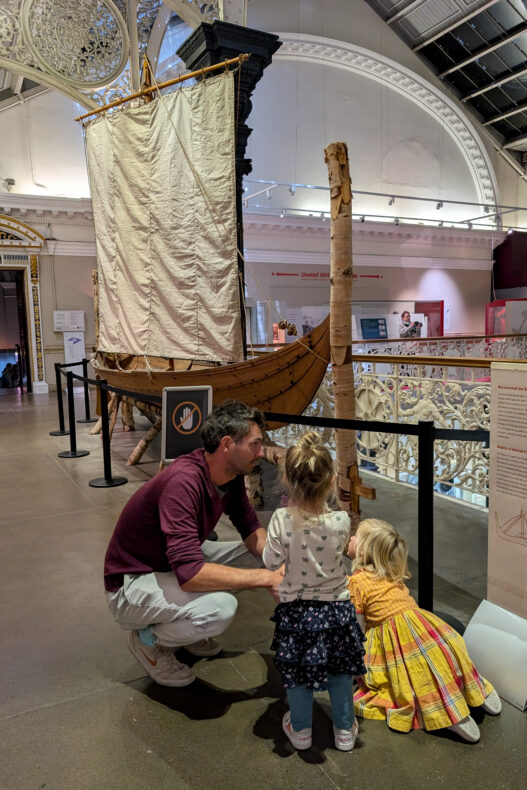
Inside you’ll find a huge collection of prehistoric Bronze Age gold, famous treasures such as the Tara Brooch and the Ardagh Chalice, ancient boats and a whole section on the Vikings who founded Dublin.
The most remarkable (and slightly spooky) part is the bog bodies: people over two thousand years old, preserved in Ireland’s peat bogs complete with skin and nails. We looked at them together with the kids, and they mostly found it fascinating. Our kids love museums anyway, because we tell them lots about what we see along the way. These days they point at the signs themselves and ask us to explain.
More museums on your list? At The Little Museum of Dublin, in a Georgian house on St. Stephen’s Green, guides tell the story of the city in the twentieth century with plenty of humour. And at 14 Henrietta Street you’ll see how dozens of poor families later lived crammed into one grand Georgian house. Two small museums that give you a very different picture of Dublin.
#6 St. Stephen’s Green and Grafton Street: shopping and a breather
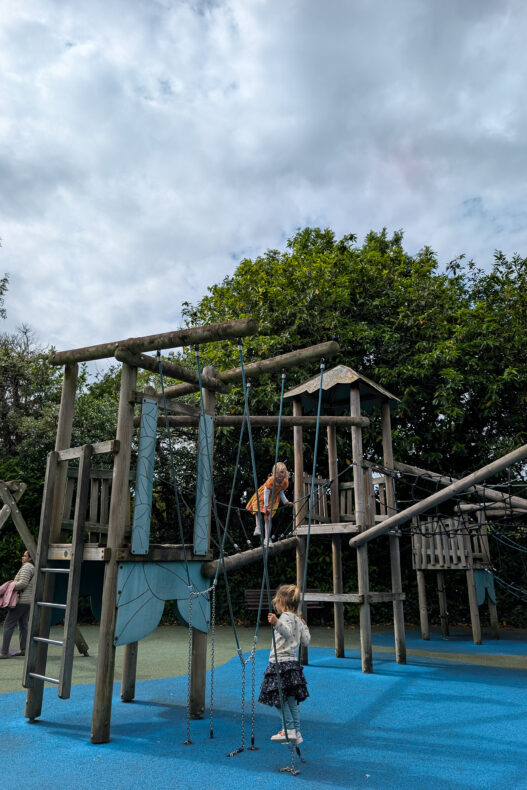
Had enough of museums and churches? St. Stephen’s Green is the place to catch your breath. This Victorian city park has a pond, flower beds, little bridges and a playground. On a sunny day the grass fills up with Dubliners and their sandwiches, so grab a coffee to go and join them.
While Sebastiaan was forging his Irish ring, I brought the kids here. With a playground right in the city centre, this park is worth its weight in gold, and the two hours flew by.
From the north-west corner of the park runs Grafton Street, the city’s best-known shopping street. It’s a car-free street with buskers on almost every corner, the Molly Malone statue at one end and the old Bewley’s tearoom halfway along. Prefer small boutiques and vintage? Duck into the side streets towards the Powerscourt Townhouse Centre and South William Street.
#7 Forge a silver ring: a workshop at Silver Works
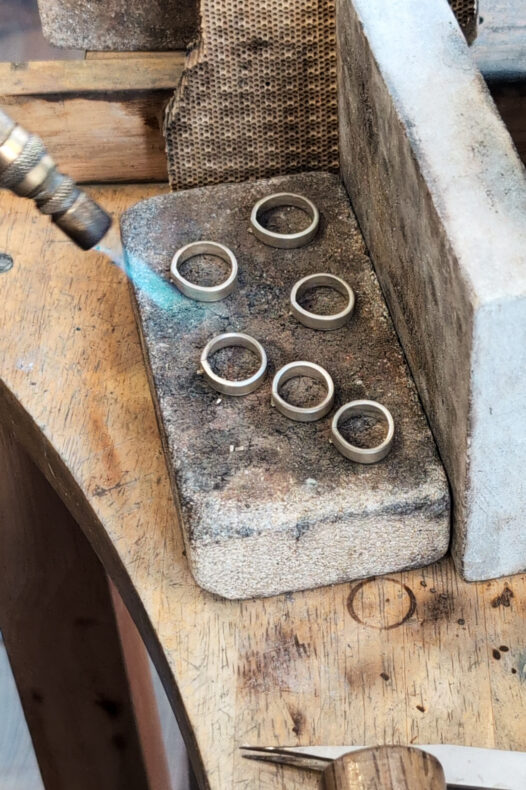
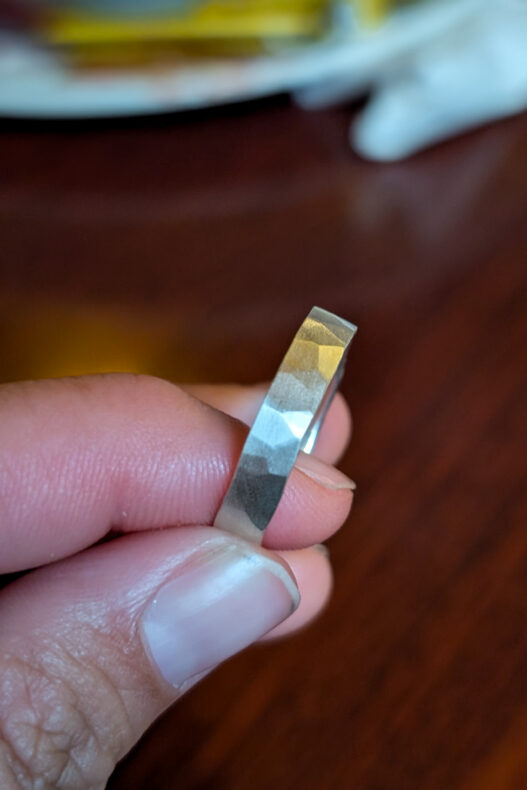
Sawing, hammering, filing and polishing: in a two-hour workshop at Silver Works you make your own ring from sterling silver. We did the workshop in collaboration with GetYourGuide, and it became one of our most treasured moments in Dublin. Guided by a silversmith, you first measure your finger, saw the silver to size and bend it round with a hammer. The tutor solders the ring closed, and then you choose the shape, a texture and the finish yourself.
What we loved most was doing the whole process yourself and seeing it happen. You hammer the silver round with your own hands and then beat your own texture into it. We each chose a different one, so our rings are just that little bit different. What struck us was how well the silversmith explained everything: really simple, yet down to the last detail, so anyone can do it.
Sadly, children under ten can’t take part, so we took turns. While I was at the workbench, Sebastiaan took the kids out on a coffee date, and during his workshop I played with them in St. Stephen’s Green. We’d never had wedding rings, partly because Sebastiaan never liked rings. Now we both wear our silver rings from Dublin as wedding rings, and we couldn’t wish for a better souvenir. The studios are on Drury Street and George’s Street, a few minutes’ walk from Grafton Street, and the workshop is in English.
→ Book the silver ring workshop in Dublin
#8 Merrion Square and the National Gallery: Oscar Wilde and colourful doors
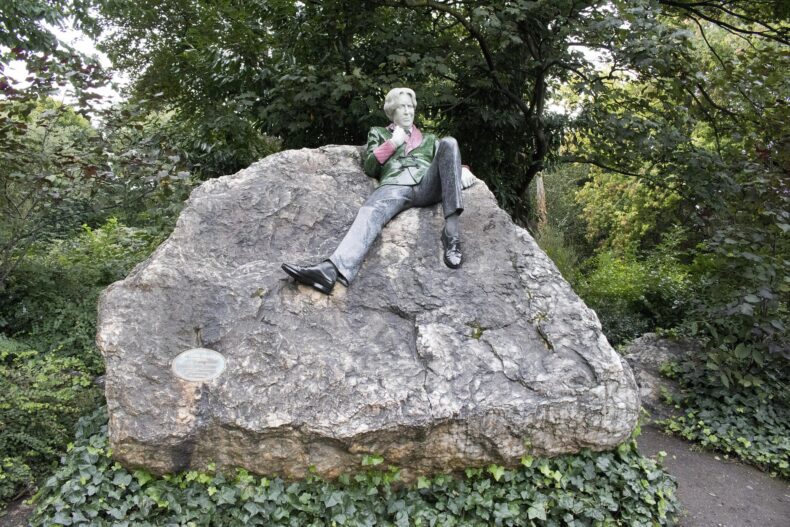
Red, yellow, green and bright blue front doors with brass knockers and fanlights above: around Merrion Square, Dublin is at its most Georgian. The square is lined with stately eighteenth-century terraces, and in the park lies a colourful statue of Oscar Wilde, who grew up just across the road. He lounges casually on a rock, with a smirk you only notice up close.
On the west side of the square is the National Gallery of Ireland, with Irish and European art by the likes of Caravaggio, Vermeer and Jack B. Yeats. The permanent collection is free; you only pay for temporary exhibitions. A great rainy-day plan B, not least because you can be back outside after an hour.
#9 Dublin Castle and the Chester Beatty: a thousand years of power and manuscripts
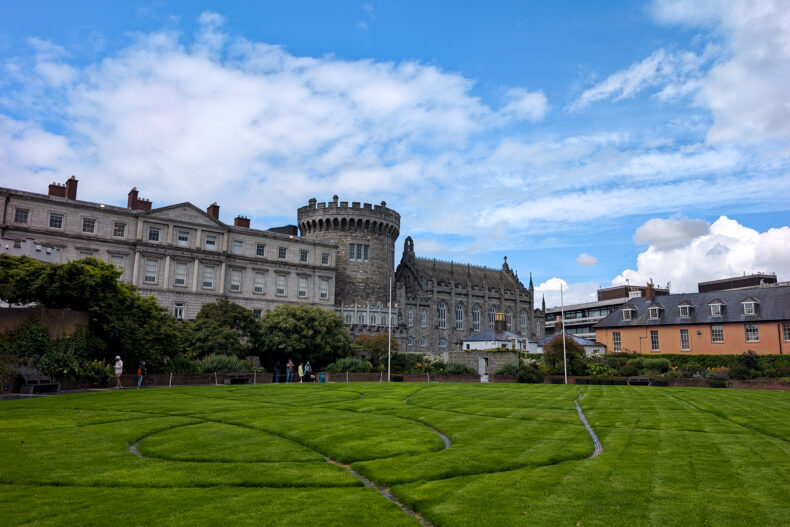
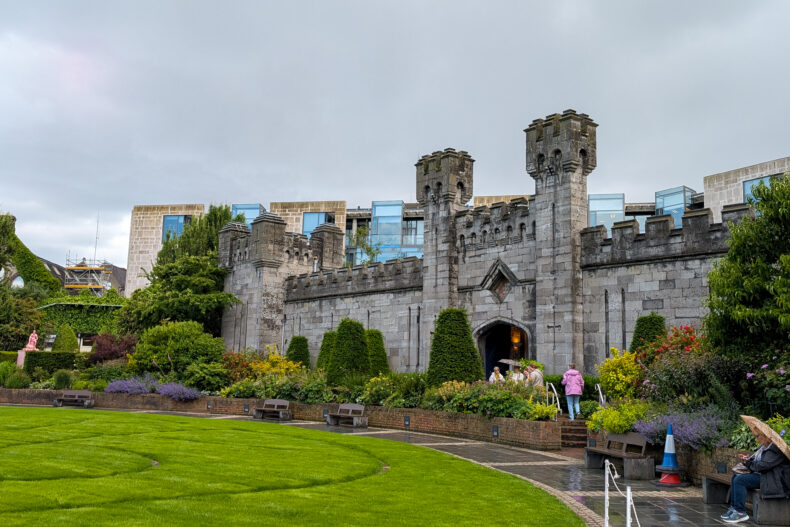
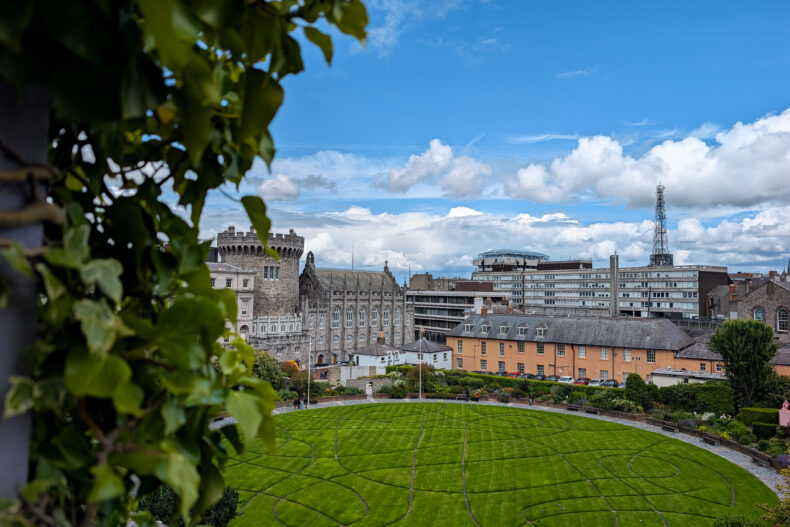
Don’t expect a fairytale castle with turrets. Dublin Castle is a mix of a medieval tower, Georgian wings and a Gothic Revival chapel. For centuries the British ruled Ireland from here, until it was handed over to the new Irish state in 1922. A standard ticket gets you into the State Apartments with the lavish St. Patrick’s Hall; on a guided tour you also go down into the medieval underground.
Also on the castle grounds is the Chester Beatty, a free museum with a world-famous collection of manuscripts, miniatures and art from Asia, the Middle East and Europe. When we visited, there was an exhibition of Japanese scripts on one of the upper floors, and that was free too. We thought it was beautiful, the kids found it a bit boring, so we didn’t stay long. But since it’s all free, it’s always worth popping in for a look. Do head up to the roof terrace for the view over the rooftops, then take a break in the Dubh Linn Gardens behind the museum.
#10 Christ Church Cathedral: the oldest church with the biggest crypt
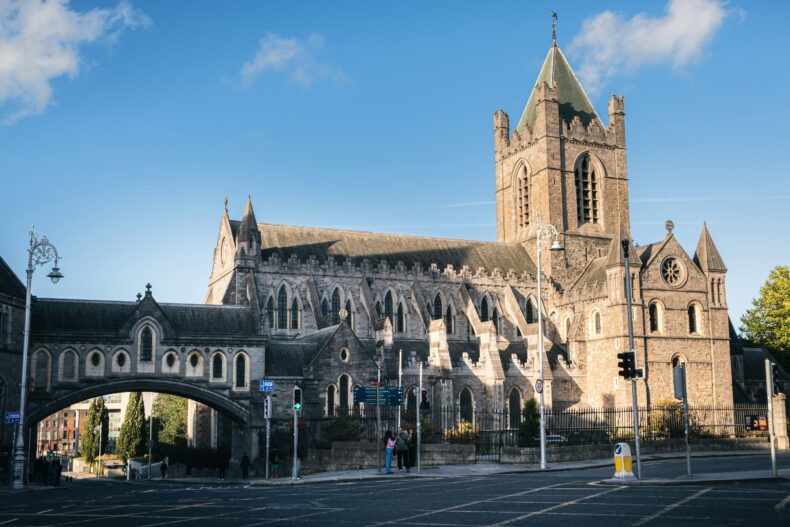
Christ Church Cathedral is the older of Dublin’s two cathedrals and one of the oldest buildings in the city. It was founded by a Viking king and has the largest medieval crypt in Ireland. Down there you’ll find, among other things, a mummified cat and rat that once got stuck in an organ pipe. Perfect for kids who normally find churches boring.
From the cathedral, a covered stone bridge over the street takes you straight into Dublinia, which is housed in the church’s old Synod Hall. A museum attached to a cathedral sounds like an odd combination, but it works. Here you step back into Viking and medieval Dublin: you wander through rebuilt streets, peek inside a Viking house and can dress up. At the end you climb the tower of St. Michael’s Church for a view over the city. Ideal to do on the same morning as the cathedral.
#11 St. Patrick’s Cathedral: Ireland’s largest church
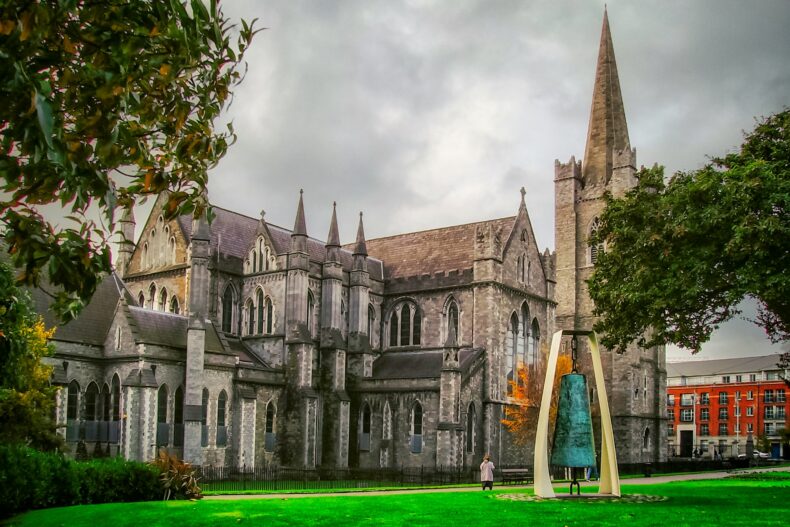
A few minutes’ walk from Christ Church stands the biggest church in the country. Legend has it that St. Patrick himself baptised the first Irish Christians here, at a well next to the church. Inside you’ll find the grave of Jonathan Swift, author of Gulliver’s Travels and once dean of the cathedral, and the Door of Reconciliation, an old wooden door with a rectangular hole in it.
That door comes with a great story. In 1492, members of the Butler family took refuge here from their arch-enemies, the FitzGeralds. Gerald FitzGerald wanted to make peace, so he cut a hole in the door and pushed his arm through to shake hands, risking having it chopped off on the other side. The Butlers took the chance and shook his hand. And that’s how the English phrase ‘chancing your arm’ was born: daring to take a risk.
#12 Guinness Storehouse: a pint with a view
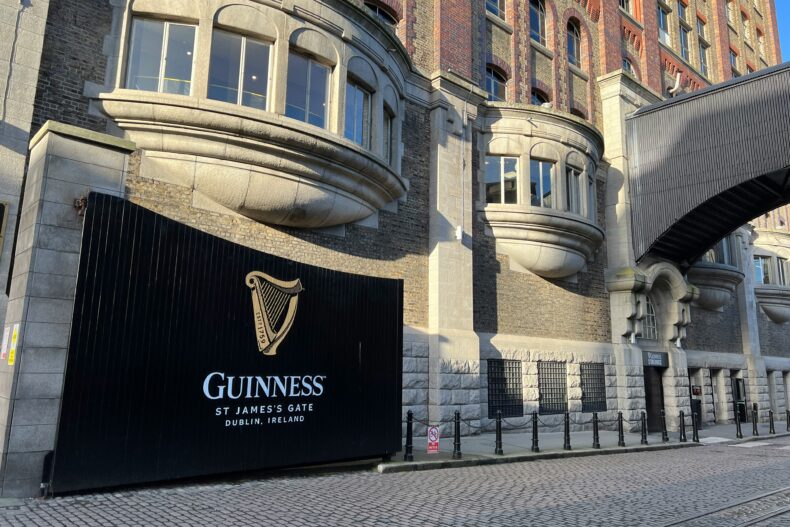
Seven storeys high and shaped like a giant pint glass, the Guinness Storehouse is Ireland’s most visited attraction. You walk at your own pace through an old fermentation plant on the St. James’s Gate brewery site and learn all about water, barley, hops and yeast, the famous adverts and how to pour the perfect pint. The finale is the Gravity Bar on the top floor, with glass walls and a 360-degree view over Dublin’s rooftops.
Children are welcome with an adult and get a soft drink instead of a pint in the Gravity Bar. Your visit is tied to a time slot, so sort out your Guinness Storehouse ticket in good time.
#13 Kilmainham Gaol: the prison that changed Ireland
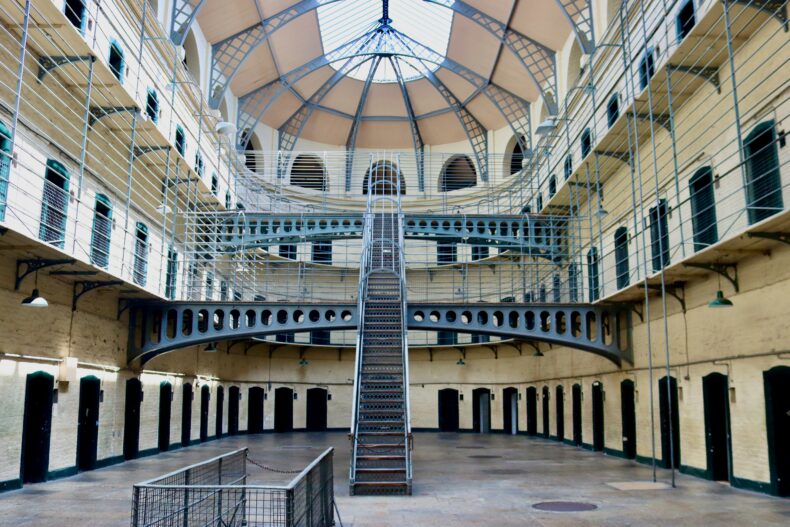
In this grim prison west of the centre, the leaders of the Easter Rising were executed in 1916. Those executions turned public opinion and set Ireland on the road to independence. You can only visit Kilmainham Gaol on a guided tour, past the cells, the chapel and the yard where the executions took place. The Victorian east wing, with its iron staircases and walkways, may look familiar from films.
Tours often book up well in advance. With young kids it’s not one we’d recommend: the gaol advises against the tour for children under six, and pushchairs aren’t allowed.
#14 Jameson Distillery Bow St.: Irish whiskey in Smithfield
More of a whiskey fan than a stout fan? At the old Jameson distillery in Smithfield, where whiskey was made until 1971, a guided tour shows you how Irish whiskey is produced and why it’s usually distilled three times. The tour ends with a tasting, and on the longer version you even make your own blend.
Not keen on the big brands? The Teeling Distillery in The Liberties is a smaller alternative, and they still distil on site.
#15 Phoenix Park: deer and endless space
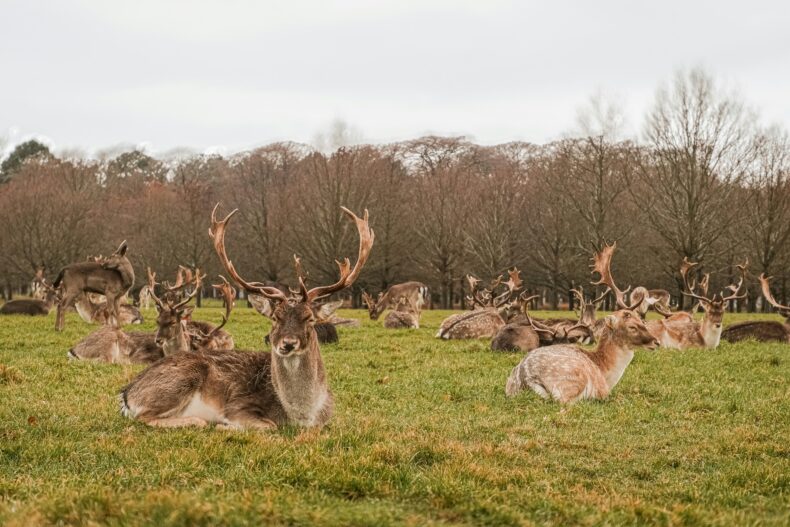
More than twice the size of New York’s Central Park and home to wild fallow deer, Phoenix Park is one of the largest walled city parks in Europe. Hiring a bike is an easy way to explore its vast lawns, monuments and the official residence of the Irish president. The deer usually roam in herds around the central part of the park. Don’t feed them and keep your distance, however tame they seem. Dublin Zoo, one of the oldest zoos in the world, is also in the park.
#16 EPIC and the Famine Memorial: the story of Irish emigration
Why do more than seventy million people around the world have Irish roots? EPIC, the interactive emigration museum in the vaults of the CHQ building in the Docklands, has the answer. You get a ‘passport’ to stamp along the way and discover through screens, sound and games how the Irish spread across the globe and what they achieved there. It’s a hands-on museum, so older kids enjoy it too.
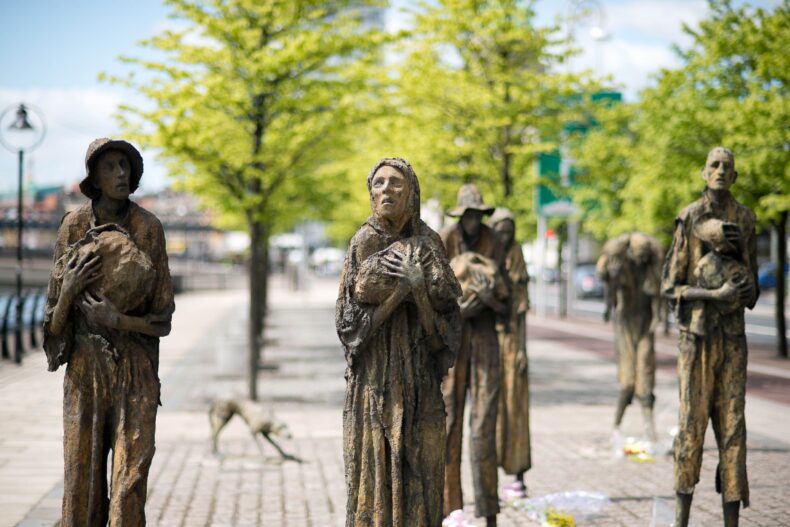
A few hundred metres further, on Custom House Quay, stands the Famine Memorial. Rowan Gillespie’s gaunt bronze figures commemorate the Great Famine of 1845 to 1849, when more than a million Irish people died and another million fled the country. Next to it lies the Jeanie Johnston, a replica of one of the ships that carried emigrants to America. A moving place, especially after a visit to EPIC.
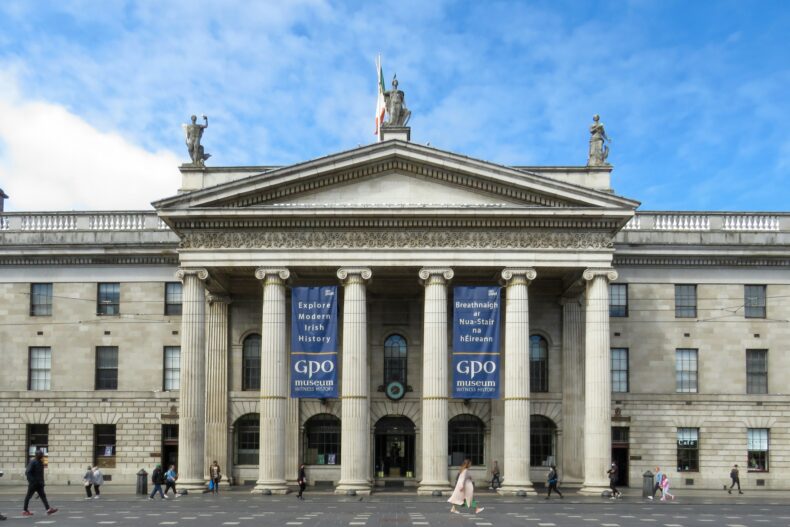
#17 The GPO and O’Connell Street: at the heart of the Easter Rising
Halfway along O’Connell Street, the broad main street north of the Liffey, stands one of Ireland’s most important buildings. In 1916 the General Post Office was the rebels’ headquarters during the Easter Rising. The Irish Republic was proclaimed from its steps, and you can still see the bullet holes from the fighting in its columns.
At the GPO Witness History museum you relive those days up close, through the stories of rebels, soldiers and ordinary Dubliners caught up in it all. If you want to really understand Ireland, this is a good place to start. It also pairs well with Kilmainham Gaol, where the story of the Rising ended.
Outside, the Spire pierces the sky at 120 metres, a steel needle that locals have given all sorts of nicknames. Lots of buses stop on or around O’Connell Street, so chances are you’ll pass by anyway.
#18 Howth: a day out to the cliffs on the DART
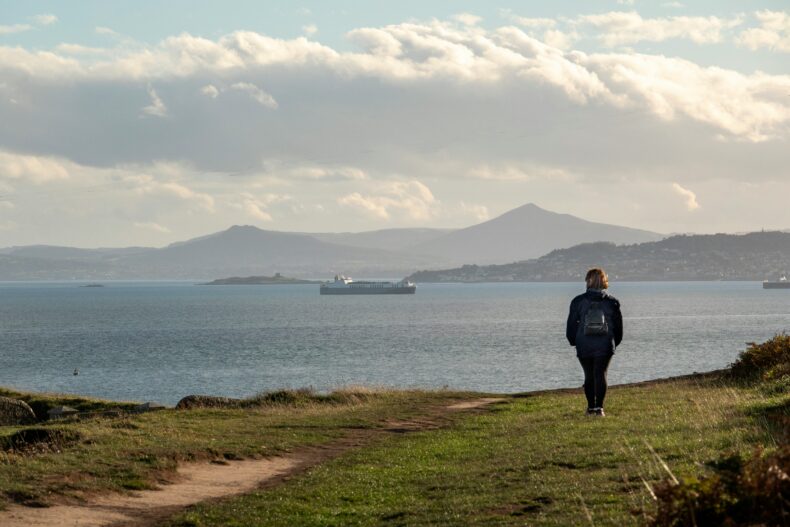
Fancy some sea air after all that city? Howth is the best day out from Dublin. Set aside half a day, or even a whole one. The DART coastal train takes about half an hour from Connolly station to this fishing village on a peninsula north-east of Dublin. From the station you walk along the harbour, where seals often swim around the fishing boats, then up a steep climb to the cliff path. There are several loop walks of two to three hours, with views over Dublin Bay and the Baily Lighthouse.
In places the path runs close to the edge and isn’t always even, so keep little ones close. End your day with fish and chips or fresh seafood at one of the restaurants on the pier.
#19 Malahide Castle: a castle with gardens by the coast
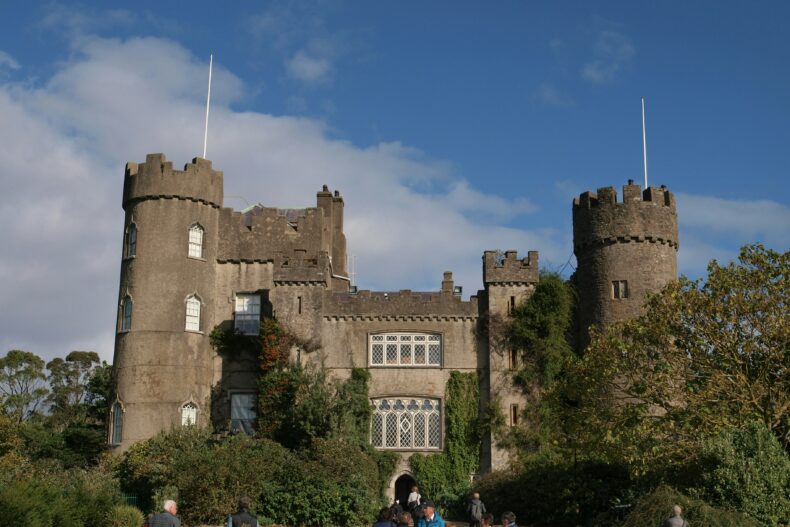
Also north of the city, but on a different branch of the DART, lies the seaside village of Malahide. This is home to Malahide Castle, where the Talbot family lived for almost eight hundred years, set in a large park with walled gardens. You visit the castle on a guided tour of its old rooms, and the park has plenty of space and a playground for the kids.
From Connolly station it takes about half an hour. After the castle you can stroll into the village, with its marina and a handful of cafés and shops. A relaxed day out, and a good alternative to Howth if you prefer gardens to cliffs.
#20 Glendalough: a day trip to the Wicklow Mountains
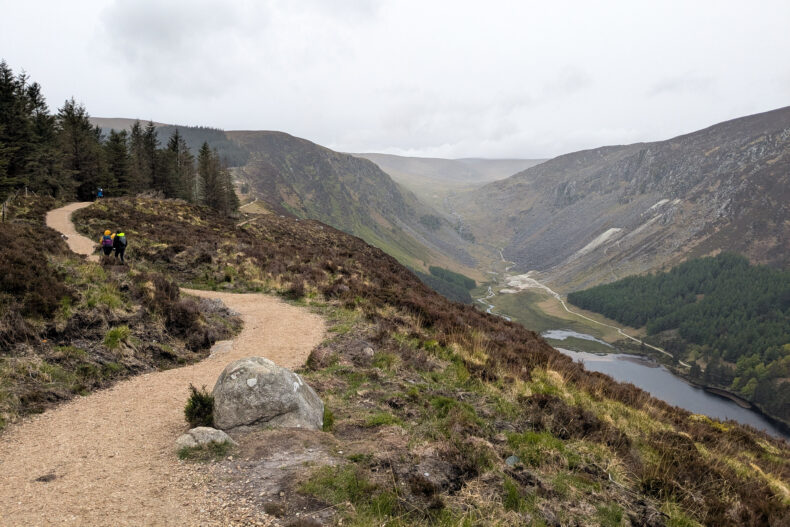
If you want one day in the mountains, Glendalough is the day trip we’d recommend above all others. The valley in the Wicklow Mountains is about an hour’s drive south of Dublin and known for its two lakes and the remains of an early medieval monastery founded by St. Kevin. Its round tower, over thirty metres tall, rises above the trees from far away.
We came here at the start of our road trip and had better luck with the weather than forecast. First we walked the flat path along the lakes together, all the way to the old miners’ village at the end of the Upper Lake and back. Then Sebastiaan headed up the mountain on his own and came back with a phone full of photos of the views over both lakes. We finished together at the old cathedral and the graveyard among the monastic ruins.
Without a car, you can take St Kevin’s Bus, which leaves from St. Stephen’s Green and takes just over an hour. Glendalough is also one of the highlights of our guide to the most beautiful places on the whole island.
→ Discover the 20 most beautiful places in Ireland
Our tip for one day in Dublin
Only got one day? Start the morning at Trinity College with the Book of Kells and the Long Room, then walk via the National Museum on Kildare Street to Merrion Square and its colourful front doors. Have lunch in one of the pubs around South William Street and wander down Grafton Street to St. Stephen’s Green.
In the afternoon, head to Dublin Castle and the Chester Beatty for the manuscripts and the view from the roof terrace, then carry on to Christ Church Cathedral. End the day in Temple Bar with live music and a pint, and cross the Ha’penny Bridge at sunset. More into gardens than streets? Swap the morning for the glasshouses of the Botanic Gardens.
More tips for your trip to Dublin
 Our pickStill looking? Browse all hotels in Dublin on Booking
 Heading beyond Dublin? Rent a car with Discover Cars and compare the big rental companies in one go.
 Fancy doing it by camper, like we did? Rent a campervan with Campervan Planet and wake up by the sea.
 No flight yet? Compare flights to Dublin.
 Discover all our blogs about Ireland