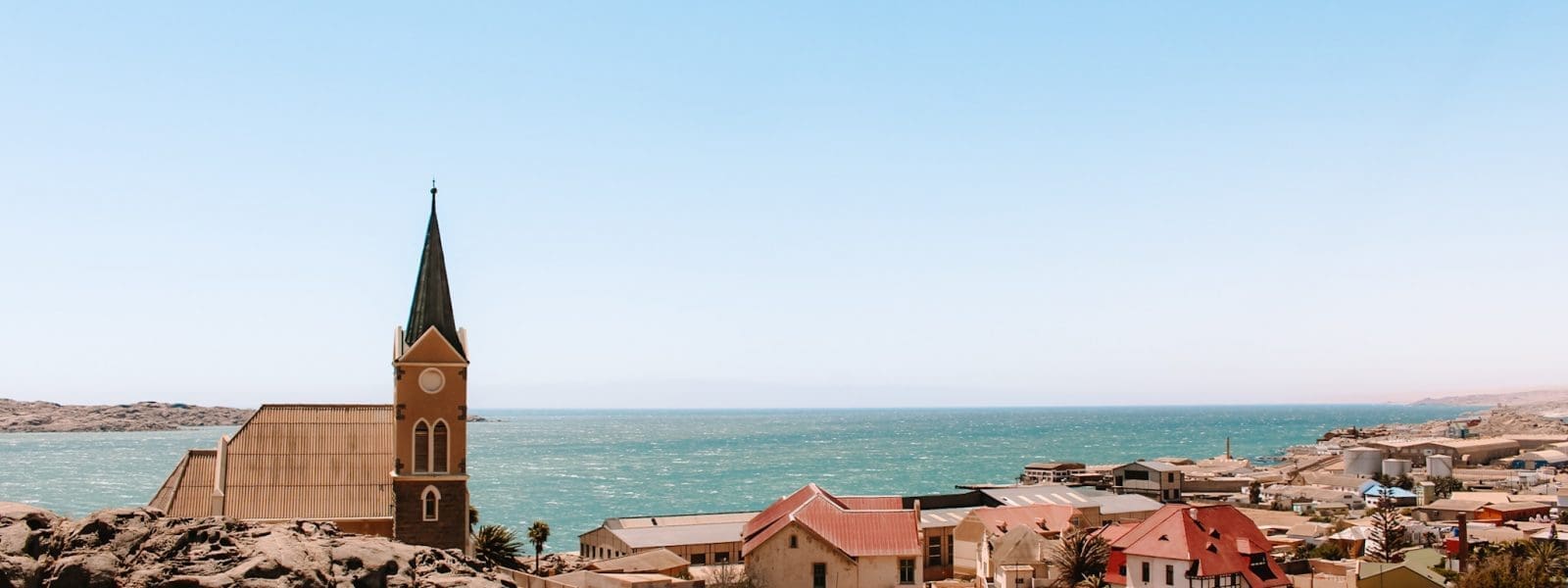
Most travellers exploring Namibia head straight for the well-known highlights like Etosha, Sossusvlei, or the coastal stretch near Swakopmund. But if you travel a bit further south, you’ll discover a place that feels completely different: Lüderitz. This remote coastal town is tucked between the desert and the ocean, in a landscape where nothing seems to make sense. German Art Nouveau buildings, traces of colonial history, abandoned ghost towns, and wild, untamed nature all blend together in a setting that feels almost surreal.
Lüderitz feels like a forgotten town at the edge of the world, and that’s exactly what makes it so fascinating. From penguins and diamonds to quiet streets and rusted lighthouses, the atmosphere here is unlike anywhere else in Namibia. Many travellers pass it by because it’s not exactly on the main route, but believe us, the detour is more than worth it. In this blog, you’ll find out what you really shouldn’t miss in and around Lüderitz.

How Do You Get to Lüderitz?
Lüderitz is quite literally in the middle of nowhere. If you look at a map of southern Namibia, you’ll spot a single road leading from Aus to the coast. That’s the B4. There are no towns along the way, no fuel stations, no shops. Just a stretch of road cutting through the desert, with the occasional wild animal crossing your path.
The distance between Aus and Lüderitz is about 125 kilometres. The B4 is a smooth and straightforward drive, so you can cover it in just over an hour. But as you get closer to the coast, keep your eyes open. The wind can be strong and often blows sand across the road. It’s not unusual for parts of the asphalt to vanish beneath drifting dunes.
Public transport exists, but only just, and it’s far from convenient. Most of the main sights are outside the centre of town, so without your own car, you’ll be stuck. Driving yourself really is the only option. Stick to the B4 and don’t forget to bring water, snacks, and a full tank of fuel. It may be a long and lonely road, but it’s a beautiful one too.

The Diamond History of Lüderitz
Lüderitz was the first place in Namibia where the Germans established a settlement. The town was named after Adolf Lüderitz, a merchant from Bremen who, in 1883, bought a stretch of coastline from a local Nama leader. His goal was to start a trading post in a region that no one else seemed interested in. It was dry, remote, and scorching hot, but that also meant it was still untouched by colonial powers. Lüderitz asked the German Empire for protection, and this marked the beginning of German influence in Namibia.
For a long time, not much happened. Then, in 1908, a railway worker came across a diamond lying on the surface of the sand. It wasn’t just a lucky find. There were many more. What followed was a full-blown diamond rush, and the Germans quickly sealed off the entire area around Lüderitz. It was declared a restricted zone, known as the Sperrgebiet, and it remains that way today. You can only enter with a special permit.
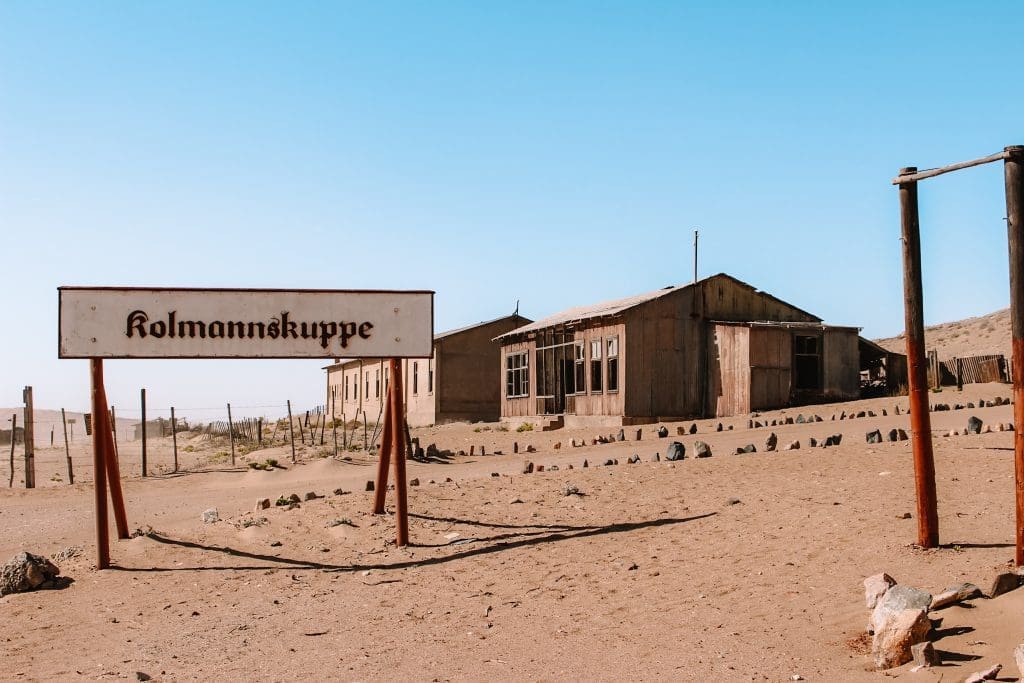
The discovery of diamonds brought sudden wealth to Lüderitz. About ten kilometres outside the town, a completely new village was built for the miners and their families: Kolmanskop. With its own hospital, school, bowling alley, ice factory, and even electricity, it was more advanced than many towns in Germany at the time. But the boom was short-lived. When even richer diamond fields were found further south, the people left, and the desert slowly took over the village near Lüderitz.
Diamonds are still mined today, but now mostly from the sea. Over the years, strong winds carried many stones toward the ocean, and they now rest on the seabed. Instead of fishing boats, you’ll see ships searching the ocean floor for diamonds. It’s still a remarkable place, where desert, ocean, and colonial history come together in a way that feels both strange and fascinating.


Overnight Stay in Lüderitz
Planning to visit Lüderitz in just one day? It’s doable, but it would be a pity. The town is quite remote, and the drive from Aus alone takes at least an hour and a half. If you also want to explore Kolmanskop, drive around part of the peninsula, and stop at Diaz Point, you’ll find yourself short on time. And that’s without even seeing the penguins, the seals, or the pink lake.
Staying for two nights is a much better idea. This gives you a full day to discover the area at a relaxed pace, with time to soak in the atmosphere. You’ll find places to stay for every budget, from welcoming guesthouses in the centre to sea-view rooms on the coast.
#1 Lüderitz Nest Hotel is located right on the waterfront and may offer the best views in town. You’ll stay in spacious rooms facing the ocean, with direct access to the jetty. The hotel also has a swimming pool, a sauna, and a restaurant serving fresh seafood.
#2 Kairos Cottage B&B sits by the water and immediately feels warm and welcoming. The rooms are light and spacious, and breakfast on the terrace is a lovely way to begin your day. Guests often praise the calm setting and the personal service.
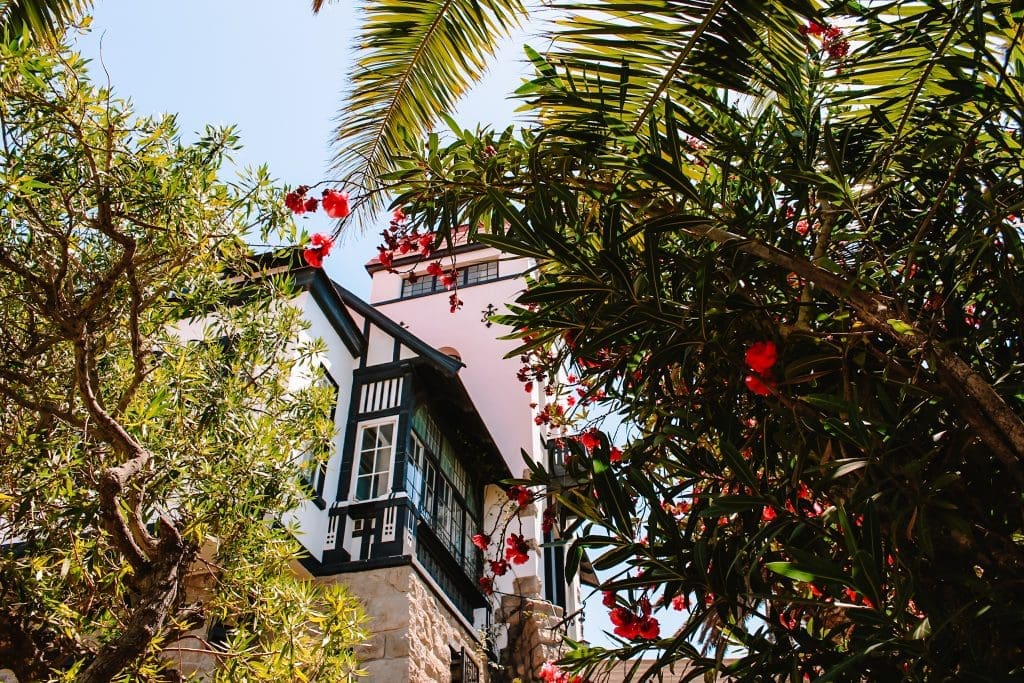
#3 Alte Villa Boutique Hotel is housed in a charming and colourful villa just outside the town centre. The rooms are tastefully decorated, and the garden is a peaceful spot to relax. It feels like staying in a small, stylish hotel full of character and thoughtful details.
#4 Island Cottage Guesthouse is set just outside the town centre, right on the edge of the sea. Each room has its own entrance and private terrace, offering plenty of privacy. The atmosphere is calm and quiet, yet the centre is only a few minutes away if you’re in the mood for a meal or a drink.
#5 Obelix Guesthouse is located in the heart of Lüderitz and is a solid choice for travellers on a smaller budget. The rooms are basic but clean, and there’s a friendly pub next door where you can enjoy a bite to eat or a cold beer. Everything you need is just a short walk away.
Tourist Map of Lüderitz
Best Things to Do in Lüderitz
At first glance, Lüderitz might seem a little sleepy, but don’t let appearances fool you. From this quiet coastal town, you can easily reach two of Namibia’s best sights: the Peninsula and the ghost town of Kolmanskop. With two or three days in Lüderitz, you’ll have more than enough time to explore these highlights and still enjoy everything else the town has to offer. Below are the must-see spots you won’t want to miss during your stay.
#1 Art Nouveau architecture: Kreplinhaus, Glück Auf, Deutsche Afrika Bank and the old train station
Lüderitz is home to a surprising collection of colonial-era buildings that feel as if they’ve been transported from a small German village. Start at the Deutsche Afrika Bank, built in 1907. This elegant structure is known for its clean lines and decorative details, and it once served as the financial centre of the town during the peak of the diamond rush. Just next to it is Glück Auf, a house originally built for a lawyer involved in the mining industry. Its name comes from an old German miner’s greeting, and its white façade and small turrets make it stand out.
A little further along is the Kreplinhaus, built in 1909. This was the residence of Lüderitz’s first mayor, Emil Kreplin. The house is perfectly symmetrical, well maintained, and still full of charm. Lastly, there’s the old train station from 1904. While trains haven’t run here in many years, the building remains a proud reminder of the past. Together, these buildings create a kind of open-air museum showcasing colonial architecture. A short walk through town to admire them is simple to do and definitely worth your time.
#2 Goerke House
This is the most beautiful house in Lüderitz. No question about it. Goerke House was built between 1909 and 1911 for Hans Goerke, a high-ranking inspector in the diamond industry. He chose a rocky hill just outside the town centre to build his villa, designed entirely in Jugendstil. Think flowing lines, stained glass windows, graceful staircases, and a turret with sweeping views of the sea. Architect Otto Ertl created the design with one goal in mind: to make a lasting impression.
Goerke didn’t live there for long. Just a few years after it was finished, he returned to Germany. Over time, the house was used for different purposes, including as government offices and later as the headquarters of the diamond company Namdeb. In the 1980s, the building was carefully restored by the company. These days, you can visit during limited opening hours in the afternoon. Inside, you’ll see original furniture and old photographs that give you a glimpse into how the elite once lived. Even if you don’t go inside, the view from the hill is worth the visit on its own.
#3 Kolmanskop
Just outside Lüderitz, tucked between the sand dunes, lies Kolmanskop, a deserted diamond town slowly being reclaimed by the desert. It all started in 1908, when a railway worker happened to find a diamond glinting in the sand. Almost overnight, the area transformed into one of the wealthiest spots on the continent. German settlers poured in, bringing with them elegant villas, a bowling alley, a hospital, a school, and even an ice factory. Everything you’d expect in a modern town was built here, right in the heart of the desert.
But the boom was short-lived. In the 1930s, even larger diamond fields were found further south, and Kolmanskop quickly emptied out. By 1956, the last resident had moved away. Today, only the buildings remain, slowly filling with sand, where dunes now reach the window frames. The ghost town is open from 08:00 to 13:00. Guided tours begin at 09:30 and 11:00, and it’s worth arriving early to enjoy the calm and soft morning light. If you want to capture the town at sunrise or sunset, you’ll need a photo permit, available the day before. Kolmanskop might just be the most photogenic place in all of Namibia.

#4 Lüderitz Peninsula / Tsau Khaeb National Park
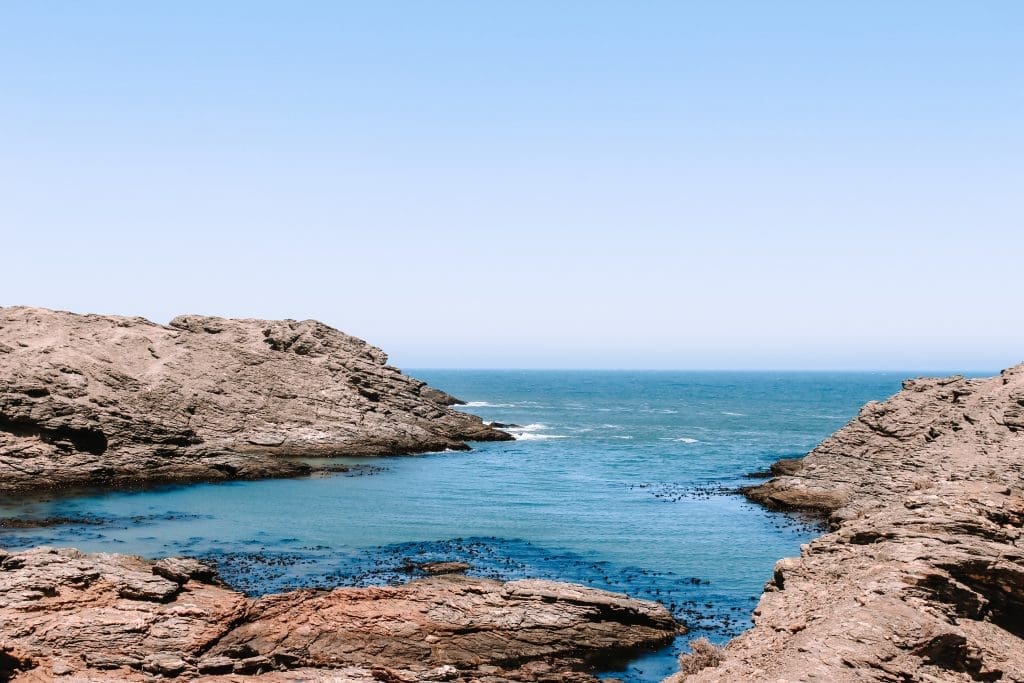
As soon as you leave Lüderitz and head towards the peninsula, it feels like stepping into another world. The town disappears behind you, and with it, all signs of civilisation. What stretches out ahead are barren plains, dusty sand tracks, and an endless horizon. This is the western tip of Tsau Khaeb National Park, formerly known as the Sperrgebiet. For years, it was a closed-off diamond mining area, and entry was only allowed with special permission. You can still feel that sense of isolation in the landscape, which remains wild, empty, and untouched.
A normal car won’t get you far out here. Most of the tracks are sandy and uneven, so a 4WD is not just helpful, it’s essential. Along the way, you’ll come across vivid pink salt pans, hidden bays, and surreal rock formations shaped by the wind. Flamingos, jackals, and even penguins can sometimes be seen along the coast. You won’t find signs, traffic, or phone signal out here. What you will find is complete silence, breathtaking views, and the rare feeling of having the world all to yourself.
5 The Pink Salt Lake
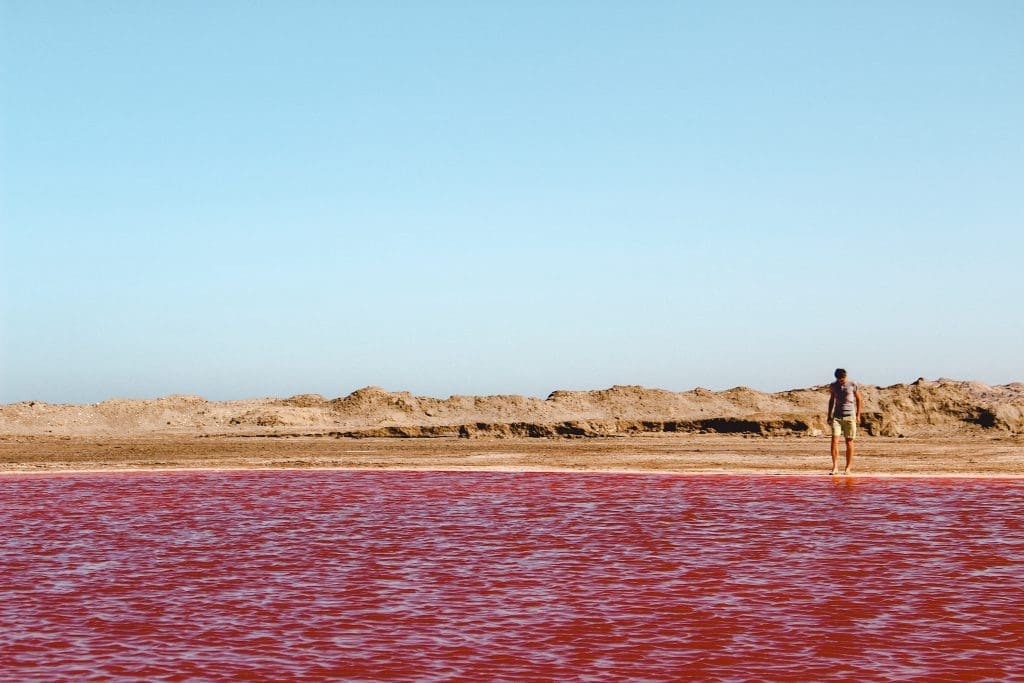
Just outside Lüderitz, before you reach the peninsula, there’s a small salt lake that turns a vivid pink when conditions are right. You’ll find it along the roadside at the wide bend just before the peninsula begins. Most people drive right past it, but it’s worth pulling over for a quick stop.
The colour comes from a combination of high salt levels, strong sunlight, and tiny microorganisms that produce a pink pigment. On sunny days, the water can look almost fluorescent. The exact shade shifts with the seasons, the weather, and sometimes even from hour to hour. The lake sits right next to the sandy road, so it’s easy to reach.
There’s no need for a hike or a guided tour. Just pull over, step out, and enjoy the view. You might even see salt crystals sparkling along the shoreline. It’s a surprising burst of colour in an otherwise dry and rocky landscape.
#6 Diaz Point & Lighthouse
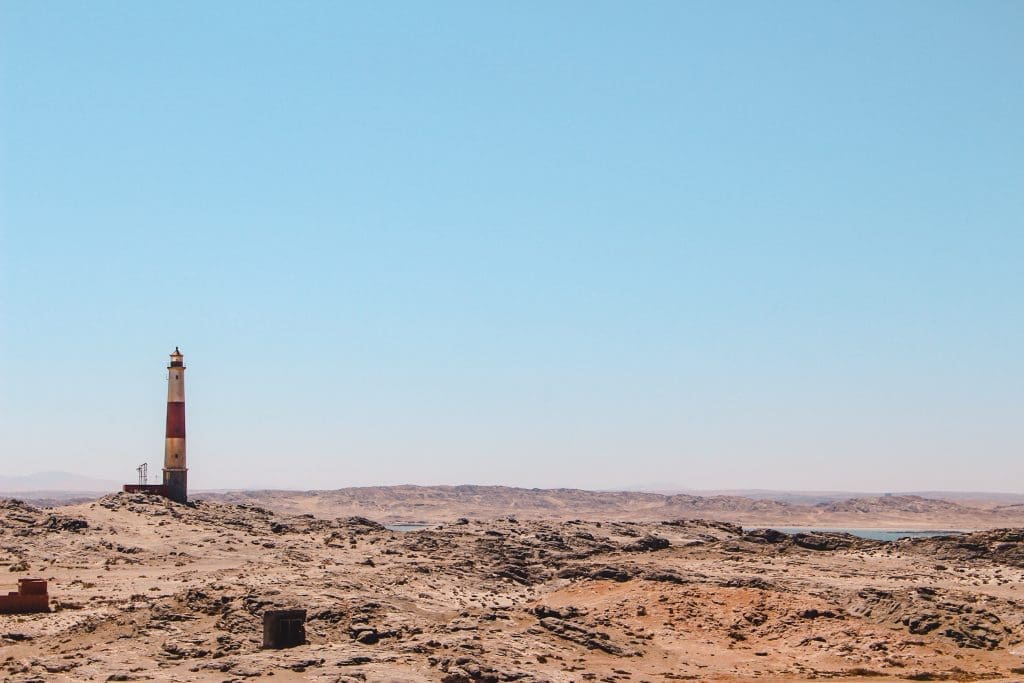
At the far end of the peninsula lies Diaz Point, a spot where the wind is almost always blowing. In 1488, Portuguese explorer Bartolomeu Dias landed here, and a stone cross still marks the place where he came ashore. The original was lost long ago, but a replica now stands proudly on the rocks as a tribute to that moment. The views are spectacular: a wild ocean, dark jagged rocks, and powerful waves crashing against the shore.
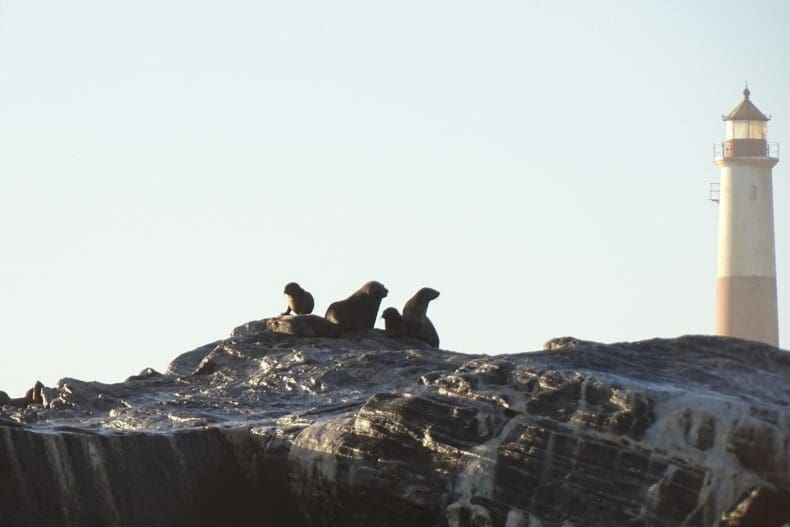
Next to the cross stands a lighthouse, and a narrow wooden bridge leads to a lookout point. From there, you can see Halifax Island in the distance, home to a colony of penguins. Around Diaz Point, you’ll often spot flamingos and seabirds in a nearby bay. There’s also a small coffee stand with wooden benches where you can sit back and enjoy the sea view.
#7 Penguins & Halifax Island
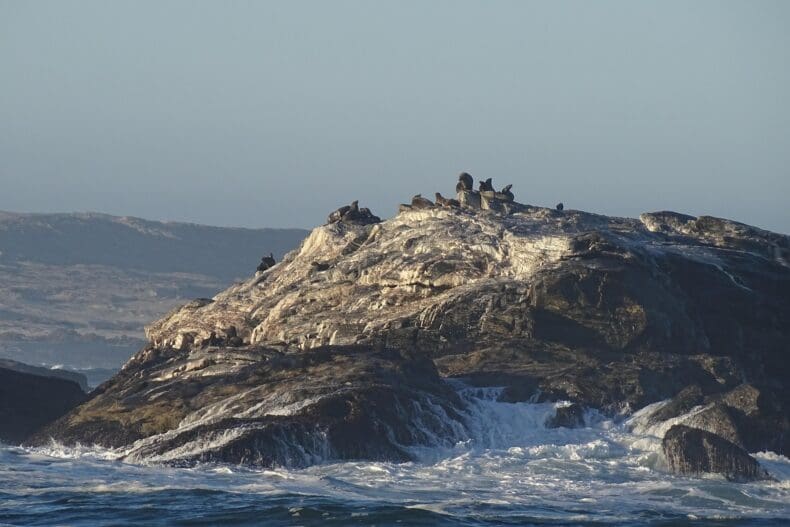
Penguins in the desert? Yes, really. Just off the coast of Lüderitz lies Halifax Island, a rocky island that is home to a colony of African penguins. The island is protected and not open to visitors, but from Diaz Point, you can often spot the black-and-white figures waddling about if you have a good pair of binoculars. For a closer view, hop on a boat tour from the harbour.
These tours usually last a few hours and take you along the dramatic coastline. You’re almost certain to see Cape fur seals basking on the rocks or swimming curiously around the boat. Dolphins often join in too, and during the right season, you might even spot whales. The guides know the area well and will point out exactly where to look.
The penguins tend to stick close to the rocks, nesting there and cooling off in the surf. Halifax Island is part of a marine protected area, so going ashore is not allowed. A zoom lens or binoculars definitely comes in handy. This is one of the few places in Namibia where you can experience such a wide range of sea life from up close.

#8 Agate Beach
Just outside Lüderitz lies Agate Beach, a wide and quiet stretch of sand where you’ll hardly ever see another person. There are no cafés, no sun loungers, just the wind, the ocean, and endless sand. Still, it’s a great place to breathe in the salty air and let your thoughts wander. The beach gets its name from the small agate stones that sometimes wash ashore. You’ll need a bit of luck, but if you look carefully, you might spot one sparkling among the grains of sand.
At the edge of the beach, there are picnic tables and braai areas, just like in many places throughout Namibia. Be sure to bring your own food and drinks, as there’s nothing nearby. Swimming is possible, but don’t expect tropical conditions. The water is cold, often choppy, and better suited to a refreshing dip than a full day by the sea. If it’s space and silence you’re after, this is the spot. Around sunset, the golden light transforms the beach into a glowing, picture-perfect scene.
#9 Shark Island
Shark Island lies on the edge of Lüderitz and, at first glance, looks like a peaceful peninsula with calm sea views. But look a little closer, and you’ll discover one of the most deeply moving places in Namibia. In the early twentieth century, German colonists used this island as a concentration camp for the local population. Thousands of Herero and Nama people were held here under brutal conditions. Many never made it out. Today, there’s almost nothing to show what took place. No signs, no memorials, just a windswept plain and a heavy silence.
Even so, it’s worth taking the time to walk around. The views over the bay are striking, especially in the golden light of sunset. You can see Halifax Island in the distance, and on clear days, even spot the lighthouse at Diaz Point. There’s a basic campsite on the island where you can spend the night, although you’ll need to be ready for strong winds. Whether you’re interested in history or simply want a quiet place to reflect, Shark Island leaves a lasting impression.
#10 Lüderitz Museum & Namibia Maritime Museum
Tucked away in a quiet side street near the centre of town, the Lüderitz Museum is a small but fascinating place that helps you make sense of everything you’ve seen outside. It offers a closer look at German colonisation, the rise of the diamond industry, and what everyday life was like in Lüderitz around 1900. Inside, you’ll find a collection of old photographs, fossils, taxidermy, and household items from both German settlers and the local Nama communities.
Just a bit further along the road, in a modern new building, you’ll come across the Namibia Maritime Museum. Open since 2024, this museum is all about the sea and the history of seafaring in the area. Expect model ships, shipwreck remains, old maps, and stories about the fishermen who once worked these waters. Both museums are small and easy to explore, but together they offer a full and engaging picture of the past. They’re perfect if you’re looking to learn more after days of sand, wind, and wide-open views – or if you just want a cool, quiet place to step out of the sun.
#11 Bogenfels Arch & Grosse Bucht
If you really want to feel like you’ve reached the end of the world, a trip to Bogenfels and Grosse Bucht is an unforgettable experience. You can’t just head there on your own. This area is part of the former Sperrgebiet and is only accessible with a guide and a special permit. Tours usually depart early from Lüderitz and take you deep into the national park, along sandy tracks that wind through a vast and empty landscape. No traffic, no phone signal, and not another person in sight.
After a few hours of driving, Bogenfels suddenly comes into view. A towering limestone arch, sixty metres high, stretching over the ocean like a natural bridge. The waves crash against the rocks below while you stand and take in this surreal and dramatic sight. A little further along the coast lies Grosse Bucht, a deserted seaside village once used for fishing and mining. These days, only a few collapsing buildings and rusted remains are left behind.
On the way there, you’ll pass old railway lines, rusty water pumps, and dusty barracks that still echo the days of the diamond rush. It feels like travelling through a forgotten outdoor museum. For those looking for raw adventure and remote beauty, this is the perfect place. Make sure to bring your camera, and pack extra water too, because you’ll be completely off the grid.
#12 Wild Horses near Aus
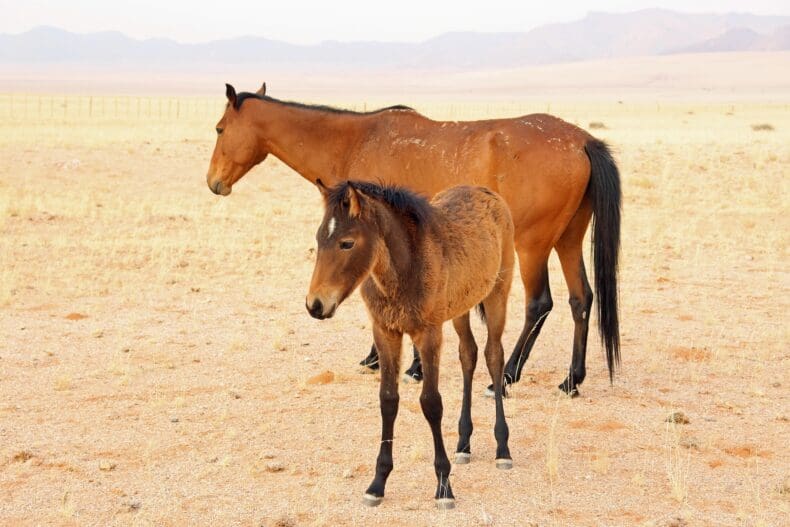
Driving between Lüderitz and Aus, you might spot something truly unexpected: wild horses wandering through the desert. They’ve lived here for generations, right in the middle of a dry and rugged landscape where you’d never imagine seeing them. No one knows for sure how they ended up here, but most stories trace their roots back to military horses left behind during the German colonial era or the First World War.
The best place to see them is at Garub, a waterhole around 20 kilometres from Aus. There’s a simple shelter overlooking the spot, offering a clear view of where the horses often gather to drink. They tend to arrive in small groups, especially early in the morning or toward the end of the day. These horses survive completely on their own, without fences or human care, and seem to thrive in the intense heat and dry conditions.
Stopping here, even briefly, is more than worth it. The landscape stretches endlessly around you, the silence is profound, and the chance to watch wild horses in such a remote setting makes the experience feel truly special.

Restaurants in Lüderitz
Our favourite place in Lüderitz was Diaz Coffee Shop. This is where you’ll find truly excellent coffee, made with some of Namibia’s finest beans. They work with local roasters like Two Beards and Slotown, and you can really taste the quality. The menu includes fresh breakfasts, tasty toast, smoothies, and more. And the best part? It’s also open in the evening. Then it turns into a relaxed bar where you can enjoy oysters and a glass of wine at one of the wooden tables.
For a warm and welcoming dinner, The Portuguese Fisherman is a great pick. The portions are generous, the atmosphere is easygoing, and the seafood is especially well loved. Prefer something with a bit more charm? Try Barrels. You’ll dine among old barrels by candlelight and serve yourself from the buffet. The food is simple but satisfying, and the setting is unlike anywhere else. Even as a vegetarian, I was able to enjoy a tasty meal at a reasonable price.
In the mood for fresh seafood with a sea view? Then Essenzeit is the place to go. It’s right on the harbour, with a beautiful outlook and a menu full of fish, shellfish, and other ocean treats. Perfect for a peaceful evening with a view across the bay.


Practical Tips for Visiting Lüderitz
#1 Buy bottled water. Tap water in Lüderitz is safe to drink, just like in the rest of the country, but it tastes a bit different. The town gets its water from an underground source, and in our experience, the flavour isn’t as pleasant as what you’ll find elsewhere in Namibia. If you’re particular about taste, bottled mineral water is definitely the way to go.
#2 Avoid camping by the coast. Lüderitz has two scenic coastal campsites, including one out on the peninsula. We first thought about staying at one of them, but in the end, we were really glad we chose a spot in town instead, in the peaceful garden of Lüderitz Backpackers. The wind in Lüderitz can be incredibly strong, think sandblasting levels of wind. A more sheltered campsite makes a big difference.
#3 Try not to arrive on a Sunday. We spoke to travellers who visited Lüderitz on a Sunday and didn’t think much of it. And to be fair, we get it. The whole town pretty much shuts down. Restaurants, shops, cafés, almost everything is closed. It’s definitely not the best day to soak up the local atmosphere or explore what the town has to offer.
#4 Visit Kolmanskop in the morning. The ghost town is open from 08:00 to 13:00. Guided tours start at 09:30 and 11:00, and at 10:00 on Sundays. If you want to experience sunrise or sunset, you’ll need a special photo permit, which has to be arranged in advance.
#5 Don’t forget your binoculars. Along the peninsula, it’s often possible to spot penguins, flamingos, and other coastal birds. A good pair of binoculars is especially useful around Diaz Point and Halifax Island, where the wildlife can be hard to see with the naked eye.
#6 Download an offline map. In this area, Maps.me is your best friend. Most of the 4WD tracks on the peninsula are clearly marked, along with viewpoints and landmarks. It’s the perfect tool when there’s no mobile signal, which is most of the time out here.
#7 Skip the pizza at Ritzi’s. We tried it. One word: no. The pizza was really not great. Others have said the seafood is much better, so if you do decide to go, it’s probably safest to stick with the fish.
#8 Take the guided tour at Kolmanskop. Your entry ticket includes a guided tour, and it’s absolutely worth joining. You’ll hear interesting stories about what life was like in this strange diamond town and get access to buildings that are otherwise off-limits.
Save this pin for later: