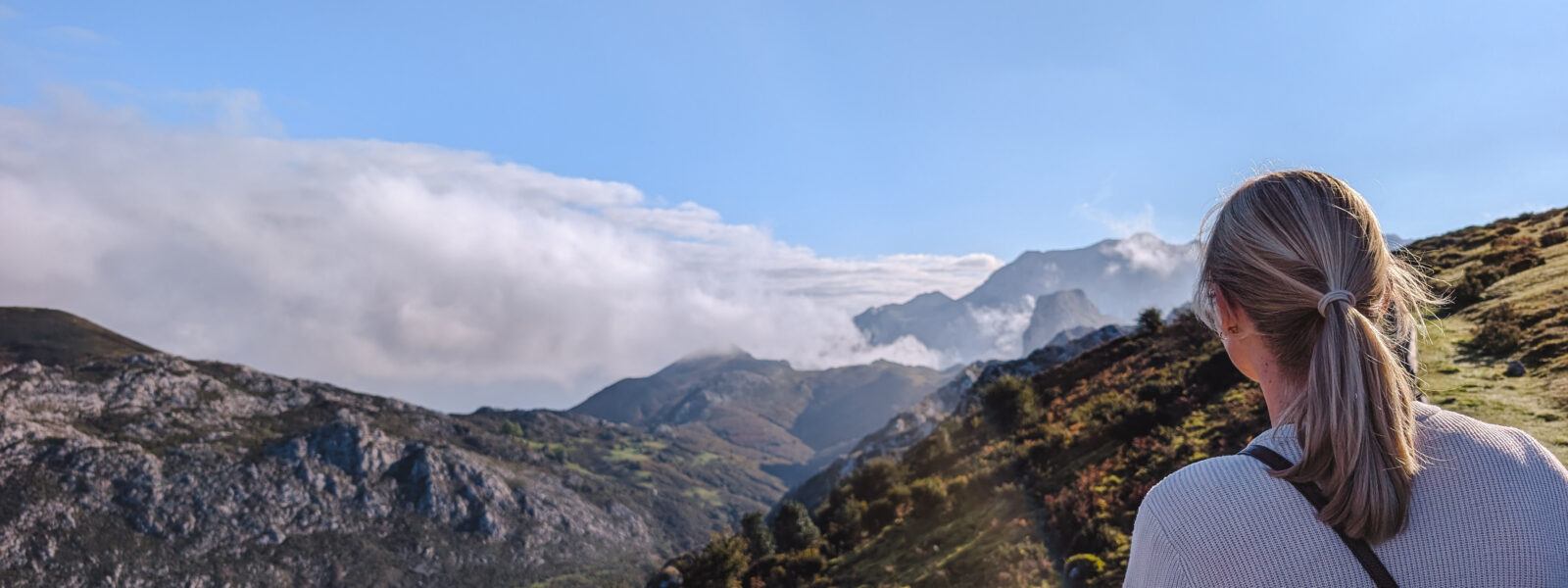
Asturias is Spain at its greenest, a land of towering mountains, gently rolling hills, dramatic coastline, and vibrant fishing villages. In just one day, you can drive from the glacier-fed lakes of the Picos de Europa to cliffs where the Atlantic waves crash powerfully against the rocks. Along the way, you can stop in charming villages with brightly painted façades, taste cider poured in the traditional “overhead” style, and discover why this region is so proud of its own unique cuisine and cherished traditions.
In this guide, I will take you through the most beautiful spots in Asturias, sharing practical tips and personal favorites along the way. After visiting this stunning region three years in a row, first with my family and later in collaboration with Visit Gijon and Tourism Asturias, I can confidently say that I know exactly where to find the most extraordinary places.
I have organized the attractions into three clear sections: the natural landscapes of the inland, the picturesque coastal villages, and the cities filled with culture. This guide gives you everything you need to plan your route and experience the magic of this hidden gem in northern Spain.
Where is Asturias in Spain
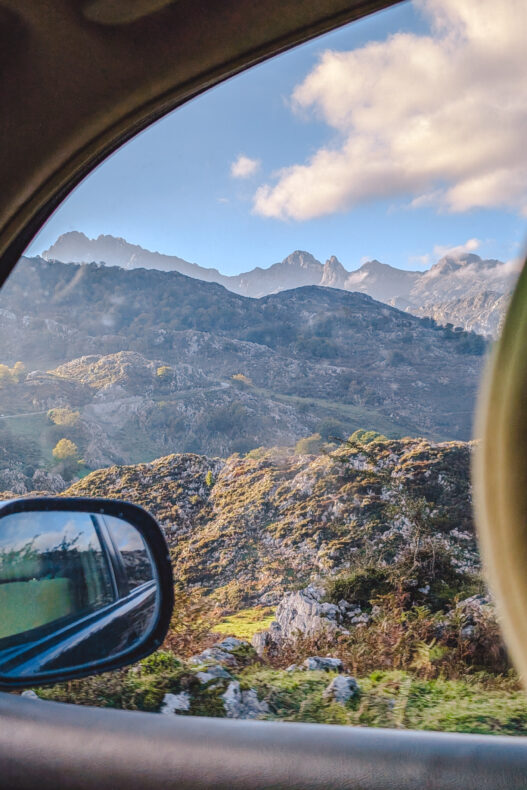
Asturias is situated in the north of Spain, tucked between the region of Galicia to the west and Cantabria to the east. To the south, it shares a border with Castile and León, while its northern edge is entirely defined by the coastline of the Bay of Biscay, also called the Cantabrian Sea. This stretch of coast, known as the Costa Verde, extends over three hundred kilometers from west to east and is what gives Asturias its famously green and lush landscapes.
There are several ways to reach Asturias. The region has its own airport, Aeropuerto de Asturias, which is about forty minutes by car from both Oviedo and Gijón. Direct flights are available from many European destinations, especially during the summer months. For those who prefer to travel by car or camper, the region can be reached through France and the Basque Country. Although the drive along the northern coast takes some time, it rewards travelers with some of the most stunning scenery in Spain.
I have personally visited Asturias both by camper for a longer holiday and twice by plane for shorter press trips, enjoying the region from different perspectives each time.

What is Asturias known for?
Asturias is famous for its untouched nature, rugged coastline, and rich local cuisine. The region draws travelers with its dramatic mountain landscapes, charming fishing villages, and a history that remains visible in its towns, cities, and traditions. Asturian cuisine plays a central role in the region’s identity and is celebrated across all of Spain.
The scenery in Asturias is breathtaking and wonderfully varied. We were amazed by how different it feels compared to the rest of Spain. The Picos de Europa dominate the inland with their steep peaks, green valleys, and sparkling lakes. Hikers and nature lovers will find endless trails winding through forests, mountain villages, and river valleys. Yet even beyond the famous Picos, there are stunning natural areas to explore, such as Somiedo or the surroundings of Cangas de Narcea.
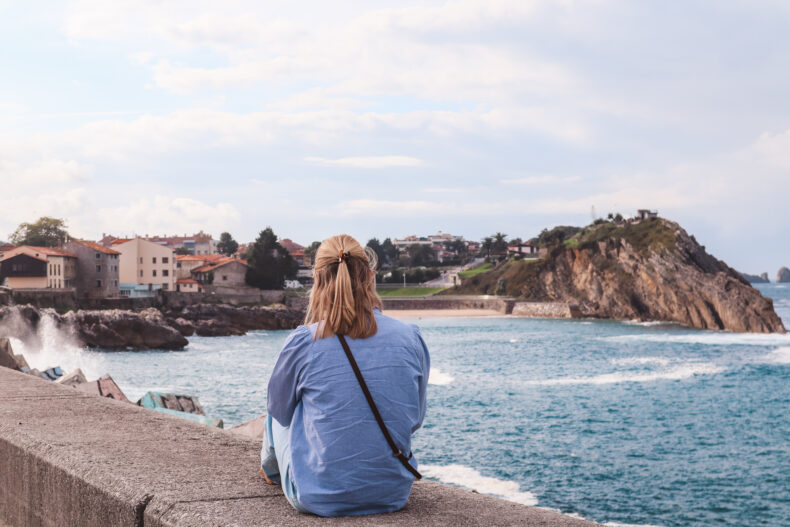
Along the Costa Verde, fishing villages seem to cling to the cliffs, with the harbor serving as the heart of each town. The coastline is rugged and constantly changing, with cliffs, beaches, and coves appearing in quick succession. Broadly speaking, the coast can be divided into two areas: the west, known for its dramatic rocks and quiet coves, and the east, where beaches, caves, and cliffs alternate along the shore. Coastal towns such as Cudillero, Llastres, and Llanes reveal the charm of the Atlantic coast, where life follows the rhythm of the sea and the wind.
Asturias also has a rich cultural and culinary heritage. Cider, or sidra, is the regional drink and is poured in the traditional overhead style. Dishes such as fabada asturiana, a hearty stew of beans and sausages, are iconic to the region. Did you know that Asturias produces dozens of unique cheeses? The blue-veined Cabrales cheese comes straight from the caves of the famous Picos de Europa and holds protected status. It is not only the food but also the region’s history as a cradle of the modern Spanish kingdom that forms the foundation for a deep sense of pride and identity across Asturias.
The Best Natural Sights in Asturias
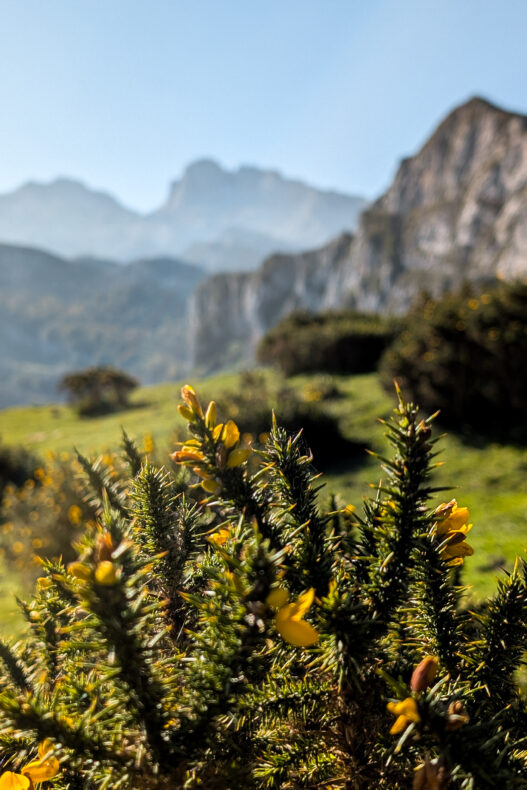
The inland regions of Asturias are rugged, vibrant, and remarkably untouched by the passage of time. Here, you will discover deep valleys, sparkling glacier-fed lakes, and high mountain passes where the quiet of nature dominates and the landscape feels timeless. The natural sites included in this list reveal why Asturias is renowned as one of the most pristine and greenest regions in all of Spain, offering breathtaking scenery at every turn.
#1 Lagos de Covadonga (Picos de Europa)
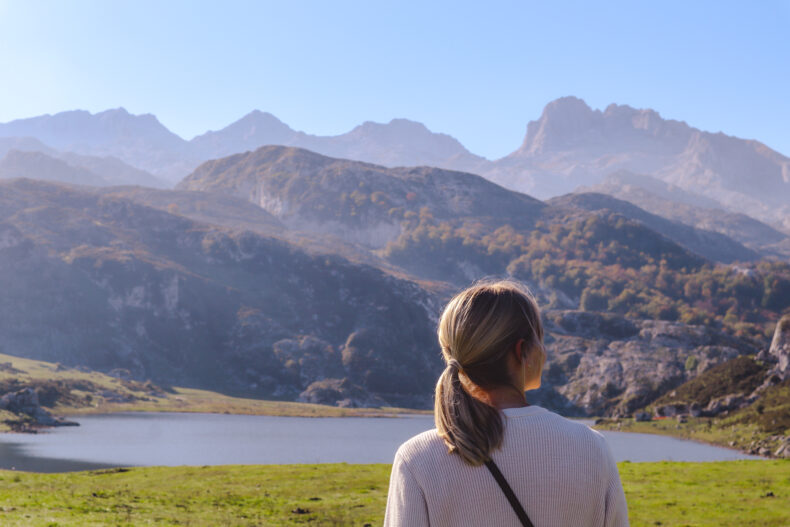
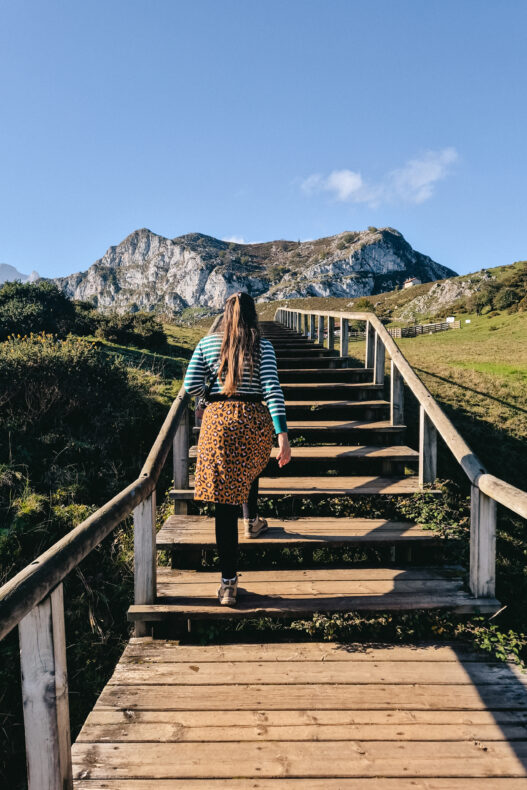
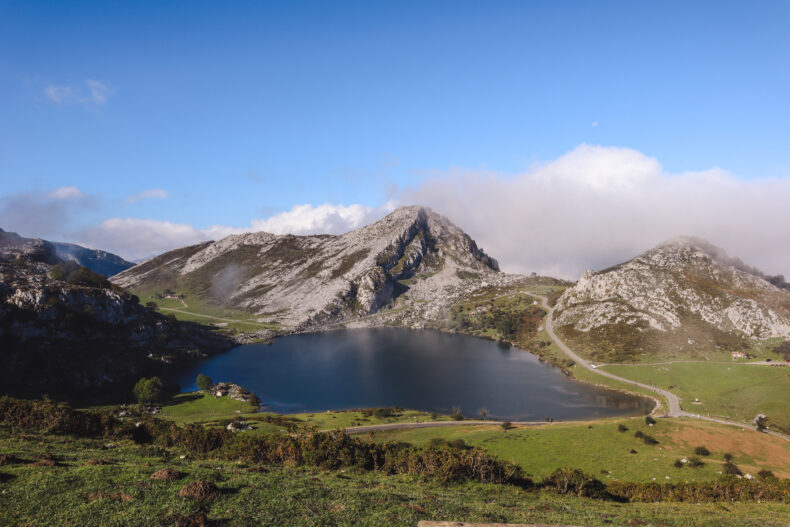
The Covadonga Lakes sit high in the Picos de Europa and are widely regarded as one of the most stunning natural spots in Asturias. The two lakes, Enol and Ercina, are tucked between green mountain meadows and rugged rocky peaks. On sunny days, the surrounding mountains are mirrored perfectly in the clear waters, while cows with their tinkling bells graze peacefully along the shores. You can enjoy a short walking trail between the lakes, stopping at viewpoints and resting spots along the way, or opt for a longer hike to explore even more of the breathtaking Picos.
During the high season, a shuttle bus runs from Covadonga and Cangas de Onís because private cars are not allowed to drive up. A good alternative is to take a taxi or join a guided tour. The winding road up to the lakes passes several viewpoints and is an experience in itself. Near the lakes, a small visitor center offers information about the nature and wildlife of this mountain region, helping you gain a deeper appreciation for the unique landscapes of the Picos de Europa.
#2 Ruta del Cares (Picos de Europa)
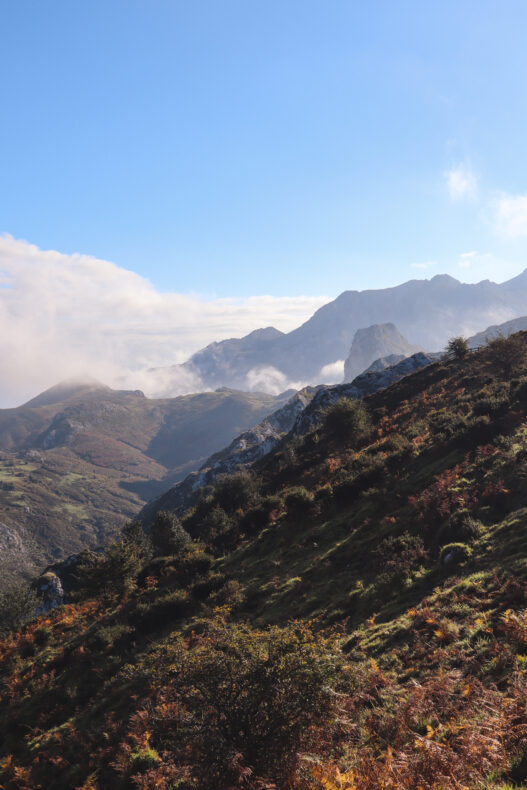
The Ruta del Cares is undoubtedly the most famous hike in the Picos de Europa and one of the most popular walking routes in Asturias. The trail stretches for twelve kilometers through a dramatic gorge between Poncebos and Caín. Along the way, you will follow narrow paths high above the Cares River, pass sheer cliffs, and walk through short tunnels carved into the rock. Originally built in the early twentieth century to provide access for maintaining a water channel, the trail has since become one of the most breathtaking hikes in northern Spain.
The route is suitable for anyone with a reasonable level of fitness, but it is not recommended for those who are afraid of heights. As you walk, you will be treated to stunning views of vertical cliffs, nimble mountain goats, and the river far below. On warm days, it is smart to start early and bring plenty of water. Because the trail is linear, you can either walk the twelve kilometers back the same way or arrange a taxi for your return, allowing you to fully enjoy the experience without rushing.

#3 Parque Natural de Somiedo
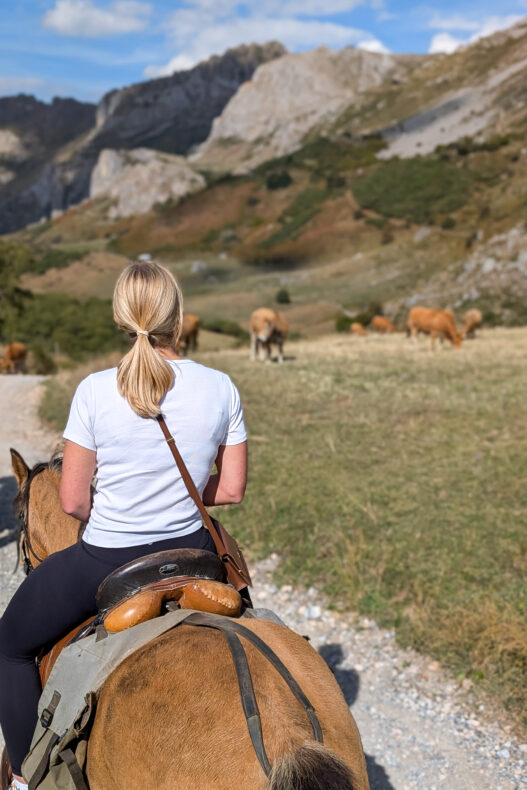
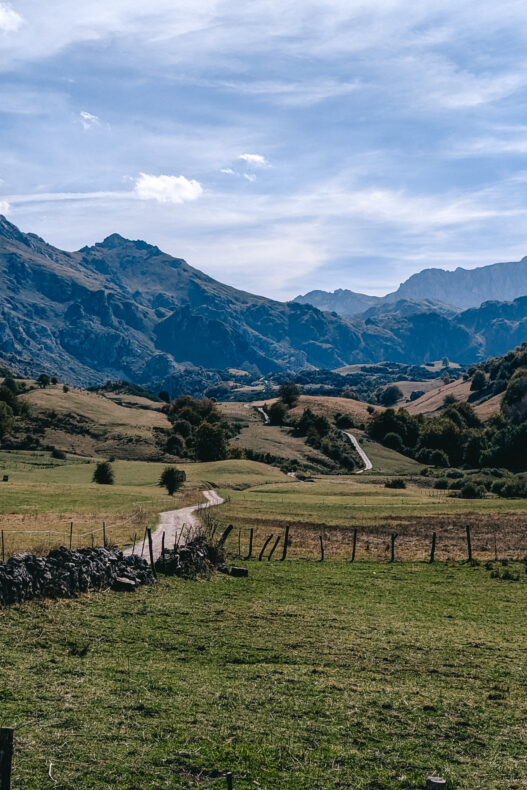
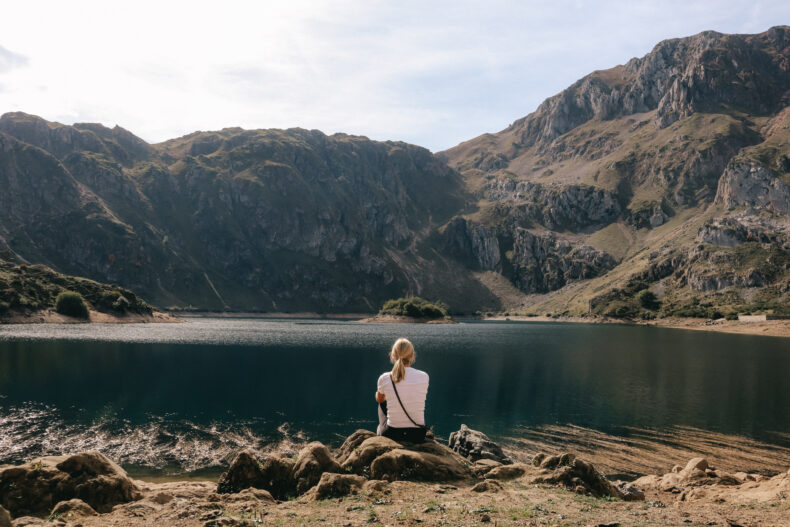
Somiedo, located in the south of Asturias, is a true paradise for anyone who loves nature. This mountainous area is a protected biosphere reserve and is made up of five valleys filled with sparkling mountain lakes, dense forests, and open alpine meadows. The Cantabrian brown bear still roams these valleys, alongside deer, birds of prey, and wild horses. Spotting bears from the viewpoints, whether on your own or with a specialized guide, is one of the most popular experiences in the park.
The park offers a wide range of hiking routes, from short walks to full-day adventures. One of the most scenic trails leads to the Saliencia Lakes, where you can wander among rocks and colorful alpine flowers. This path starts from the village at the entrance to the valley. Alternatively, as we did, you can explore the valley on horseback for a completely different perspective.
In the villages of Pola de Somiedo and Valle del Lago, you will find small hotels and restaurants, including the charming Castillo del Alba. Somiedo is less crowded than the Picos de Europa and, in my experience, feels wonderfully pure, peaceful, and untouched.
#4 Mirador del Fito
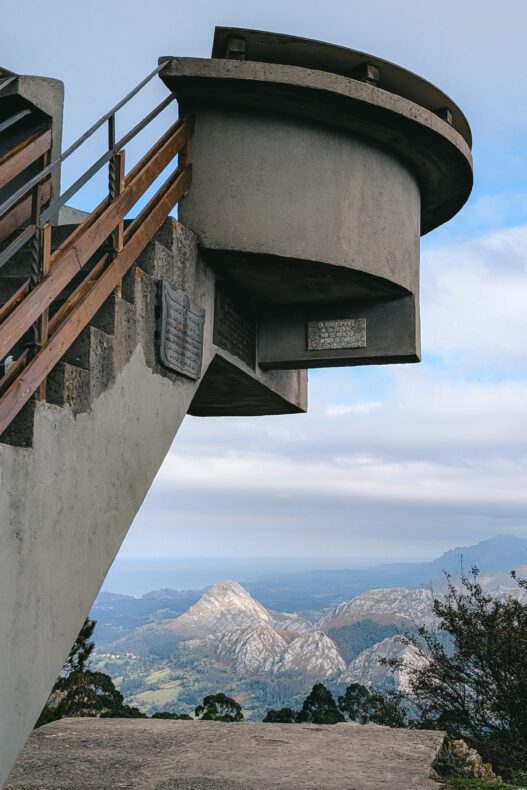
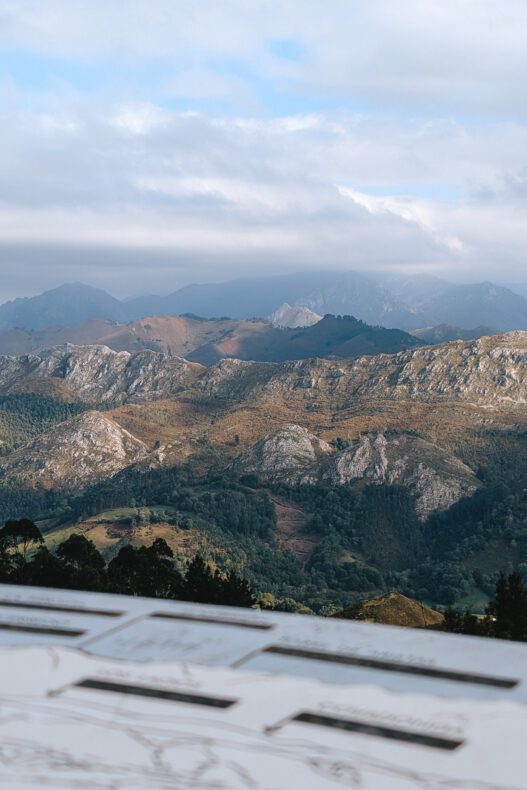
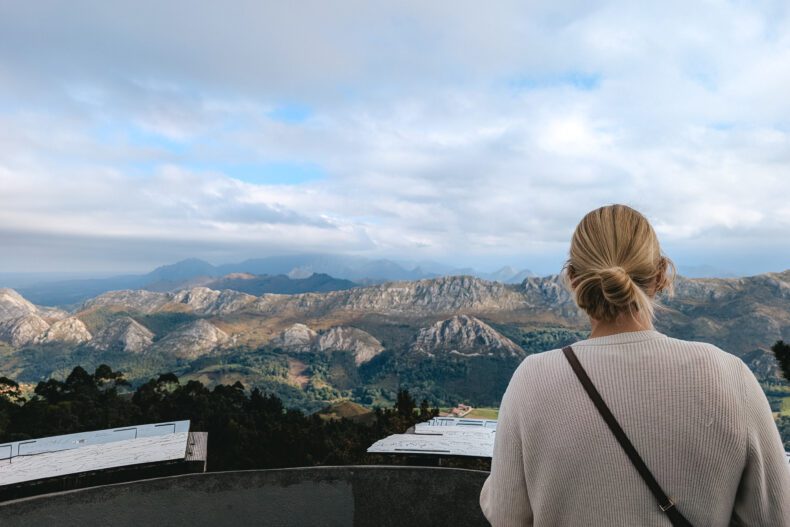
Mirador del Fito sits at over one thousand meters above sea level in the Sierra del Sueve, between Colunga and Arriondas. From the circular concrete platform, you are rewarded with one of the most impressive views in Asturias: the Atlantic coast stretches out on one side, while the towering peaks of the Picos de Europa rise on the other. On a clear day, your gaze can reach for dozens of kilometers. A helpful sign around the viewpoint shows exactly which mountains and areas you are seeing, making it easy to identify the landscape.
The drive up along the winding AS-260 road is an experience on its own. Cyclists and motorcyclists often use the climb for training, and every May the famous car race “Subida al Fito” takes place here. At the top, there is free parking, and the viewpoint is just a few steps away. Since only a limited number of people can stand on the platform at once, you may have to wait for your turn. However, the breathtaking panorama makes the short wait more than worthwhile.
#5 Cable Car to Bulnes (Picos de Europa)
One of the most special things about the Picos de Europa is that a few inhabited villages still exist within the national park. Bulnes is one of these, a mountain village praised as one of the ‘pueblos más bonitos’ (most beautiful villages in Spain). I highly recommend visiting this charming village, even if just for the journey itself.
The impressive cable car to Bulnes is the fastest way to reach this remote village. Until the early 2000s, the only access was on foot along a steep mountain trail. Since 2001, an underground cable car has carried visitors from Poncebos to Bulnes in just eight minutes, taking you deep into the heart of the Picos de Europa valley. The ride alone is unforgettable, as you literally travel through the rock face. Of course, hiking to the village is still an option, but I personally chose the ease and comfort of the cable car.
Bulnes is small, tranquil, and wonderfully authentic. Stone houses cling to the hillside, and every street offers spectacular views of the Naranjo de Bulnes peaks. In summer, a small inn and café welcome visitors. Take a leisurely stroll through the village, admire the breathtaking scenery, sit at a terrace, and simply enjoy the magnificent mountains of the Picos surrounding you.


#6 Cangas del Narcea
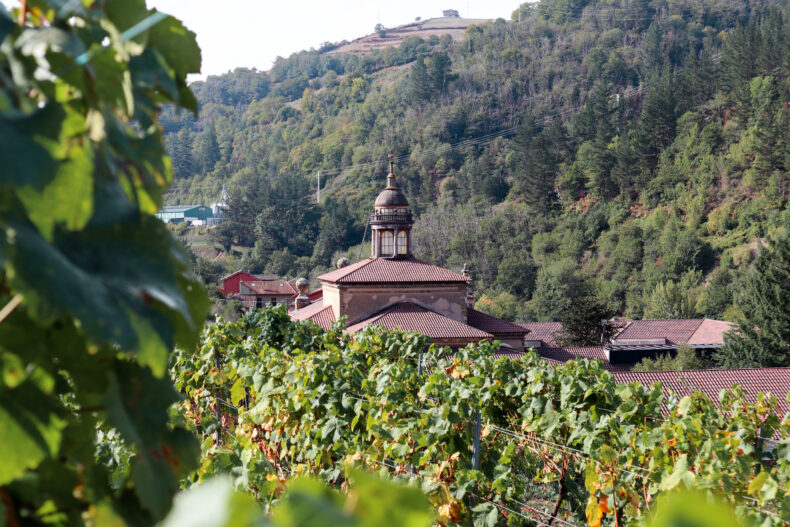
Cangas del Narcea is tucked deep in the heart of Asturias, on the edge of the Fuentes del Narcea, Degaña e Ibias Natural Park. The village rests in a lush valley, surrounded by forested hills and vineyards that thrive thanks to a unique microclimate. This is the home of vino de Cangas, a local wine with a protected designation of origin (D.O.P.), and a wine tasting is an essential part of any visit. We enjoyed ours at Bodega Monasterio de Corias, located right beside the impressive Parador de Corias.
This former monastery has been transformed into a stunning luxury hotel and can be explored on guided tours. Truly, this one-of-a-kind hotel alone is reason enough to visit Cangas and put it at the very top of your Asturias bucket list.
Read More: My Honest Review of Staying at Parador de Corias
The surrounding area is ideal for hiking or cycling, with trails winding through valleys, forests, and mountain passes. Nature enthusiasts can venture into the Muniellos Reserve, one of Spain’s oldest forests, though a permit is required in advance. In the center of Cangas, narrow streets twist between old stone houses, lined with charming terraces.
For coffee and fresh pastries, Manín comes highly recommended, a bakery celebrated for its artisanal bread. During the summer, enjoying an ice cream at the neighboring Llamber, a sister brand of Manín, is practically a must. Their award-winning ice cream and chocolates make every stop in Cangas a real treat, adding a sweet touch to the beauty of the valley.


The Beautiful Coast of Asturias
Along the Asturian coast, rugged cliffs, hidden coves, and colorful fishing villages alternate in a breathtakingly varied landscape. The Costa Verde truly lives up to its name: green, wild, and full of surprises. From quiet, sandy beaches to lively harbors, this is the place to experience the genuine charm of northern Spain.
#7 Cabo Busto
Cabo Busto lies on the wild northern coast of Asturias, near the town of Luarca. The cliffs rise dramatically above the roaring Atlantic, and the horizon seems to stretch endlessly. From the nineteenth-century lighthouse at Cabo Busto, an eight-kilometer circular walking trail winds past viewpoints and small coves. The path is easy to follow and reveals the coast at its very best: a mix of striking cliffs, lush greenery, and the calls of seabirds echoing across the shore.
The lighthouse itself is still in operation and stands as a proud symbol of the region’s maritime history. The view from the edge of the cliff is truly spectacular, especially at sunset when the light paints the ocean and rocks in warm hues. Although Cabo Busto is less famous than Cabo Vidio, it is equally impressive and offers a more peaceful, untouched experience of Asturias’ northern coastline.
#8 Cabo Vidio
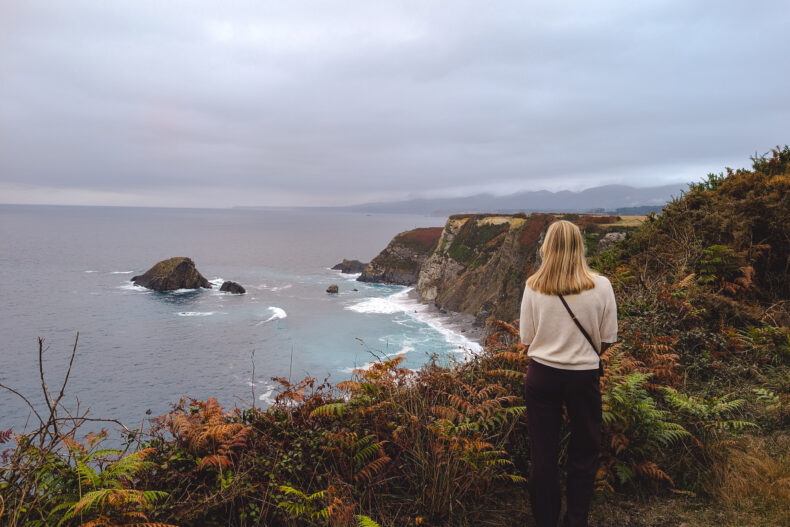
Cabo Vidio is one of the most dramatic cliffs in all of Asturias. The cape sits west of Cudillero and soars more than eighty meters above the Atlantic Ocean. From the walking path that circles the lighthouse, you are treated to sweeping panoramic views of the rugged coastline. On days when the waves are high, the ocean smashes against the rocks with tremendous force, and the roar of the sea carries far inland, creating a truly awe-inspiring and unforgettable atmosphere.
Not far from the lighthouse lies La Iglesiona, a natural cave that is accessible only at low tide. I haven’t had the chance to visit it myself, as you need to time your visit perfectly with the tides, but it is said to be a spectacular spot for those who make it.
#9 Bufones de Pría
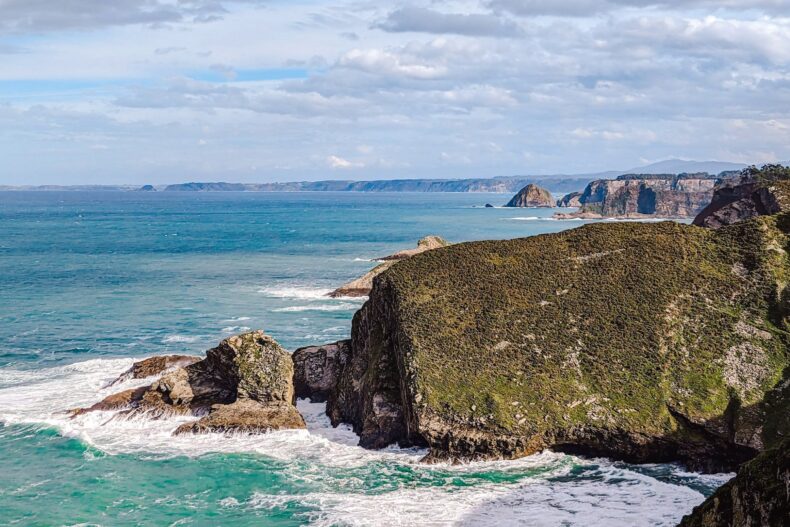
The Bufones de Pría are one of the most extraordinary natural spectacles along the Asturian coast. Here, the sea has carved openings into the limestone cliffs, and at high tide, water is forced upward through these gaps with incredible force. The sprays can shoot meters into the air, accompanied by a deep, resonant roar that feels like the breathing of a giant.
From the parking area, it is about a fifteen-minute walk to reach the popular cliffs. On days when the sea is rough, you can even feel the ground shake as waves smash against the rocks. It is wise to keep a safe distance, as the power of the water is truly breathtaking. Even on calm days, the spot is still worth visiting, offering stunning views over the Llanes coastline and the Cantabrian Sea. During my visit, I did not get to witness the dramatic water jets. The weather was stormy, making the coastline look wild and impressive, yet the towering spouts of water remained elusive. Despite this, the raw beauty of the cliffs and the untamed sea made the experience unforgettable.

#10 Tazones
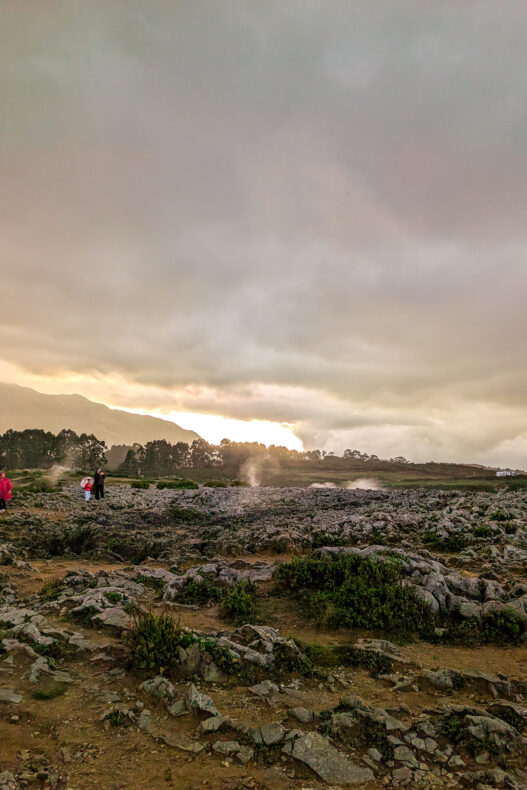
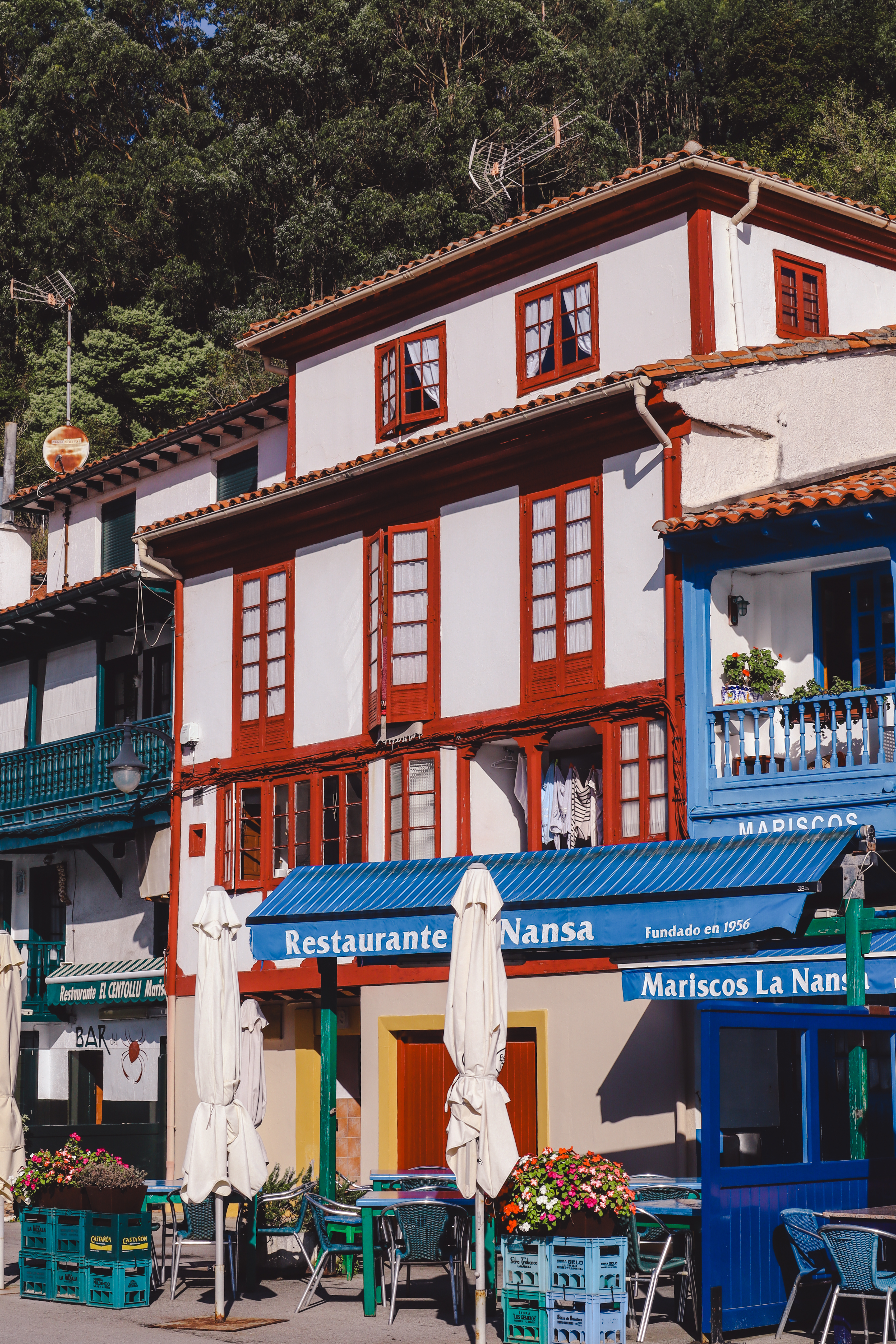
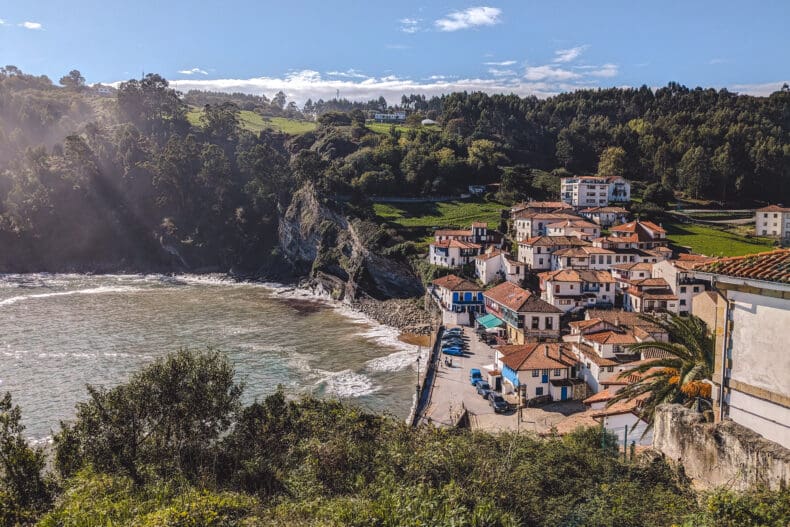
Tazones is a charming fishing village on the Bay of Biscay, tucked between Villaviciosa and Gijón. Nestled among cliffs, the village has just under two hundred residents. Its brightly colored houses are closely clustered along the harbor, where fishing boats still head out to sea every day. Tazones is especially famous as the place where Emperor Charles V first set foot in Spain in 1517, and each August this historic moment is celebrated with a lively festival that brings the village to life.
Wandering through the narrow streets, you’ll discover restaurants serving fresh fish and a variety of shellfish. The quay carries the unmistakable scent of salt and tar, and the village atmosphere feels completely authentic. Just above the village, a small viewpoint offers sweeping views of the bay and the rugged coastline. Compact though it may be, Tazones is the perfect stop for a short break while exploring the stunning Asturian coast.
#11 Luarca
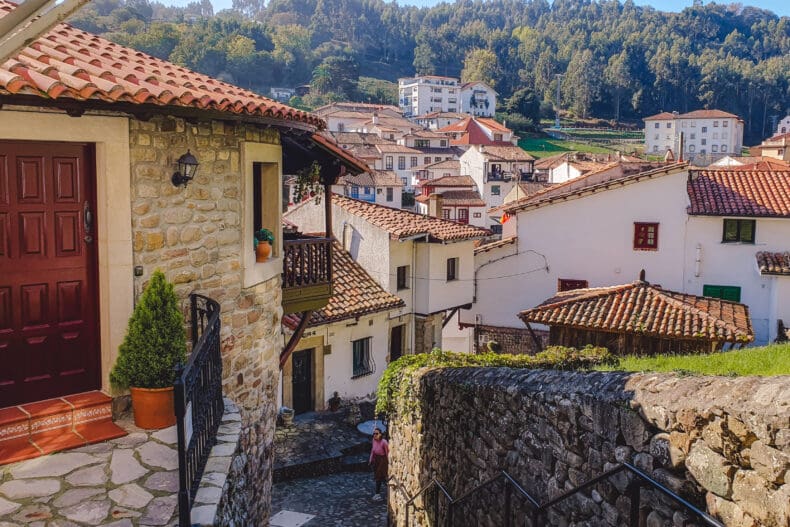
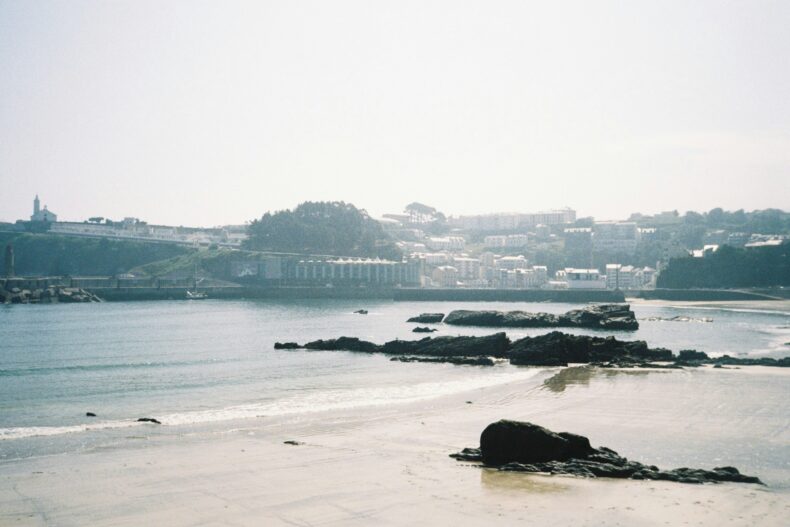
Luarca is a graceful coastal town with a natural harbor that winds deep inland. White houses with slate roofs shimmer in the water, and narrow bridges link the different parts of the town center. The harbor is bustling, with fishing boats, cozy cafés, and a promenade that stretches toward the lighthouse and the cliffside cemetery. From there, you can take in sweeping views over the Atlantic Ocean that are simply breathtaking.
The town is also celebrated as the birthplace of Severo Ochoa, the Nobel Prize winning scientist in medicine. His mausoleum stands near the lighthouse, adding a touch of history to the scenic surroundings. Though larger than most coastal villages in the region, Luarca retains its charm and character at every turn. It is, without a doubt, one of the most beloved destinations along the Costa Verde.
#12 Costa de los Dinosaurios
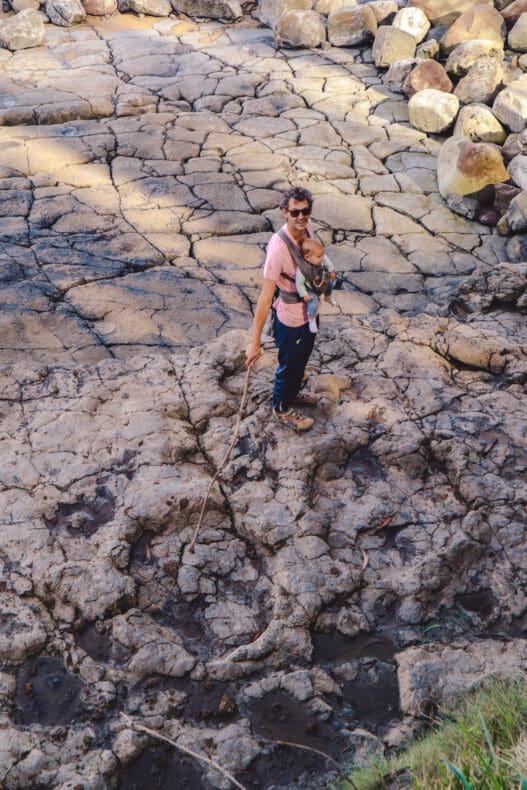
The Costa de los Dinosaurios is a remarkable stretch of coastline between Ribadesella and Colunga, where millions of years of history are carved directly into the rocks. Along its cliffs and beaches, you can discover real dinosaur tracks and fossilized footprints dating back to the Jurassic period, around one hundred and fifty million years ago. The most famous sites are near La Griega and Ribadesella, where clearly marked walking paths take you right alongside these ancient traces. Our little ones were thrilled hunting for dinosaur tracks at Playa de La Griega, turning the visit into an unforgettable adventure for the whole family.
In Colunga, the Museo del Jurásico de Asturias (MUJA) awaits, a striking modern museum shaped like a giant dinosaur footprint. Inside, you can marvel at fossils, life-sized reconstructions, and interactive exhibits that bring to life a time when this coast was a lush tropical swamp filled with enormous reptiles. The museum makes for a fun and educational stop for families, while also captivating travelers with an interest in geology and extraordinary coastal landscapes.

#13 Playa del Silencio
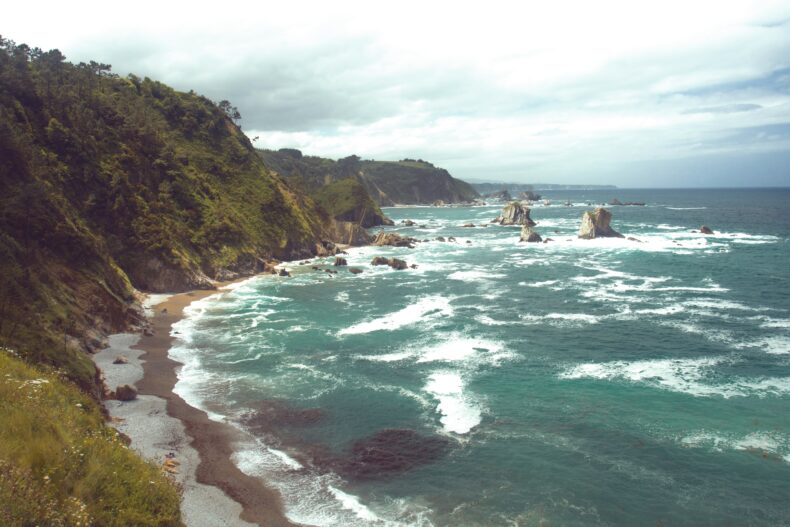
Playa del Silencio is a hidden gem nestled between steep cliffs along the coast near Castañeras, not far from Cudillero. True to its name, it is a place of calm and serenity. From the parking area, a winding path descends to the beach, which rests like a crescent moon embraced by the surrounding rocks. The shoreline is made up of smooth pebbles and coarse sand, framed by dramatic rock formations that disappear into the sea at high tide.
The beach has no facilities, so be sure to bring your own water and snacks. Swimming is possible, though the water is deep and refreshingly cold. Playa del Silencio is regarded as one of Asturias’ most beautiful beaches, ideal for those who appreciate wild, untouched landscapes.
#14 Cudillero
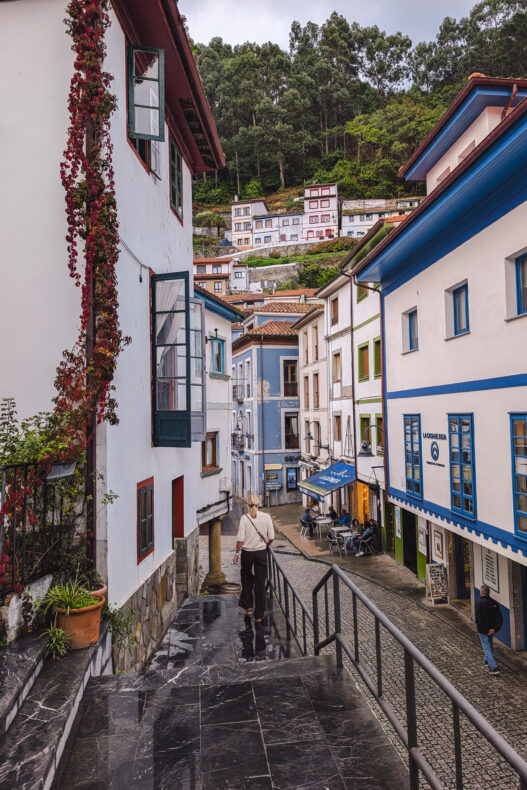
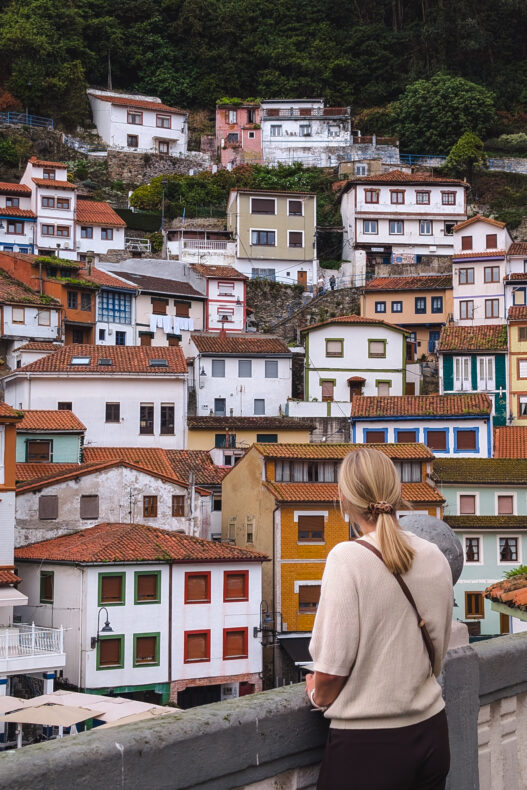
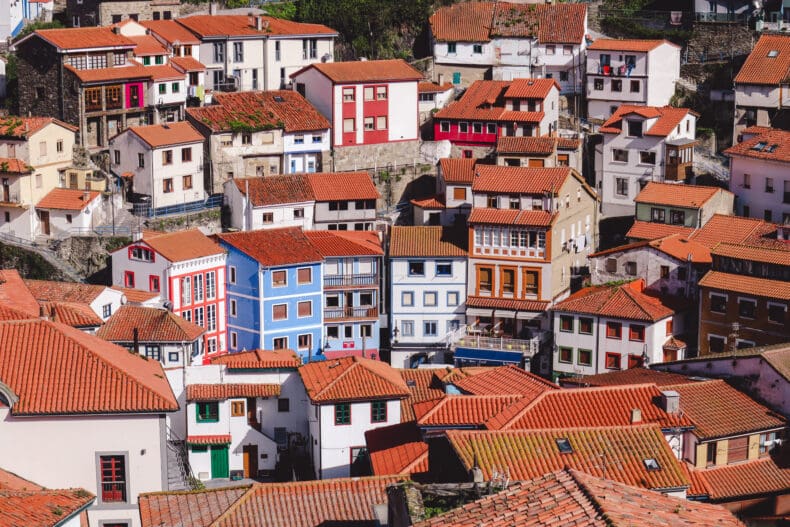
Cudillero might just be the most photographed village in Asturias. Its colorful houses cling to the hillsides like a natural amphitheater, all looking out over a tiny harbor. From the bay, steep stairways wind their way up through narrow alleys, with sea views or rooftop panoramas at almost every turn. The fishing port is still the beating heart of the village, lined with restaurants serving fresh fish, seafood and shellfish straight from the coast.
From the Mirador del Pico or the Mirador del Contorno you get a sweeping panorama over both Cudillero and the open ocean. Cudillero is small, but full of charm. I recommend starting at the parking area and taking the Túnel de Cudillero, a tunnel created to reroute a river straight through the mountain. It brings you out high above the village, from where you can walk to several viewpoints and then slowly make your way down toward the harbor. It is the perfect stop along a coastal road trip, with Playa del Silencio and Cabo Vidio only a short drive away.
#15 Llastres
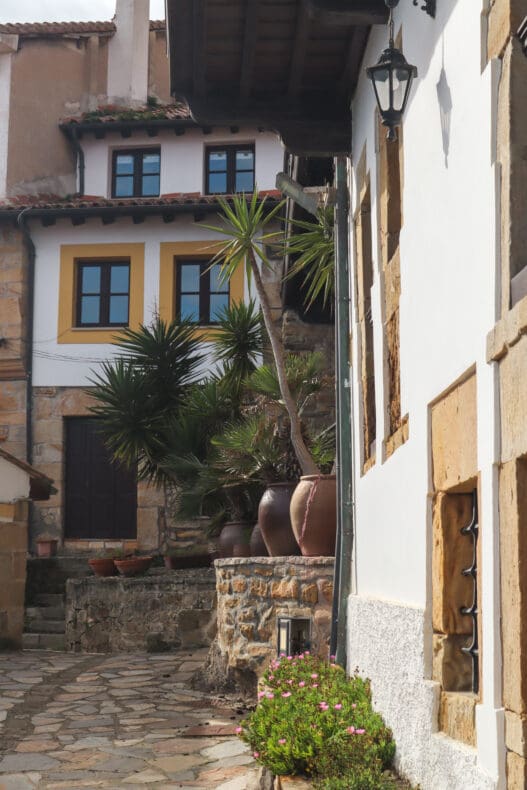
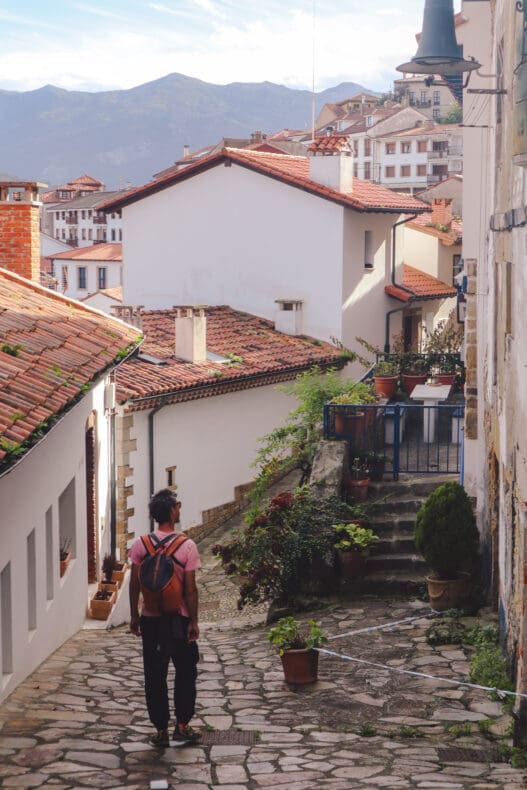
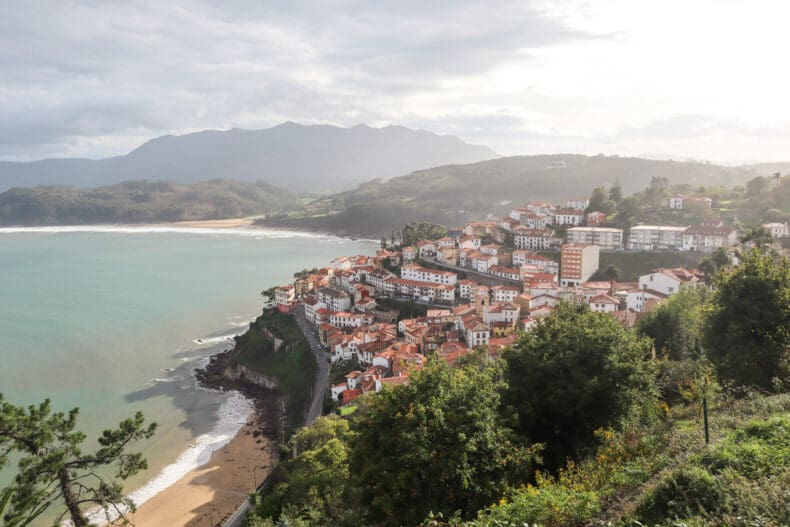
Llastres is a charming coastal village that climbs the hills in terraces, offering sweeping views of both the sea and the mountains of the Sierra del Sueve. Its whitewashed houses with red-tiled roofs and narrow winding streets give the village an almost Mediterranean feel. Perched above it all is the Mirador de San Roque, one of the most stunning viewpoints along the entire Asturian coast. From here, the harbor lies below, and the coastline stretches out for kilometers in either direction.
The village has a relaxed and welcoming atmosphere, with cozy cafés, an active fishing harbor, and a handful of historic buildings, including the church of Santa María de Sabada. While Llastres is small and unassuming, the combination of its quaint charm and the breathtaking views from the Mirador makes it a stop well worth your time. Not far away, the Museo del Jurásico de Asturias (MUJA) offers a fascinating glimpse into the prehistoric past, showcasing a time when dinosaurs roamed this very landscape.
#16 Llanes
Llanes is a surprisingly delightful coastal town that perfectly blends nature, beaches, and culture. It wasn’t until my third visit to Asturias that I discovered this coastal gem, and I was instantly enchanted! At the harbor, you’ll encounter the striking artwork Los Cubos de la Memoria, painted concrete blocks stretching out into the water. It’s an extraordinary sight and, for me, it perfectly matched the iconic images of Llanes I had seen online before stepping foot in the town.
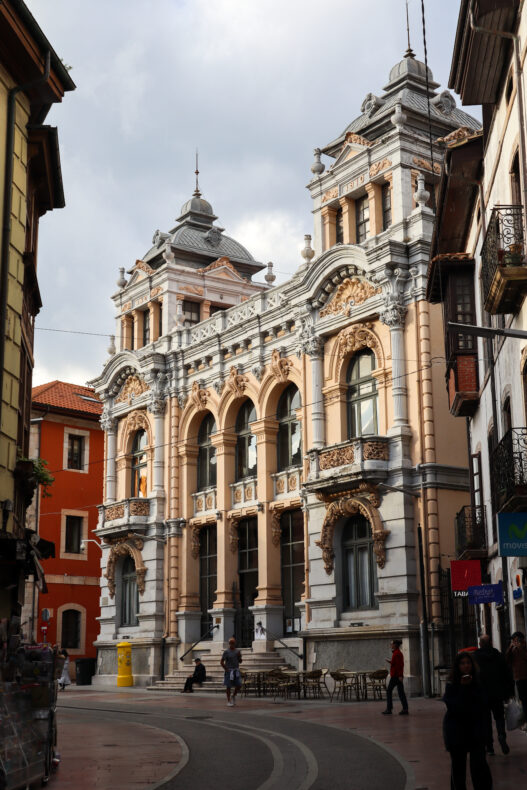
Equally captivating is the historic town center, just beyond the picturesque harbor and colorful blocks. The old town is a maze of narrow streets, medieval walls, and vibrantly painted houses. Take a stroll along the castle, the ancient city walls, and the historic casino, soaking in the atmosphere and filling your camera with unforgettable shots.
Did you know that Llanes is also renowned for some of the most beautiful beaches in Asturias, and perhaps all of Spain? Beaches such as Playa del Sablón, Playa de Toró, and the extraordinary Playa de Gulpiyuri are all within reach. The latter is a tiny inland beach connected to the sea through an underground tunnel, making it a truly exceptional and memorable spot to visit.


#17 Tito Bustillo Caves
The Tito Bustillo Caves, located in the coastal town of Ribadesella, are among Spain’s most significant prehistoric sites. Inside, over a thousand rock paintings have been uncovered, featuring horses, reindeer, and human figures. These ancient artworks are estimated to be around forty thousand years old, offering a rare and fascinating window into the lives of northern Spain’s earliest inhabitants. The cave was accidentally discovered in 1968 by a group of local cavers and has been recognized as a UNESCO World Heritage Site since 2008.
Visitors can see a section of the Tito Bustillo Cave on a guided tour, which must be booked in advance. To protect the fragile paintings, the number of visitors allowed each day is carefully limited. Adjacent to the cave, a small visitor center presents a permanent exhibition on Asturias’ prehistory, giving travelers even deeper insight into this extraordinary heritage and the world of its first people.
The Most Delightful Cities of Asturias
Asturias’ cities offer a captivating mix of rich history and the unhurried pace of classic Spanish life. They are ideal for exploring the region’s unique cuisine, from comforting, hearty stews to crisp, refreshing cider. Oviedo, Gijón, and Avilés together form the cultural heart of northern Spain, each with its own character, bustling streets, and historic landmarks, creating a vibrant and welcoming atmosphere that truly reflects the spirit of Asturias.
#18 Oviedo
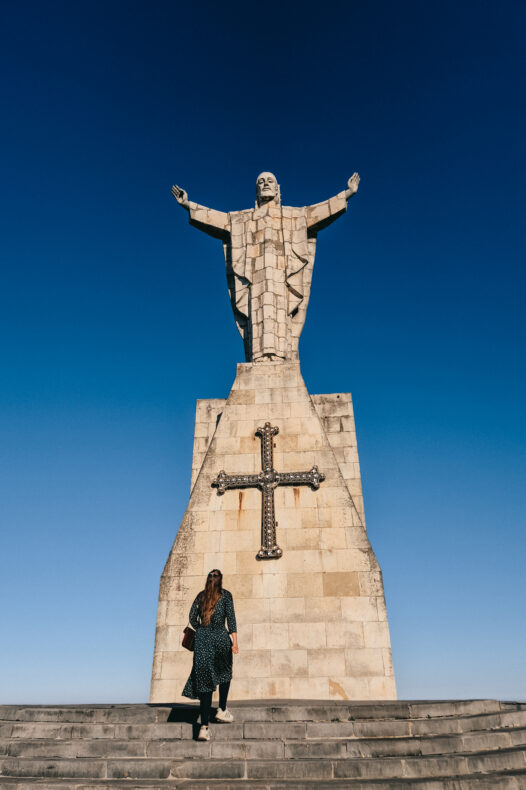
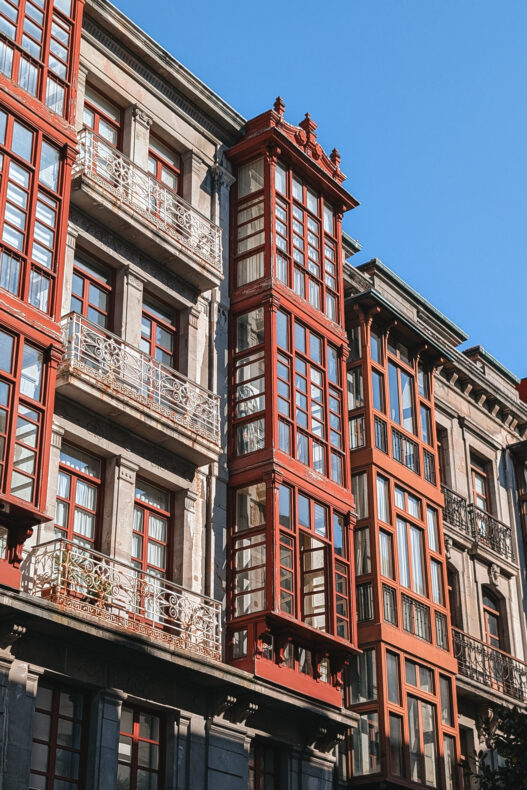
Oviedo is the capital of Asturias and the cultural heart of the region. The city’s compact historic center is full of cobbled streets, picturesque squares, and plenty of inviting cafés and terraces. Its most iconic landmark is the Cathedral of San Salvador, a Gothic masterpiece completed in the 14th century. Our guide mentioned, however, that the cathedral was never fully finished, as the second tower was never built due to financial constraints.
Read More: Best Places To Visit In Oviedo
Just a short stroll from the cathedral, you’ll find the Museo de Bellas Artes de Asturias, which offers free admission. Housed in two historic city palaces, the museum displays works by celebrated artists such as Miró, Picasso, and Dalí. Art is truly everywhere in Oviedo, from elegant statues and fountains to striking modern sculptures, with the bold and voluptuous forms of Botero’s creations particularly capturing our attention.
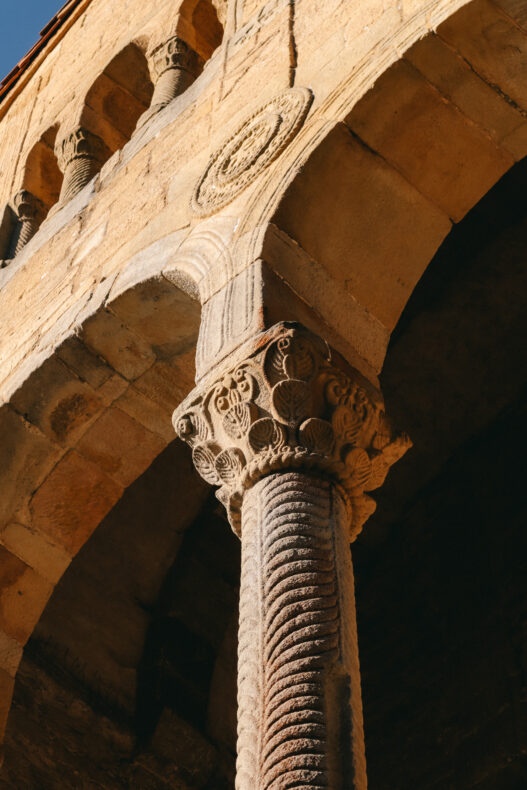
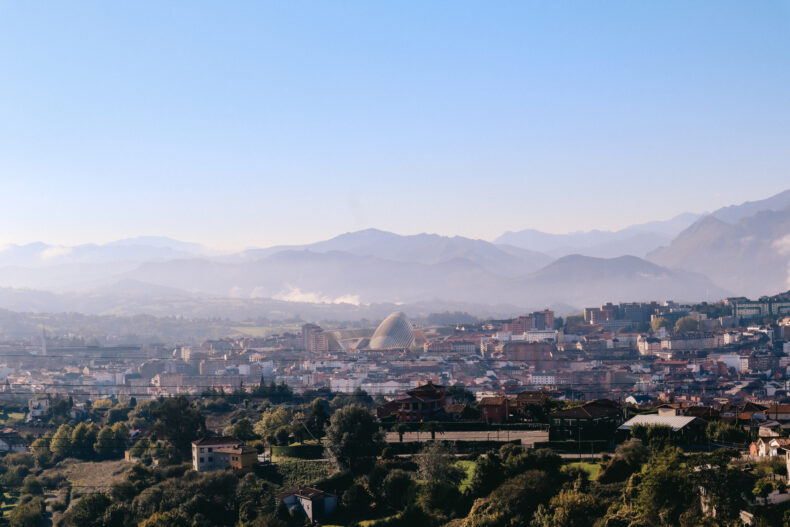
If you have the time, I also recommend leaving the city center to climb Naranco Hill. Here, you’ll encounter two pre-Romanesque churches, Santa María del Naranco and San Miguel de Lillo, among the oldest architectural treasures in Spain. Above all, the sweeping panoramic views of Oviedo from this hill are nothing short of breathtaking!
#19 Gijón
Gijón is the largest city along the Asturian coast, buzzing with energy and a lively, welcoming atmosphere. The city stretches along a wide bay with sandy beaches, a bustling promenade, and the historic fishing quarter of Cimavilla. This charming old neighborhood sits atop a hill between two beaches and is steeped in history. Wander through its narrow streets, admire elegant old houses, and stop at viewpoints that offer stunning vistas of the sea.
To dive into local traditions, visit the free Museo del Pueblo de Asturias, or explore the striking Laboral Ciudad de la Cultura, where you can join a guided tour and even climb the tower for sweeping panoramic views. Cider bars are scattered throughout the city, giving you the chance to watch the region’s signature drink, sidra, being poured in the traditional Asturian style. Tierra Astur is a local favorite with an authentic menu that is not to be missed. On the outskirts of the city, the Universidad Laboral, with its iconic tower and impressive architecture, is another must-see.
For a distinctive place to stay just outside Gijón, we loved the stylish eco-hotel ARTIEM Asturias. It offers a fully equipped gym, a variety of fitness classes, and both indoor and outdoor swimming pools, making it an ideal base for both relaxation and adventure.
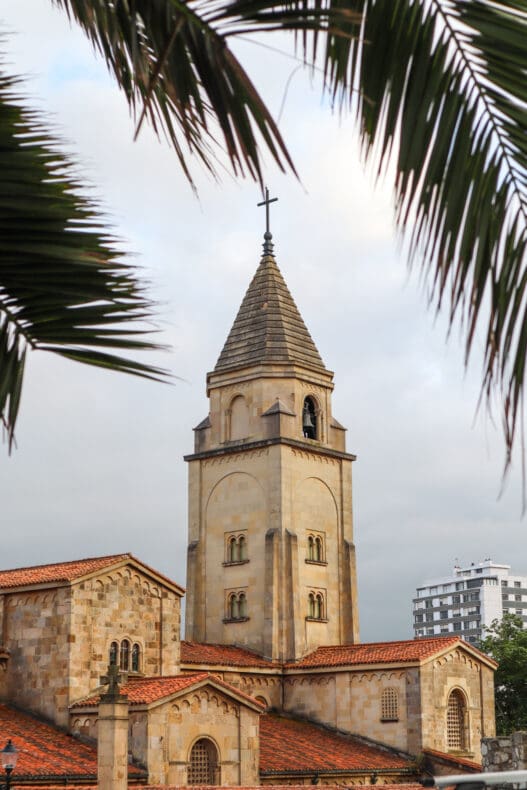

#20 Avilés
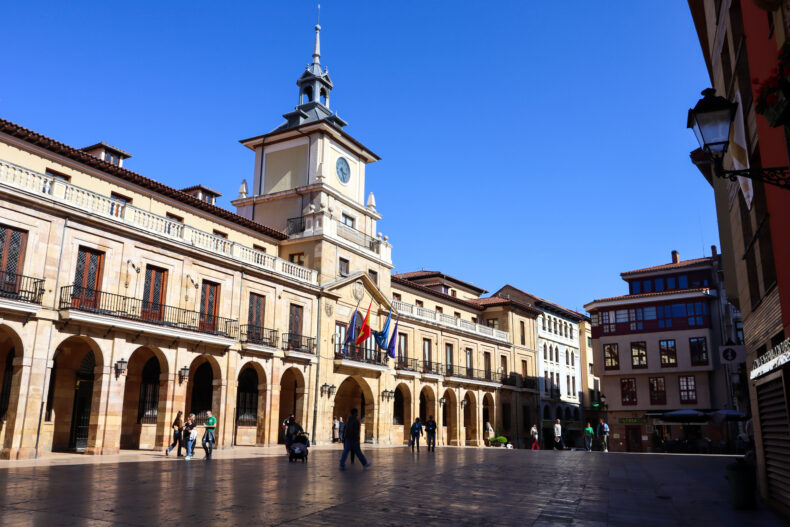
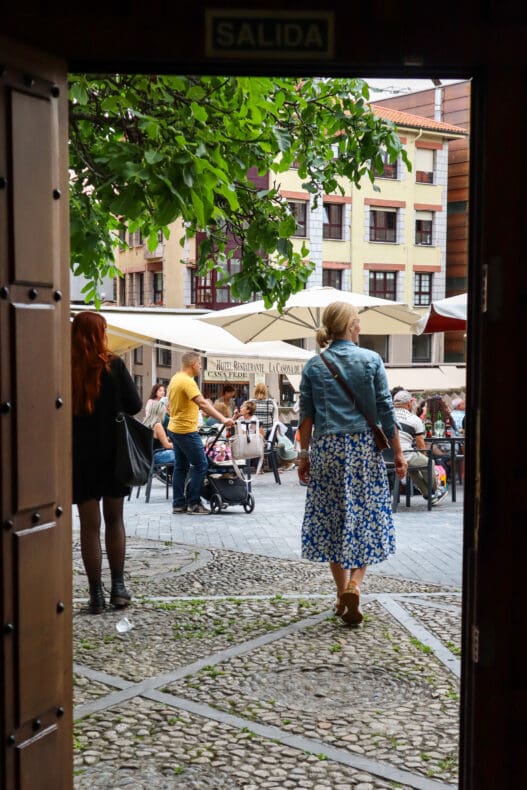
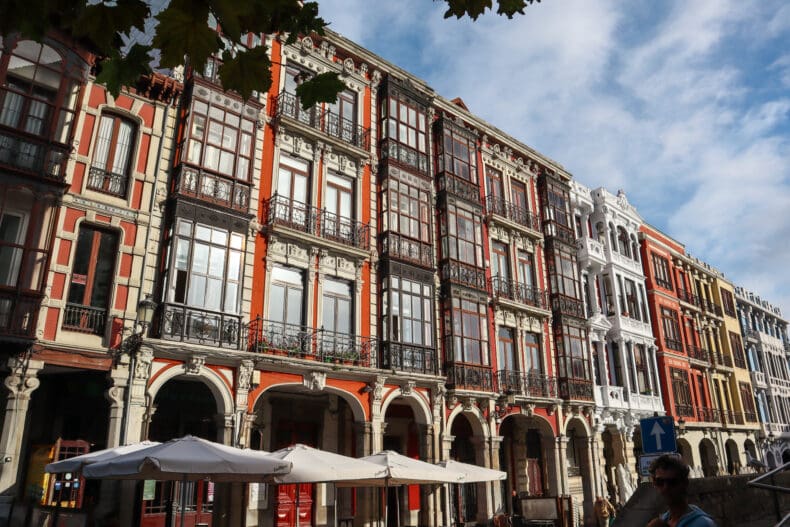
Avilés is a quaint port town tucked between Gijón and Oviedo. Once primarily recognized for its industry, the city has beautifully restored its historic center in recent years, which has now become its main attraction. The old town is compact yet full of charm, with historic buildings featuring arcades along the ground floor. At the Plaza de España, you can admire the 17th-century town hall and the magnificent Palacio de Avilés.
At the mouth of the river stands the eye-catching Niemeyer Center, designed by the renowned Brazilian architect Oscar Niemeyer. This striking white, modern building provides a bold contrast to the old town and has become a symbol of contemporary Avilés. Inside, the center hosts exhibitions, concerts, and film screenings, making it a lively hub for arts and culture.
For a memorable stay, the iconic Palacio de Avilés at Plaza de España is a top pick. From there, wander along the photogenic Calle Galiana toward the charming Plaza Carbayedo, where inviting terraces and local restaurants await. I highly recommend GastroPub Plazas, with its flavorful dishes and enchanting inner courtyard, perfect for a leisurely and relaxing meal.


Our first journey through Asturias was a self-guided adventure with our camper and two little kids, allowing us to discover the region at our own pace. Two years later, we had the opportunity to return in partnership with Turismo Asturias, which added a whole new layer of insight and experience to our exploration.