On my second visit to Brno I stood under the centuries-old beams of a church attic and walked down into water reservoirs that looked like underground cathedrals. Quite a contrast with my first visit, which I mostly remember for packed terraces, students on every square and coffee bars where half an afternoon disappears before you know it.
That first time, Sebastiaan and I were road-tripping through Czechia with our daughter, still a baby back then, and we stopped in Brno, the country’s second city. Later I came back on my own by train, on a press trip through Bohemia and Moravia. This time I had more time for some of the city’s more unusual sights, including a unique villa that was decades ahead of its time. Not exactly something you do with a baby in tow.
In this blog you’ll find the best things to do in Brno, where to stay and where to grab a coffee, a beer or a bite. I’ll also share my favourite day trips from the city, for when you want to see more of Moravia after all those attics and reservoirs.
What is Brno known for?
Brno is known for three things: an underground world of cellars and crypts, modernist architecture and a lively nightlife. On top of that, it’s the capital of South Moravia, Czechia’s wine region.
Beneath the old town lies a whole network of cellars, tunnels and crypts. You can wander through medieval storage cellars under the vegetable market, come face to face with thousands of skulls under St James Church and head down into a Cold War bunker.
Between the two world wars, Brno was a testing ground for functionalism. Villa Tugendhat by Mies van der Rohe is the best-known example and is on the UNESCO World Heritage List, but you’ll spot sleek, light-filled buildings from that era all over the city.
With tens of thousands of students, Brno is a proper student city. You notice it in the coffee bars on every corner and in the cocktail scene, which is surprisingly big for a city this size.
The vineyards of South Moravia start just outside town. In the vinotékas in the centre you can simply try the local white wine by the glass.
How do you get to Brno?
Brno is in the south-east of Czechia, roughly halfway between Prague and Vienna. By train it takes two and a half to three hours from Prague and about an hour and a half from Vienna. Bratislava and Olomouc are also around an hour and a half away by rail.
On my second trip I travelled by train the whole way. I took the European Sleeper night train from Amsterdam to Prague, continued via Olomouc to Brno and went home from Vienna on the Nightjet. You can book your train tickets to Brno here.
Flying in? Brno has a small airport with only a handful of international routes, so most travellers fly into Vienna or Prague. From Vienna airport, a bus or train gets you to Brno in about two hours. Compare flights here.
Two days is enough for Brno itself. Stay three nights and you’ll also have time for a day trip to Lednice or the Moravian Karst.
→ Discover our Czechia train route in 5 stops
Where to stay in Brno
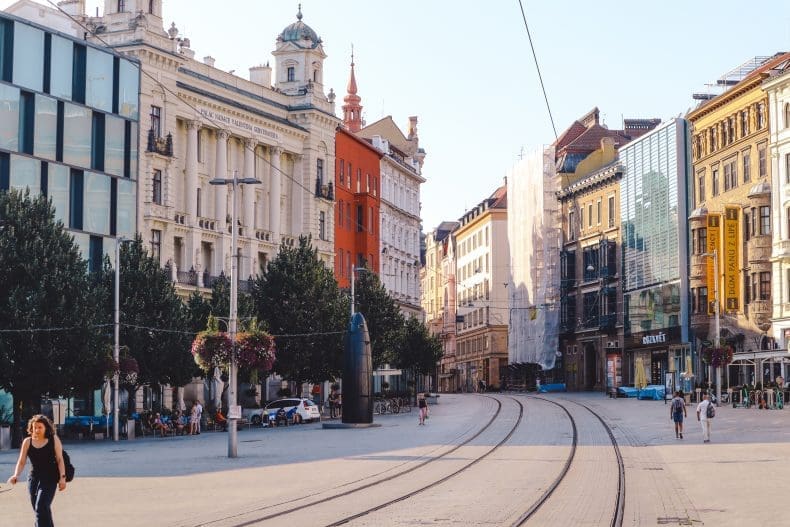
The best place to stay in Brno is the historic centre, inside the ring of parks around the old town. Everything is within walking distance, and after an evening on a terrace you’re back at your hotel in no time. Arriving by train? The main station sits on the edge of the centre, so you’re on the squares within ten minutes.
On our first trip we rented an apartment right in the centre with our baby. These are the hotels I’d recommend:
#1 Hotel International sits at the foot of Špilberk hill. This is where I stayed on my second visit: a solid hotel with a generous breakfast and a really central location. Náměstí Svobody is a few minutes away on foot, and so is the path up to the castle.
#2 Grandezza Hotel Luxury Palace is housed in a grand historic building on Zelný trh. Want to wake up in the heart of the old town? Here you look straight out over the market stalls in the morning.
#3 Hotel Avion is the slim functionalist hotel designed by architect Bohuslav Fuchs in the late 1920s, so a great pick if you love architecture. It’s on Česká shopping street, with Náměstí Svobody just around the corner.
#4 Grand Palace Brno is an elegant hotel close to the cathedral, with its own spa. Ideal if you’re after a bit more luxury for a weekend away as a couple.
#5 Hotel Continental is on the northern edge of the centre and has family suites for four. Handy if you’re travelling with kids, and it’s about a ten-minute walk to Náměstí Svobody.
#6 Arte Brno is a budget-friendly option in an 1898 building next to Lužánky park. Villa Tugendhat is within walking distance, and so is the old town.
Things to do in Brno: 16 tips
Brno is compact: almost everything below is within walking distance. Short on time? Here are the top ten at a glance:
- Villa Tugendhat
- St James Church and the ossuary
- Špilberk Castle
- Náměstí Svobody and the marble clock
- Old Town Hall
- Zelný trh and the labyrinth
- Cathedral of St Peter and Paul
- Underground water reservoirs
- Bunker 10-Z
- Cocktail bars
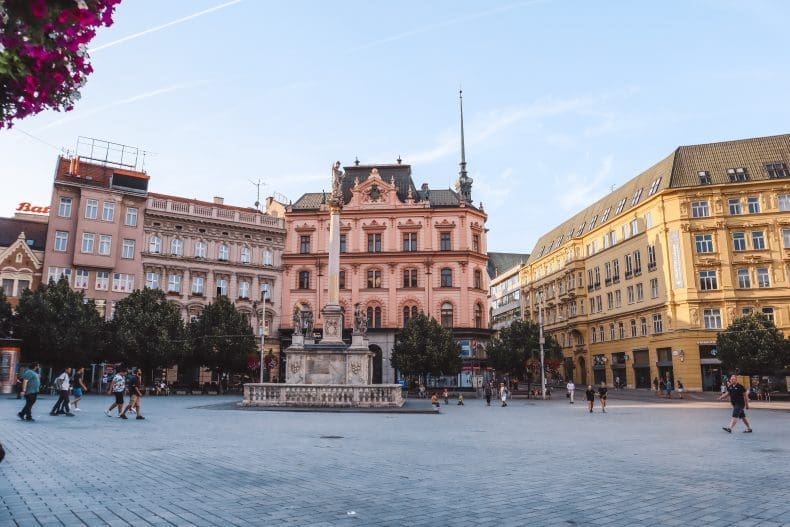
#1 Náměstí Svobody: the square with the marble clock
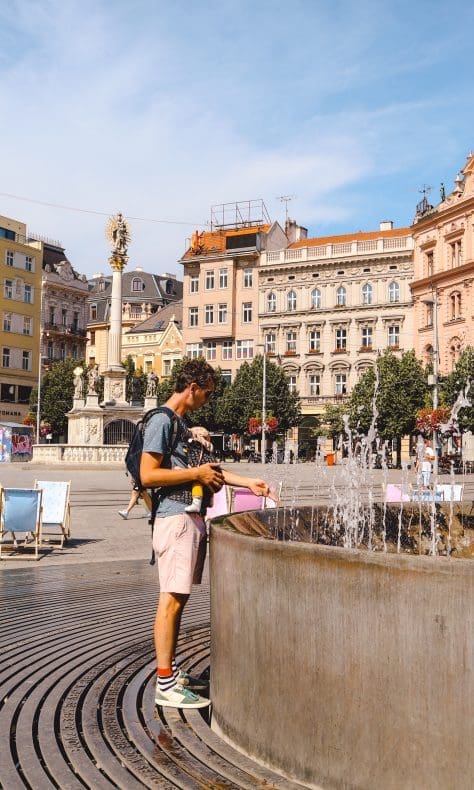
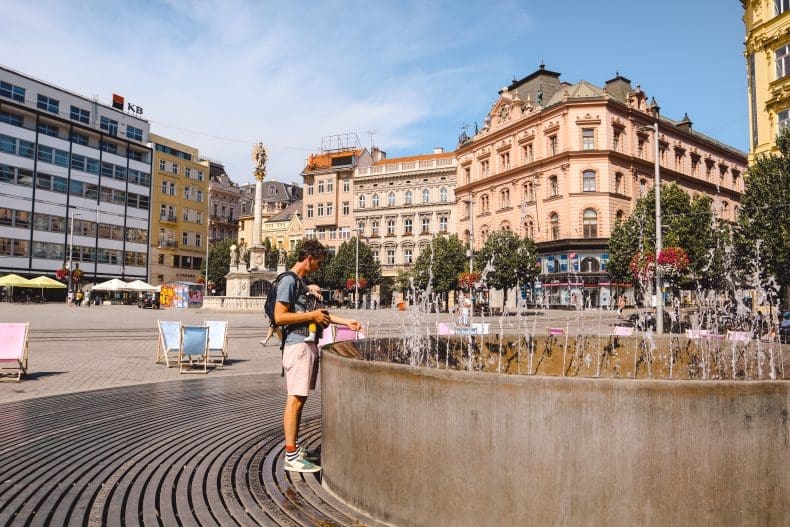
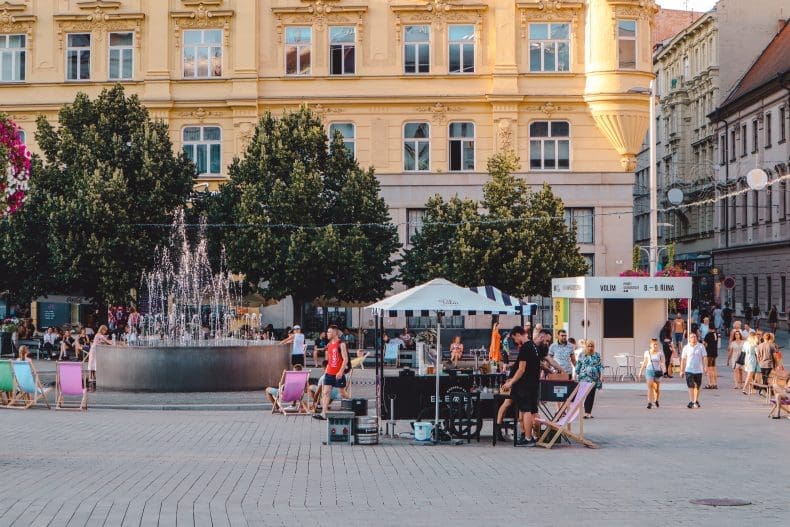
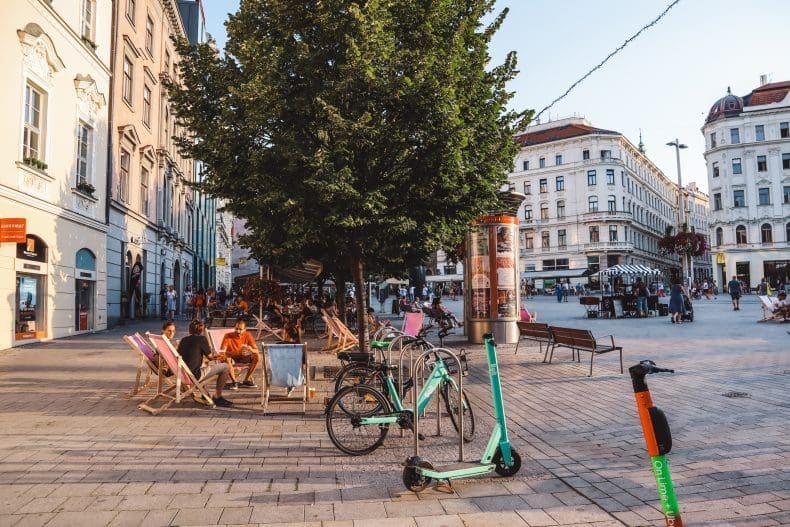
All roads in Brno seem to lead to Náměstí Svobody, Freedom Square. It’s a large triangular square with a baroque plague column, a fountain and terraces along the facades. Locals meet here, trams rattle past and on summer evenings it’s always busy.
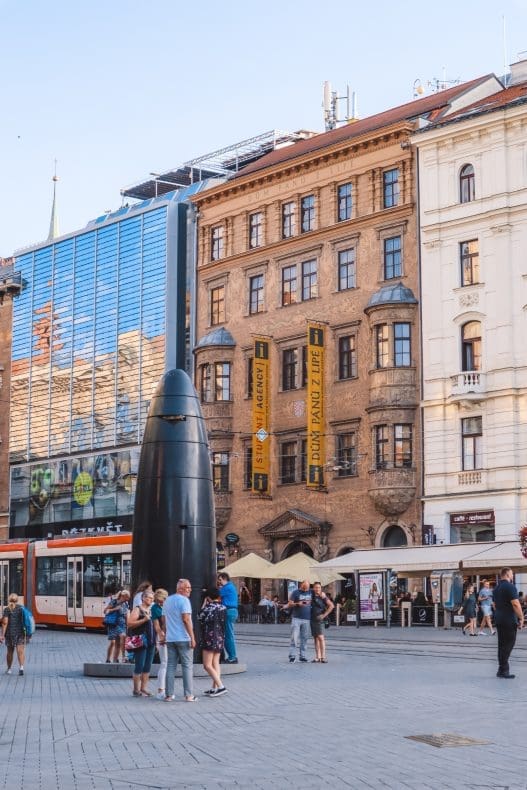
The most talked-about object on the square is the black astronomical clock. It isn’t astronomical, and you can’t actually read the time on it either. According to its makers it represents a bullet, but most passers-by are reminded of something else entirely. We certainly were.
Every day at 11am a glass marble rolls out of one of the four openings on the side. Whoever catches it gets to keep it. That’s why people start queuing with their hand in an opening from around ten, and some of them are serious collectors. It’s quite a sight: four grown-ups with their arms stuck in a giant black column.
Why 11 o’clock? Legend has it that the Swedes besieged Brno in 1645 and their general promised to retreat if the city hadn’t fallen by noon. So the defenders rang the bells twelve times at eleven, and the Swedes marched off. Ever since, the cathedral has rung noon at 11am.
#2 Old Town Hall: a dragon, a wheel and a crooked turret
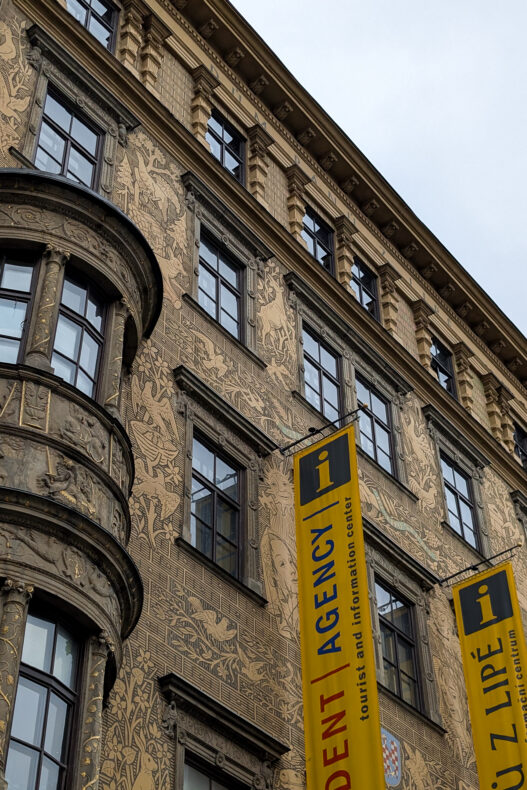
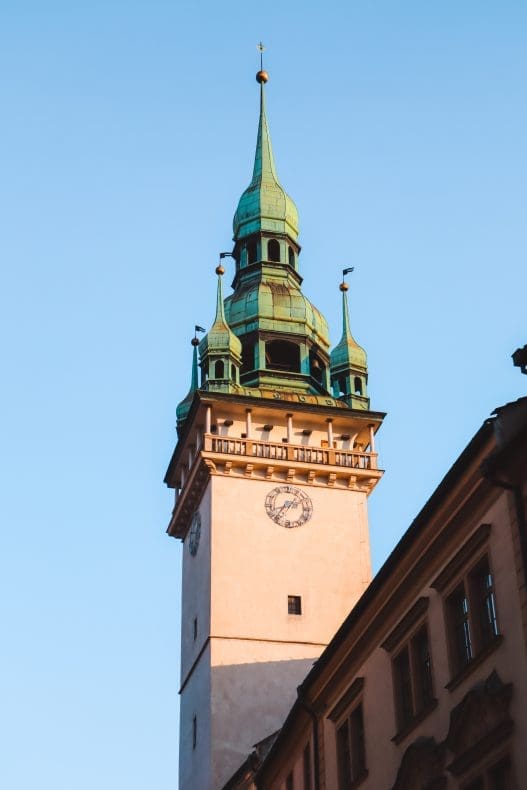
The Old Town Hall (Stará radnice) is one of the oldest buildings in Brno and it’s packed with local stories. In the passageway hangs the Brno dragon, which is actually a stuffed crocodile. Legend says it terrorised the city until a clever local fed it an animal skin stuffed with quicklime.
Take a look at the Gothic portal too. The middle turret above the door is crooked. Supposedly master builder Anton Pilgram did that on purpose because the council underpaid him. Further along the passage hangs a wooden cartwheel, made by a wheelwright who bet he could fell a tree, turn it into a wheel and roll it to Brno, all in a single day.
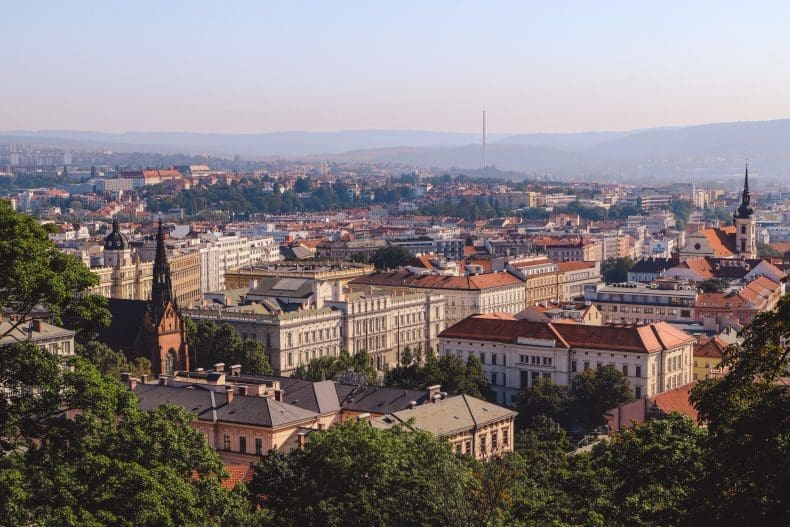
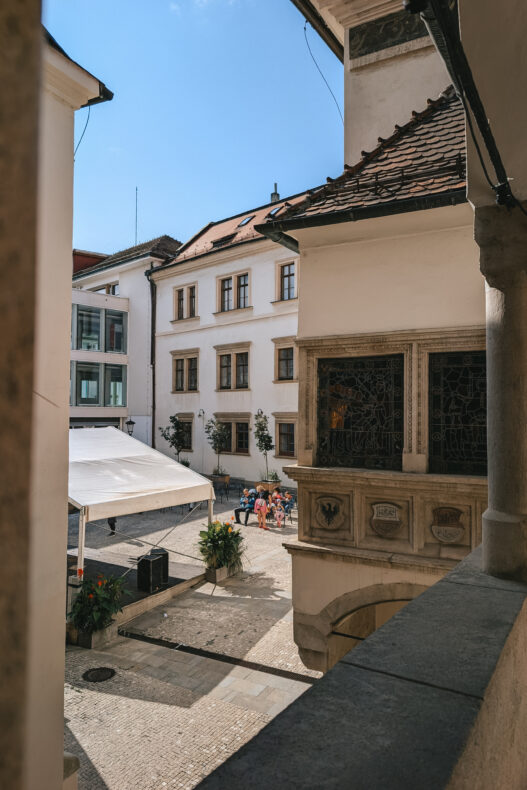
Don’t skip the 63-metre tower. I climbed it on my last morning, and from the top you look out over the rooftops of the centre and down onto the courtyard with its stained-glass oriel window.
#3 Zelný trh: vegetable market and underground labyrinth
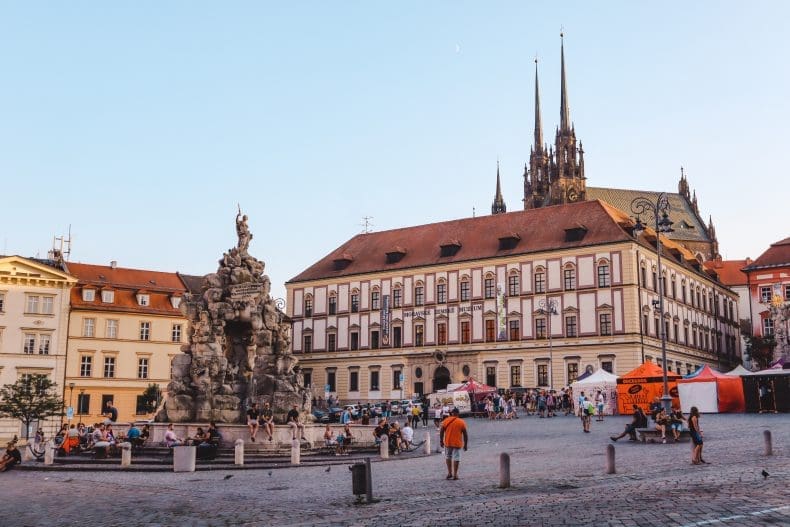
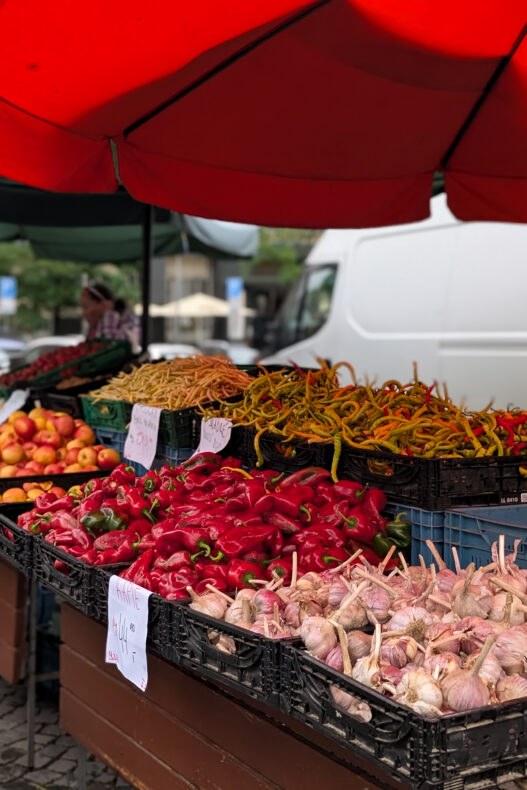
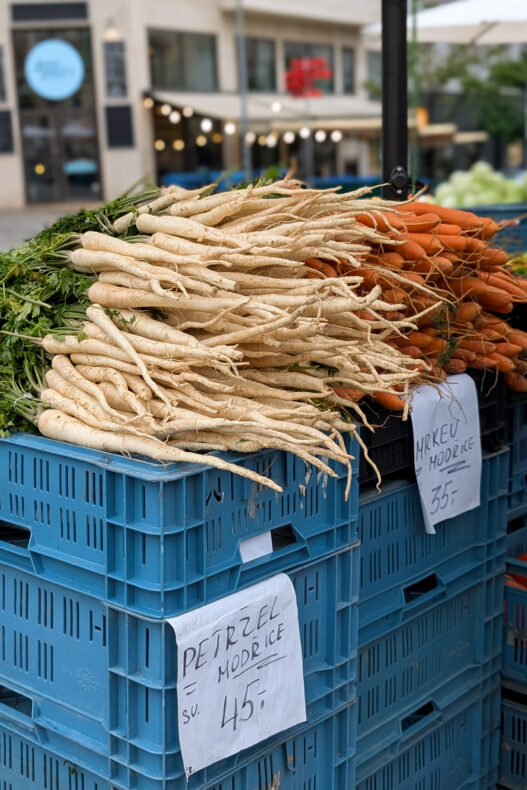
Zelný trh, the Cabbage Market, has been Brno’s market square since the Middle Ages. Every morning there are still stalls selling vegetables, fruit, flowers and honey. In the middle stands the baroque Parnas Fountain, for centuries one of the city’s main water sources. The market is closed on Sundays.
Under your feet lies the Labyrinth under Zelný trh: a network of cellars where locals used to keep food and beer cool. On a guided tour you walk through the vaults and hear how people traded, punished and brewed here in the Middle Ages.
→ Discover the best walking tours in Brno
#4 Cathedral of St Peter and Paul
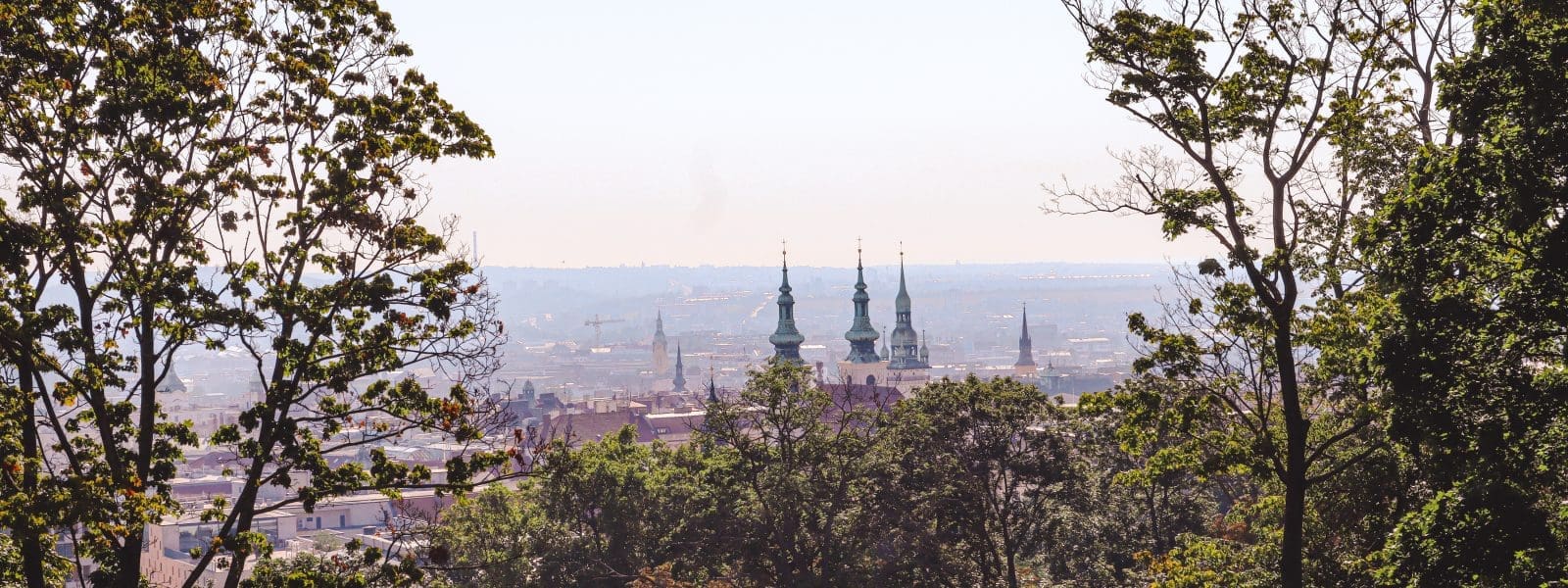
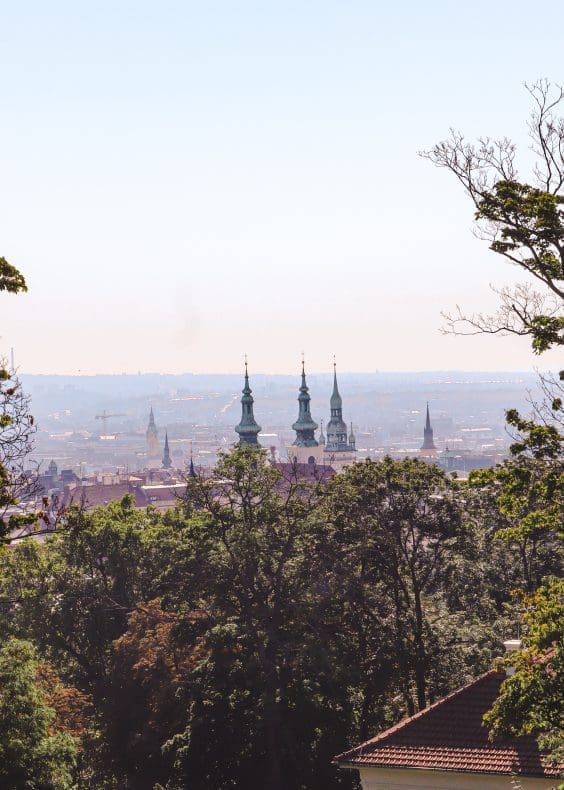
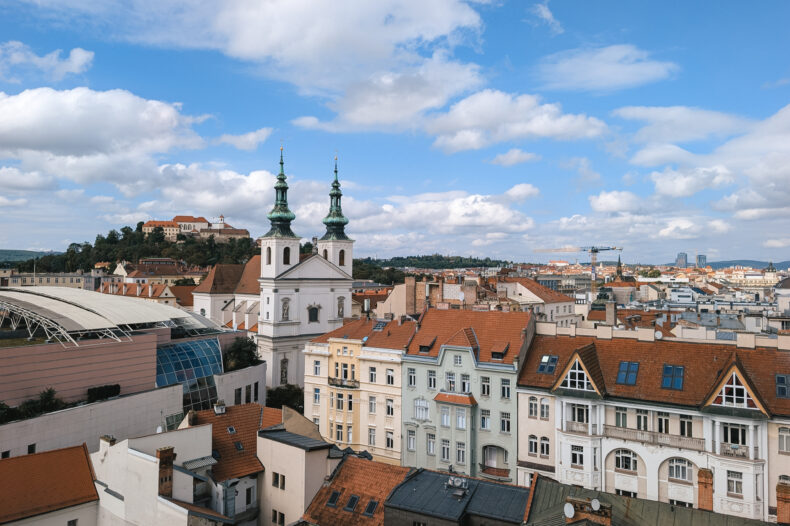
High on Petrov hill stands the Cathedral of St Peter and Paul, its two spires visible from all over the city. There was already a church here in the 11th century, but the neo-Gothic silhouette you see today only dates from the early 20th century.
This is where the bells ring noon at 11am, a reminder of the trick that fooled the Swedes. The towers are about 84 metres high and have a viewing point. The little park around the cathedral also has lovely glimpses over the city and across to Špilberk.
#5 St James Church: the route under the roof
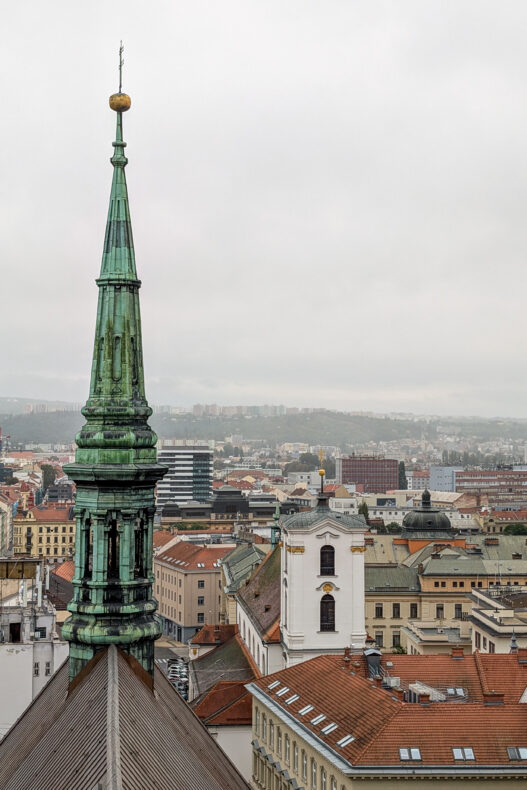
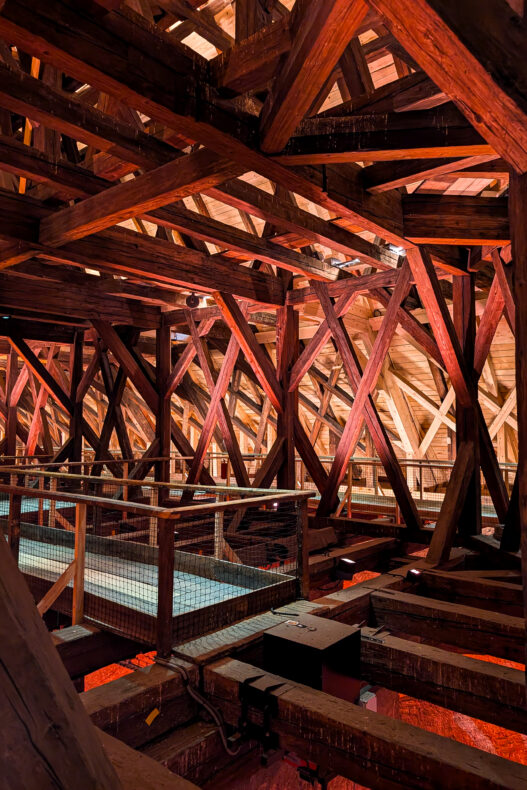
My favourite thing to do in Brno is up in St James Church (Kostel sv. Jakuba). For a few years now you’ve been able to walk right under the roof, between the centuries-old wooden rafters. I’d never been this close to the roof of a church before, and with the lighting between the beams it almost feels like a stage set. Seeing this hidden part of a church for real was spectacular.
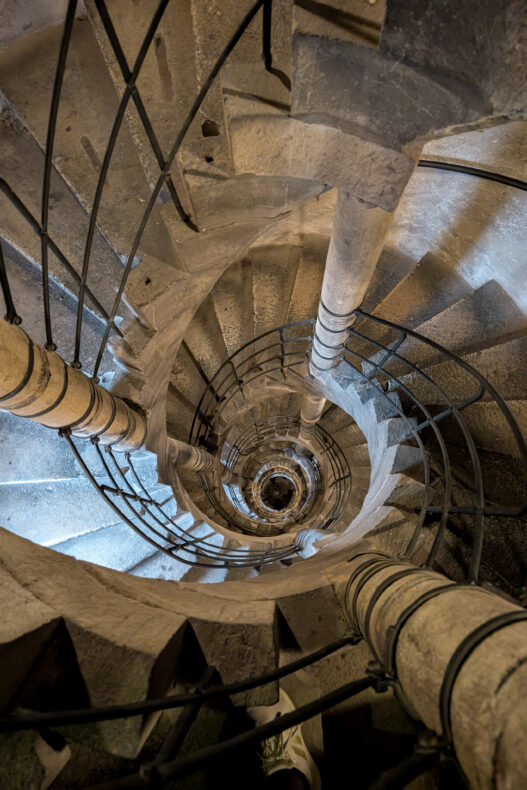
Next, you climb the 92-metre tower via a rather special double spiral staircase. You pass the church bell and end up at the top with a gorgeous view over Brno.
#6 The ossuary under St James Church
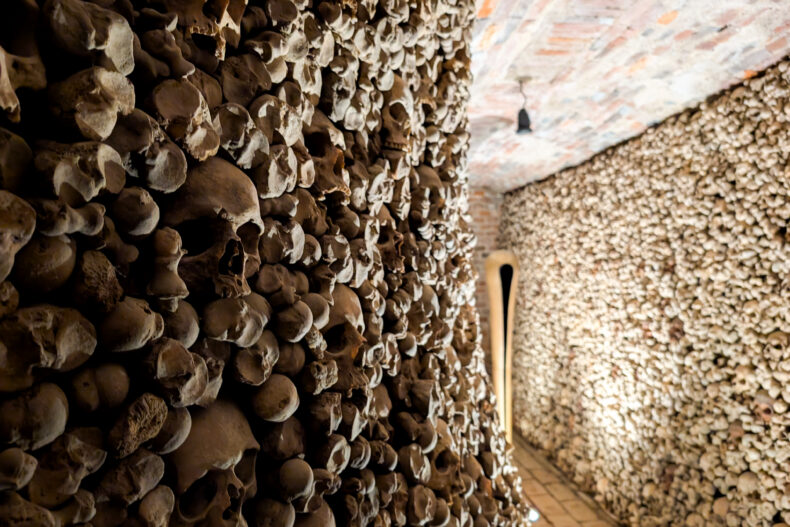
Under the same church you can also head underground, to the Brno Ossuary. When the churchyard next door filled up, the bones were moved to underground chambers. They were only rediscovered by chance in 2001. The remains of an estimated 50,000-plus people lie here, making it one of the largest ossuaries in Europe. In some of the skulls you can still see bullet holes.
I visited the ossuary just before climbing the church tower, so the two are easy to combine. Impressive and a little bit creepy, so I’d skip it with young kids.
#7 Špilberk Castle
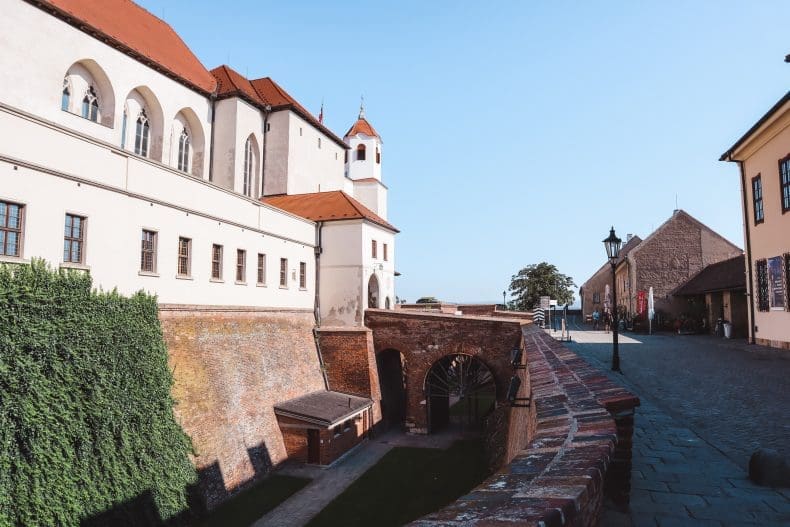
Above the centre sits Špilberk Castle, first a royal fortress and later one of the most notorious prisons of the Habsburg Empire. During the Second World War the Nazis held political prisoners here. Today it’s a museum about the history of the city, with exhibitions in the casemates.
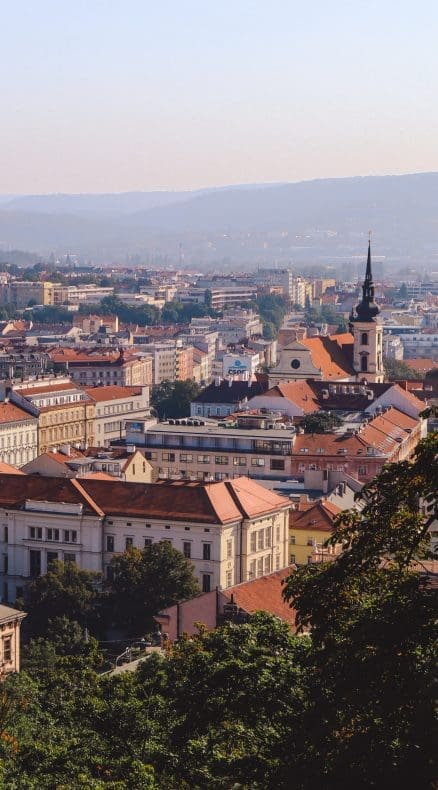
You don’t have to go inside to enjoy it. I’ve climbed the hill twice now without setting foot in the castle, just for the park and the view over the rooftops to the cathedral spires. Want to go higher? Then climb the castle’s lookout tower, although you’ll need a ticket for that.
#8 Bunker 10-Z
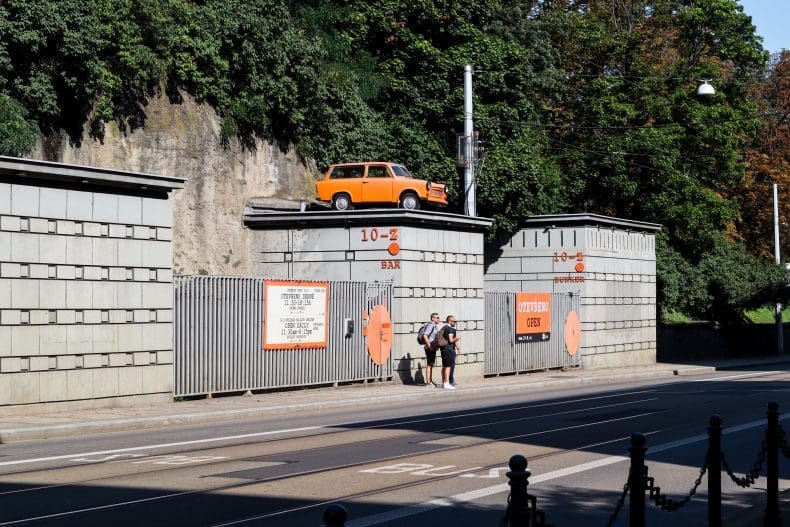
At the foot of Špilberk you’ll find one of Brno’s strangest sights: Bunker 10-Z. It was built during the Second World War as an air-raid shelter. In the Cold War it was turned into a nuclear shelter for senior city officials, and for years the people of Brno didn’t even know it existed.
Today you walk through the tunnels and rooms as they were fitted out during the Cold War. It feels a bit like a film set, except it’s all real.
#9 Villa Tugendhat
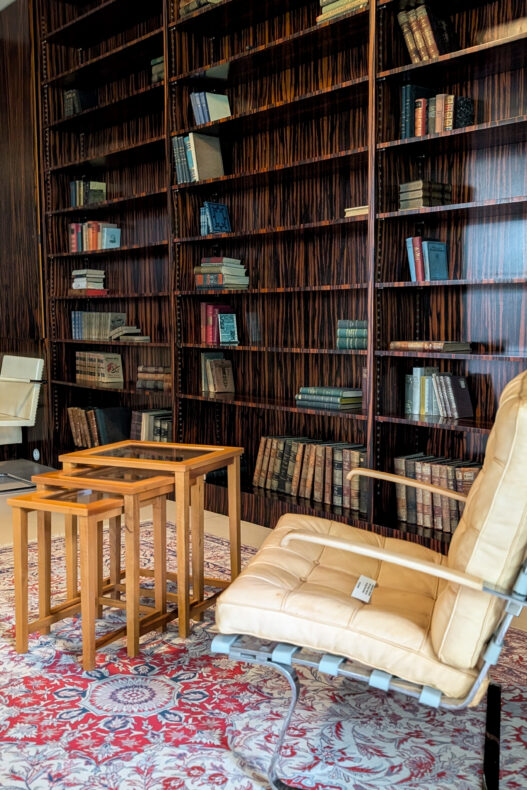
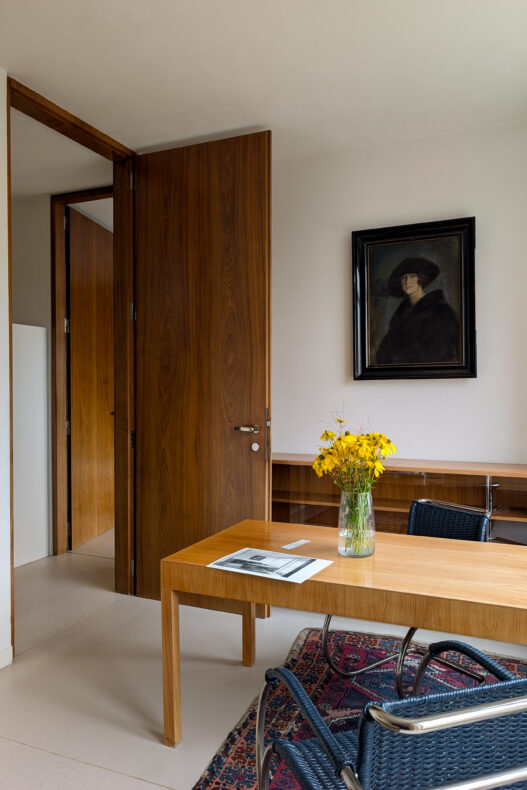
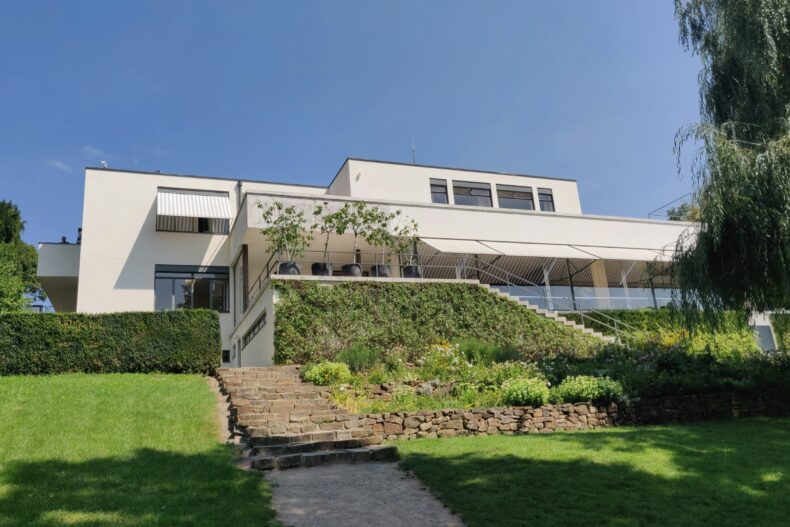
Brno’s most famous building isn’t a church or a castle, but a family home. Ludwig Mies van der Rohe designed Villa Tugendhat between 1928 and 1930 for Grete and Fritz Tugendhat. Since 2001 it’s been on the UNESCO World Heritage List.
It was one of the highlights of my whole trip. The guided tour shows you how clever and forward-thinking the house was for its time. The living room is one big open space, divided by elements such as a freestanding wall of onyx from Morocco’s Atlas Mountains. The stone is partly translucent: when the evening sun is low, the light shines through and turns the wall golden to red.
Even more impressive is the glass wall on the garden side. Two huge panes of roughly five by three metres slide down into the basement with an electric motor, just like a car window. Open them up and the living room flows straight into the garden, with a view over Brno. In the basement you can still see the machine room, along with one of the earliest air-conditioning systems in a private home. That all this was built around 1930 is exceptional. If you’re into architecture, this is a must.
You can only visit on a guided tour, and those often sell out months in advance. So book as soon as your dates are fixed via the official Villa Tugendhat website. The villa is a little outside the centre, but the tram gets you there easily. Too late to book? Two other villas nearby, Villa Löw-Beer and Villa Arnold, show a completely different style, and you can just walk in on the day and buy a ticket.
#10 Underground water reservoirs on Žlutý kopec
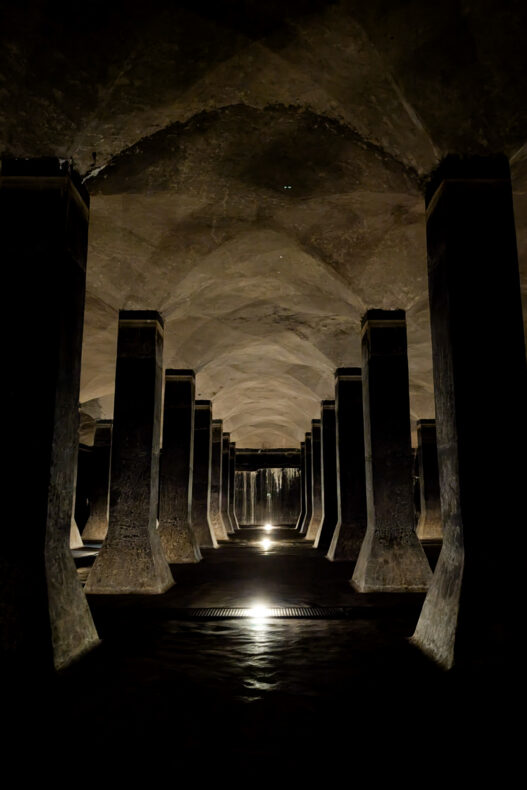
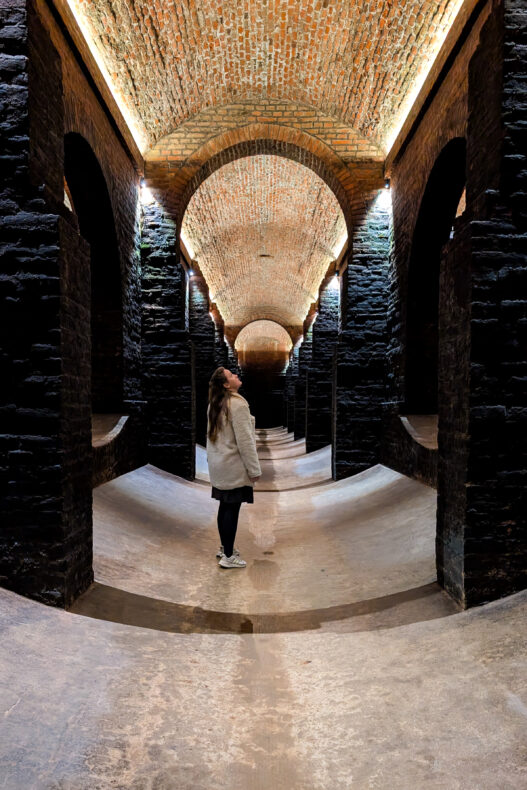
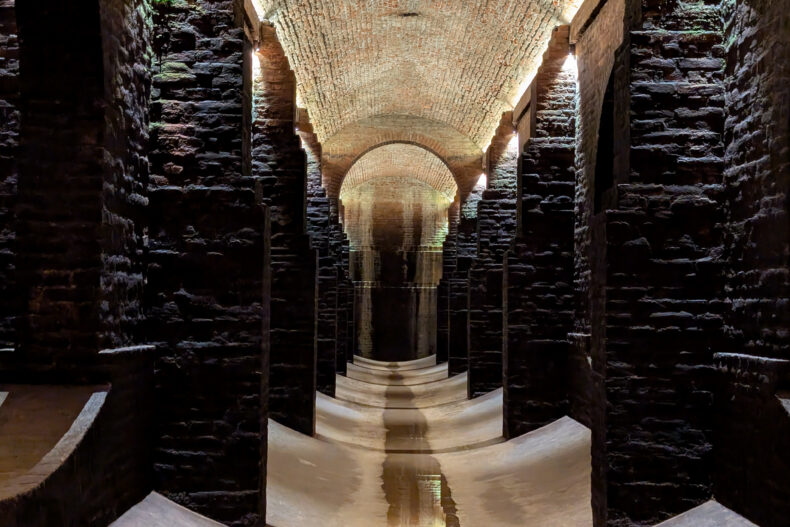
Under the grass of a park on Žlutý kopec, just outside the centre, lie three water reservoirs from 1874, 1894 and 1917. Two are brick and one is concrete. For years they supplied the city’s drinking water, and since they fully opened to visitors in 2024, they’ve become one of Brno’s newest attractions.
I saved them for my last day and was completely blown away. Rows of brick pillars disappear into the half-light and the water mirrors the vaults. On the tour you pass through several reservoirs, each lit up mysteriously and every bit as photogenic.
Tickets aren’t cheap, but entry is included in the BRNOPAS+ with water reservoirs (see the tip below).
#11 Capuchin Crypt
Still not had enough of the underground? In the crypt beneath the Capuchin Church, close to Zelný trh, lie dozens of mummified monks and a handful of nobles. A clever ventilation system dried out their bodies naturally. The monks still lie in their habits, some with a brick for a pillow. Fascinating, but not for the squeamish.
#12 Moravské náměstí and the horse with the long legs
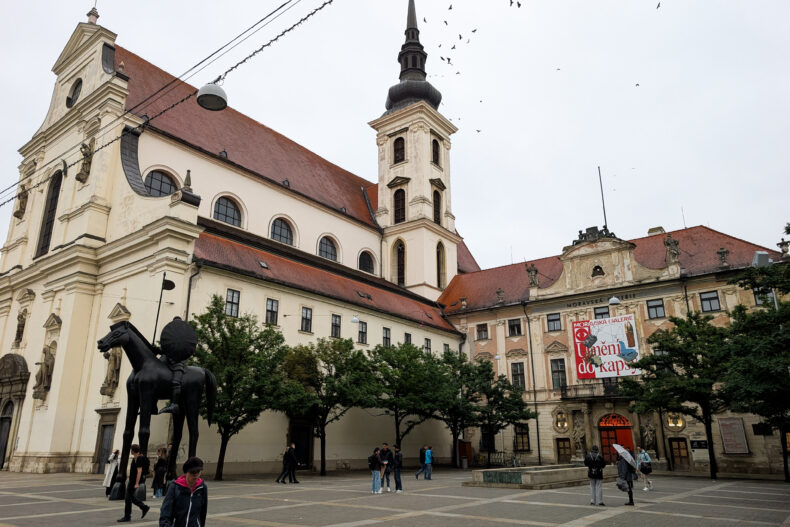
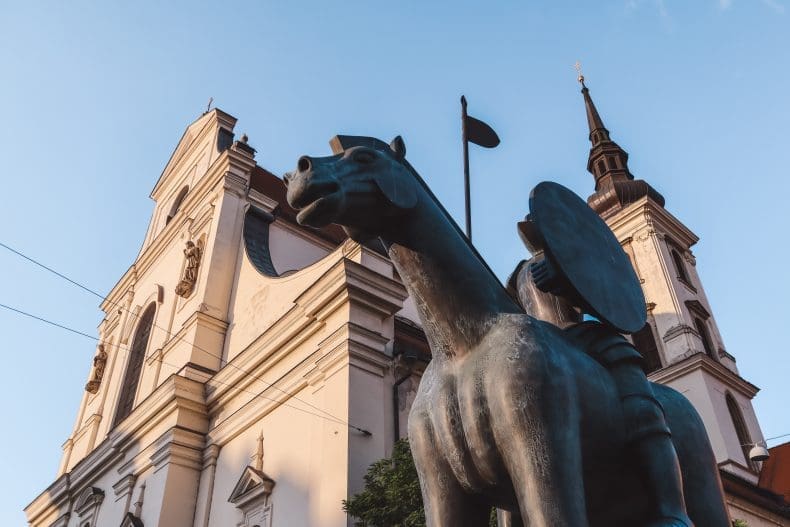
On Moravské náměstí stands one of the city’s most eye-catching statues: a bronze rider on a horse with extremely long, thin legs. It depicts Margrave Jobst of Luxembourg and is called Odvaha, Czech for courage. The statue is best known for the rather curious view you get when you stand underneath and look up. Go on, try it, and you’ll understand why everyone here is laughing.
On the same square is the Governor’s Palace, one of the buildings of the Moravian Gallery, the second-largest art museum in Czechia. You can also visit its art depot, the first public depot in the country. Then stroll on to the Janáček Theatre, Brno’s opera house, named after composer Leoš Janáček, who lived in Brno for much of his life.
The square is also home to Place Store. Looking for a souvenir that didn’t come off a factory line? You’ll find fashion, jewellery and design pieces from Czech brands and local designers here.
#13 VIDA! Science Centre
Travelling with kids? Then VIDA! at the exhibition grounds is a great rainy-day option. At this interactive science museum children are allowed to touch everything: they can make a tornado, test their reaction speed and find out how the human body works.
#14 Brno Reservoir
Fancy a break from the city? Take the tram to Brněnská přehrada, the reservoir on the north-western edge of Brno. In summer locals come here to swim and picnic on the banks. From spring to autumn a boat sails across the lake to the fairytale-like Veveří Castle.
#15 Food and drink in Brno
If you come to Brno to eat and drink, you won’t go hungry. The city is full of coffee bars, lunch spots and wine bars, and as a vegetarian I found more choice here than in most Czech cities. On one trendy menu I even spotted a vegan kapsalon, advertised as “Dutch-style fries”.
For coffee and breakfast, head to Monogram Espresso Bar near Capuchin Square. For bread and pastries, William Thomas Artisan Bakery is a good shout. It has several branches in the centre, including one on Josefská.
On the press trip I had lunch at Pivovarský dům Poupě on Dominikánská, a restaurant with its own microbrewery. It’s named after František Poupě, a famous brewer who worked here around 1800 and founded the world’s first brewing school. On weekdays they serve a good-value lunch menu, and their own beer is well worth a try.
Another lunch tip is Soul Bistro, where I ate on my last day. A little bit hip, with a menu where it’s easy to find something tasty. Great for a healthy lunch.
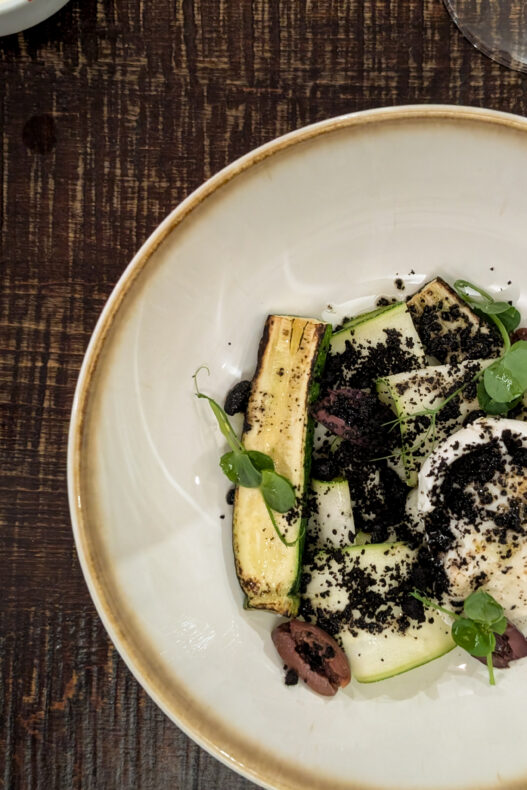
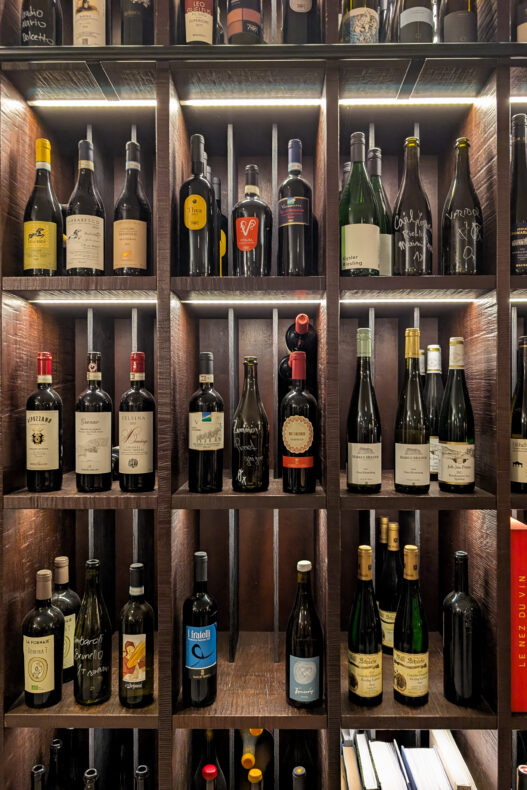
The best dinner of my trip was at Kohout na víně, a restaurant with an entire wall of wine bottles. The food was excellent, from starter to dessert. Fancy something different? Czechia has a large Vietnamese community, so Vietnamese food here is often very good. In the centre you’ll find Cà Phê Cổ on Jezuitská, for example.
Don’t forget the wine. Brno is the capital of South Moravia, and the vinotékas in the centre pour local white wine by the glass. Ask for a Pálava or a Ryzlink vlašský.
On warm days small, brightly coloured carts drive around the city, about the size of a tuk-tuk. At Božský kopeček you can get vegan ice cream from them, and in summer they’re often parked on Zelný trh and Moravské náměstí.
#16 Nightlife: Brno’s cocktail bars
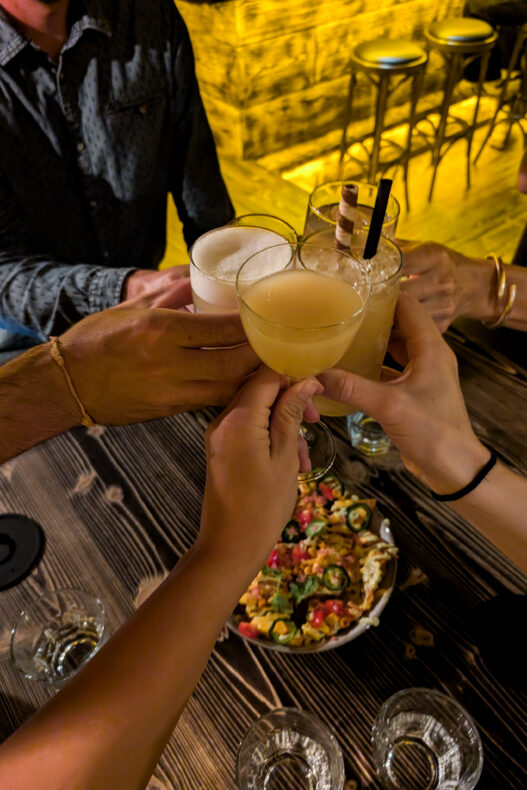
Once it gets dark, Brno shows it’s a student city. It’s known for its cocktail bars, and on my last evening I did a tour of some of the best.
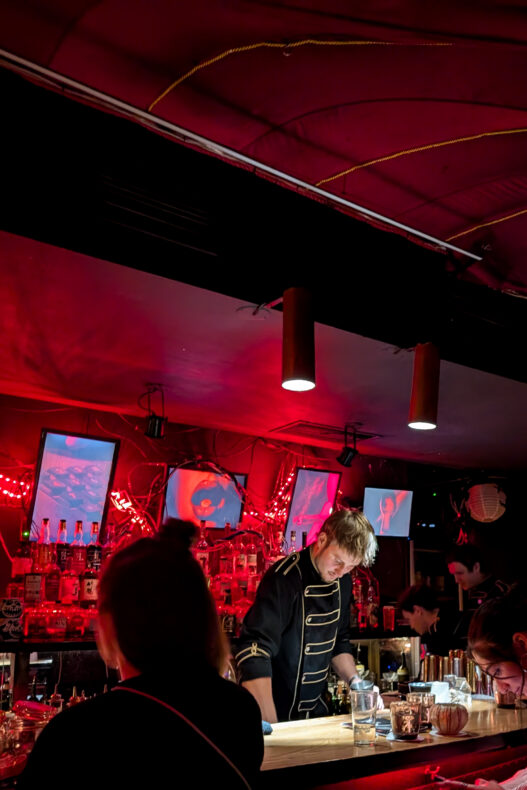
The local icon is Super Panda Circus on Šilingrovo náměstí. The setting changes to a new theme every fifteen minutes, with a cocktail menu to match, and the cocktails themselves are little works of art. Quite the experience.
Bar, který neexistuje, literally “the bar that doesn’t exist”, on Dvořákova is another great pick, as is Whiskáč on Běhounská, where whisky takes centre stage. Not drinking? Every bar also has excellent alcohol-free cocktails on the menu.
Tip: save money with the BRNOPAS
Planning to visit several sights? Then the BRNOPAS is worth considering. It’s available for one, two or three days and gives you entry to Špilberk Castle, the Old Town Hall and the ossuary, among others. There are also versions that include the water reservoirs or Villa Tugendhat. Public transport isn’t included. You’ll find tickets and the current options on the official BRNOPAS page.
Day trips from Brno
Brno is the largest city in Moravia and a perfect base for exploring the rest of the region. Castles, vineyards and caves are all less than an hour away.
#1 Lednice: fairytale castle and wine tasting
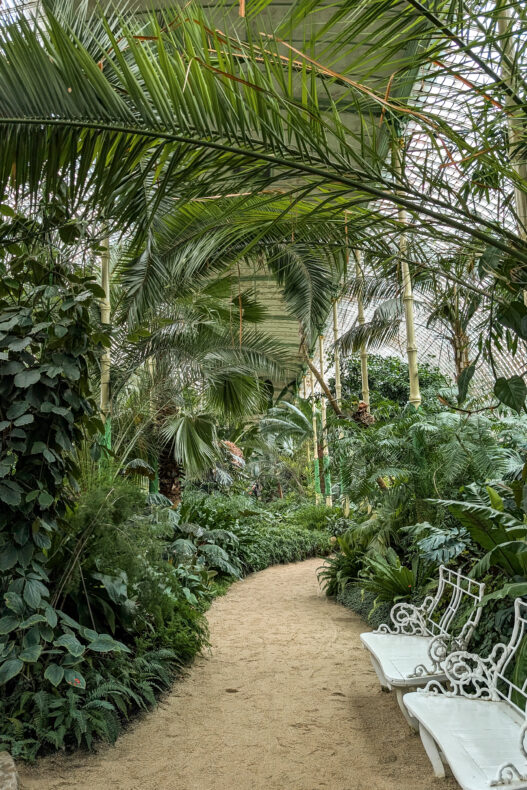
The day trip to Lednice was my personal favourite of the whole trip. The train takes half an hour to Břeclav, where you hop on a bus that gets you to the village in fifteen minutes. The neo-Gothic castle was the summer palace of the Liechtenstein family. Inside you’ll see richly carved wooden ceilings and chandeliers, outside a huge park with a minaret and historic greenhouses. The whole Lednice-Valtice Cultural Landscape is on the UNESCO World Heritage List.
For lunch, head to Pivovar Lednice, the village brewery, where a tasting board lets you try all their beers. In the afternoon I tasted local wines at the Knoll winery in an underground cellar, by candlelight and with a sharing board. Castle plus wine tasting really is the perfect combination.
→ Discover the palaces and parks of the Lednice-Valtice Cultural Landscape

#2 Mikulov
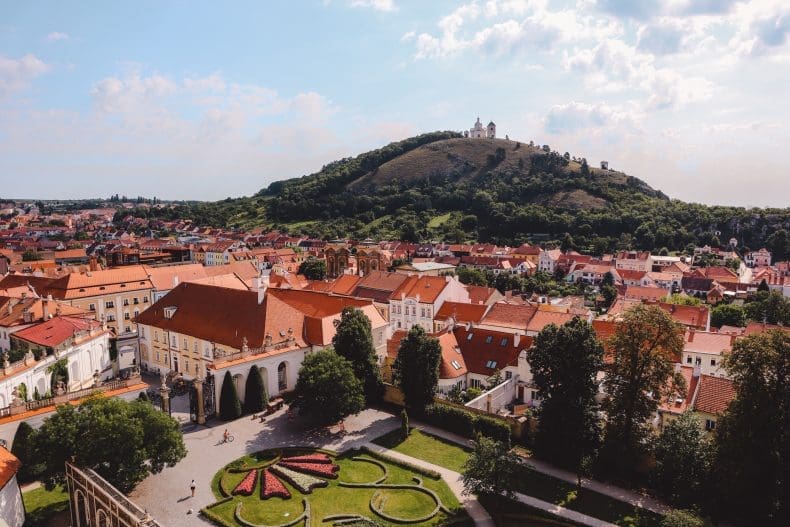
Another South Moravian gem is Mikulov, the wine town on the Austrian border. Its castle sits high on a rock above pastel-coloured houses, and from Holy Hill you can watch the sun set over the vineyards. It’s about an hour from Brno by train or car.
→ Discover Mikulov, Moravia’s picturesque castle village
#3 Moravian Karst
North of Brno lies the Moravian Karst (Moravský kras), with more than a thousand caves. The best known are the Punkva Caves. You first walk through the caves to the bottom of the Macocha Abyss, a chasm over a hundred metres deep, and then glide by boat along the underground Punkva river. By train to Blansko and then by bus, you’re there in about an hour. Book cave tickets in advance via the official website.
#4 Olomouc
Olomouc is about an hour and a half by train and isn’t called the little Prague of Moravia for nothing. After Prague, it has the most historic monuments in Czechia, including an astronomical clock and the Holy Trinity Column, a UNESCO World Heritage Site. I visited Olomouc on the same train trip and would really recommend staying at least one night.
→ Discover the 15 best things to do in Olomouc

#5 Vienna or Bratislava
From Brno, Vienna is quicker to reach by train than Prague. That makes the Austrian capital a logical last stop, especially if, like me, you want to take the Nightjet home. Bratislava, the capital of Slovakia, is also about an hour and a half away and makes an easy day trip.
How to spend one day in Brno
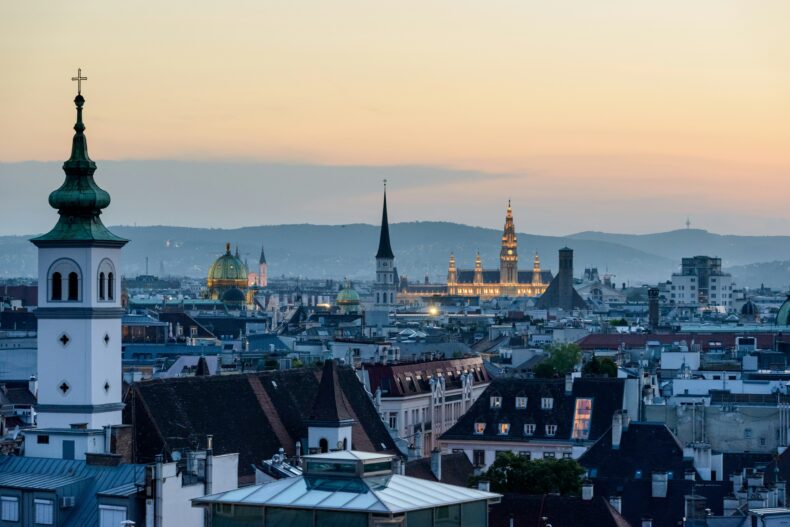
Only have one day? Start early at the cathedral on Petrov hill and walk via Zelný trh and the Old Town Hall to Náměstí Svobody. Around 11am you can watch the marble drop; if you want a chance to catch it yourself, get there earlier. Then head up under the roof of St James Church to the tower and down into the ossuary. Have lunch at Poupě and in the afternoon walk up to Špilberk and Bunker 10-Z. Managed to book a tour of Villa Tugendhat? Then plan it for the afternoon. End the day with dinner and a cocktail in one of the bars around the centre.
My second visit to Brno was part of this train journey through Czechia, at the invitation of #VisitCzechia in collaboration with Prague City Tourism, Olomouc Tourism, Central Moravia, Brno Tourism and South Moravia.
Enjoy our travel tips? Add The Orange Backpack as a preferred source on Google and you'll see us more often in your search results.
More tips for your trip to Brno
 Our pickHotels in Brno: stay in the centre, a short walk from Freedom Square
 Hop on the night train and wake up in Prague. Book your train tickets to Czechia with NS International.
 Want to tick off castles and national parks at your own pace? Rent a car in Prague with Discover Cars and compare the big rental companies in one go.
 No flight yet? Compare flights to Prague or Brno.
 Into architecture? Book a themed walking tour of Brno on GetYourGuide, with the Villa Tugendhat garden as an option.
 Prefer everything arranged? Browse Czech Republic tours on TourRadar.
 Discover all our blogs about Czechia


