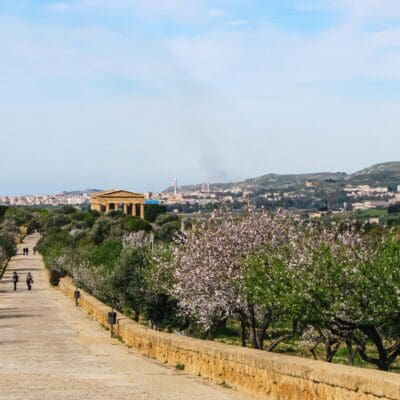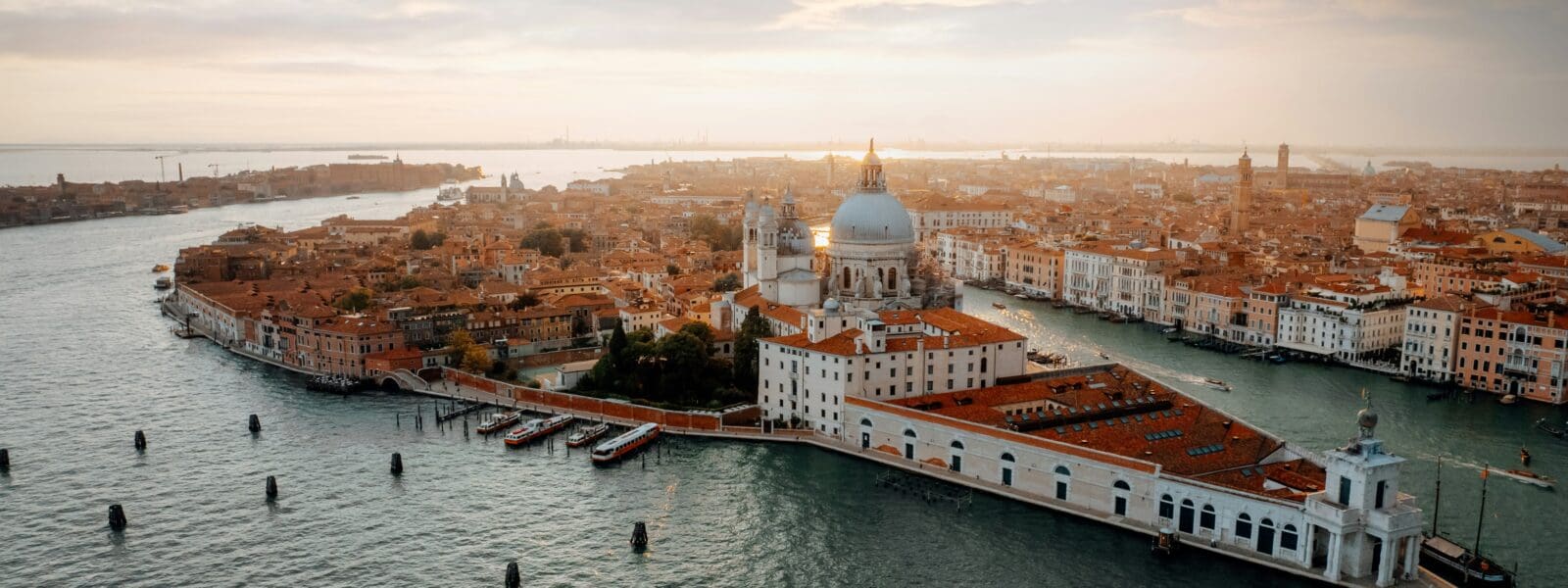
From fashion-forward Milan to the turquoise lakes of the Dolomites, and from the canals of Venice to the candy-coloured villages of Cinque Terre: a Northern Italy road trip squeezes a whole country’s worth of highlights into two weeks. You’ll swap art-packed cities for mountain hikes, an evening on Lake Garda and a few days by the sea. No wonder it’s one of the most popular road trips in Europe.
Sebastiaan first wandered the streets of Verona as a kid on holiday with his parents, and we’ve happily returned to the north of Italy since. In this guide we share the itinerary we’d recommend to anyone: 14 nights, nine stops, and for every stop the hotels we’d book and where to leave the car.
The route at a glance
- Milan: 2 nights
- Lake Garda (Sirmione): 1 night
- Verona: 1 night
- Dolomites (Cortina d’Ampezzo): 2 nights
- Venice: 2 nights
- Florence: 2 nights
- Pisa and Lucca: 1 night
- Cinque Terre: 2 nights
- Milan: 1 night

When is the best time for a Northern Italy road trip?
The best time for a road trip through Northern Italy is spring (April to June) or autumn (September and October). It’s warm enough for terraces and hikes, but you’ll share the cities with far fewer people than in summer.
Keep an eye on the mountains, though. In the Dolomites many cable cars and mountain huts only open from mid-June and close again in October. Want to hike high up? Then plan the trip for June or September.
July and August are the busiest and hottest months. Venice, Florence and Cinque Terre are packed, and the cities can top 35 degrees. In winter you’ll have the cities almost to yourself and Milan and Verona are beautifully decorated, but then the Dolomites stop is all about skiing rather than hiking.
Getting there and renting a car
Most international flights land in Milan, at Malpensa or Linate, which makes it the perfect place to start and finish this loop. Driving down from elsewhere in Europe works too, and it’s often cheaper, but it eats up a day or two of your holiday each way.
Flying in? Pick up a hire car in Milan, but only once you’re leaving the city, because you won’t need it there. We’d suggest comparing prices on Discover Cars, which lists all the big rental companies in one search.
Driving in Italy: tolls, ZTLs and parking
On Italian motorways you pay tolls at the booths, by debit card, credit card or cash. Choose the lane with the card or ticket symbol, not the yellow Telepass lane, which is for subscribers only.
The one thing you really need to know about is the ZTL (Zona a Traffico Limitato). Almost every historic centre on this route has one, and if you drive in without a permit, a hefty fine lands on your doormat weeks later. Florence, Pisa and Verona have cameras at the entry points, and in Milan you pay for a day ticket to drive into the Area C zone on weekdays. Staying at a hotel inside a zone? Ask in advance whether they’ll register your number plate. Just visiting for the day? Park in a garage outside the centre and walk the last bit.
Two stops you’ll do entirely without the car: in Venice and Cinque Terre it stays parked. More on that below.
The perfect 2-week Northern Italy itinerary
This route starts and ends in Milan, so it works whether you fly in or bring your own car. You head east first, past Lake Garda and Verona into the mountains, then drop down to Venice before crossing over to Tuscany and the coast. The longest driving days are Verona to Cortina and Venice to Florence, both about three hours.
#1 Milan: fashion, design and a rooftop to walk on (2 nights)
Milan is the obvious starting point: most flights land here and it’s a gentle warm-up before the mountains. The Duomo di Milano is the star of the show. You can go inside, but don’t skip the roof, where you walk between the marble spires with the whole city at your feet.
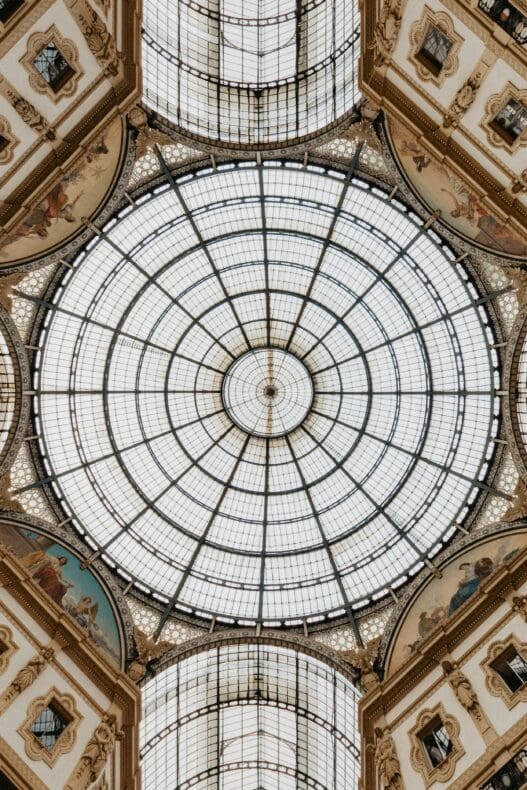
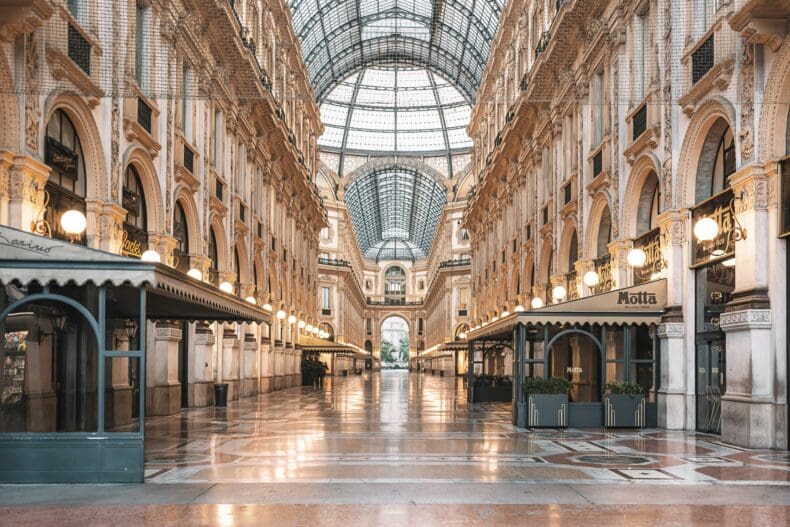
Right next to the Duomo is the Galleria Vittorio Emanuele II, one of the oldest shopping arcades in the world, with a glass dome that stops you in your tracks. From there, head to the Castello Sforzesco and the Brera district with its galleries and cafés. Want to see Leonardo da Vinci’s Last Supper? Book well ahead, as slots often sell out weeks in advance.
In Milan we’d stay at Hotel Spadari Al Duomo, an arty hotel with colourful rooms a few minutes’ walk from the Duomo. In the late afternoon there’s an aperitivo waiting in the lounge.
Antica Locanda dei Mercanti is a small hotel with just fifteen rooms in an 18th-century building, right between the Duomo, the Castello Sforzesco and Brera. Book a room with a private terrace and you’ll have your own outdoor spot in the heart of Milan.
Parking: neither hotel has its own car park. Arriving by car? Leave it in a garage on the edge of Area C and take the metro in, so you never have to drive into the centre.
#2 Lake Garda: an evening by the water in Sirmione (1 night)
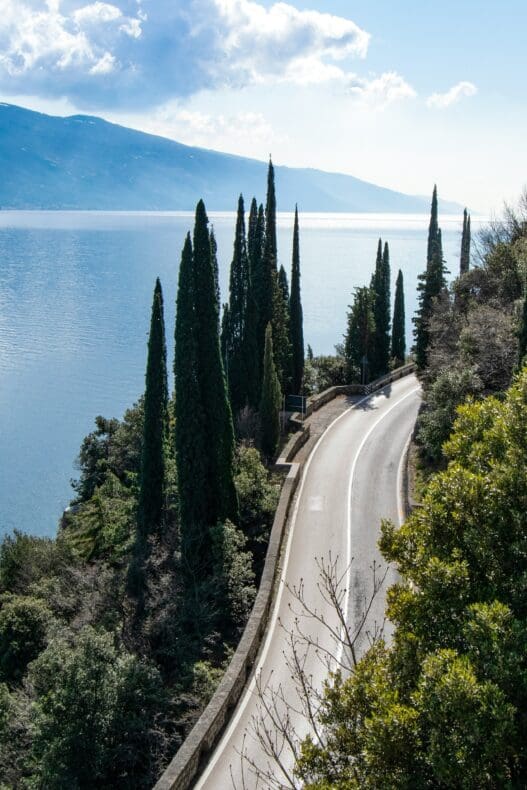
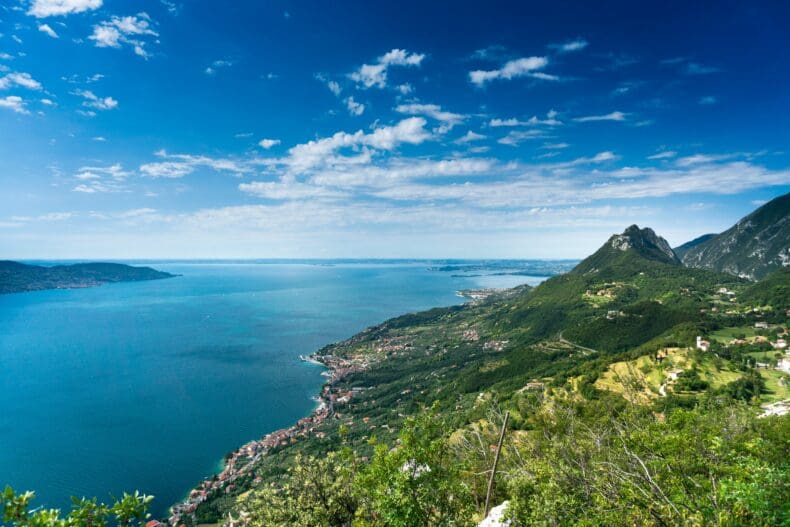
An hour and a half later you’re at Italy’s biggest lake. We’d spend the night in Sirmione, a little town on a narrow peninsula at the southern end of the lake. You enter its medieval castle over a drawbridge, and right at the tip lie the ruins of a huge Roman villa, the Grotte di Catullo.
The best moment is the evening, when the day-trippers have gone and you can watch the sun sink over the lake with a glass of Lugana, the local white wine. Got an extra day? Drive up the eastern shore to Malcesine and ride the cable car up Monte Baldo for views over the whole lake.
Our favourite is Hotel Marconi, a family-run hotel in the old town with a terrace and sun loungers right on the lake. Handy bonus: it has its own parking and sorts out your access to the car-free old town.
Fancy a treat? Villa Cortine Palace is a grand villa in huge gardens at the quiet tip of the peninsula, complete with a pool and a private jetty. Parking is free.
Parking: Sirmione’s old town is closed to cars. Use one of the paid car parks before the bridge or pick a hotel with its own parking.
#3 Verona: more than Juliet’s balcony (1 night)
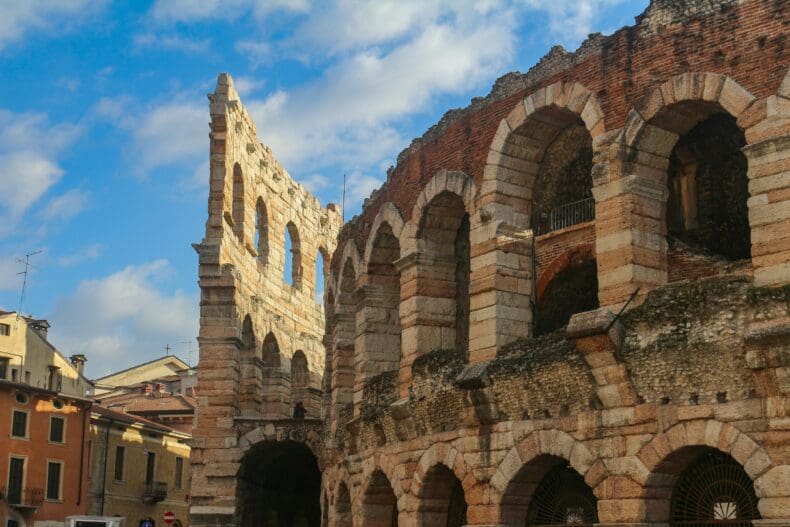
Verona is half an hour from Lake Garda and one of the loveliest cities in Northern Italy. Sebastiaan visited as a kid, and even then the Roman amphitheatre in the middle of town made quite an impression. The Arena di Verona is almost 2,000 years old and still hosts open-air opera every summer.
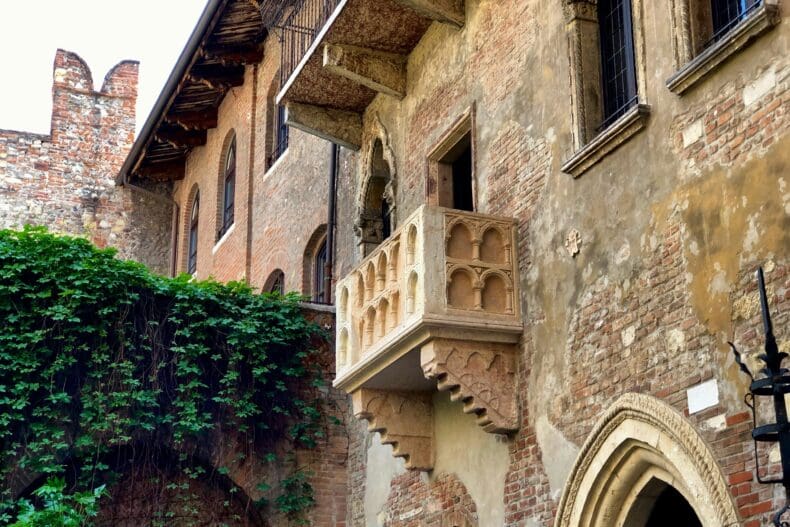
Of course you’ll swing by Juliet’s balcony, even though Romeo almost certainly never stood beneath it. We prefer Piazza delle Erbe with its market stalls and colourful facades, and the view from the hill at Castel San Pietro, looking out over the river and the rooftops.
Hotel Accademia sits in a historic building on a pedestrian street between the Arena and Piazza delle Erbe. The rooms are classically styled, and the hotel has a garage nearby, which you need to reserve in advance.
It doesn’t get more romantic than Relais Balcone di Giulietta: the entrance is in the courtyard right below Juliet’s balcony. After closing time the gate shuts to tourists and you have the courtyard to yourself.
Parking: you can only drive into Verona’s ZTL if your hotel has registered your plate. For everyone else, a garage outside the zone is the easiest option.
#4 Dolomites: mountain lakes and jagged peaks around Cortina (2 nights)
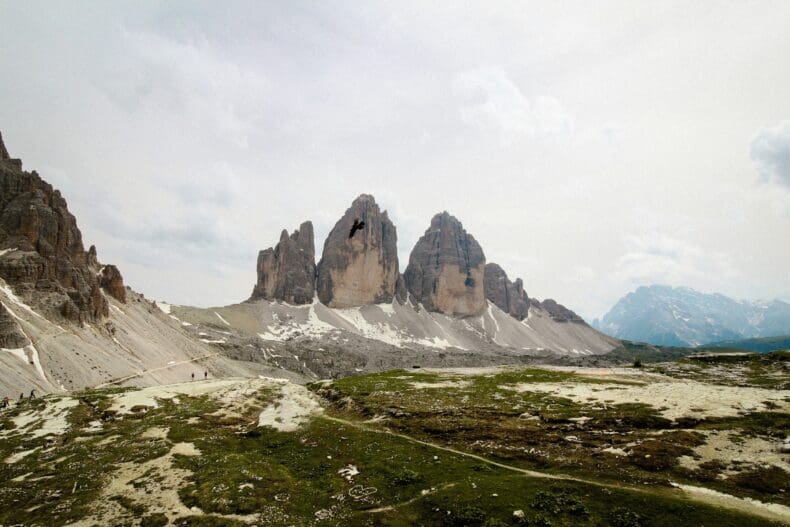
After all those cities, it’s time for some mountain air. Around three hours from Verona you’ll reach Cortina d’Ampezzo, a smart mountain resort right in the heart of the Dolomites. From here, the area’s big names, such as the Tre Cime di Lavaredo and Lago di Sorapis, are about half an hour away.
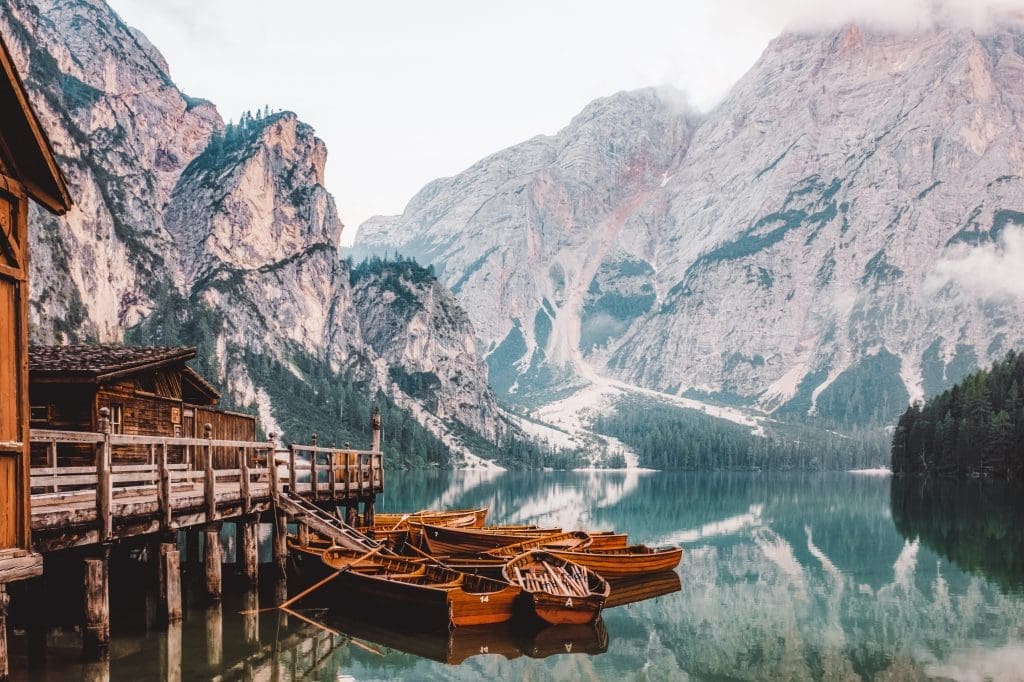
The most famous mountain lake is Lago di Braies, with its wooden rowing boats on emerald water. In July and August, access to the valley is restricted during the day: you get in by bus, on foot, by bike or with a pre-booked parking slot, so check the Prags municipality website before you go. Arrive early in the morning and you’ll have the lake almost to yourself.
Two nights is short for the Dolomites, and you’ll feel it. If you can squeeze in an extra day anywhere, put it here: a second hiking day around the Tre Cime or in Val Gardena makes the whole trip even better.
Hotel Villa Gaia is a small family-run hotel with wooden interiors, balconies with mountain views and a generous breakfast. It’s a ten-minute walk from the centre and parking is free.
Right in the middle of Cortina, HOTEL de LEN is a design hotel full of wood and natural stone, with its own spa for after a day on the trails. Book parking in advance; it’s a few hundred metres from the hotel.
#5 Venice: get lost in the floating city (2 nights)
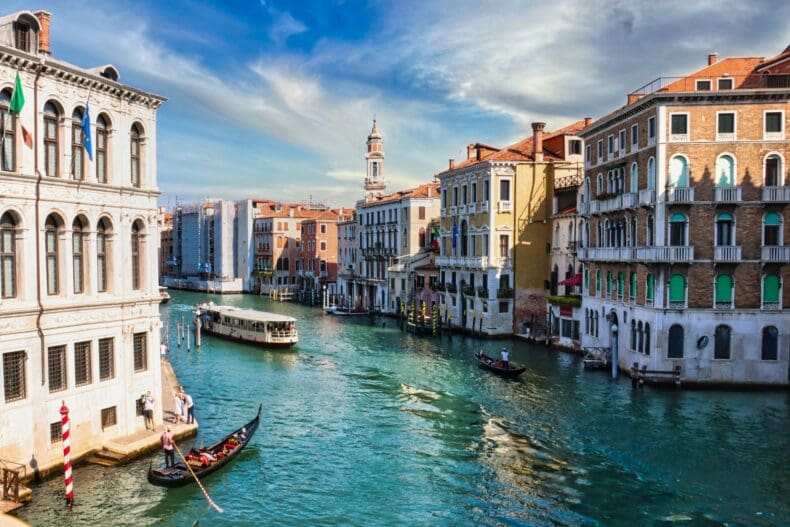
Venice is the one city on this route where a car is truly useless. Park it on Tronchetto island or at Piazzale Roma, at the edge of the city, and carry on on foot or by vaporetto. That way you see Venice from the water for a fraction of the price of a gondola ride.
Visit the Doge’s Palace and St Mark’s Basilica for a deep dive into Venetian art and history, and don’t miss the nearby islands of Murano, famous for its glassblowers, and Burano, with its brightly painted fishermen’s houses.
Venice is at its most magical early in the morning and in the evening, once the day-trippers have left. That’s why we’d always sleep in the city itself. It saves money too: on busy days in spring and summer, day visitors pay an access fee, while overnight guests are exempt. You’ll find how it works on the official city website.
Hotel Moresco is decorated in 19th-century Venetian style and has a garden where breakfast is served. It’s five minutes on foot from Piazzale Roma, which is handy when you’re dragging suitcases from the car park.
A little cheaper is Hotel Al Ponte Mocenigo, a small hotel in an old Venetian building in Santa Croce, with spacious rooms and a courtyard. The San Stae vaporetto stop is just around the corner.
#6 Florence: birthplace of the Renaissance (2 nights)
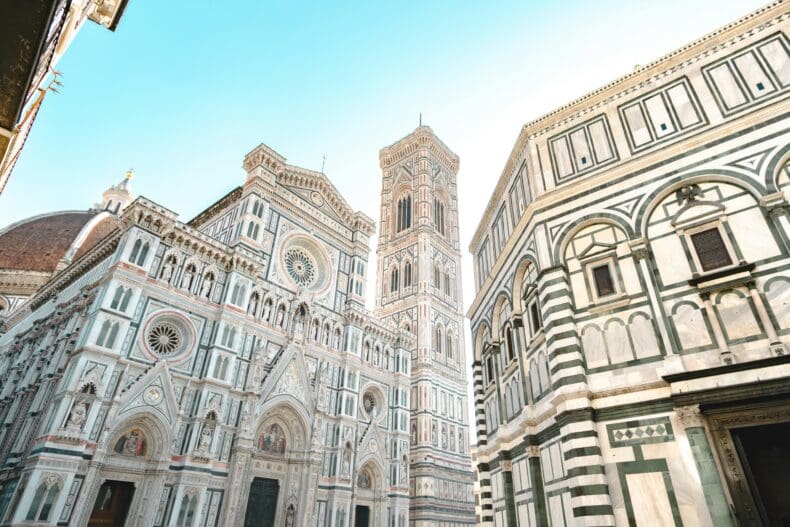
From Venice it’s about three hours to Florence, where you practically step into a painting. We’ve been several times, and the Duomo with its enormous dome and striped marble facade wows us every single time. We actually prefer the outside to the interior, which we found too crowded to really enjoy.
Stroll across the Ponte Vecchio, the medieval bridge lined with jewellers, and book a time slot for the Uffizi Gallery if you want to see the great masters. Towards the end of the afternoon, climb up to Piazzale Michelangelo for that famous view over the city and the dome.
→ Discover the 25 best places to visit in Florence
Hotel Davanzati is in a historic building between the Duomo and the Ponte Vecchio, so you can walk everywhere. There’s tea and cake in the afternoon and a glass of wine in the evening, all included. Just be ready for the steep stairs at the entrance, although the staff will carry your bags up.
Hotel Palazzo Guadagni occupies a 16th-century palazzo on Piazza Santo Spirito, on the quieter side of the Arno. The highlight is the open rooftop loggia, looking out over the rooftops of Oltrarno.
Parking: Florence’s entire historic centre is a ZTL. Ask your hotel whether they’ll register your plate, or park in a garage outside the zone and walk or take the tram in.
#7 Pisa and Lucca: a leaning tower and city walls (1 night)
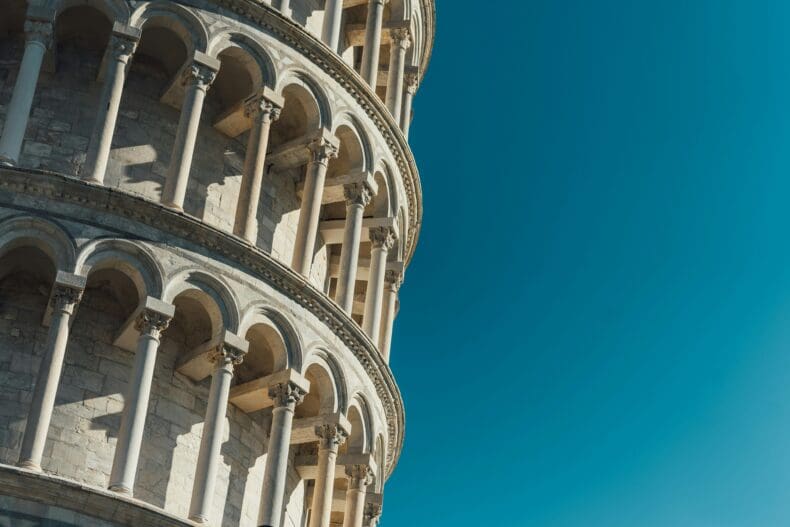
Half a day is plenty for Pisa. Head straight to Piazza dei Miracoli, where the Leaning Tower stands with the cathedral and baptistery on a carpet of green lawn. We visited in winter, when the city was strung with Christmas lights and locals sipped their coffee on the terraces in the winter sun. Even our daughter already knew the tower from a children’s cartoon.
The nicest place to sleep is Lucca, half an hour further on. The whole town sits inside a wide Renaissance wall that you can walk or cycle along, with locals walking their dogs and families picnicking on the bastions. Inside the walls it’s all about that easy-going Italian vibe, little squares and good food.
→ Discover the 15 best things to do in Pisa
→ Discover the 12 best places to visit in Lucca
Palazzo Dipinto pairs a historic facade with modern, spacious rooms on a peaceful square in the middle of the walled town. A rarity inside the walls: it has its own garage, which you book in advance.
At Hotel Alla Corte degli Angeli, the bedroom walls are hand-painted and breakfast is partly homemade. Parking is available here too, right across from the hotel.
Parking: both Pisa and Lucca have a ZTL. In Pisa, the easiest option is one of the car parks outside the city wall near Piazza dei Miracoli; in Lucca, park just outside the walls or at your hotel.
#8 Cinque Terre: five villages clinging to the cliffs (2 nights)
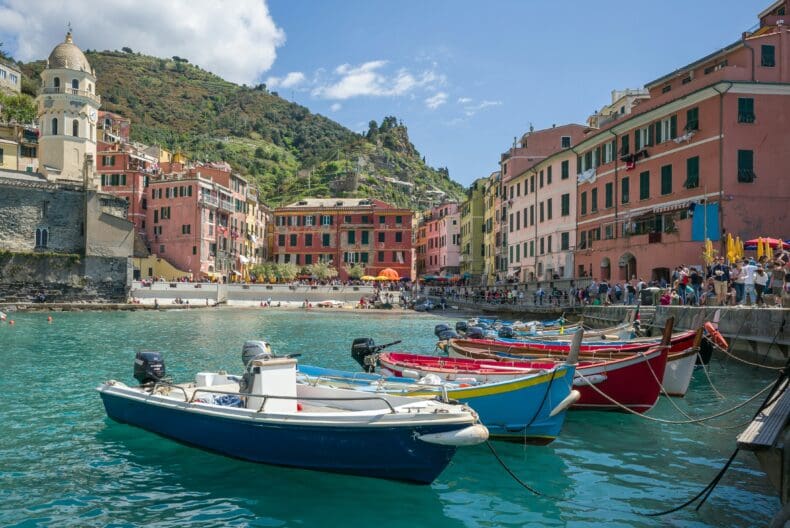
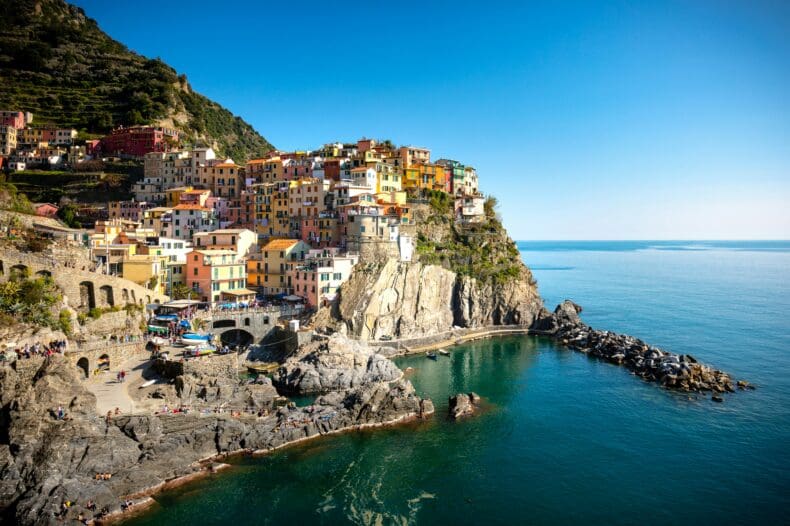
You’ll spend your last days on the coast in Cinque Terre, five colourful fishing villages stuck to the rocks above the sea: Monterosso, Vernazza, Corniglia, Manarola and Riomaggiore. Here, too, the car stays put. Sleep in La Spezia or at a hotel with its own parking in Monterosso, and hop on the train that links all the villages in a few minutes.
Hiking trails with sea views run between the villages. For the most popular stretches, such as Monterosso to Vernazza and Vernazza to Corniglia, you need a Cinque Terre Card, which you can also combine with unlimited train travel. For the famous Via dell’Amore between Riomaggiore and Manarola, book a time slot in advance. Up-to-date info on trails and cards is on the national park website.
In Monterosso, Hotel Villa Adriana is a villa among the palm trees with a garden and pool, a few minutes’ walk from Fegina beach. Parking is free, which is worth its weight in gold in Cinque Terre.
On a tighter budget, Atmosfere Guest House in La Spezia is a smart choice. The rooms are bright and modern, and it’s a short walk to the station, where trains run to all the villages.
#9 Back to Milan (1 night)
From Cinque Terre it’s about two and a half hours back to Milan. Use your last evening for whatever you skipped on arrival, like an aperitivo along the canals of the Navigli district. Got more time? Lake Como, an hour from Milan, and the wine-covered hills of Chianti between Florence and Siena are the best ways to stretch this route.
More tips for your trip to Northern Italy
 Our pickHotels in Italy: from a palazzo in Palermo to a hotel by the sea in Tropea. Pick your spot on Booking.com or read our hotel tips
 Flying into Milan? Rent a car with Discover Cars and compare the big rental companies in one go.
 Fancy doing it by camper, like we did? Rent a campervan in Rome or Florence with Campervan Planet.
 Prefer everything arranged? Browse Italy tours on TourRadar.
 No flight yet? Compare flights to Milan and the rest of Italy.
 Discover all our blogs about Italy