Florence, known as Firenze in Italian, is a city where everything feels wonderfully close together: history, art, lively markets, busy squares, and charming streets where, all of a sudden, you might find yourself walking alone.
Here, you will encounter statues and monuments you may remember from schoolbooks, only now you can see them with your own eyes. The city is overflowing with iconic sights and famous landmarks, yet it also surprises visitors with hidden treasures and quiet neighborhoods. This mix is exactly what makes wandering through Florence for several days so delightful, giving you plenty of reasons to return again and again to explore this true jewel of Tuscany.
In this guide, we have put together the most beautiful places for you to discover. From the well-known highlights to peaceful gardens and museums that are off the beaten path, there is something for every kind of traveler. Of course, we will walk you through the must-see tourist attractions, but we will also introduce you to a carefully chosen selection of lesser-known corners and secret gems. Florence is overflowing with sights, experiences, and impressions, and this guide will help you pick the ones that will make your visit unforgettable.
What Florence is known for
Florence is celebrated as the city where art, history, craftsmanship, and the true Italian way of life come together. You can feel the influence of the Renaissance at every turn, yet the city also carries the charm of a place where people have lived and worked with a love for art and culture for centuries. Florence is small enough to explore on foot, yet large enough to surprise you every single day. No other city combines so much culture, creativity, and character in such a compact space.
What makes Florence truly remarkable is that it is the birthplace of the Renaissance. Ideas about beauty, perspective, freedom, and science found their first real expression here. Artists, thinkers, and architects collaborated to create a new vision of the world, and traces of that bold creativity remain visible today in the city’s atmosphere and in the way it is built.
Florence is also a city of culture in every sense. Not just because of the treasures you can admire in its museums, but also because of the famous names that left their mark here: Dante, Galileo, Machiavelli. You walk in their footsteps while being surrounded by some of the most extraordinary art and architecture in the world.
Craftsmanship is still very much alive in Florence. In small workshops, artisans work by hand with leather, marble, wood, and gold. This is not mass production, but a celebration of tradition and attention to detail. In the Oltrarno district, you can experience this craftsmanship up close, purchase a piece of it, or even try your hand at it yourself.
And then there is the everyday life of Florence. Its markets, squares, coffee bars, and pasta lunches invite you to join in. You will be amazed by the sights, but you also become part of the city by sitting down in a local restaurant. Whether you are eating a sandwich at a marble counter or sipping a glass of wine in a quiet alley overlooking the Arno, everything feels just a little more beautiful and elegant here. Florence cannot be placed inside a museum.
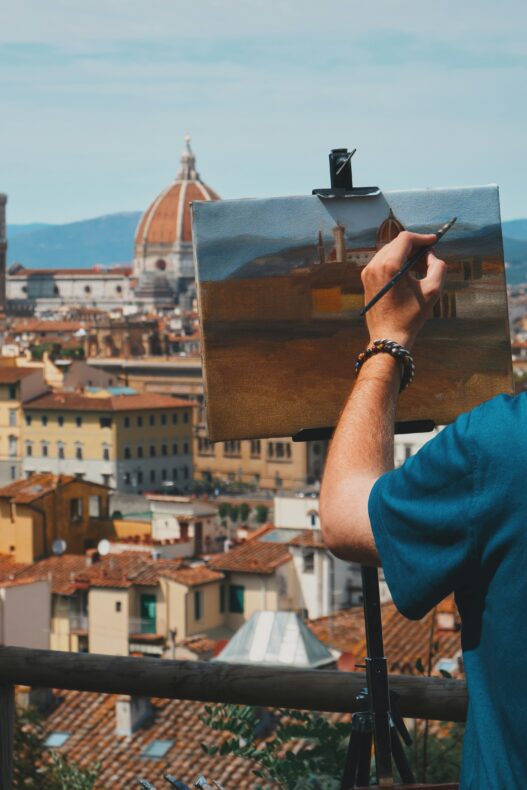
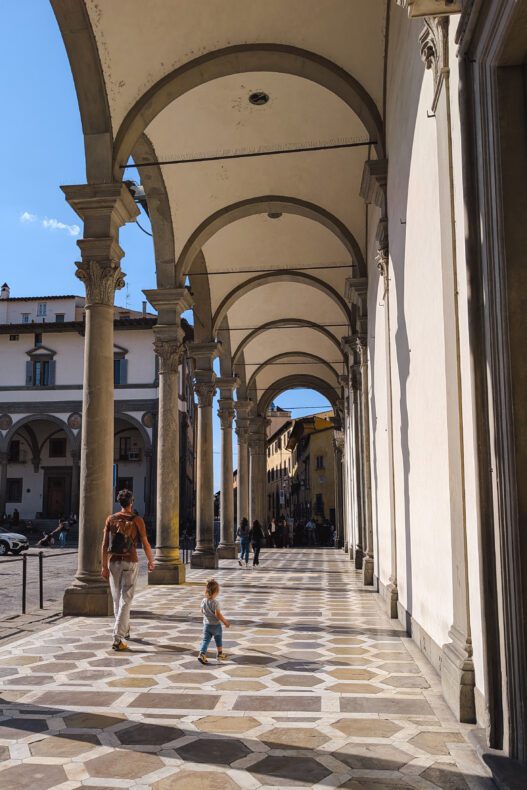
The Best Neighborhoods of Florence
Florence may be compact, but each neighborhood feels like a world of its own. Some are lively and filled with tourists, others more creative or village-like, and the area where you choose to stay will shape your entire experience of the city. Do you prefer vibrant and central, or peaceful and local? These are some of the best neighborhoods to stay in, each with its own unique character.
Historic Center San Giovanni (around the Duomo)
If you want to be in the heart of everything, the historic center is the place to stay. Here, you can step outside and find the Duomo, the Uffizi Gallery, and the Ponte Vecchio all within walking distance. Every corner has a shop, restaurant, or café to tempt you. It is the perfect choice if you are visiting Florence for the first time or if your stay is short. The trade-off is that it gets incredibly busy, especially during the day, and peace and quiet can be hard to find. Still, when it comes to convenience and being surrounded by Florence’s highlights, nothing compares to staying here.
Oltrarno (Santo Spirito & San Frediano)
On the opposite side of the river lies Oltrarno, a neighborhood that feels more spacious and authentic. Here, you will encounter fewer crowds and a more local atmosphere, with traditional workshops, neighborhood cafés, lively piazzas with wine bars, and even hidden gardens waiting to be discovered. The most famous landmark in this part of the city is the striking Palazzo Pitti. Within Oltrarno, Santo Spirito is youthful and energetic, while San Frediano has a quieter and more traditional charm. You are still only a short walk from Florence’s main attractions, but the pace is more relaxed and the vibe refreshingly local.
Santa Croce
Just east of the center lies Santa Croce, a neighborhood full of character and charm. It is a place where you can still find bustling local markets, friendly trattorias, and family-run shops. The area offers a perfect balance between everyday Florentine life and the excitement of discovery. You remain close to the city’s main sights, yet without the constant crowds of the Duomo square. In the evenings, the neighborhood comes to life with a warm and welcoming energy, lively but never overwhelming. For travelers who want to combine culture with an authentic atmosphere, Santa Croce is an excellent choice.
San Niccolò
Nestled against the hillside, San Niccolò feels like a hidden corner of Florence waiting to be discovered. This small, artistic neighborhood has a distinctly bohemian spirit, with galleries to browse, creative studios to stumble upon, and intimate restaurants tucked along its winding streets. At the foot of the climb to Piazzale Michelangelo, it places some of the city’s most spectacular views right at your doorstep. Life here carries the charm of a village, yet with the beauty of Florence stretching out beneath you.
Fiesole
For those who crave peace, space, and sweeping views, Fiesole is a perfect escape. Perched high above Florence and surrounded by lush greenery, this hillside village looks out across the entire city while offering quiet paths that lead you through olive groves. Despite its serene setting, you can be back in the bustling heart of Florence in just twenty minutes. Fiesole is ideal if you plan to stay a little longer, or if you want a place to slow down and breathe after a full day of sightseeing.
Tourist Map of Florence
[googlemaps https://www.google.com/maps/d/u/1/embed?mid=1wTrymWFG3EpXZD08T65oE4B9rS5RMUA&ehbc=2E312F&w=790&h=480]The Classic Sights of Florence
#1 Duomo di Firenze (Santa Maria del Fiore)
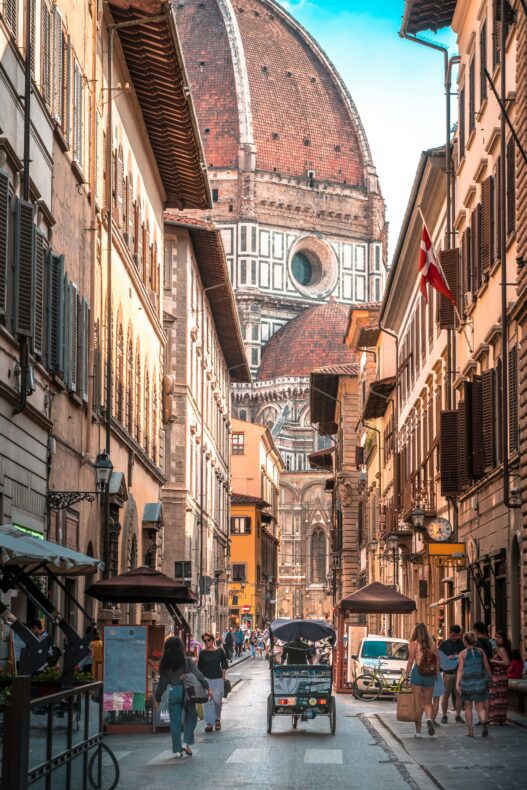
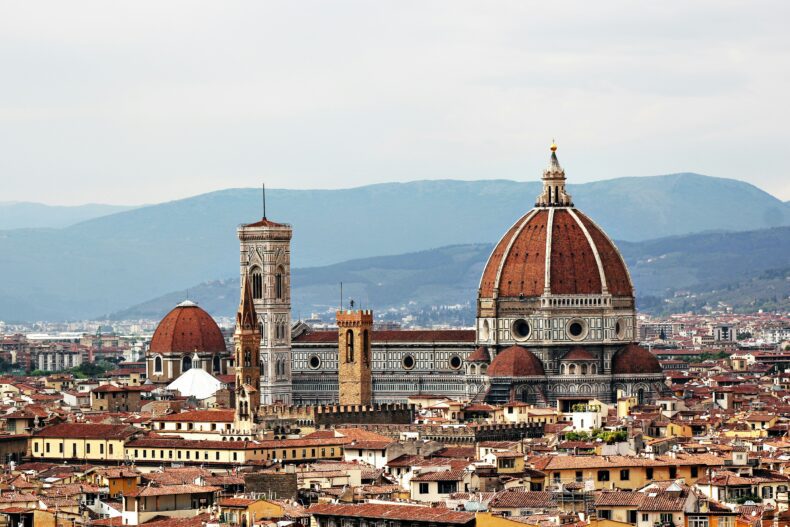
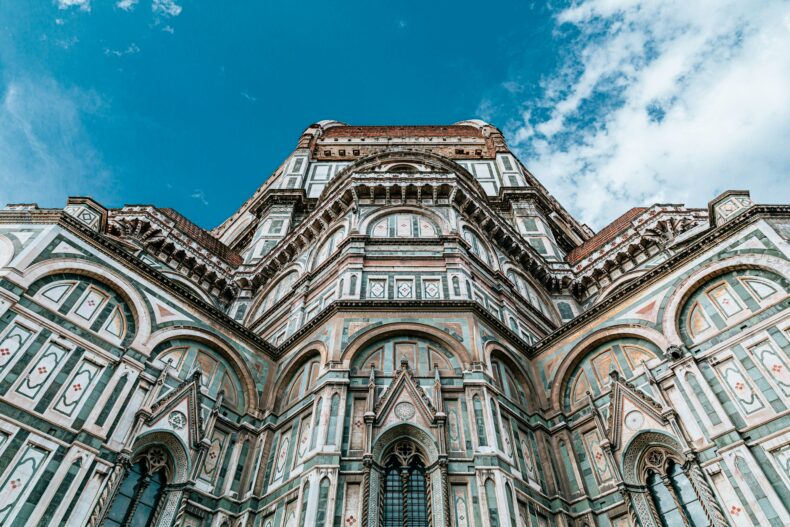
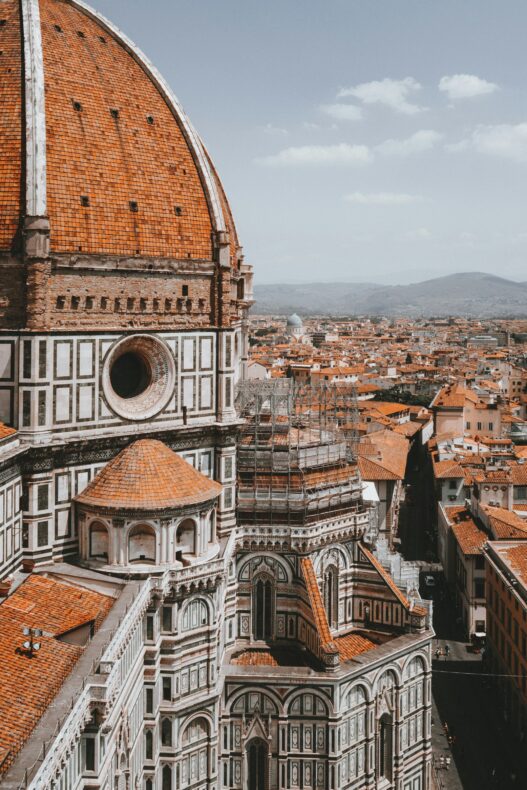
To speak of Florence is to speak of the Duomo. This monumental cathedral defines the city’s skyline and is extraordinary both inside and out. Construction began in 1296 and stretched across centuries, a true testament to Florence’s ambition. The most iconic feature is Brunelleschi’s magnificent dome, completed in 1436, which instantly became the city’s pride and joy. What was once an unsolved architectural puzzle is still admired today as one of the greatest engineering achievements of the Renaissance. The façade, adorned with pink, white, and green marble, is so intricately detailed that it feels more like a piece of art than the entrance to a church.
Step inside and you are met with a striking contrast. The atmosphere is calm and understated, almost austere compared to the dramatic exterior. For many, this simplicity makes the outside even more impressive, but the sheer size of the space remains awe-inspiring. Beneath the dome, your eyes are drawn upward to the vast fresco of the Last Judgment, covering the interior in dramatic scenes.
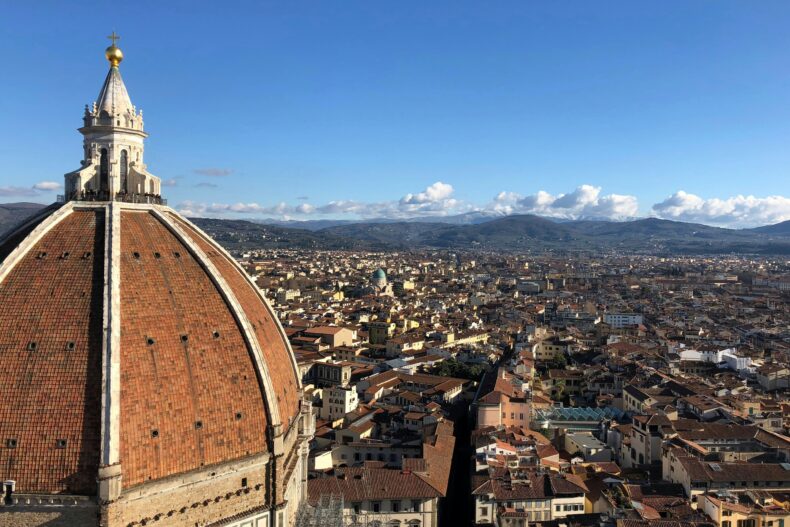
Visitors can also climb the dome for an unforgettable experience. The climb is demanding, with more than four hundred steps that feel especially steep on hot days, yet the reward at the top is worth every effort. From here, Florence unfolds beneath you in a spectacular panorama of terracotta rooftops and rolling hills beyond. The Duomo stands at the heart of the city, its central square a natural starting point for any visit to Florence.
#2 Piazzale Michelangelo
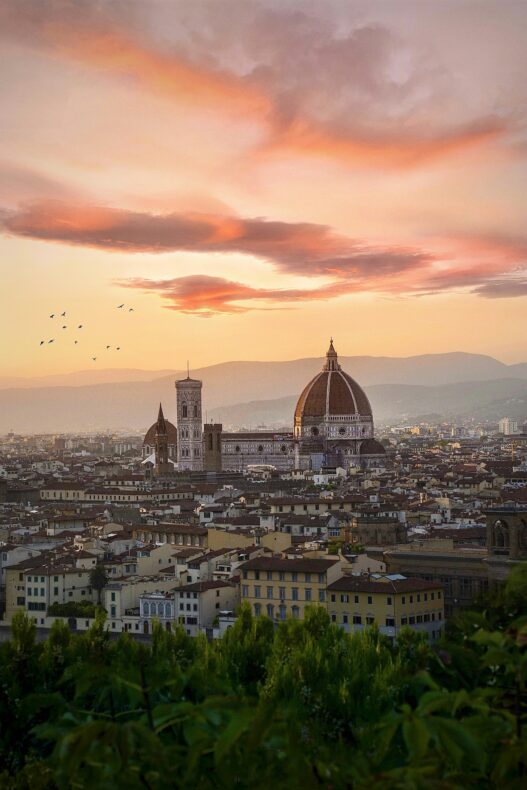
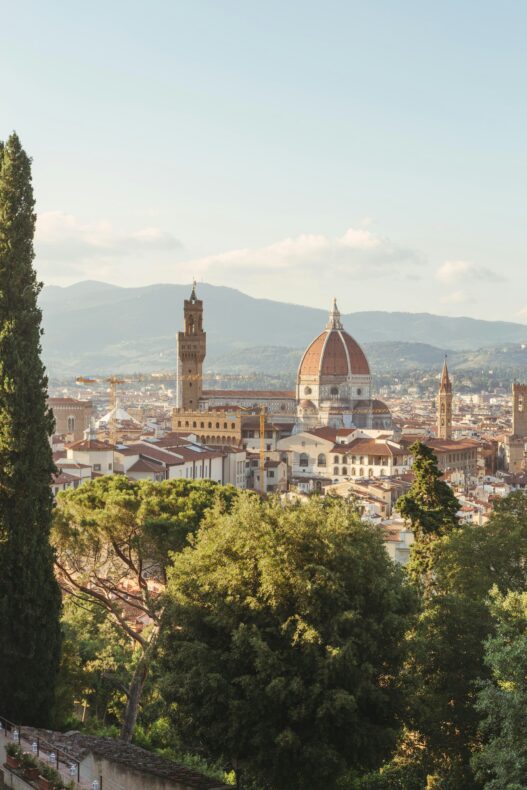
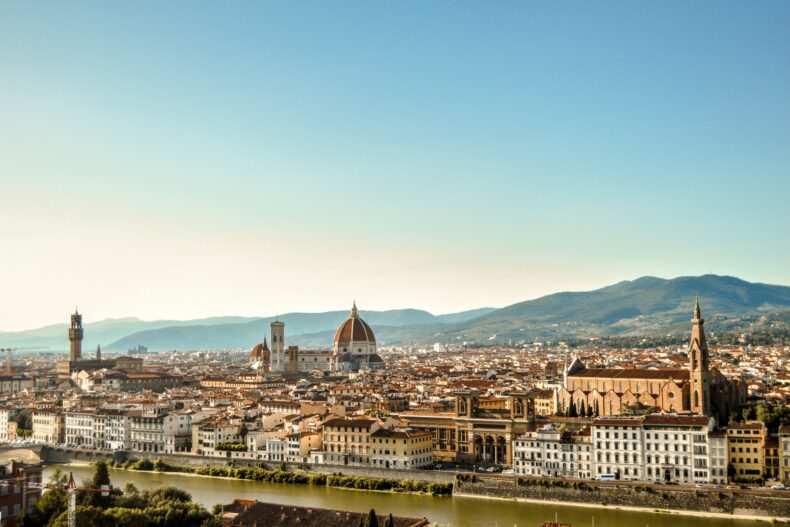
For the most stunning view of Florence, there is no need for a ticket, just a short walk uphill. Piazzale Michelangelo sits on a hillside south of the city and opens up to a panorama that will take your breath away. From this vantage point, everything is laid out before you: the graceful dome of the Duomo, the sea of terracotta rooftops, the Arno River winding its way through the city, and the rolling hills beyond. At the center of the square stands a bronze replica of Michelangelo’s David, though it is the sweeping view that draws nearly everyone here.
The piazza was designed in the nineteenth century, during the brief period when Florence served as Italy’s capital. You can reach it on foot by climbing a long staircase or take the bus if you prefer an easier ride. The square is open to all and free to visit, making it one of the most popular spots in the city. It becomes especially magical at sunset, when people gather on the steps with drinks or cameras, watching as the city glows in golden light. A little further uphill you will find San Miniato al Monte, a Romanesque church that offers equally beautiful views in a much quieter setting. If you want to see Florence at its most magnificent, this is the place to be.
#3 Uffizi Gallery
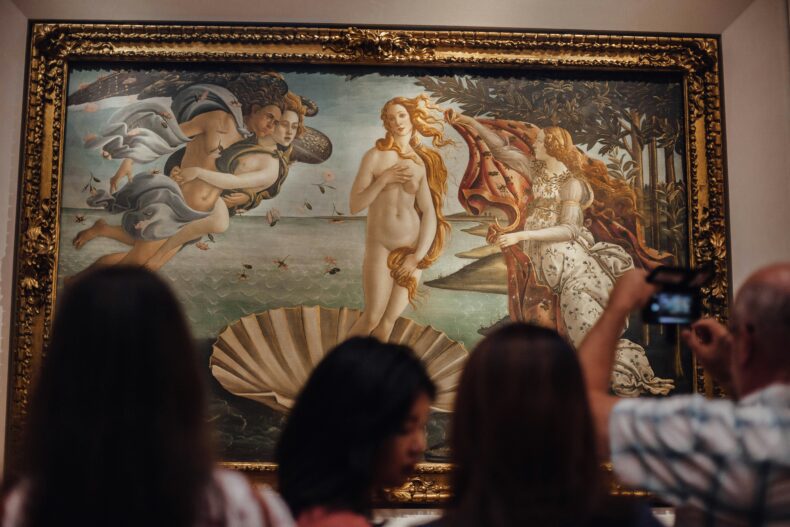
The Uffizi Gallery is Florence’s crown jewel and one of the most celebrated museums in the world, famed for its outstanding collection of Renaissance masterpieces. Here, you can stand face-to-face with works by Botticelli, Michelangelo, Leonardo da Vinci, Raphael, and Caravaggio. Two of the gallery’s most iconic treasures are Botticelli’s The Birth of Venus and Primavera, both of which continue to enchant visitors with their timeless beauty. Although the collection is immense, it is thoughtfully arranged, guiding you room by room through the history of Italian art.
The building itself dates back to the sixteenth century, originally designed as office space for government officials. Later, under the influence of the powerful Medici family, it was transformed into a museum. One of its most fascinating features is the Corridoio Vasariano, a hidden passageway that once linked the Uffizi with the Palazzo Pitti. This corridor has recently reopened, and stepping inside feels like uncovering a secret slice of Florence’s history an experience you will not soon forget.
Tickets are not inexpensive, but the visit is absolutely worth the price. Advance reservations are strongly recommended, as the queues can be very long. The entrance is conveniently located near Piazza della Signoria in the historic center. Be sure to allow several hours for your visit, as this is a place where you will want to linger, taking your time to fully appreciate the masterpieces that line the walls.
#4 Galleria dell’Accademia
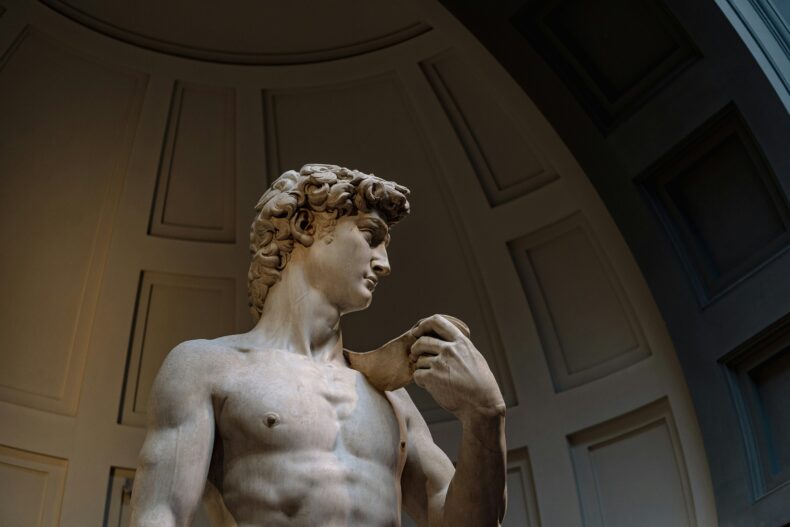
Most people visit this museum for one reason: Michelangelo’s David. And with good reason. The original statue stands here in breathtaking perfection beneath a dome designed especially for it, and it is infinitely more impressive than the replica on Piazza della Signoria. Yet the Galleria dell’Accademia is far more than just David. Among its treasures are Michelangelo’s unfinished sculptures, including the Prisoners or Slaves, figures that seem to be caught in the act of breaking free from solid marble. These works give a rare and intimate glimpse into the artist’s creative process, revealing how his genius shaped stone into life.
The rest of the museum is smaller than many expect, but no less rewarding. One gallery displays religious paintings from the thirteenth to fifteenth centuries, while another houses a remarkable collection of historic musical instruments. There is also a fascinating hall filled with plaster models created by some of Italy’s most renowned sculptors. Founded in 1784 as an academy for art students, the Accademia later grew into the museum it is today, a place that not only preserves Florence’s artistic heritage but continues to inspire all who walk its halls.
#5 Ponte Vecchio
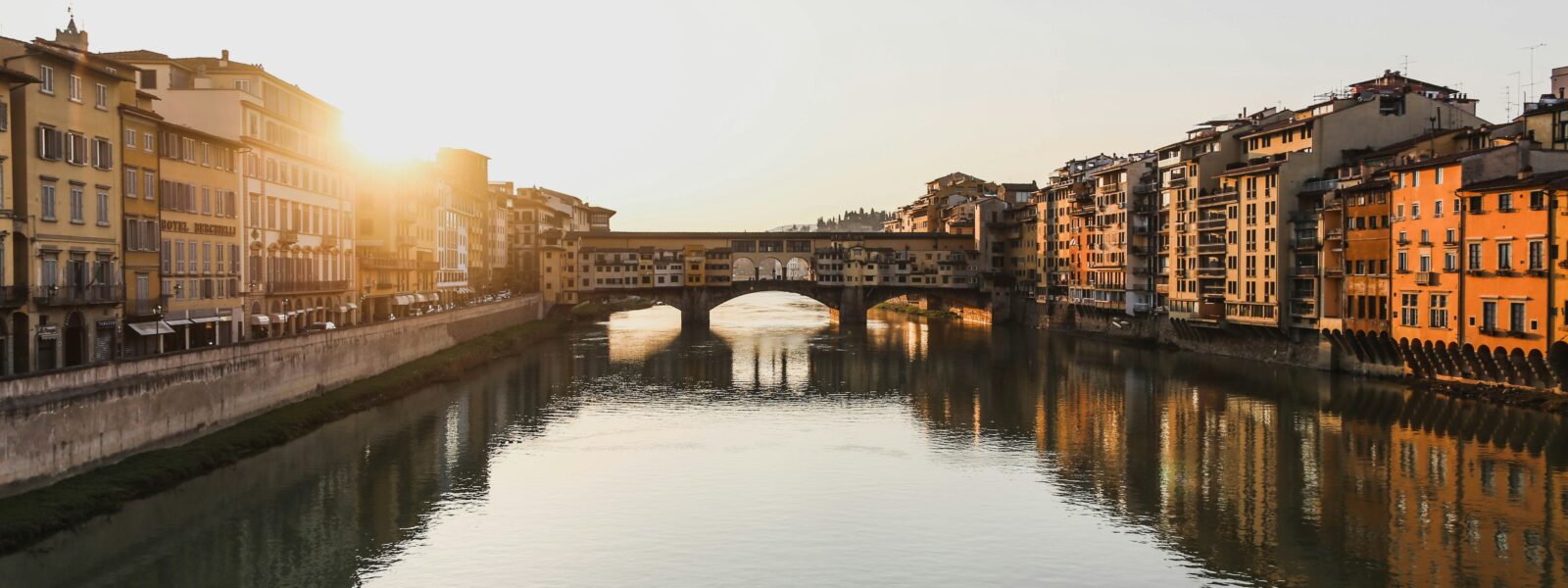
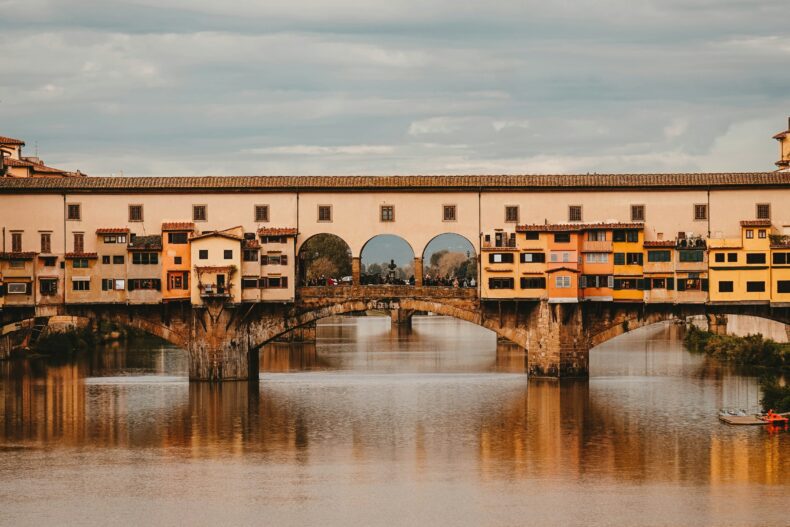
The Ponte Vecchio is the oldest bridge in Florence and the only one that survived the bombings of the Second World War. Since the Middle Ages, small shops have lined the bridge, a tradition that still lives on today. In the past, these spaces were occupied by butchers, but nowadays only jewelers and goldsmiths remain. This shift was no accident. In the sixteenth century, the Medici family forced the butchers to leave because of the unpleasant smells, replacing them with merchants of glitter and gold.
A fascinating detail is the Corridoio Vasariano, the enclosed walkway that runs above the bridge. It was once built as a private passage for the Medici family, giving them a way to cross the city without mingling with the crowds.
The bridge links the historic heart of Florence to the charming Oltrarno district and is almost always busy with visitors. Personally, we found it too crowded to truly take in the atmosphere. In fact, you may get an even better view of the Ponte Vecchio from the next bridge over the Arno. The quietest and most rewarding times to visit are early in the morning or later in the evening, when the crowds have thinned and the bridge feels more serene. At those times, you can really notice the little details, the wooden shopfronts, the worn stone arches, and the timeless character that make this bridge one of Florence’s most iconic landmarks.
#6 Palazzo Vecchio
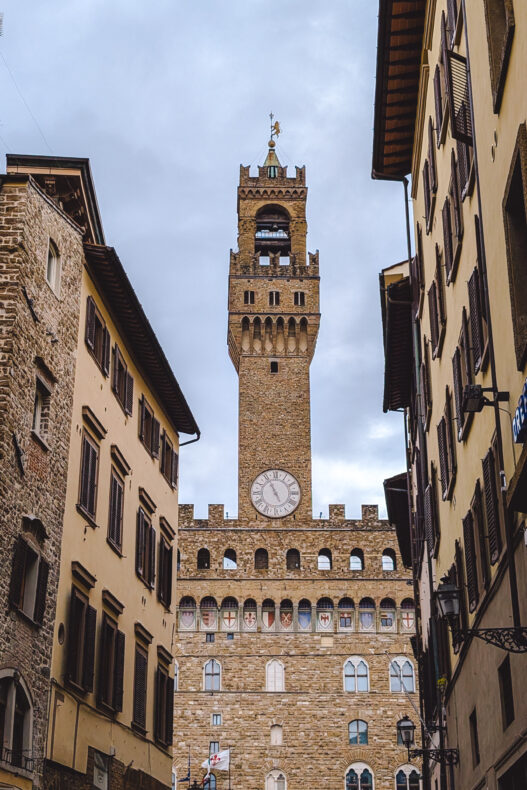
Palazzo Vecchio has been the political heart of Florence since the fourteenth century. Rising above Piazza della Signoria, the building looks like a compact fortress, with its crenellated walls and a tower that climbs nearly one hundred meters high. Inside, you can wander through lavishly decorated rooms, hidden passageways, and admire works of art by Vasari, Donatello, and Michelangelo. The absolute highlight is the Salone dei Cinquecento, an enormous hall covered in battle frescoes, originally created as a striking propaganda tool for the Florentine Republic.
The palace first served as Florence’s town hall, later became the residence of Cosimo I de’ Medici, and eventually returned to its civic function. It still serves as the city’s town hall today. While part of the building is used for administration, most of it is open to visitors as a museum. You can also climb the tower for breathtaking views over the city’s rooftops.
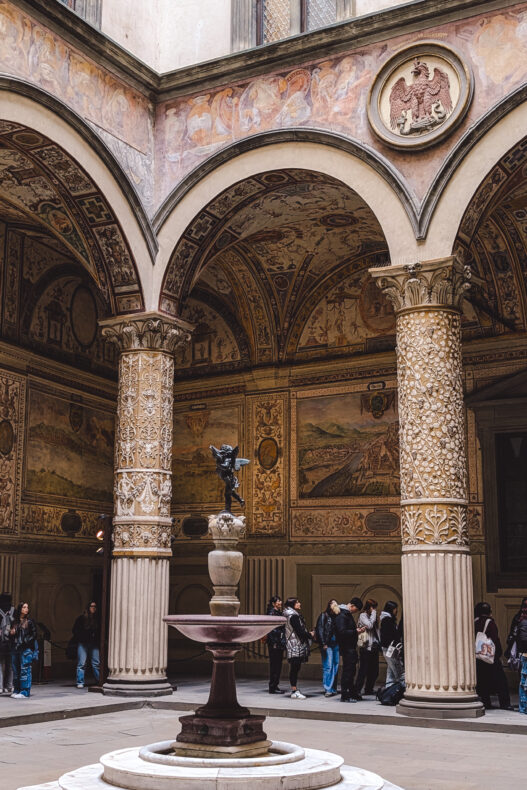
Tickets for the museum and the tower are sold separately. The square outside the palace is always full of life, with street performers and striking statues, while inside it is often surprisingly quiet. Even if you choose not to visit the museum, the palace courtyard is free to enter and absolutely worth seeing.
#7 Piazza della Signoria & Loggia dei Lanzi
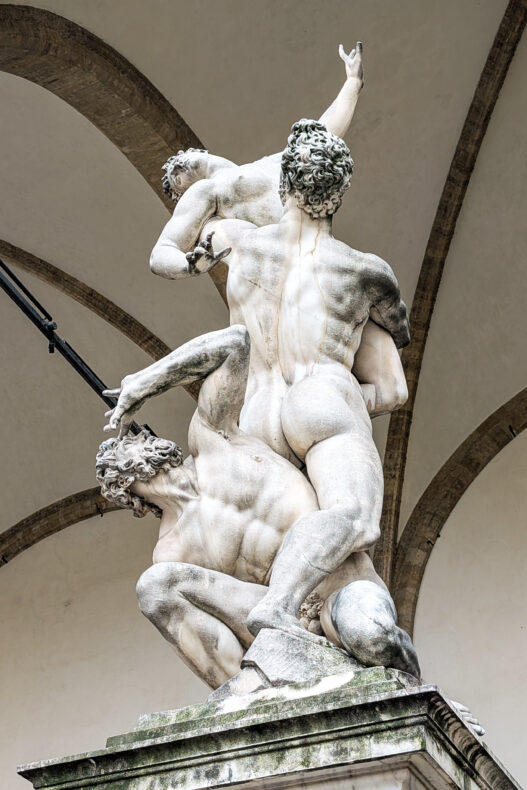
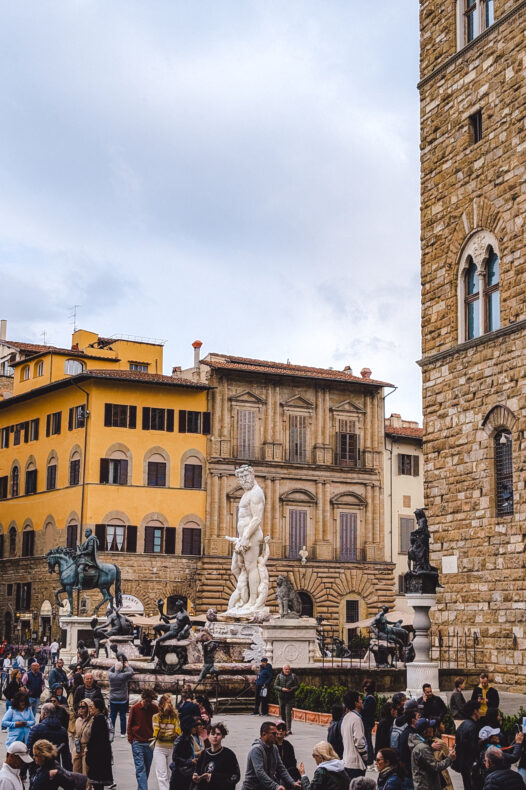
Piazza della Signoria is the true heart of Florence. For centuries, this square served as the backdrop for political speeches, public executions, and popular uprisings. Today, it is a place where people gather and linger, drawn by the sheer amount of history and beauty on display. Sculptures surround you at every turn. The replica of Michelangelo’s David immediately commands attention, but just as captivating are the Neptune Fountain, the powerful equestrian statue of Cosimo I, and the dramatic marble group The Rape of the Sabine Women, filled with movement and emotion.
On the edge of the square stands the Loggia dei Lanzi, a small open-air gallery that is freely accessible. Here, masterpieces from the classical and baroque eras are displayed in the open air, as though casually left for everyone to admire. The atmosphere is just as memorable as the art itself: the sounds of street musicians, guides gathering their groups, people relaxing on benches, and children splashing near the fountain. It is always busy, but the liveliness only adds to the charm and character of this iconic square.
#8 Baptistery of San Giovanni
Standing directly across from the Duomo, the Baptistery of San Giovanni is an octagonal treasure that predates the cathedral by centuries. Built in the eleventh century, it served as the city’s place of baptism, including for the poet Dante Alighieri. From the outside the building looks rather austere, but step inside and the contrast is breathtaking. Look up, and a vast mosaic of the Last Judgment fills the dome, with a commanding Christ at its center and a cascade of vivid, intricate scenes surrounding him.
The exterior is equally remarkable, thanks to its famous bronze doors. The eastern doors, crafted by Lorenzo Ghiberti, are the true highlight. Michelangelo himself is said to have called them the “Gates of Paradise,” and it is easy to see why. The biblical panels are rendered in extraordinary detail, with a depth and realism that reward close study. While the originals are now kept safely in the museum, the replicas you see outside are so finely made that most visitors cannot tell the difference.
Though modest in size, the Baptistery leaves a powerful impression. Admission requires a ticket, usually included in the Duomo combination pass, and it is without question worth a visit.
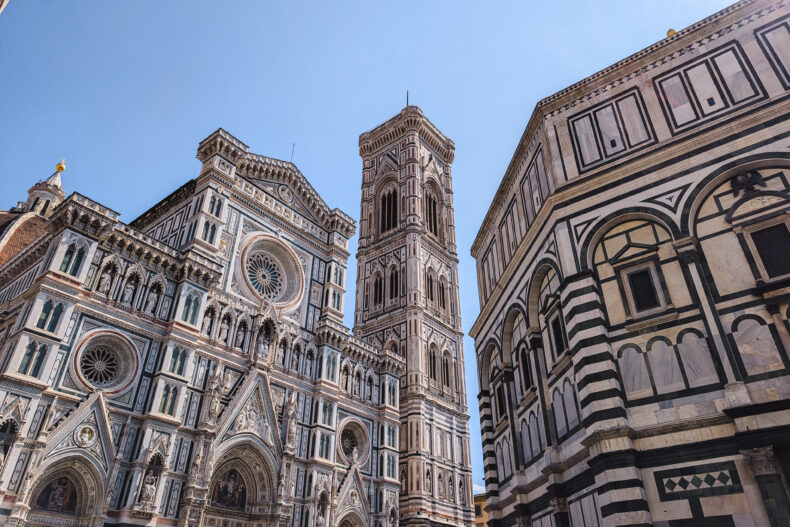
#9 Giotto’s Campanile
For those who want to see Florence from above but prefer not to climb the Duomo’s dome, Giotto’s Campanile is an ideal choice. This elegant free-standing bell tower rises almost as high as the dome and offers equally spectacular views, but without the tight spiral staircases inside a confined space. The tower stands more than 85 meters tall and has 414 steps leading to the top. There is no elevator, yet the climb is broken up by resting platforms where you can pause and enjoy views that become more impressive with every level you ascend.
Work on the tower began in 1334 under the direction of the artist and architect Giotto, but he died shortly after construction started. His successors completed the project, though his name has remained forever linked to the structure. The exterior is clad in the same colorful marble as the cathedral, making it a perfect visual companion to the Duomo and the Baptistery. Together they form one of the most iconic ensembles in Florence.
A ticket is required to climb the campanile, but the effort is richly rewarded. From here, the view of the cathedral’s dome is unmatched, allowing you to appreciate Brunelleschi’s masterpiece in all its glory.
#10 Santa Croce
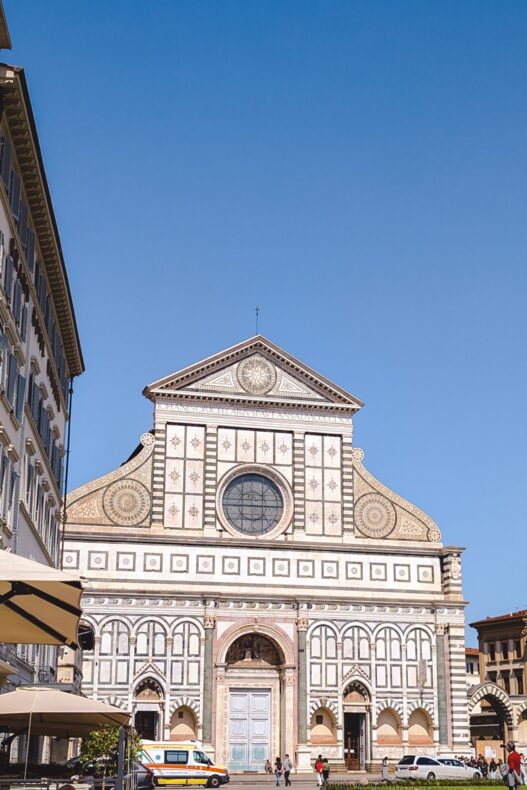
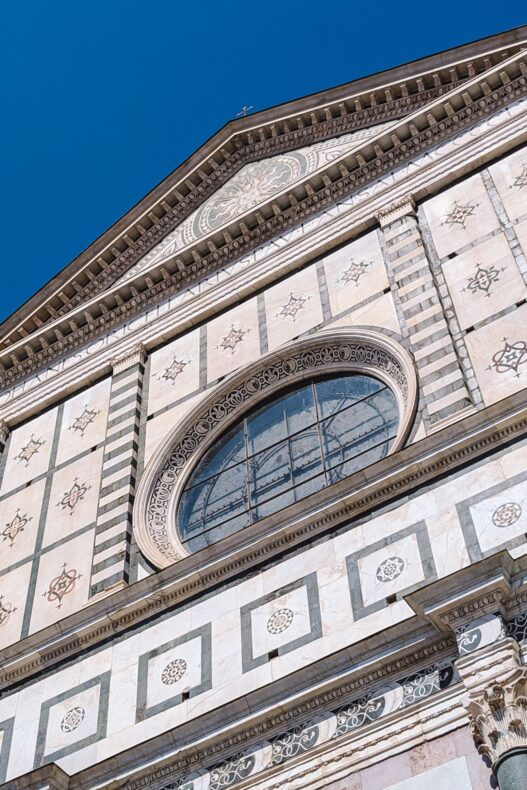
Santa Croce is much more than a church. It is the final resting place of some of the greatest names in Italian history, including Michelangelo, Galileo Galilei, and Machiavelli. Located just beyond the busiest part of the center, it opens onto a spacious square that in the evenings fills with locals, students, and street performers. The church itself was built in the late thirteenth century in Gothic style, while its grand marble façade was added centuries later, in the nineteenth century.
Step inside and you are surrounded by art and history. The frescoes by Giotto are striking, and the side chapels and monuments contain works that reveal Florence’s story across the ages. One of the highlights is the Pazzi Chapel, designed by Brunelleschi, an architectural jewel of the Renaissance. The complex also includes a small museum.
#11 Boboli Gardens
Tucked behind the Palazzo Pitti lie the Boboli Gardens, a vast green sanctuary that for centuries was the private playground of the powerful Medici family. Walking through the grounds feels less like entering a park and more like stepping into an open-air museum. Fountains sparkle in the sunlight, statues emerge between the hedges, grottoes invite you into their cool shadows, and wide avenues lined with perfectly sculpted greenery lead you deeper into this grand landscape. Every element was designed to impress, and even today the effect is nothing short of breathtaking.
The gardens were first created in the sixteenth century and gradually expanded and reshaped over time. Among the many highlights are the Fountain of Neptune, with its commanding figure rising above the water; the Buontalenti Grotto, filled with strange limestone creatures and decorative details; and the vast amphitheater, once used for lavish performances and celebrations. From different spots you can enjoy spectacular views, sometimes over the red rooftops and domes of Florence, and at other times across the soft, rolling hills of Tuscany that stretch out behind the city. Admission requires a ticket.
Cultural Attractions in Florence
#12 Palazzo Pitti
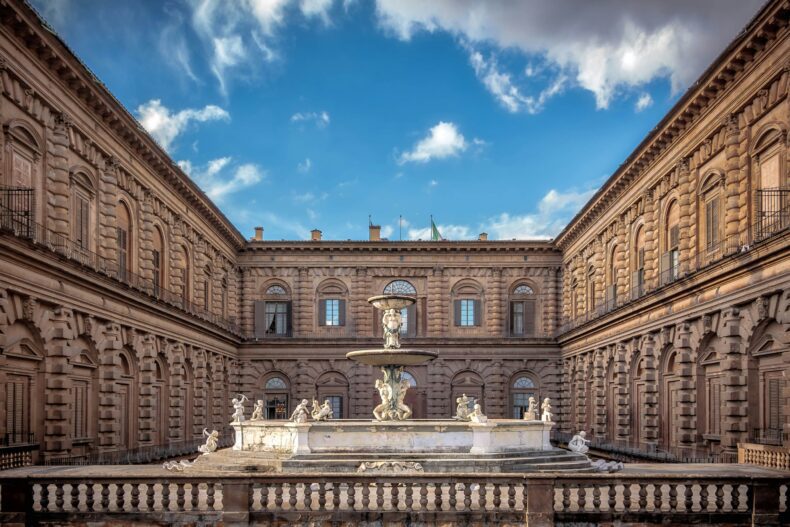
On the far side of the Arno River stands the striking Palazzo Pitti, once the grand residence of Florence’s most powerful family. Built in the fifteenth century for the wealthy merchant Luca Pitti, it was soon taken over by the Medici, who expanded it into one of the largest city palaces in all of Italy. Over time, it remained at the heart of Tuscan history, serving as the home of the Grand Dukes of Tuscany and, for a short period in the nineteenth century, even as the residence of the King of Italy.
Today, the palace houses several museums, each offering a different perspective on art and culture. The most famous is the Palatine Gallery, where you can admire works by Raphael, Titian, Rubens, and Caravaggio while strolling through lavish royal rooms filled with gilded frames and magnificent Baroque ceilings. Other parts of the palace display fine porcelain, silver, historical costumes, and modern art, creating a collection as rich and diverse as the building itself.
A ticket grants access to multiple museums inside the palace as well as the magnificent Boboli Gardens located just behind it. Set on a spacious square in the Oltrarno district, a neighborhood that feels calmer than the bustling city center, Palazzo Pitti is a place where history, art, and grandeur come together, and it is without doubt one of the best cultural things to do in Florence.
#13 Museo dell’Opera del Duomo
Even if you think you have seen everything at the Duomo, the Museo dell’Opera del Duomo often surprises visitors, and it is easy to miss. Tucked just behind the cathedral, the museum feels like a world apart. It preserves all the elements that once adorned the cathedral’s exterior, the Baptistery, or the bell tower but were too fragile to remain outside.
The collection is presented in a modern, airy setting with plenty of light, allowing the art to shine. Here you can stand face to face with Ghiberti’s original Gates of Paradise, admire sculptures by Donatello, and even explore a life-size reconstruction of the Duomo’s old façade. One floor offers a unique viewpoint, placing you almost level with Brunelleschi’s dome through clever use of scale models and video projections, giving a new perspective on the cathedral’s grandeur.
The museum is often much quieter than the busy piazza outside, offering a more contemplative experience. Admission is included with the Duomo combination ticket, and it is well worth taking at least an hour to wander through its treasures and absorb the history and artistry on display.
#14 San Miniato al Monte
A short climb up from Piazzale Michelangelo brings you to San Miniato al Monte, a church where silence descends the moment you step inside. Unlike the nearby viewpoint, there are no crowds, no food stalls, and no selfie-sticks, just calm and tranquility. Perched on this hill, the church dates back to the early eleventh century, making it one of Florence’s oldest. Its white and green marble façade echoes the Duomo, yet it is older, simpler, and quietly majestic.
Inside, the space is cool and dimly lit, inviting quiet contemplation. You will notice the elevated choir, the beautifully carved wooden ceiling, and a floor decorated with intricate geometric patterns. Next to the church lies a cemetery where Carlo Collodi, the creator of Pinocchio, is among those buried.
From the square in front of the church, you are treated to one of the most stunning views over Florence. The best part is that almost no one comes here, making it feel like a well-kept secret high above the city. San Miniato is free to visit and, although it sits a little outside the center and requires some effort to reach, the experience is richly rewarding.
#15 Corridoio Vasariano
The Corridoio Vasariano is one of those rare spots in Florence that is both world-famous and wonderfully hidden. This elevated passageway, built in 1565 at the request of Cosimo I de’ Medici, stretches from the Palazzo Vecchio to the Palazzo Pitti. It winds through buildings, crosses the Ponte Vecchio, and runs along the backs of churches and private homes. The Medici designed it so they could move safely across the city without ever encountering ordinary citizens.
From the outside, it looks like a simple row of small windows above the jewelers on the iconic bridge. Inside, however, the experience is completely different. You walk through a narrow corridor filled with art, including hundreds of self-portraits ranging from Renaissance masters to modern painters. The collection offers a fascinating journey through centuries of creativity and artistic expression.
After many years closed for restoration, the Corridoio reopened to the public in 2024. Entry is only possible through a reserved tour, so spontaneous visits are not allowed. For those who have the chance, however, walking through this secret passage offers one of the most extraordinary and unforgettable experiences that Florence can offer.
#16 Bargello National Museum
The Bargello is a museum that many visitors walk past, yet skipping it would be a real loss. Housed in a robust building dating back to the thirteenth century, originally the headquarters of the city commander and later a prison, it now stands as Florence’s foremost sculpture museum. Inside, you will find masterpieces by Donatello, Verrocchio, Michelangelo, and Cellini, artists who helped shape the very identity of the city.
The most celebrated piece is Donatello’s bronze David, one of the first nude sculptures created since antiquity, bold and groundbreaking for its time. Other highlights include the striking hall of weapons and armor, as well as an entire floor devoted to Islamic art and decorative objects. Compared with the Uffizi, the museum feels calm, compact, and easy to explore, making it an accessible and enjoyable experience.
Just a few minutes’ walk from the Duomo, the Bargello is simple to include in any itinerary. Tickets are reasonably priced, and lines are usually short. For anyone seeking more than paintings, this museum offers a fascinating insight into the sculptural brilliance that helped define Florence, making it an essential stop.
#17 Medici Chapels
Behind the Basilica of San Lorenzo lie the Medici Chapels, a series of burial chapels that immediately convey the wealth and power of the Medici family. This is the resting place of influential figures such as Cosimo I and Lorenzo de’ Medici, and the sense of grandeur is impossible to miss. Marble, gold, inlaid stone, and sculptures by Michelangelo give the space an almost theatrical richness that impresses at every turn.
The most famous section is the Sagrestia Nuova, designed by Michelangelo. Here, four statues embody Day, Night, Dawn, and Dusk, reclining elegantly on the sarcophagi of Medici princes. The atmosphere is heavy and monumental, yet the combination of architecture and sculpture is so exceptional that it feels unmatched anywhere else in the world. The later Cappella dei Principi contrasts with this solemnity, presenting a vast marble hall filled with color, symmetry, and dazzling decoration, a testament to the Medici’s taste and grandeur.
#18 Biblioteca Medicea Laurenziana
Nestled in the heart of the San Lorenzo district is a remarkable library that many visitors often overlook: the Biblioteca Medicea Laurenziana. Skipping it would be a real loss, because this is far more than just a collection of books. Designed in the sixteenth century by none other than Michelangelo, the library is as much a work of art as it is a center of learning. The entrance hall alone is unforgettable, with a theatrical staircase that serves both a practical purpose and stands as a masterpiece in its own right.
The library’s holdings include thousands of manuscripts and early printed books, many originating from the personal collection of the Medici family. The reading room is long, narrow, and filled with natural light, lined with wooden benches and Renaissance-style bookcases.
Visits are only allowed at specific times and require a ticket, which meant we could not fit it into our own itinerary. For those who plan ahead, however, the Biblioteca Medicea Laurenziana offers a rare and intimate glimpse into the scholarly and artistic world of Renaissance Florence.
Unique gardens and viewpoints
#19 Giardino Bardini
Giardino Bardini is a hidden gem that many visitors tend to overlook. Nestled just a short walk from the more famous Boboli Gardens, it is far quieter and equally captivating. From the lower entrance, a gentle walk upward takes you through terraces bursting with flowers, sparkling fountains, and graceful pergolas. In spring, when the wisteria is in full bloom, the garden transforms into a magical, almost storybook setting.
At the top, you are treated to one of the most breathtaking views over Florence, all without the crowds of Piazzale Michelangelo. The Duomo, the city’s towers, and its tiled rooftops stretch out before you, framed by a sea of greenery in the foreground. Along the path, you will discover sculptures, ancient walls, and even a small villa that occasionally hosts exhibitions, adding extra charm to your stroll.
Entrance is included with a combined ticket for the Boboli Gardens or Palazzo Pitti, though a separate ticket can also be purchased. For anyone seeking a tranquil place to wander, admire the scenery, or simply sit and take it all in, Giardino Bardini is a perfect destination.
#20 Giardino delle Rose
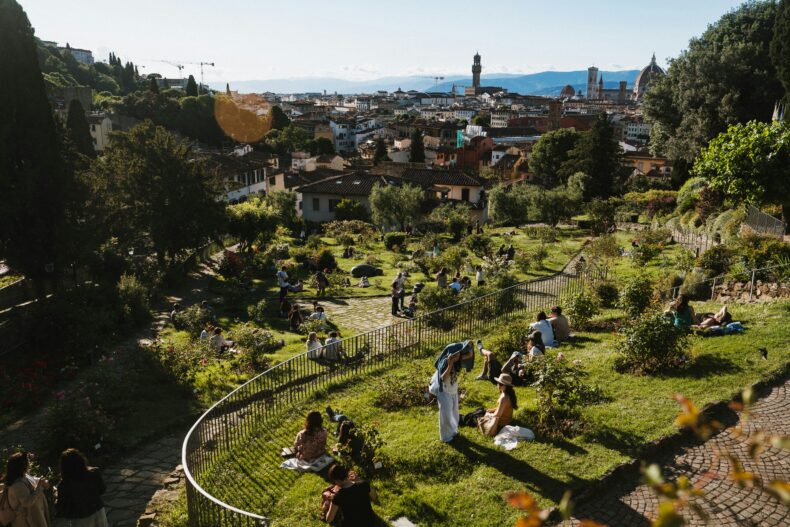
The Giardino delle Rose lies just below Piazzale Michelangelo and is one of the most welcoming green spaces in Florence. Designed in the nineteenth century, the garden is free to explore and offers a peaceful retreat from the busy city. Over 350 varieties of roses bloom here, creating a colorful and fragrant display. The view of Florence from the garden rivals that from the square above, but without the crowds, allowing you to take in the panorama in calm and quiet.
Scattered among the rose bushes are sculptures by the French artist Jean-Michel Folon, who was given a small permanent exhibition in the garden. These artworks, combined with the lush greenery and vibrant blooms, give the Giardino delle Rose a special charm and character that distinguishes it from the more formal gardens of the Medici palaces.
#21 Giardino dell’Iris
The Giardino dell’Iris is a truly unique garden, open to the public for just one month each year, which makes it a special gem for visitors. Every May, thousands of irises bloom in a spectacular display of colors and shapes. This is no coincidence, as the iris is the symbol of Florence and even appears on the city’s coat of arms. The garden sits on a hill right next to Piazzale Michelangelo, offering breathtaking views over the city below.
Winding paths guide you between the flowerbeds, past small ponds, and toward scenic viewpoints. As you wander, informative signs provide insight into the different iris varieties and their origins. The garden is carefully maintained by a foundation dedicated to preserving this iconic flower, which also organizes an international iris competition every year.
Admission is free, but only during May. During this month, the garden is open daily and makes for a perfect visit in combination with the nearby panoramic viewpoint above.
#22 Villa Medicea La Petraia
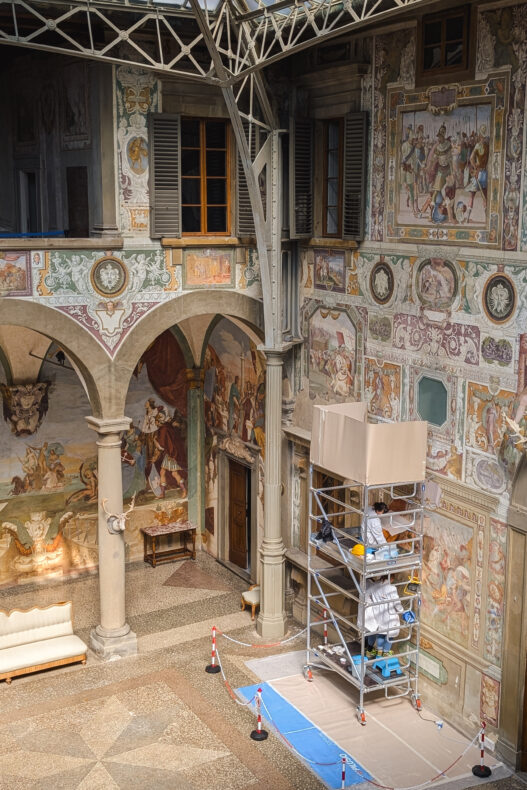
One of the biggest surprises on our last visit to Florence was this extraordinary villa just outside the city, perched in the hills near Castello. This Medici residence once served as the country retreat for Cosimo I and later for Italy’s first king, Vittorio Emanuele II. The villa itself is elegant without being overly lavish, but the real showstoppers are the terraced gardens. Perfectly trimmed hedges guide your eye toward the distant view of Florence, creating a scene that feels both serene and grand.
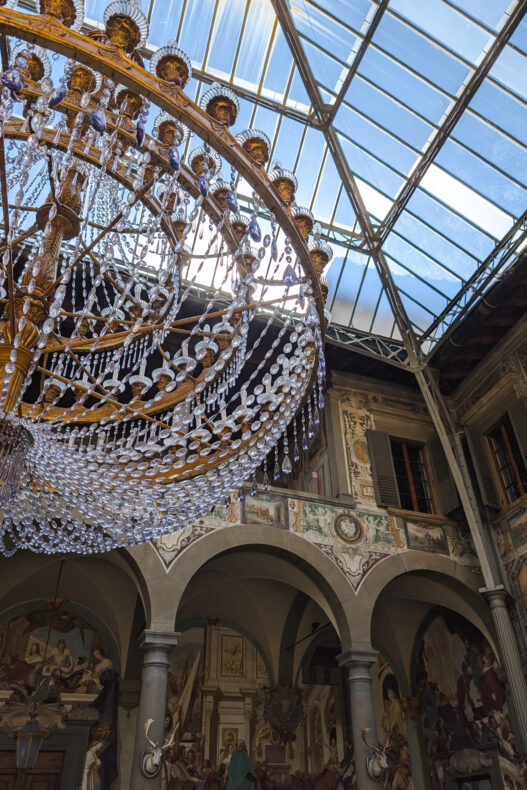
Inside Villa Medicea La Petraia, you wander through rooms filled with frescoes, antique furniture, and reminders of both the Medici era and the Italian royal family. The centerpiece is the grand hall, where wall-to-wall frescoes illustrate Florentine battles beneath a striking glass ceiling. During our visit, restoration work was underway on these stunning frescoes, adding to the sense of history and care that surrounds the villa.
Entrance is free, but guided tours are required. These tours are also free and typically take place at fixed times, led by official guides. We were lucky to have a private tour with an English-speaking guide. The villa is easy to reach by bus or car and is an ideal destination if you are looking for a cultural outing away from the usual crowds.
#23 Torre di San Niccolò
Rising on the south bank of the Arno, the Torre di San Niccolò is a medieval defensive tower that once formed part of Florence’s city walls. Built in the second half of the thirteenth century, it was originally linked to other towers and gates that encircled the city, playing a key role in Florence’s historic defenses.
Visitors can climb the tower, but only during the summer months and as part of a guided tour. As you make your way up, the guide shares fascinating stories about the city’s history and the strategic importance of the towers. Once at the top, you are rewarded with an incredible view that stretches across the Arno, the city’s bridges, and the terracotta rooftops of Florence.
The tours are intentionally small and intimate, and booking in advance is required. Admission is modest, and the atmosphere is calm and personal. This is not a crowded tourist attraction, but rather a hidden gem for those who want to discover something a little different from the typical Florence itinerary.
#24 Chiostro dello Scalzo
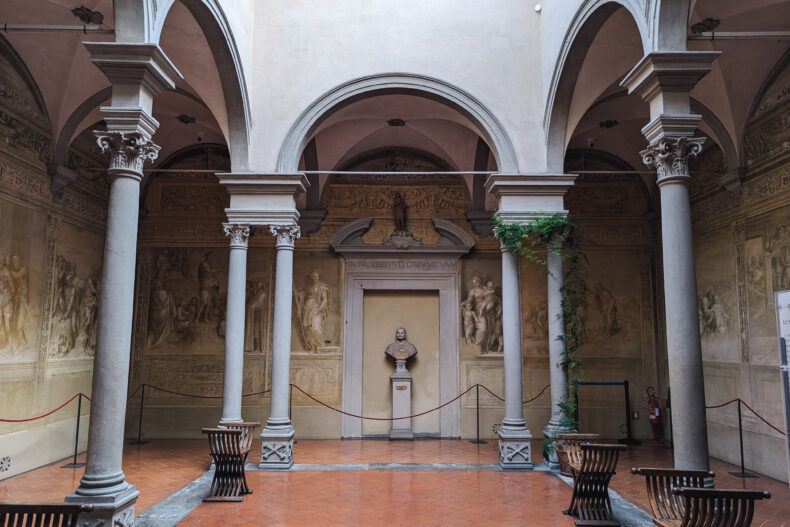
Chiostro dello Scalzo is one of those hidden treasures that you could easily walk past, but once discovered, you will not want to miss it. Nestled behind a simple façade on a busy street, this small cloister is entirely free to visit. Step inside, and you enter a calm, almost sacred space adorned with gray-and-white frescoes by Andrea del Sarto, who worked here in the early sixteenth century.
The paintings tell the story of John the Baptist and are executed entirely in grisaille, a technique that uses only shades of gray, giving the images a sculptural, almost three-dimensional quality. The frescoes are refined, understated, and exceptionally well preserved, creating a peaceful contrast to the lively city outside.
The cloister was once part of a brotherhood of penitents who participated in barefoot processions, which is how it got its name: ‘Scalzo’ means barefoot. Today, it remains a quiet, almost secret retreat. A true jewel hidden in the heart of Florence.
Bonus: the Last Supper in Sant’Apollonia
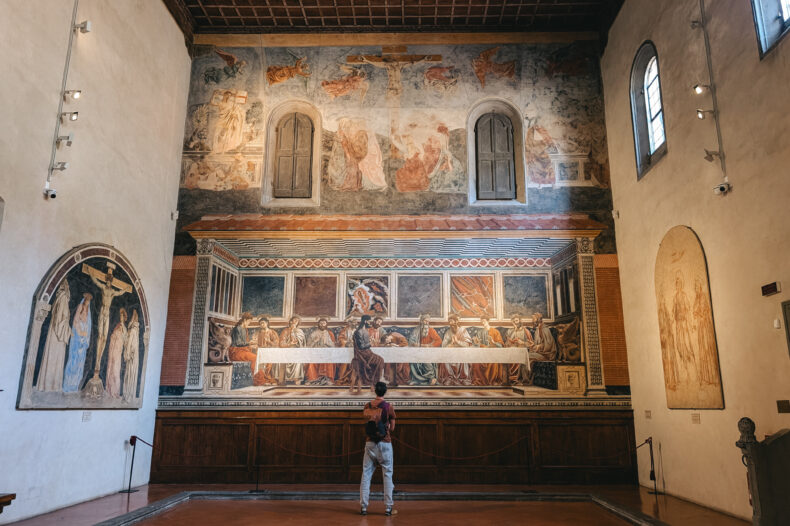
For anyone looking to escape the crowds of Florence, a quiet spot awaits in the former convent of Sant’Apollonia, located just a short walk from the Chiostro dello Scalzo. Inside, you will find one of the city’s most extraordinary frescoes: The Last Supper by Andrea del Castagno. This stunning work remains on its original wall in the refectory and stands as an early and remarkable example of Renaissance artistry.
Thanks to the convent being closed to the public for many years, the fresco has been preserved in exceptional condition. Entry is free, and visitors often find themselves alone or sharing the space with just a few others.
#25 Brancacci Chapel (Santa Maria del Carmine)
Exploring the Oltrarno district, you might unexpectedly stumble upon one of the most significant sites in the history of art: the Brancacci Chapel. It lies within the church of Santa Maria del Carmine, hidden behind a modest façade. Step inside, however, and you find yourself in a space that transformed painting forever. Masaccio and Masolino worked here on a series of frescoes illustrating the life of Saint Peter, and what unfolds on the walls is groundbreaking: genuine human emotions, realistic perspective, and perfectly proportioned figures.
Masaccio’s iconic ‘Expulsion from Paradise’ strikes with its raw and vulnerable portrayal, a stark contrast to the stiff and formal faces common in contemporary works. Later, Filippino Lippi contributed additional scenes, yet the overall harmony and style of the chapel remain remarkably consistent. Entrance requires a ticket, but every moment inside is a window into the very beginnings of modern artistic expression.
#26 Officina Profumo-Farmaceutica di Santa Maria Novella
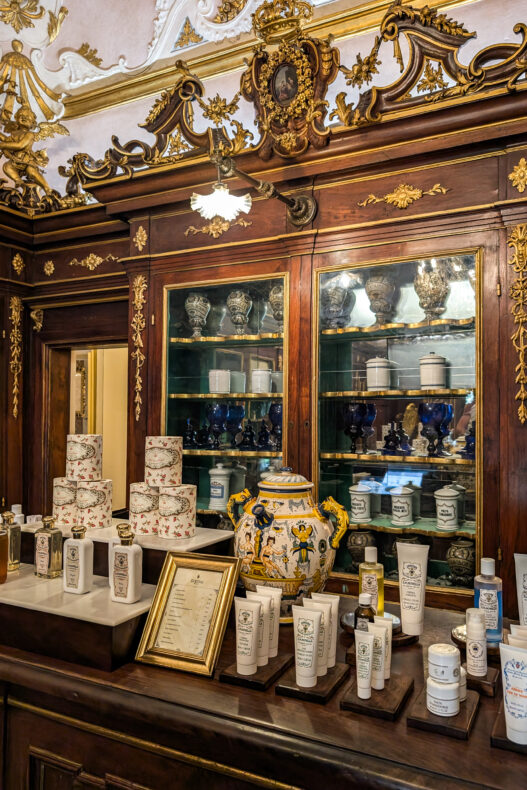
Step inside the historic Officina Profumo Farmaceutica di Santa Maria Novella, and it feels as if you have left Florence behind and entered a completely different era. This remarkable apothecary has been in operation since 1221, founded by Dominican monks who crafted medicinal herbs and perfumes. Today, it serves as a shop, a museum, and a sensory experience all in one.
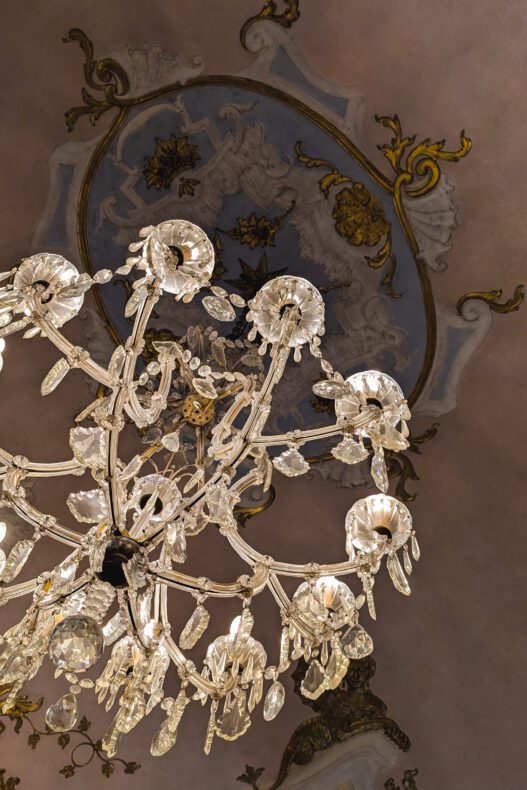
The building itself is a sight to behold, with soaring ceilings, delicate frescoes, glittering chandeliers, and wooden display cases neatly lined with bottles in perfect order. The air is filled with an enchanting blend of floral, herbal, citrus, and amber scents. You can purchase classic perfumes made according to centuries-old recipes, as well as soaps, creams, and liqueurs.
Admission is free, and visitors are welcome to wander at their own pace. Several rooms display historical objects such as ancient jars, balances, and handwritten formulas. Even if you do not buy anything, visiting this place is a special experience that offers a glimpse into Florence’s rich heritage of fragrance, healing, and craftsmanship.
#27 Museo di San Marco
If you want to escape the bustle of Florence, the Museo di San Marco is the perfect retreat. This former monastery is just a short walk from the Duomo, yet it feels like a world apart. There are no crowds and no lines, only calm, light, and the quiet presence of art. Fra Angelico, the renowned painter, lived and worked here, leaving a fresco in nearly every monk’s cell.
The frescoes are understated but deeply moving. Many depict Christ, Mary, or angels, always conveying a sense of space, serenity, and inner calm. As you wander through the monks’ sleeping quarters, the quiet corridors, and the refectory, you are transported back in time. The refectory itself contains a serene Last Supper, while the old library displays manuscripts and ancient books.
#28 Santo Spirito & square
At Santo Spirito Florence feels unexpectedly relaxed and alive. The square, located in the Oltrarno district on the south side of the city, is especially beloved by locals and students. During the day, market stalls fill the space with color and activity, while in the evening it transforms into a lively hub, buzzing with full terraces, music, and a warm, casual energy.
The basilica that gives the square its name was designed by Brunelleschi, though its exterior remains strikingly simple. From the outside, it may seem understated, but inside you are greeted by a bright, spacious interior, with dozens of chapels, remarkable artworks, and even a wooden crucifix attributed to Michelangelo.
Entrance to the church is free, except for the small area where the crucifix is displayed. Here, Florence is not just a museum city; it is a living, breathing place where people meet, eat, study, and experience life.
#29 Sant’Ambrogio Markt
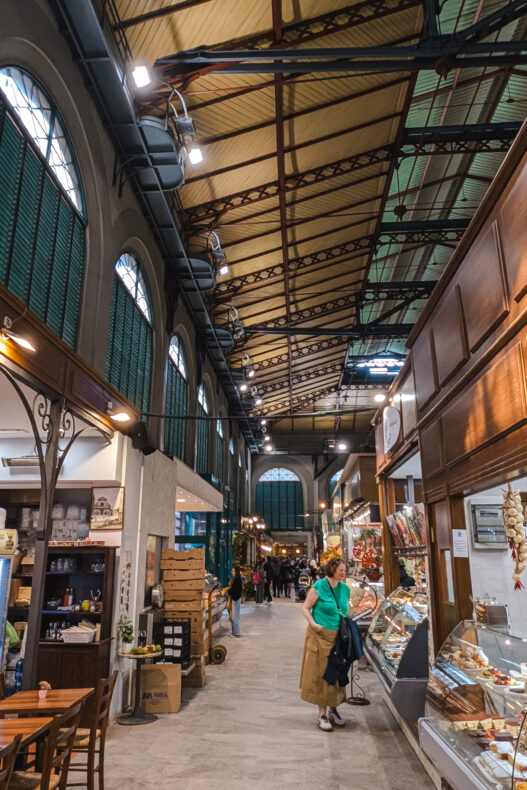
If you want to see how Florentines shop in their daily lives, Sant’Ambrogio Market is the perfect place to go. This covered market sits just outside the busiest tourist areas, offering a chance to explore without the usual crowds.
Inside, you’ll find fresh local products including meat, fish, cheese, pasta, and bread, all carefully displayed. Outside, stalls brim with vegetables, fruit, flowers, and even secondhand clothing. Many of the shops have been run by the same families for generations, giving the market a sense of continuity and charm. Italian is the language you will hear most here, which makes the experience feel authentic and lively. The market is open Monday through Saturday, with mornings being the most bustling and energetic time to visit.
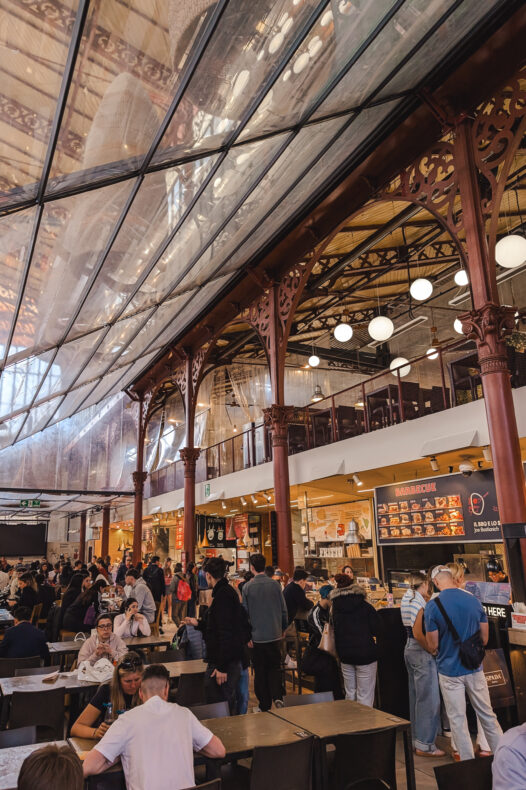
A fun extra is to take the escalators up, which bring you to a stylish food court. While we found the vegetarian food there not particularly memorable, the atmosphere is vibrant and full of life, making it a place worth visiting simply to soak in the local energy and colors.
#30 The Leonardo da Vinci Museum
Florence was the city of Leonardo da Vinci, and while most of his famous paintings are displayed elsewhere, this charming museum offers a fascinating insight into his inventive genius. Just a short walk from the Duomo, it is particularly enjoyable for anyone curious about technology, science, or traveling with children.
The museum brings Leonardo’s ideas to life through recreated models of his designs, including flying machines, cranes, war devices, and water systems. Many of the models are interactive, allowing visitors to touch, test, and experiment with them, making the experience playful and hands-on. In addition, sketches and explanatory panels reveal the creative process behind Leonardo’s groundbreaking inventions.
Although it is not a large museum, it provides a refreshing change from the city’s galleries and churches. Admission requires a ticket, but the museum offers a memorable and educational glimpse into the mind of one of history’s greatest inventors.


