Are you trying to decide between Tenerife and Gran Canaria? You are certainly not the only one. Both islands are among the most popular and largest in the Canary Islands, and they are fantastic year round destinations if you are looking for sunshine. Even though they are located close to each other, they feel surprisingly different once you arrive. The atmosphere, the landscapes, and even the types of experiences you can expect vary quite a bit. One island is shaped by a towering volcano and wild, dramatic scenery. The other is famous for its wide golden beaches and its relaxed, easygoing atmosphere.
In this blog, I compare Tenerife and Gran Canaria across six important aspects: nature, beaches, climate, overall atmosphere, who each island is best suited for, and the range of activities available. This clear comparison will help you quickly see which island matches your travel style and expectations. It is especially useful if you are still unsure, but also if you are simply curious about what makes these two islands special in their own way. By the end, you will have a clear idea of whether Tenerife or Gran Canaria suits you best, or whether you might decide, just like we did, that visiting both is the perfect solution.
Discover all our tips for Gran Canaria →
Explore all our tips for Tenerife →


The islands in short
- With 2,034 km², the largest Canary Island
- Approximately 965,000 inhabitants
- Active volcanic island with the El Teide volcano
- Capital: Santa Cruz de Tenerife
- Highest point: 3,715 meters (El Teide)
- Famous nature: El Teide, Los Gigantes, Anaga, Masca
- Touristic beach resorts: Playa de las Américas, Costa Adeje
- Rugged and contrasting landscape with many altitude differences
- 1,560 km² in size
- Approximately 850,000 inhabitants
- Capital: Las Palmas de Gran Canaria
- Highest point: 1,949 meters (Pico de las Nieves)
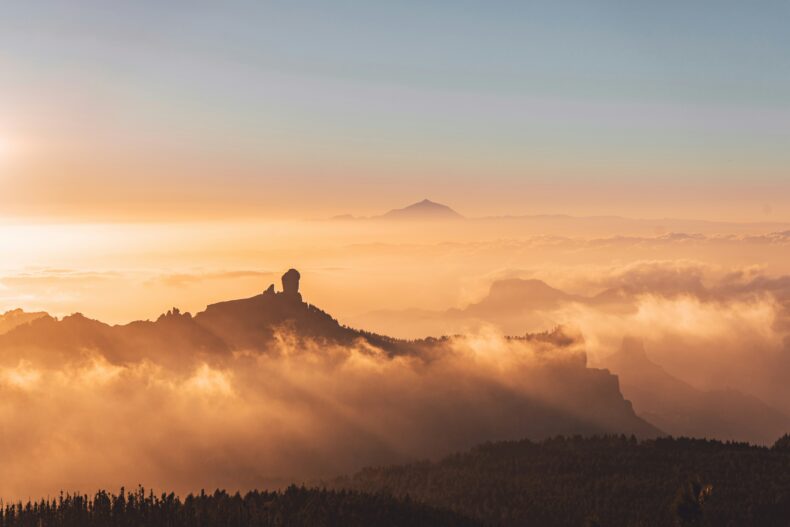
- Famous nature: Roque Nublo, Dunas de Maspalomas
- Touristic beach resorts: Playa del Inglés and Maspalomas
- Compact, diverse landscape with desert, mountains, and sea
- Known for nightlife and LGBTQ+ friendly atmosphere
#1 Nature and landscape
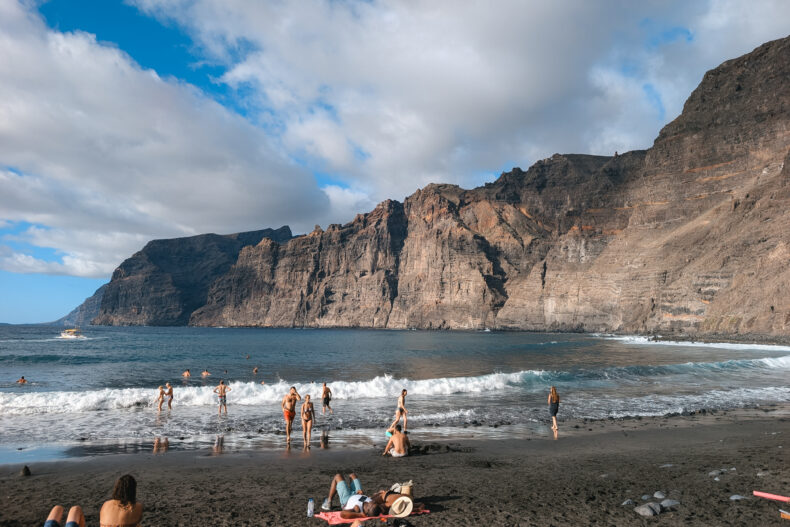
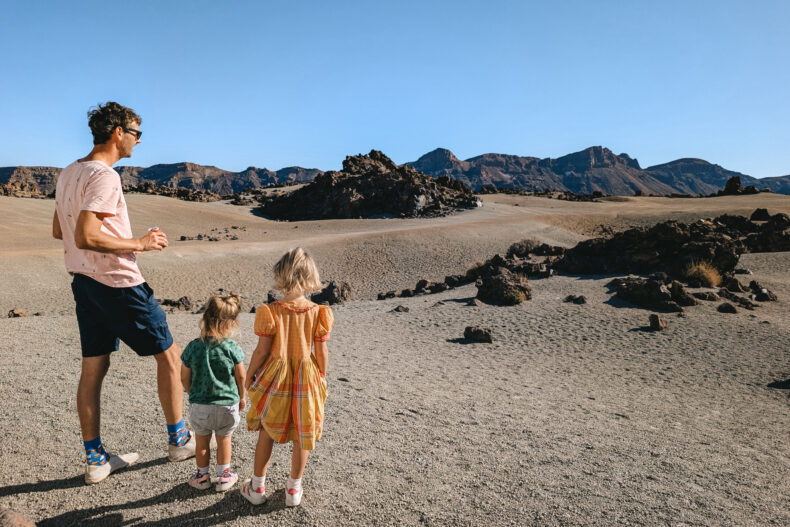
On Tenerife, everything seems to revolve around one spectacular highlight: Teide National Park. At the heart of the island rises Mount Teide, an enormous volcano that reaches 3,715 meters and proudly holds the title of the highest point in Spain. The national park that surrounds it spreads across the entire center of the island and feels vast, open, and almost otherworldly. You will see black lava fields stretching for miles, sharp craters shaped by ancient eruptions, and dramatic rock formations that look like they belong on another planet. We spent four full days exploring Teide National Park, hiking through volcanic scenery, climbing smaller peaks, and stopping often to take in the sweeping views. If there is one place you simply cannot skip on Tenerife, it is this unforgettable bucket list destination. Beyond the national park, the north of the island offers a completely different setting. Around the lush Anaga Mountains, the landscape turns green, misty, and mountainous, with winding roads and hidden viewpoints. The south, on the other hand, is drier and sunnier, with wide open skies and a warmer, more desert like feel.
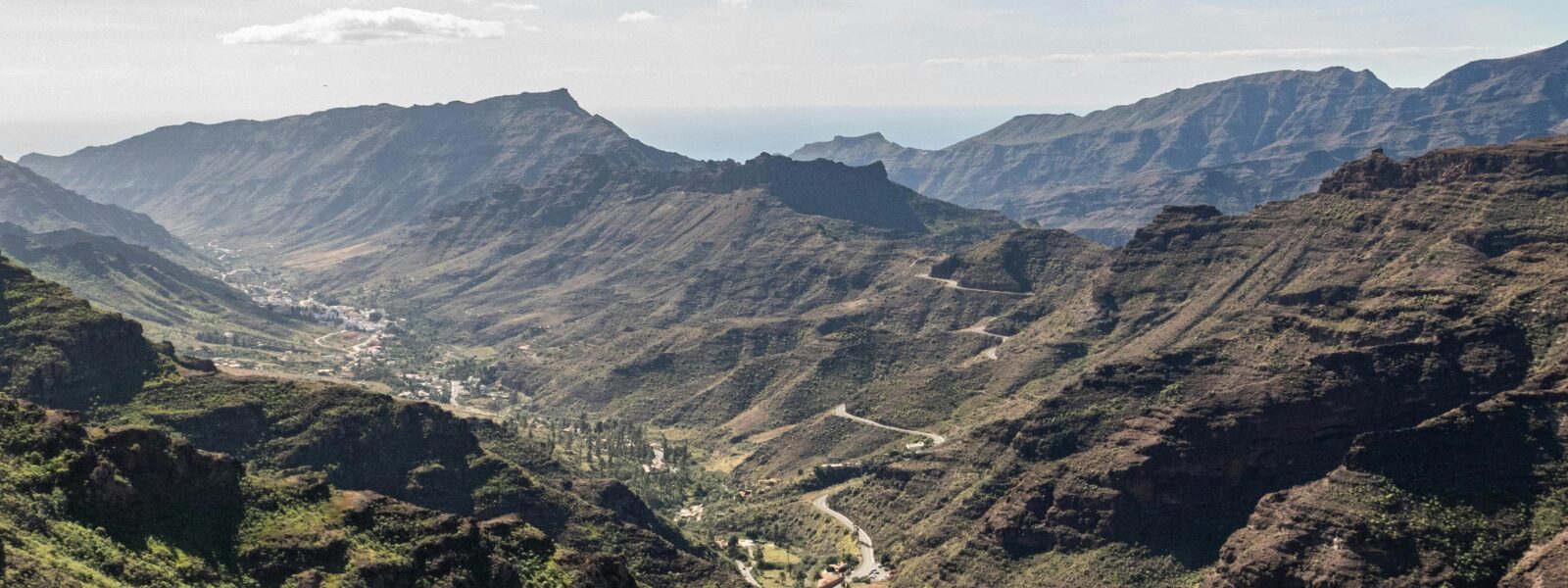
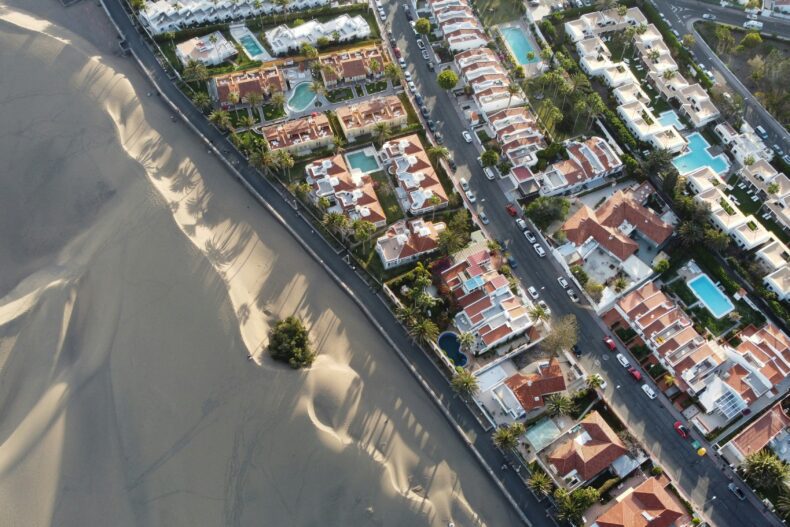
Gran Canaria also has volcanic roots, but its explosive past is now a distant memory. Today, you will barely notice any clear signs of volcanic activity, even though the island’s landscape is far from flat or predictable. The interior is rugged and mountainous, shaped by deep ravines, wide panoramic viewpoints, and remarkable rock formations such as Roque Nublo. One of the best ways to truly appreciate this scenery is by taking a road trip through the center of the island. As you drive along winding mountain roads, you will pass breathtaking viewpoints, dramatic valleys, and impressive rock formations that invite you to stop, step out of the car, and simply take it all in. In the south, you can explore the famous Maspalomas Dunes, an expansive area of rolling sand dunes that feels almost like a miniature desert and is unlike anything else you will find in Europe.
In summary:
Tenerife feels vast, powerful, and rugged, with Mount Teide rising high above the island as its true and unmistakable highlight. The island has a bold and dramatic personality, shaped by volcanic landscapes that feel raw, untamed, and unforgettable. Everywhere you look, the scenery leaves a strong impression and makes you feel small in the best possible way.
Gran Canaria, by contrast, is more compact in size, yet it surprises you with an impressive range of landscapes within a relatively short distance. In just one day, you can drive from mountain peaks and deep ravines to rolling sand dunes and coastal views. The scenery shifts quickly, which keeps every road trip exciting and full of variety. Both islands are remarkable and memorable in their own way, each offering something special. Still, Mount Teide remains, in our opinion, an experience that truly deserves a place on your bucket list.

#2 Beaches and Coastline
Tenerife offers a wide variety of beaches, but most of them are covered in volcanic black sand, a clear reminder of the island’s dramatic origins. Along the sunny southern coast, you will find sheltered bays such as Playa del Duque and Playa de las Americas, where the sea is usually calm and perfect for a refreshing swim. These beaches are backed by lively promenades lined with restaurants, cafés, and small shops, creating a cheerful and relaxed holiday atmosphere. If you are dreaming of softer golden sand, Playa de las Teresitas is your best choice. Thanks to its sheltered position in a bay, the water here often stays calm and safe for swimming, even when the ocean is rough in other parts of the island. In the north, the coastline becomes wilder and more dramatic. Beaches such as Playa de Benijo are stunning and atmospheric, with rugged cliffs and crashing waves, although strong currents make them less suitable for swimming. For surfers, El Medano is a favorite destination, especially near Montana Roja, where steady winds and rolling waves create ideal conditions.
Gran Canaria is best known for its golden sandy beaches, especially in the south of the island. The most famous stretch is Playa de Maspalomas, which lies right next to the iconic Maspalomas Dunes and gradually blends into the lively Playa del Ingles. The coastline here feels wide and open, with plenty of space to relax and enjoy the sun. Other lovely beaches include the family friendly Playa de Amadores, set along a calm turquoise bay, and Las Canteras Beach in Las Palmas, a vibrant city beach with a pleasant promenade and reliable surf. Overall, Gran Canaria offers wide, easy to access sandy beaches and often calmer waters, particularly in the south, making it a great choice for a laid back beach holiday.
In short:
Tenerife is mainly known for its darker volcanic beaches and a coastline that feels a little more rugged and untamed. Gran Canaria, on the other hand, offers more golden and spacious sandy beaches that invite you to relax, sunbathe, and swim. For that reason, we personally see Gran Canaria as more of a classic beach destination than Tenerife.
#3 Climate and Sunshine Guarantee
Tenerife enjoys a mild and sunny climate all year round, which is one of the main reasons travelers keep coming back. Because of Mount Teide and the mountainous interior, the island has clear microclimates that create noticeable differences between regions. In the north, the landscape is greener and slightly cooler, with a higher chance of clouds and occasional rain. That extra moisture is exactly what gives this part of the island its lush valleys and dramatic scenery. The south tells a different story. Here, the weather is much drier and sunnier, with average temperatures between 22 and 28 degrees Celsius. Even in winter, it usually feels warm and comfortable, perfect for spending time outdoors. The highest number of sunshine hours can be found around Costa Adeje and Playa de las Americas, which explains why this coastline is packed with resorts and popular holiday accommodations.
Gran Canaria is known for being slightly more consistent when it comes to weather. The southern part of the island, especially around the well known holiday areas of Maspalomas and Puerto Rico, is considered one of the driest regions in Europe. Sunshine is almost a certainty here, with mild winters and warm summers that make it a dependable year round destination. The north of the island is somewhat cooler and more humid, but the climate remains soft and pleasant overall. In the south, temperatures usually range between 23 and 30 degrees Celsius throughout the year, creating ideal conditions for beach days, swimming, and outdoor adventures.
In short:
Tenerife offers more variation in climate thanks to its mountains, with a sunny and dry south and a cooler, greener north. Gran Canaria tends to be slightly more stable and drier overall, especially in the south. If your main goal is guaranteed sunshine and you prefer as few weather surprises as possible, the southern coast of Gran Canaria may be the more reliable option.

#4 Atmosphere and Mass Tourism
Tenerife is the largest island in the Canary Islands and it also attracts the highest number of visitors each year. In the south, you will find large and lively resort areas such as Playa de las Americas and Los Cristianos. Life here revolves around sunshine, beaches, nightlife, and a wide choice of restaurants, bars, and entertainment. The atmosphere is energetic and fun, especially if you enjoy a buzzing holiday vibe. At the same time, these areas can feel busy and strongly focused on tourism. Still, Tenerife has another side. In the north and in smaller villages along the east coast, the pace of life slows down and the surroundings feel more authentic. Places such as San Cristobal de La Laguna and Puerto de la Cruz offer charming streets, traditional markets, and much less high rise development. Whether the island feels crowded or peaceful really depends on where you choose to base yourself.
Gran Canaria also has several well known beach resorts, especially around Playa del Ingles, Maspalomas, and Meloneras. In these southern areas, you will find tourist shopping centers, rows of resorts, and a lively nightlife scene that attracts visitors from all over Europe. However, once you leave this part of the island, the atmosphere changes quite noticeably. In the mountainous interior and in the north, large scale tourism is much less present. Small mountain villages have kept their calm and local character, where daily life moves at a slower rhythm. Even the capital, Las Palmas, feels more balanced than you might expect, combining beach life, culture, and normal city life rather than catering only to tourists.
In short:
Both islands are popular holiday destinations, especially along their southern coasts. However, outside the busy resort area of Maspalomas, Gran Canaria often feels less crowded and less dominated by mass tourism. If you prefer a slightly more relaxed and laid back atmosphere, Gran Canaria may have a small edge.
#Who is it Best Suited for?
Tenerife is a great choice if you like variety and want your trip to include more than just beach time. One day you can hike through the impressive landscapes of Teide National Park, and the next you can explore the greener, more traditional north. On another day, you might simply relax on a sunny beach in the south. The island is large and diverse enough to make every day feel different, which is perfect if you enjoy discovering new places and changing scenery. Families will find plenty to keep everyone entertained, from the famous Siam Park to animal parks and calm beaches around Costa Adeje. Do keep in mind that the landscape is more rugged and that travel times between highlights can be a bit longer. If you are interested in culture, Tenerife also has a lot to offer. In cities such as San Cristobal de La Laguna and Puerto de la Cruz, you can wander through colorful streets, visit local markets, and enjoy an atmosphere that feels less focused on tourism. Tenerife suits travelers who want to combine relaxation with exploration and who enjoy seeing different sides of an island.
Gran Canaria feels slightly smaller and easier to get around, which makes it very comfortable for a laid back sunshine holiday. Distances are shorter, so you can see a lot without spending too much time in the car. In the south, there are many hotels and resorts that offer everything you might need, making it easy to fully relax and enjoy your stay. At the same time, you can quickly escape to the mountains, visit charming villages, or spend a day exploring Las Palmas. Families have plenty of child friendly accommodations to choose from, while couples and groups of friends will also find a wide range of options. Gran Canaria has long been a favorite destination within the LGBTQ plus community, especially around Playa del Ingles, where the atmosphere is open, friendly, and welcoming.
In short:
Tenerife is ideal if you are active and want to see and experience a lot, with a mix of nature, beaches, and culture. Gran Canaria is perfect if relaxation is your main priority, while still having enough choices for a day trip or an enjoyable evening out. Gran Canaria is often described as slightly more child friendly because of its wide, calm beaches and the many family oriented resorts in the south. From our own experience, however, we found both islands equally suitable for families.
#6 Activities and Sights
Tenerife offers an impressive range of activities for travelers who like to stay active or explore special places. The island’s most famous attraction is without doubt Mount Teide, the towering volcano that dominates the skyline. You can take a cable car part of the way up for incredible views, or choose one of the walking trails that wind through the dramatic volcanic landscapes of Teide National Park. The scenery here feels almost otherworldly and is unlike anywhere else in Spain. Beyond Teide, there is still plenty to discover. You can hike through the green and misty forests of the Anaga Mountains, explore the steep cliffs and narrow paths of Masca Gorge, or head out on a boat trip along the coast to spot dolphins and whales in their natural habitat.
If you are in the mood for culture, San Cristobal de La Laguna is well worth a visit. This historic town is full of colorful houses, quiet squares, and beautiful colonial style buildings that give it a warm and authentic feel. In the capital, Santa Cruz de Tenerife, you can visit museums, browse the shops, or relax at a terrace and enjoy the local atmosphere. Tenerife also offers wine tastings at local vineyards, botanical gardens filled with tropical plants, scenic viewpoints with sweeping ocean views, and popular water parks such as Siam Park. It is an island where you can easily combine outdoor adventure with beach time and relaxed afternoons by the sea.
Gran Canaria may not have one single landmark as dramatic as Mount Teide, yet it still provides a wide and appealing mix of sights and experiences. A hike to Roque Nublo rewards you with panoramic views across the island, while a drive to mountain villages like Tejeda lets you experience traditional Canarian life. The striking rock formations of Barranco de Las Vacas add a surprising splash of color to the landscape. The well known Maspalomas Dunes are a highlight in their own right, with rolling sand hills that create a scene that feels almost like a small desert by the ocean.
For culture and history, you can spend a day in Las Palmas, especially in the historic district of Vegueta. Here you will find cobbled streets, lively squares, and the well known Casa de Colón, which tells the story of Christopher Columbus and his voyages. Along the north coast, natural swimming pools shaped by lava rock offer a refreshing and scenic place to swim. You can also hike to a secluded waterfall or unwind in charming seaside towns such as Puerto de Mogan, known for its pretty harbor and colorful houses.
In short:
Tenerife is perfect for nature lovers and active travelers who are looking for variety and bold landscapes. Gran Canaria feels slightly calmer and its sights may be less towering, yet it still offers plenty of beautiful locations and enjoyable day trips, all within easy reach of each other.

Conclusion: Tenerife or Gran Canaria?
Both islands are wonderful choices for a sunny getaway, but they offer a slightly different feel. If you are excited by rugged scenery, scenic hikes, and a holiday filled with variety, then Tenerife is likely to be the better match. You can wander across ancient lava fields, take in the views from the slopes of Mount Teide, and later stretch out on a beach with the ocean at your feet. That mix of wild landscapes and relaxed beach time gives Tenerife a lively and adventurous character while still offering plenty of comfort.
If your idea of the perfect break is sunshine, calm beaches, and everything within easy reach, then Gran Canaria may suit you more. The southern coast, particularly around Maspalomas, is perfect for slowing down and enjoying long, easy days in the sun. You can settle into a comfortable resort, spend time by the sea, and truly switch off. At the same time, the island invites you to explore without much effort. A day in the capital Las Palmas, a scenic drive through the mountains, or a visit to a quiet village can all be done without long journeys.
As you have seen in the more detailed comparison, the choice is not completely black and white. Tenerife also offers lovely beaches, and Gran Canaria has striking mountain views. Both islands bring together nature, culture, and relaxation in their own unique way. Still, we feel that each island shines just a little brighter in the areas mentioned above. Thinking about what matters most to you during your holiday will make it easier to decide which island truly feels like the right fit.
In short:
– Pick Tenerife if your focus is on exploring nature, enjoying variety, and staying active.
– Pick Gran Canaria if you are after sunshine, ease, and a more relaxed pace.
Still having trouble deciding? Then consider visiting both islands. Traveling by ferry between Tenerife and Gran Canaria is simple and convenient, at least from our experience. The two islands complement each other beautifully, making them ideal to combine in a single trip or to explore in separate years. This way, you can experience the best of what both islands have to offer without missing out on any of their unique highlights.


