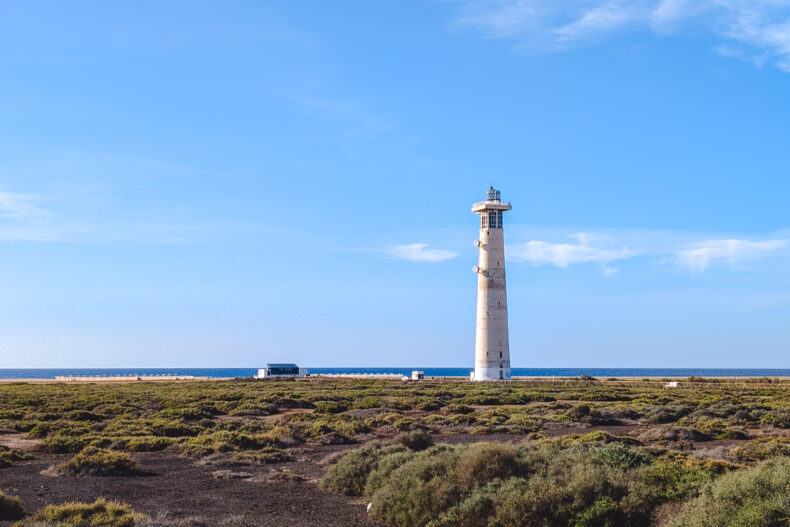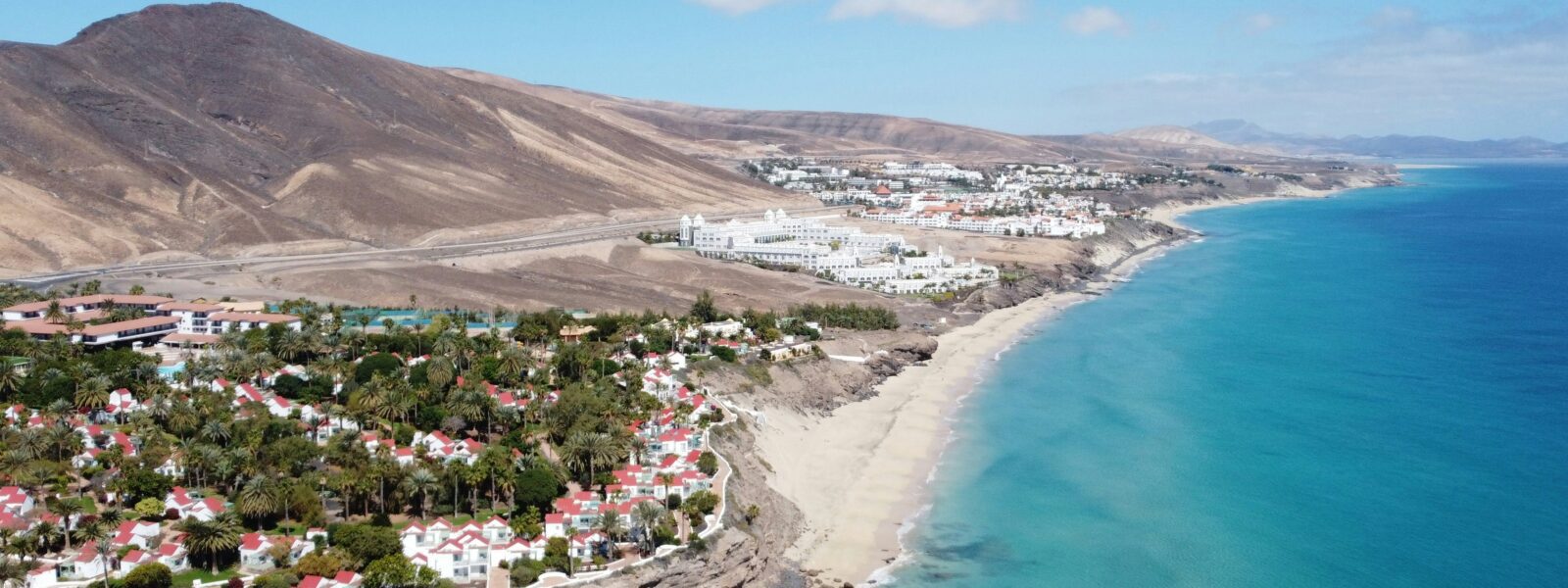
Of all the Canary Islands, Fuerteventura stands out as the most spacious and laid-back. The island has an open, airy feel, with long roads stretching through empty landscapes and the sea appearing again and again around each bend. Sand dunes, volcanic hills, and endless beaches follow one another in rapid succession, offering a scenery that constantly changes and surprises.
As you drive across the island, it becomes clear how quickly the landscape shifts and how little it is broken up by buildings. For six months, we traveled through all the Canary Islands in our camper with our family, and it was here on Fuerteventura that we truly felt a sense of calm and relaxation.
What makes Fuerteventura so special is its diversity. In the north, you will find dunes, volcanoes, and quaint coastal villages. The interior brings surprises with mountain hamlets, historic settlements, and viewpoints that offer stunning panoramas. Down south, the wind, open spaces, and seemingly endless beaches take over, creating a sense of freedom that stretches for miles.
In this article, you will discover the 23 most beautiful places on Fuerteventura, from well-known landmarks to hidden corners, and from wide sandy beaches to dramatic volcanic landscapes.


What Fuerteventura is Known For
Fuerteventura is best known for its wide open spaces, steady winds, and long, sandy beaches. The island has a raw and spacious feel, with very little development and the sea stretching endlessly to the horizon. Everything here seems a little bigger, a little calmer, and much more relaxed than on the other Canary Islands.
Beaches are the true stars of Fuerteventura. The coastline is long and varied, with wide stretches of sand that often continue for kilometers. Of all the Canary Islands, this is the ultimate destination for beach lovers. Nowhere else did we find coastlines that feel so untouched and truly paradisiacal. Instead of busy promenades, the focus here is on open space, bright light, and unobstructed views. Beaches such as Corralejo, Cofete, and Sotavento perfectly show how the sea and sand dominate the island’s landscape.
The wind is just as central to Fuerteventura’s character. It blows almost all year round and sets the rhythm of life here. For windsurfers and kitesurfers, the island is a constant favorite. On windy days, many coastal stretches come alive with a colorful display of water sports enthusiasts, from windfoilers to surfers. At the same time, the wind brings a refreshing coolness, keeping the climate pleasant and making even the warmest days comfortable and never stifling.
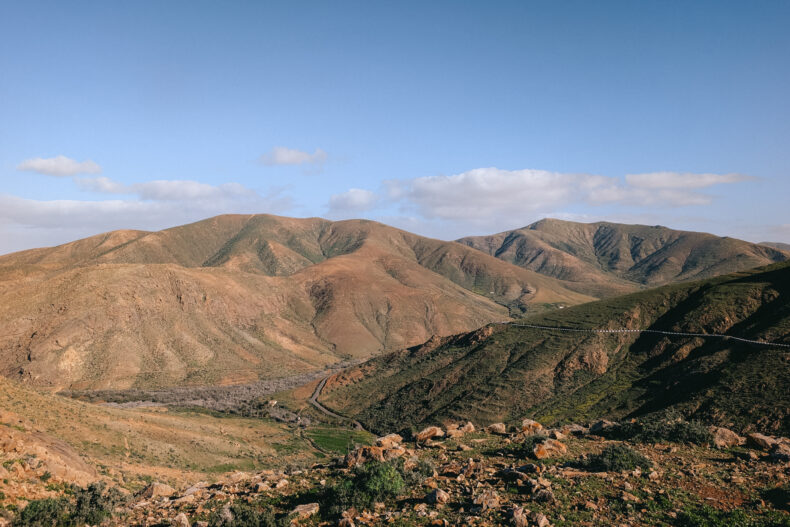
Fuerteventura is also known for its rugged, volcanic terrain. Green vegetation is scarce here, replaced by lava fields, rolling hills, and dry valleys. It is precisely this simple, unadorned landscape that creates long sightlines and a remarkable sense of openness. Volcanoes, craters, and barrancos often lie exposed and unfiltered, giving the island a raw and dramatic beauty that is impossible to ignore.
In addition, Fuerteventura is cherished for its calm and relaxed atmosphere. Large cities, such as Las Palmas on Gran Canaria or Santa Cruz on Tenerife, are entirely absent, and life unfolds mainly along the coast and in small villages. The island attracts travelers who are not looking for a hectic schedule but who want to take their time enjoying nature, hiking, beaches, and watersports. This makes Fuerteventura a less conventional tourist destination, but it is exactly this quiet charm that makes it so wonderfully inviting and refreshing.


How to Get Around Fuerteventura
Fuerteventura is a large island, and its main sights are spread far apart. The easiest way to explore is by rental car. The roads are well maintained, quiet, and easy to navigate. With a car, you can drive smoothly from the north to the south and stop along the way at beaches, viewpoints, and nature areas that lie outside the villages.
For more remote locations, such as Cofete or the quiet beaches in the south, you may need to travel on some unpaved roads. A standard rental car is usually enough, although you will often need to take out additional insurance to drive on these roads safely.
Public transport mainly consists of buses connecting the larger towns. This works well for single trips, but it can take more time, and you are limited to fixed routes and schedules. Taxis are reliable, but fares can quickly add up on longer journeys. Anyone who wants real freedom and the ability to visit several places in one day almost always chooses a rental car. On Fuerteventura, having your own car is simply the standard way to see the island.
When it comes to renting a car on Fuerteventura, there are plenty of options to choose from. Sunny Cars is perfect for travelers who want to drive with complete peace of mind. Their all-inclusive package covers insurance, damage waivers, and local fees, so you never have to worry about unexpected costs. Everything is arranged in advance, and if any problem arises, whether it is damage or a breakdown, it is dealt with quickly and efficiently.
Discover Cars is another solid choice, especially popular with travelers who want the best price. This comparison site allows you to select from a range of rental providers, which often results in lower rates. It is important, however, to carefully check exactly what is included and what is not before making a booking.
For travelers who value ease and security, Sunny Cars is a dependable option. For those whose main priority is finding the lowest price and who are willing to compare terms and conditions, Discover Cars can offer a more cost-effective solution.


Where to Stay on Fuerteventura
Where you stay on Fuerteventura has a big impact on how you experience the island. It is a wide and varied place, and the atmosphere changes clearly from one region to another. In the north, Corralejo is a popular base. From here, you are close to the sand dunes, Isla de Lobos, and several beautiful beaches. Corralejo is lively, with plenty of restaurants and accommodation options, but it is also very touristy. It feels busier and more international than other parts of the island, which may not appeal to everyone seeking the calm, relaxed character that Fuerteventura is known for.
Top places to stay in Corralejo include : AVANTI Lifestyle Hotel and La Marquesina Hotel Boutique, both celebrated for their stylish boutique feel, adults-only atmosphere, and central location. Secrets Bahía Real Resort & Spa is especially popular for its luxurious rooms, extensive spa, and quiet seaside setting, offering a more indulgent and restful experience.
On the west coast lies El Cotillo, which we consider the most charming place to stay. The village is small, easy to explore, and revolves around tranquility, stunning sunsets, and beaches within walking distance. The atmosphere is relaxed, without large resorts or mass tourism. Precisely because amenities are limited, El Cotillo feels personal and authentic. If you want to experience Fuerteventura in a calm, unhurried way, this is, in our opinion, the best choice.
For a small-scale and intimate atmosphere in El Cotillo, top choices include El Hotelito del Cotillo, Cotillo House, and Esmeralda Cotillo Homes by LIVVO. These properties offer modern rooms within walking distance of both the beach and the village center, making it easy to soak in the relaxed pace, peaceful charm, and friendly feel of the area.
In the south, Morro Jable and Costa Calma are the most well-known places to stay. Here, you will find long sandy beaches and a wide variety of hotels, but the atmosphere is clearly geared toward tourism. In our experience, these towns feel less distinctive and somewhat impersonal. They are convenient for a comfortable beach holiday, yet they lack the calm and unique character that make Fuerteventura so special.
Recommended places to stay in Morro Jable include Hotel XQ El Palacete and Garden & Sea Boutique Lodging by LIVVO. Both offer comfortable rooms with sea or garden views, feature a boutique-style charm, and feel calmer and more personal than the larger hotel complexes, giving travelers a more relaxed and enjoyable experience.
In Costa Calma, INNSiDE by Meliá Fuerteventura and H10 Playa Esmeralda are popular for their modern luxury, direct seaside locations, and beautifully designed rooms focused on comfort and relaxation. These properties are ideal for travelers who want a stylish and peaceful beach holiday while staying just steps from the sand and the sea.


Tourist map of Fuerteventura
[googlemaps https://www.google.com/maps/d/u/1/embed?mid=1PXCOf3nxRuAbLmsZm7M74YuZWj4ll6c&ehbc=2E312F&w=790&h=480]The most beautiful places in North Fuerteventura
#1 Dunas de Corralejo
Parque Natural de Corralejo lies just outside the town of Corralejo and is famous for its striking landscape of endless white sand dunes along the northern coast. The sand is mostly made up of crushed shells and coral, and it constantly shifts with the wind, giving the landscape a sense of perpetual movement and change. Winding paths meander between the dunes, while wide, open beaches stretch along the sparkling sea. There are no buildings in sight, which gives the area a vast, almost desert-like feel. On clear days, the island of Lanzarote appears on the horizon, adding to the sense of openness.
The beaches attract swimmers, surfers, and kitesurfers, but they are just as captivating for those who come simply to enjoy the space, the peace, and the stunning contrast between the soft white sand and the deep blue ocean.

#2 Isla de Lobos
Isla de Lobos sits between Fuerteventura and Lanzarote and is accessible only by boat from Corralejo. The island is small, uninhabited, and protected as a nature reserve. Its landscape is a striking mix of volcanic rock, gravel paths, and low, vegetation-free hills. Well-marked walking trails guide visitors past salt flats, secluded coves, and the Faro de Martiño lighthouse. Along the coast, tiny beaches with crystal-clear waters are perfect for snorkeling and discovering the vibrant marine life.
The name Lobos comes from the monk seals that once lived on the island. A strict visitor limit ensures the island remains quiet and uncrowded, even during peak season, giving every visitor a truly peaceful and immersive experience in nature.
Sail to Lobos Island on a relaxing catamaran cruise →
Take a fast round-trip speedboat to Lobos Island →

#3 Correlejo
Corralejo sits at the northern tip of Fuerteventura and is one of the island’s most popular destinations. The town has a lively and inviting atmosphere, with several beaches on its outskirts, a compact town center, and beautiful sea views. You can take a leisurely stroll along the promenade, enjoy a meal at one of the many restaurants, explore the harbor, or drive just a few minutes to reach the sand dunes and the natural park that lie just outside town.
From the harbor, boats regularly depart for Isla de Lobos, making Corralejo a convenient base for day trips. The town is clearly geared towards tourism and is busier than many other areas, yet its mix of beaches, village charm, and prime location makes Corralejo an excellent place to explore for a day.

#4 El Cotillo & La Concha Beach
El Cotillo is located on the west coast and has a very different vibe compared to the larger resort towns. The village has a compact center with low-rise houses, small beaches, and an old lighthouse overlooking the sea. While the west coast is generally known for its strong waves, La Concha Beach is a rare exception. This beach sits in a sheltered lagoon protected by natural rock formations, and the water is often calm and crystal clear, making it perfect for swimming and snorkeling. El Cotillo is frequently praised for its mix of rugged coastline, tranquil beaches, and wide-open ocean views, especially when the sun begins to set.
Tip: Just north of El Cotillo, near the lighthouse, you will find stunning natural pools where the sea is contained by rocks. This is a truly paradisiacal spot, tucked among endless sand dunes and offering a serene and almost magical coastal experience.


#5 Barranco Encantado
Barranco Encantado is tucked away in a quiet area near Lajares and features a short, narrow gorge with remarkably wavy rock formations. Years of erosion have sculpted smooth, rounded shapes that almost seem otherworldly. As you make your way through the gorge, you pass between photogenic, towering rock walls, each turn revealing a new and fascinating formation. The trail is easy and requires no climbing, yet its secluded location gives the walk a sense of adventure. With very little vegetation, all attention naturally falls on the sculpted rocks themselves.
As you approach the barranco, you will notice smaller side paths carved by erosion that lead to even narrower sections of the gorge. Exploring one of these paths offers an even more intimate perspective and makes the experience feel truly special.
Barranco Encantado is often overlooked and remains one of Fuerteventura’s lesser-known treasures. We found it to be a stunning piece of landscape and an ideal short walk for families with children, providing a memorable adventure without the need for a long or strenuous hike.

#6 Popcorn Beach (Playa del Bajo de la Burra)
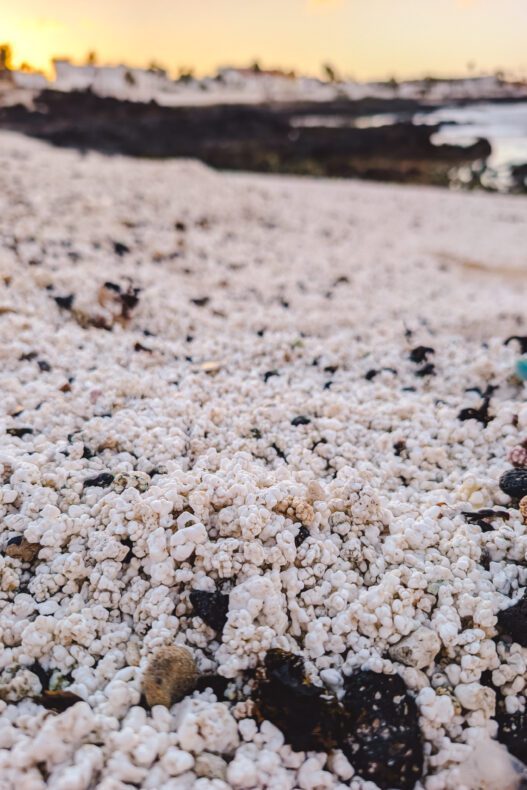
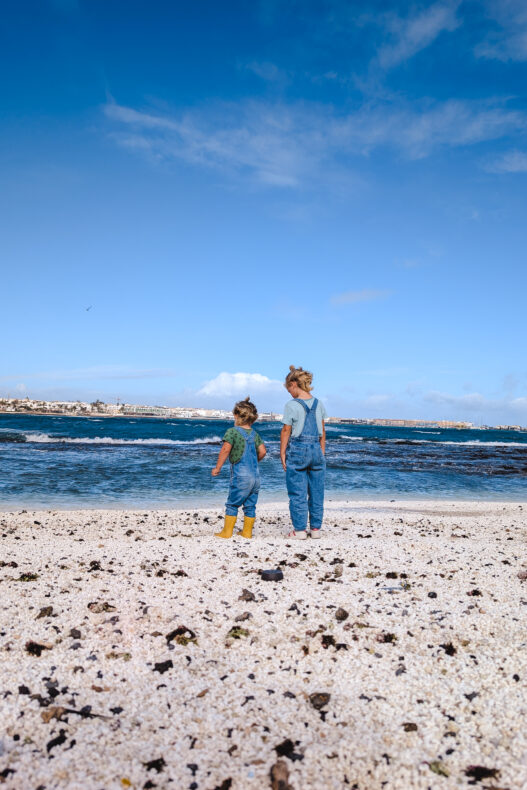
Popcorn Beach lies along the northern coast of Fuerteventura, between Corralejo and Majanicho. The beach earns its playful nickname from the small white stones scattered across the sand, which look remarkably like popcorn. These are actually fossilized algae, released through natural erosion and gradually washed ashore over time.
The beach itself is small and fully open to the sea, so the waves here can be quite strong. Swimming is not ideal, making the water more suited to watersports enthusiasts. The main reason to visit, however, is to see the extraordinary “popcorn” stones that give the beach its unique character. It is important to remember that taking the stones is strictly prohibited, ensuring the beach remains in its natural and untouched state for everyone to enjoy.
#7 Calderón Hondo Volcano
Calderón Hondo is located just outside Lajares and is one of the most accessible volcanoes on Fuerteventura. This ancient volcano is part of a larger volcanic system that shaped the northern part of the island. At roughly 50,000 years old, it is actually one of the younger volcanoes here. Fuerteventura’s volcanic landscape is dramatic but also very old, giving it a unique character that feels completely different from the volcanoes on Tenerife or La Palma.
From the parking area, a wide path gently winds its way up to the crater rim. The climb is short and easy, yet it offers spectacular views the entire way. Once at the top, you look directly into the deep, nearly perfect round crater. Surrounding the volcano are lava fields and smaller volcanic cones, and on clear days, Lanzarote appears on the horizon. There is a walking trail that circles the crater rim, though it was closed during our visit.
Along the path, you are likely to spot the semi-tame squirrels that live on Fuerteventura. These creatures are not native and are considered a nuisance to coastal bird nests, but they are undeniably cute and add a playful, unexpected charm to the hike.


#8 Volcán de la Arena
Volcán de la Arena sits close to Calderón Hondo, yet it has an immediate sense of calm and seclusion. This lower volcano attracts fewer visitors and lies at the heart of an open lava landscape known as the Malpais de la Arena. The trail around the volcano winds over black and red volcanic gravel and is very easy to follow. For those who want a little extra adventure, a small side path leads to the summit for a short, rewarding climb.
From the top, the views are striking. You can see the village of Lajares, the surrounding craters, and the rugged northern coastline stretching into the distance. Because of its quiet location and the stark, minimal landscape, Volcán de la Arena feels far from tourist crowds and provides a genuine glimpse into the wild, raw interior of Fuerteventura.

The Most Beautiful Spots in Central Fuerteventura
#9 Ajuy Caves and Black Beach
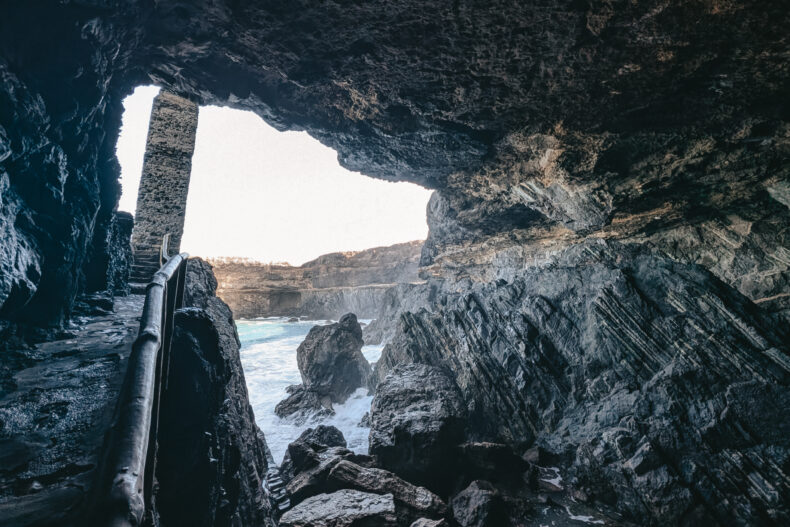
Ajuy is a small village on Fuerteventura’s west coast, famous for its striking black beach. From the village center, a paved path winds along the cliffs toward the Cuevas de Ajuy, offering breathtaking views of rugged rock walls and the often wild, crashing sea below.
The caves themselves were carved from ancient lava flows and rank among the oldest rock formations in the Canary Islands. A staircase allows visitors to enter the first cave, which connects to a second cave that can be reached by scrambling over rocks. The caves are dark, rugged, and raw, creating one of the island’s most dramatic natural wonders.
Ajuy’s beach is made of black volcanic sand and is frequently exposed to strong waves, making swimming generally unsafe. During our visit, access to the caves was occasionally restricted due to rough seas.
#10 Barranco de las Peñitas & Arco de las Peñitas
Barranco de las Peñitas is tucked away inland near Betancuria and immediately feels unlike any other spot on the island. The gorge is narrow, dotted with small pools of water, and remarkably photogenic. The walking path winds along towering rock walls, past a few scattered palm trees, and alongside old stone walls that add to the sense of history and charm. At the end of the trail, a large dam forms a small reservoir, but for us, the gorge itself steals the show. Adding to the enchantment, a tiny white chapel has been built against the rock face, giving the scene a storybook-like quality that feels almost timeless.
A slightly bigger draw is the Arco de las Peñitas, a natural rock arch shaped over centuries by wind and water. It stands just beside the barranco. The path to reach the arch is short but a little tricky due to the rocky terrain. We managed to climb to the arch even with small children, though it did require some careful scrambling. Because the arch is fairly well known, expect it to be busy. During our visit, there was even a line of people waiting for their turn to snap a photo beneath it, which shows just how popular this striking natural formation has become.


#11 Betancuria, the Most Beautiful Village on Fuerteventura
Betancuria sits in the heart of Fuerteventura’s mountainous interior and was once the island’s administrative center. Founded in 1404, it became the first capital of Fuerteventura. Today, the village is still small but incredibly charming, with its whitewashed houses, narrow winding streets, and a tranquil square in front of the Santa María Church. Its beauty has earned it an official place among the most picturesque villages in Spain. Around the village, several museums offer insight into the island’s history and its original inhabitants. Nestled in a lush green valley, Betancuria feels protected and almost removed from the busy coastal areas, providing a serene and inviting retreat.
Tip: For a short and enjoyable walk, make your way to the monastery ruins just outside the village near the camper parking area. The ruins are a peaceful spot to explore, and wandering among them gives a wonderful sense of the village’s history and quiet surroundings.

#12 Mirador Morro Velosa
Mirador Morro Velosa sits high in the heart of Fuerteventura’s interior, offering sweeping views across rolling hills, deep valleys, and ancient agricultural terraces. From the platform, it is easy to appreciate how volcanic activity and erosion have shaped the island over time, creating a striking and ever-changing landscape. The sense of scale is impressive, and on clear days, the horizon seems to stretch endlessly, giving a true feeling of the island’s vastness.
The viewpoint was designed by the renowned Canarian architect César Manrique. In his signature style, the lookout blends effortlessly into the surroundings, using natural stone to make it feel like a seamless part of the landscape. When the sky is clear, your gaze can reach all the way to the west coast, providing a breathtaking panorama of Fuerteventura’s rugged interior.

#13 Poblado de La Atalayita
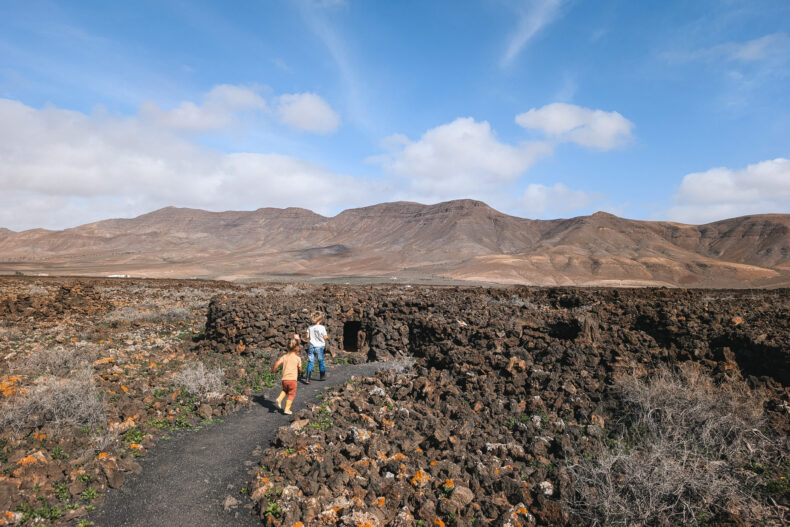
Poblado de La Atalayita is situated on the eastern side of Fuerteventura near Pozo Negro and provides a rare insight into life before the Spanish conquest. The site features dozens of low stone houses, built from lava rock and carefully restored on their original foundations. This is where the Mahos, the island’s original inhabitants, lived alongside their livestock. Visitors can freely wander among the buildings and see how living quarters, storage areas, and animal enclosures were closely connected. Entry is completely free. A small museum sits nearby, although during our visit it was closed despite the posted opening hours.
Tip: From the village of Pozo Negro, follow the scenic circular walk through the valley, passing lava fields and Poblado de La Atalayita. When you return to the tiny fishing village, you can relax on a simple plastic chair at one of the local seafood restaurants and enjoy a fresh meal, or take a refreshing dip in the sea to complete the walk.
#14 Museo del Queso Majorero
Museo del Queso Majorero is located just outside Antigua and celebrates one of the island’s most famous products: Majorero goat cheese. Inside, the museum takes you through the story of how goat farming and the island’s landscape are deeply connected. You can admire traditional tools, browse old photographs, and follow detailed explanations of the cheese maturation process. Naturally, a tasting is included for those who want to try the cheese firsthand, available for an extra €3.50 per person.
Outside, a windmill immediately captures the imagination of both children and adults, and for our little ones, it was possibly the highlight of the visit. Visitors can step inside and climb the stairs to peek at the mill’s inner workings up close. There is also a charming cactus garden to wander through.


#15 Cuevas de los Estancos
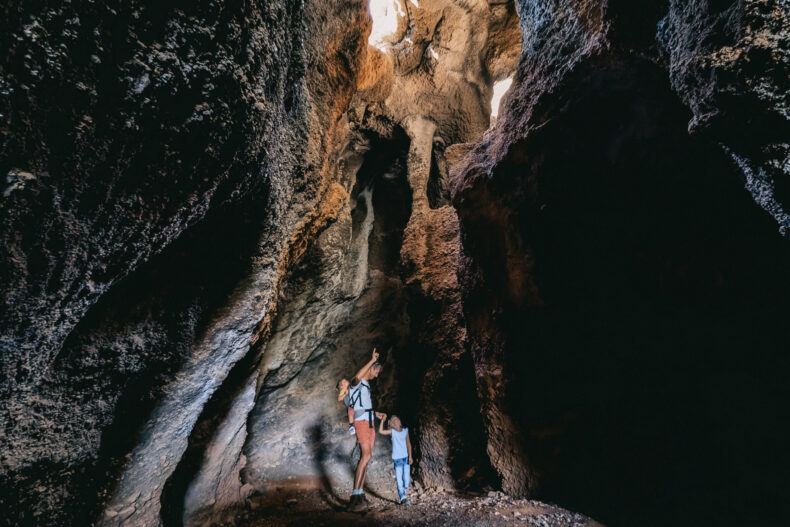
Cuevas de los Estancos is a hidden gem in the north of Fuerteventura that feels like a real discovery off the beaten path. There are no marked trails, signs, or barriers. Here, you step straight into a rugged natural area where exploring is entirely in your hands.
The name may suggest one large cave, but in fact, it is a short gorge filled with open lava tunnels, small hollows, and narrow passages. You can walk through it easily and even scramble over some rocks along the way. Just to the left as you enter is the biggest opening. A wide tunnel there suddenly drops into total darkness, adding an exciting sense of adventure to the experience.
The caves are located near the village of Estancos and are easy to find on Google Maps. You can park along the road, and from there it takes around five minutes to reach the gorge. Because the system is open at the top, most areas are illuminated by daylight, with occasional darker sections to explore. Cuevas de los Estancos is remarkably quiet and ideal for anyone looking for a short adventure without a long hike. With good shoes and a flashlight, it is also a safe and fun spot to explore with children.
#16 Puerto del Rosario
Puerto del Rosario sits on the east coast and serves as the administrative heart of Fuerteventura. The city grew around its harbor, giving it a practical, working-town character. In the center and along the waterfront, you will find numerous sculptures and artworks that together create an open-air museum, adding color and interest to the streets. The harbor remains active today and continues to set the pace of the town. While historical monuments are limited, Puerto del Rosario has a genuine, everyday charm. It is not a major tourist destination, but it is worth a visit if you want to step away from the resorts and experience a slice of real island life.
#17 Salinas del Carmen
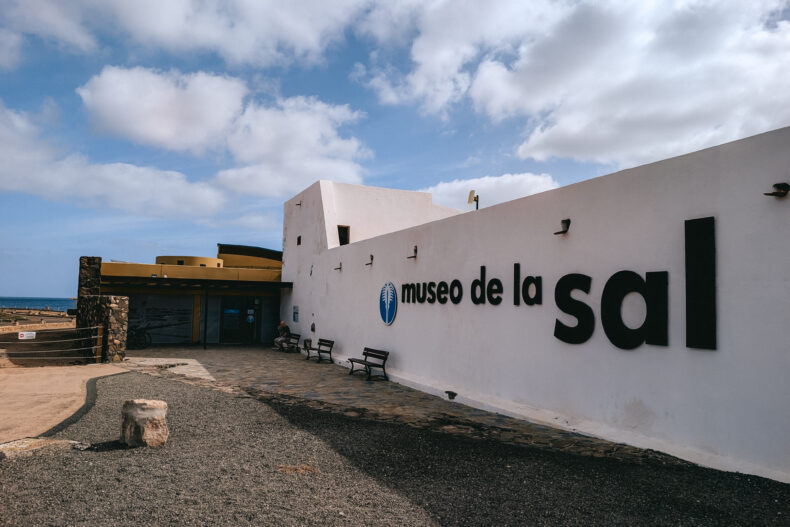
Salinas del Carmen lies right on the coast, between Antigua and Caleta de Fuste. The salt pans date back to the nineteenth century and were once vital for preserving fish. The area is made up of low stone walls and shallow basins where seawater slowly evaporates under the sun. Today, the site has been transformed into a small museum with clear explanations of the traditional salt-making process. A striking whale skeleton stands among the salt pans, giving the site an unusual and memorable touch. Salinas del Carmen is compact and easy to explore, offering an insightful glimpse into how people in the past harnessed the island’s natural resources to make a living.
#18 Piscina Natural de Caleta de Fuste
The Piscina Natural de Caleta de Fuste sits right on the coast and feels more like a hidden cove than a constructed pool. Volcanic rocks form a sheltered basin where seawater flows in freely, keeping the water clear, cool, and inviting while most of the waves are gently held back. At low tide, the cove is especially calm, while at high tide the sea fills the basin completely, so it is worth checking the tides before your visit. The rocky surroundings give the area a raw, natural charm. This is not a beach to lounge on for hours, but it is an ideal spot to take a refreshing dip or cool off during a coastal walk. Its close proximity to Caleta de Fuste makes it an easy and convenient stop.
Tip: Caleta de Fuste also boasts a beautiful, sheltered, and expansive sandy beach, perfect for spending a leisurely day by the sea.

The Most Beautiful Spots in South Fuerteventura: Jandía and Surroundings
#19 Playa de Cofete (Jandía Peninsula)
Playa de Cofete is a remote and striking beach on the west side of the Jandía Peninsula that left a lasting impression on us. This stunning stretch of sand runs for kilometers and is completely enclosed by rugged, steep hills. With almost no buildings in sight, the landscape feels entirely untouched and wild. The sea here is often powerful, with strong currents and high waves, making it unsuitable for swimming. However, it is the perfect place to watch the ocean, take long walks, and soak in the immense scale and raw beauty of the surroundings.
#20 Playa Mal Nombre
Playa Mal Nombre sits in the south of the island, just beyond the busier area of Morro Jable. The beach is broad, quiet, and remarkably empty compared to others in the region. Light sand stretches along the shore, bordered by steep slopes, gentle hills, and open plains. Facilities are minimal, with only a small beach bar, which only adds to the peaceful atmosphere. Depending on the wind, the sea can range from calm and inviting to lively and dramatic, making this beach a serene and ever-changing spot to enjoy the southern coast.

#21 Sotavento Beach
Of all the beaches in Fuerteventura, Playa Sotavento quickly became our absolute favorite. This stunning beach lies on the southeast coast and is made up of a series of long, golden sand stretches that together form the remarkable Sotavento Lagoon.
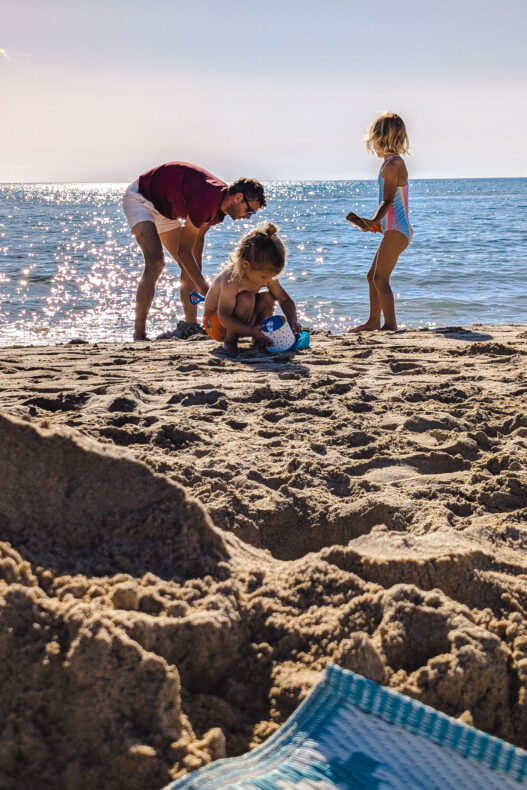
At low tide, shallow lagoons emerge, constantly reshaping the landscape and attracting a variety of birds. These lagoons also create large, calm pools of water where children can play safely, which, in our opinion, makes this beach perfect for young families.
It is the unique interplay of water, sand, and wind that makes Sotavento so special. The area is internationally renowned among windsurfers and kitesurfers thanks to the constant breeze. At the same time, the beach is so vast that there are always quiet, undisturbed spots to be found. Sotavento feels open and airy, with very little development and sweeping views stretching out to the sea and surrounding mountains. We ended up spending an entire week here simply because we loved it so much.

#22 Camino Gran Valle to Playa de Cofete
The hike along Camino and Degollada Gran Valle toward Cofete is one of the most memorable walks on Fuerteventura. The trail begins in the mountainous interior of Jandía and rises about three hundred meters over a relatively short distance. The path is easy to follow and rewards you along the way with ever-expanding views of the rugged west coast. Once you reach the top, the landscape opens dramatically, revealing the beach at Cofete in all its magnificence: vast, empty, and embraced by towering mountains. Sebastiaan completed the route both ways in about three hours and was deeply captivated by the untouched beauty of the beach and the breathtaking mountain scenery.
#23 Morro Jable and El Matorral Beach
Morro Jable sits at the southernmost tip of the island and serves as the main town of the Jandía Peninsula. Originally a small fishing village, it has grown into a lively seaside resort, though traces of its past remain around the harbor. Right next to the town center is El Matorral Beach, a long and wide stretch of sand that reaches all the way to the lighthouse. Its expansive shoreline is perfect for long, peaceful walks along the sea. Morro Jable is often chosen as a base for exploring the south because it combines beaches, local amenities, and natural scenery in one convenient location, making it easy to enjoy both relaxation and adventure.