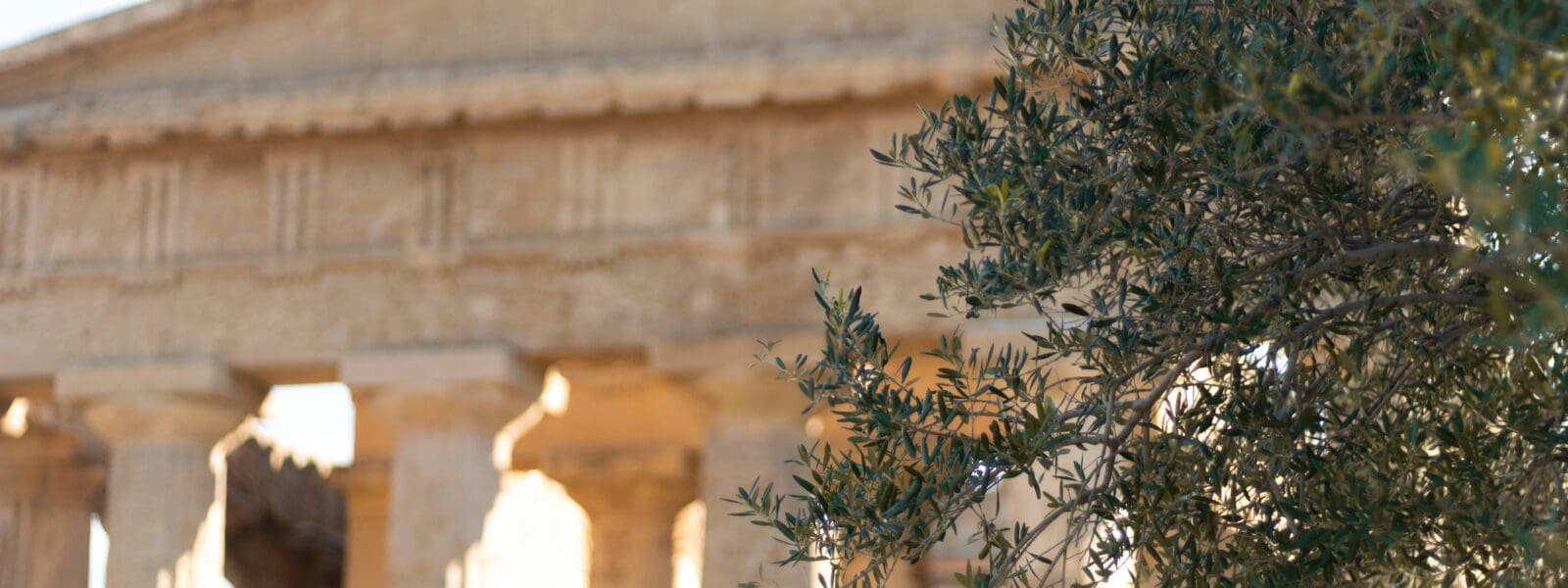
Sicily is made for a road trip. The island is wild and full of contrasts, with dramatic landscapes, ancient cities, active volcanoes, and beaches in every imaginable color and shape. Here, Arab domes, Baroque cathedrals, and Greek temples appear side by side, while along the way you can pause for a rich espresso in a lively square or savor freshly caught seafood by the sparkling sea. A road trip across Sicily takes you from the bustling streets of Palermo to the serene calm of nature reserves, from bright white limestone cliffs to dark, rugged lava fields.
It is this mix of experiences that makes Sicily so unique and perfect for exploring by car. You can set your own pace, discover hidden gems off the beaten path, and combine culture, nature, and relaxation in a single journey. In this blog, you will find a detailed two-week itinerary that covers all corners of the island.
The route guides you past famous highlights as well as lesser-known treasures, with practical tips to make your journey smooth and enjoyable. It is perfect whether you are visiting Sicily for the first time or returning to uncover new surprises. So climb in, turn the key, and let yourself drift along dusty mountain roads, scenic coastal routes, and charming squares where time seems to stand still.
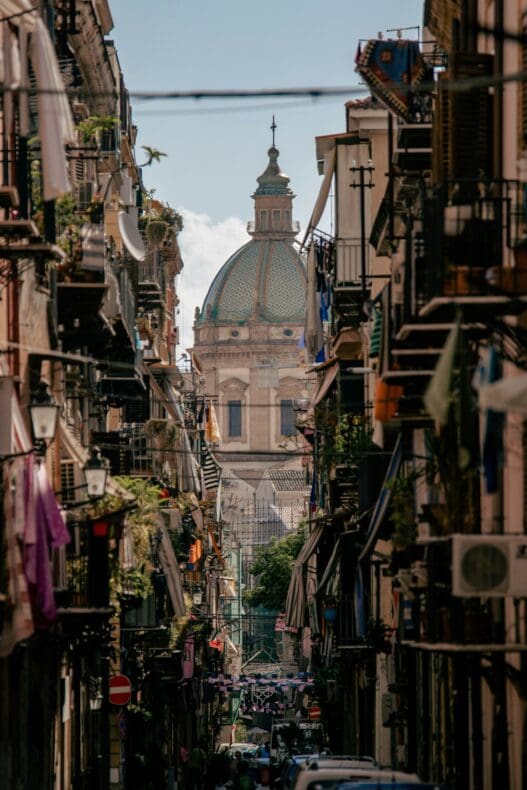


Airports And Car Rental in Sicily
For a road trip through Sicily, there are two main airports to fly into: Palermo and Catania. Palermo is, in our opinion, the most obvious choice, as this charming city makes a perfect start and finish for your journey. Flights from all around Europe to Palermo are also easy to find. Catania, located on the eastern side of the island, is a good alternative, although direct flights from internatinoal destinations are less frequent. From either airport, you can easily follow the road trip route described in this article – the loop is the same, just with another starting point. If you like, you can also book an open-jaw ticket, flying into Palermo and returning from Catania, or the other way around. Keep in mind that returning your rental car at a different location usually comes with an additional fee.
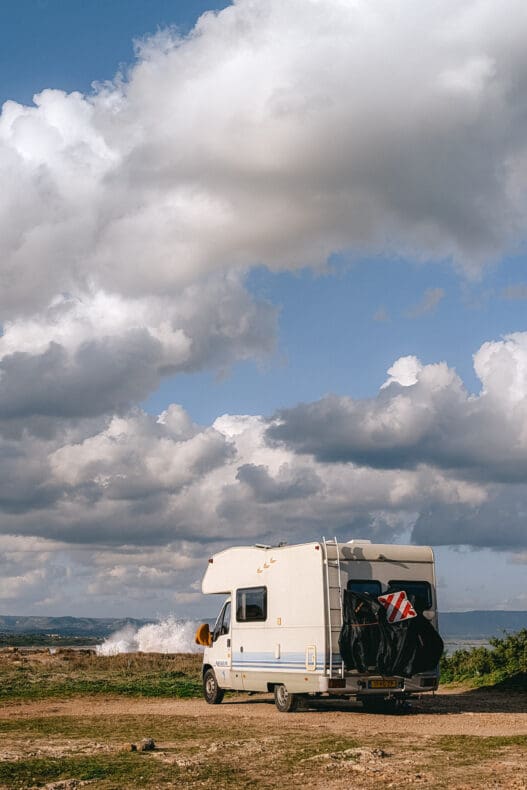
Without a car, exploring Sicily is very limited. The most beautiful spots are often tucked away, and public transport is not always convenient. We therefore highly recommend renting a car in Sicily. Arrange it well in advance to secure the best option. Ideally, choose a smaller vehicle, as navigating Sicily’s narrow, winding streets in a large car can be stressful. Trust us, we speak from experience with our big camper van on the island.
While driving, watch out for ZTL zones. These are traffic-restricted areas in historic city centers, and it is easy to enter them without noticing, which almost always leads to a fine. To make things trickier, Italy has different types of ZTL zones, some of which allow certain vehicles, while others do not. Many zones are deactivated on weekends, making them temporarily accessible. Research this carefully before entering any city.
Our golden tip is to rent your car through Sunny Cars. This company is a favorite among experienced travelers, and for good reason. Everything is included from glass and tire coverage to full reimbursement of your deductible if anything goes wrong. There are no surprises and no hassle. You know exactly what to expect, and you can cancel free of charge up until shortly before departure. If you need help along the way, their customer service is always available. This makes driving just a little more relaxing, especially in the sometimes hectic Sicilian traffic.
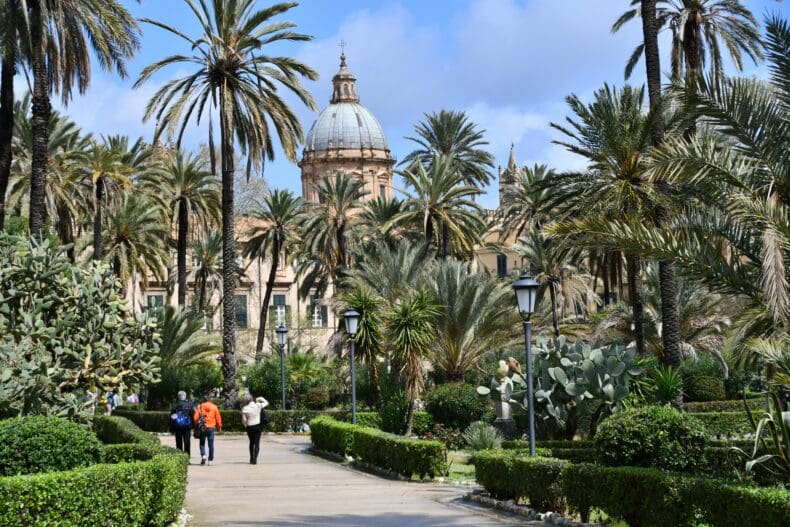
What is Sicily known for?
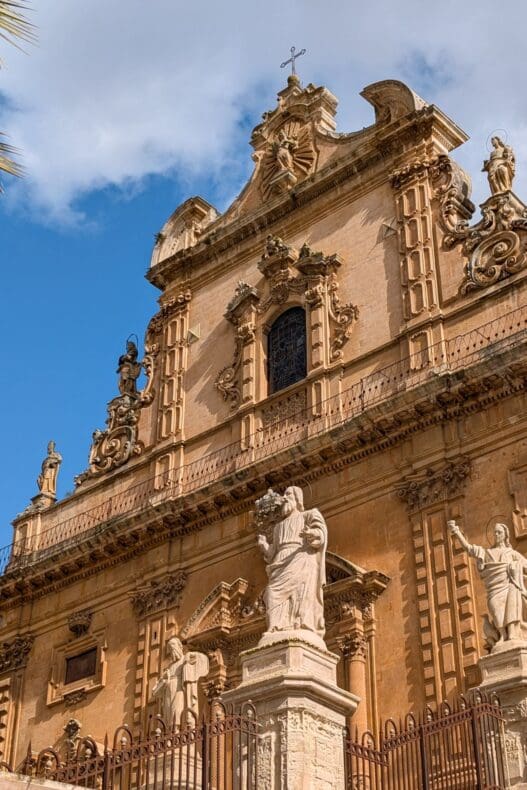
Sicily is an island of contrasts, where ancient myths, fiery volcanoes, and a cuisine that makes your mouth water come together. Over the centuries, Greeks, Romans, Arabs, and Normans have all left their mark here, and traces of their influence can be seen everywhere: in the temples of Agrigento, the intricate mosaics of Monreale, and the grand Norman palaces of Palermo.
Food on the island is almost a religion. Arancini – crispy, golden rice balls filled with ragù or mozzarella – are Sicily’s ultimate snack. Cannoli filled with creamy ricotta and a touch of orange are unmatched anywhere else. And then there is pasta alla Norma, a tribute to the Catanese opera composer Bellini, made with tender eggplant, rich tomato sauce, and salty ricotta.
But Sicily offers much more than food and history. Mount Etna, Europe’s highest active volcano, dominates the landscape, providing not only dramatic eruptions but also fertile vineyards that produce some of the island’s best wines. The coastline shifts from towering cliffs to secluded coves, with beaches that range from soft white sand to deep volcanic black.
And the traditions here are just as vibrant. Every town and village celebrates a feast in honor of a patron saint, with colorful processions, dazzling fireworks, and tables overflowing with Sicilian specialties. Everything is celebrated with energy, passion, and an abundance of delicious food that draws locals and visitors alike into the festivities.


Tourist Map of Sicily
[googlemaps https://www.google.com/maps/d/u/1/embed?mid=1sMe3Hk3KsW0ww9PMRcHSOHxWPWp0uxQ&ehbc=2E312F&w=790&h=480]The Perfect Travel Itinerary for Sicily in 2 weeks
You can enjoy an incredible trip to Sicily even with just a short city break. Take, for instance, the lively city of Palermo, where you could easily spend days wandering through bustling markets, exploring grand palaces, and admiring stunning cathedrals. You can also take day trips to nearby gems like Monreale or the sun-drenched beaches of Mondello. Another option is the charming town of Taormina, a smaller yet enchanting destination on the east coast. From there, you can fly into Catania and embark on an unforgettable day trip to the Etna volcano.
We were lucky to have plenty of time, spending over a month traveling around Sicily and staying at almost every destination for at least a full day, often longer. Along the way, we discovered countless other spots beyond the route described in this article – real hidden gems – but the itinerary below strikes a great balance between well-known highlights and our personal favorites. For an even fuller picture of everything this Italian island has to offer, we recommend checking out our blog post featuring the 28 (!) most beautiful places in Sicily.
If you do not have a month to spare (and let’s be honest, who really does?), this 14-day road trip plan is the perfect way to experience all sides of Sicily in just two weeks.
Sicily Road Trip – Sample 14-Day Itinerary
Day 1: Arrive in Palermo and settle in, ready to start your Sicilian adventure.
Day 2: Explore Palermo, then visit the stunning mosaics of Monreale before heading to the charming coastal town of Cefalù.
Day 3: Travel from Cefalù to Taormina, enjoying scenic views along the way.
Day 4: Spend the day exploring Taormina and the beautiful island of Isola Bella.
Day 5: Take a memorable day trip to Mount Etna, Europe’s highest active volcano.
Day 6: Drive from Taormina to Catania, stopping to enjoy the local sights and atmosphere.
Day 7: Journey from Catania to Syracuse and explore the historic streets of Ortigia.
Day 8: Travel from Syracuse to Noto and continue to the baroque town of Modica.
Day 9: From Modica, visit Ragusa before heading to Agrigento to see its famous temples.
Day 10: Explore Agrigento, then visit the striking white cliffs of Scala dei Turchi and Punta Bianca, ending the day in Mazara del Vallo.
Day 11: Drive from Mazara del Vallo to Marsala and continue to Trapani, soaking in coastal views along the way.
Day 12: Take a day trip to the hilltop town of Erice, and enjoy stops at the beaches of San Vito Lo Capo and the Zingaro Nature Reserve.
Day 13: Travel back from Trapani to Palermo, making any final stops along the way.
Day 14: Depart from Palermo, taking home memories of an unforgettable Sicilian road trip.

Road Trip Route for Sicily (with map)
Not sure where to begin on such a vast and diverse island? This itinerary lets you discover every side of Sicily in just two weeks, in every sense of the word. From impressive volcanoes to picturesque fishing villages, this is the route you will not want to miss.
[googlemaps https://www.google.com/maps/d/u/1/embed?mid=1yCgu3IqCXM08AU2yQqQRh037b27cIlA&ehbc=2E312F&w=790&h=480]#1 Palermo
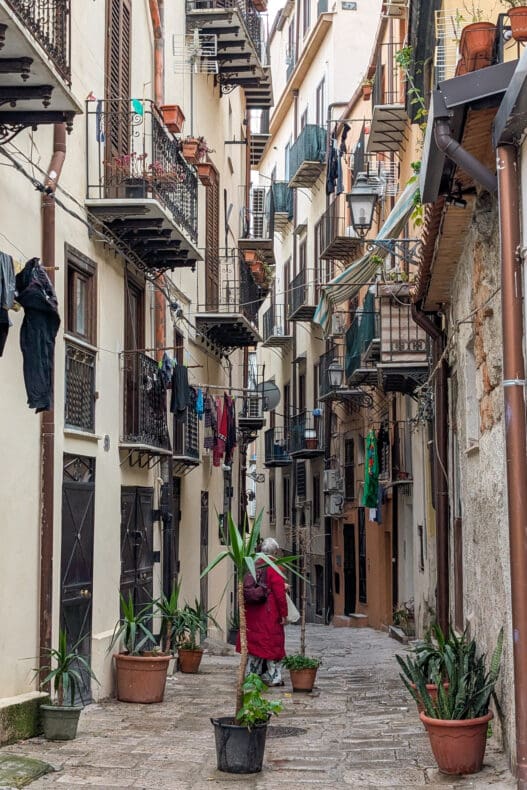
Palermo is a feast for the senses. Imagine golden mosaics, streets bursting with colorful street art, markets alive with noise, and the scents of fresh fish, sweet cannoli, and roasted herbs filling the air. The capital of Sicily is anything but tidy and polished, and that is exactly what makes it so captivating. Everywhere you turn, you feel the mix of cultures: Arab, Norman, Baroque, and a touch of chaos. We fell in love instantly and ended up staying longer than we had planned.
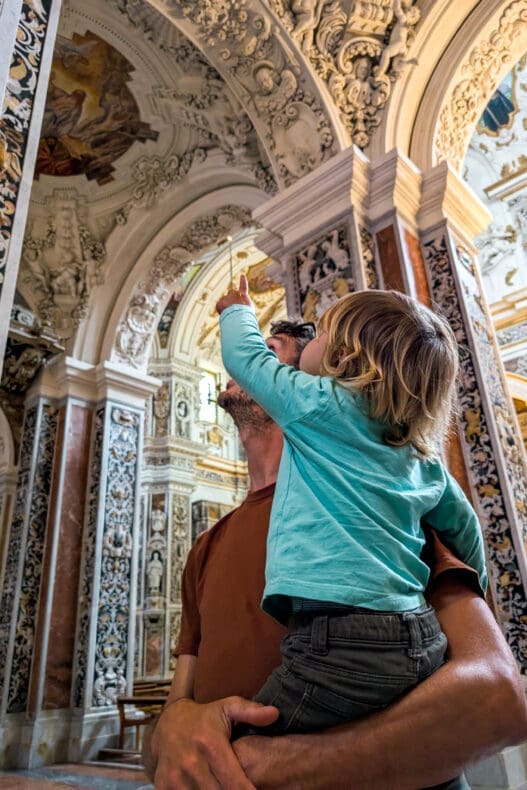
Explore the impressive cathedral, wander through the palace of the Sicilian kings with its dazzling golden Cappella Palatina, and admire the opulent Baroque of the Chiesa del Gesù, where the marble seems to cascade straight from the ceiling. But most of all, do not miss the markets. At Ballarò and Vucciria, you will discover the true Palermo: loud, lively, and unfiltered. Try an arancina, let yourself be swept up by the calls of the vendors, and feel the city sink under your skin. Palermo is a joyful, organized chaos that never fails to amaze the eyes. In our blog about Palermo’s sights, you will find no fewer than 25 incredible highlights and hidden gems.
#2 Monreale
Monreale lies just outside Palermo and is often visited as a short trip, and for good reason. The town itself is small, but its cathedral more than makes up for it. Built in the twelfth century by order of King William II, the cathedral’s interior is entirely covered in mosaics: biblical scenes, figures, and golden backgrounds, all crafted with astonishing detail. High above the altar, a towering figure of Christ gazes down over you.
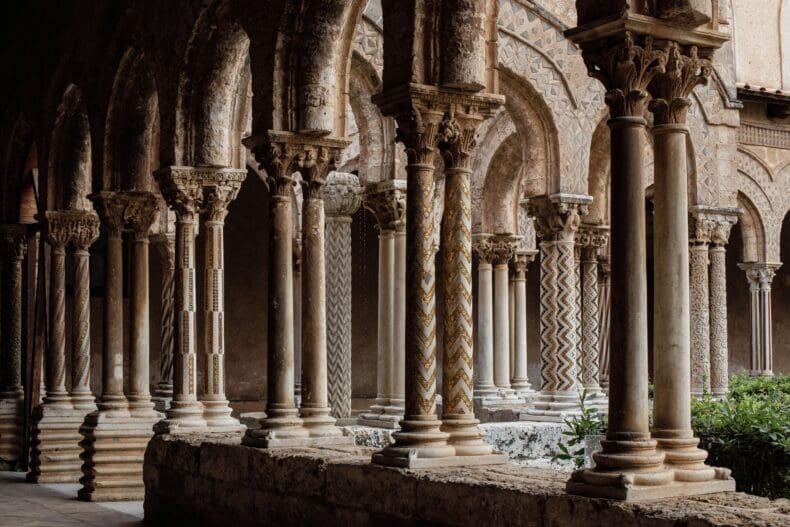
Next to the cathedral is a cloister with a calm and inviting inner courtyard. You can stroll among columns, each with its own intricate design, while enjoying sweeping views of the mountains and the town below. Sitting slightly higher than Palermo, Monreale offers an extra bonus with its scenery. It is not a place to linger for hours, but it is a landmark you will not want to miss when visiting Palermo. Drive there, admire the mosaics, and take a peaceful walk through the cloister to fully appreciate its beauty.
#3 Cefalù
Cefalù sits on the northern coast of Sicily, about an hour and a half drive from Palermo. This charming seaside town is loved by both locals and visitors, and it is easy to see why. On one side stretches the Tyrrhenian Sea with its long, golden sandy beach, while on the other side lies the historic town center, full of narrow streets, fishermen’s houses, and a striking Norman cathedral.
The Duomo of Cefalù was built by Roger II, according to legend, after surviving a shipwreck. Inside, you can admire exquisite Byzantine mosaics, including an awe-inspiring figure of Christ in the apse. For those wanting a little adventure, a climb up La Rocca, the towering rock above the town, rewards you with breathtaking panoramic views. The climb is steep, but the stunning vistas at the top make every step worthwhile.
Cefalù is an ideal place to combine town life and the beach. You can meander through its quaint streets, relax at a seaside café, and finish the day with a refreshing dip in the sea. It can get busy during the high season, but it is absolutely worth experiencing.

#4 Taormina
Taormina sits perched on a cliff along Sicily’s east coast, offering breathtaking views of the Ionian Sea and the smoke rising from Mount Etna. It is one of the island’s most well-known destinations and draws many visitors, but for good reason. The charming town itself is compact, with a car-free main street, Corso Umberto, lined with shops, churches, squares, and scenic viewpoints.
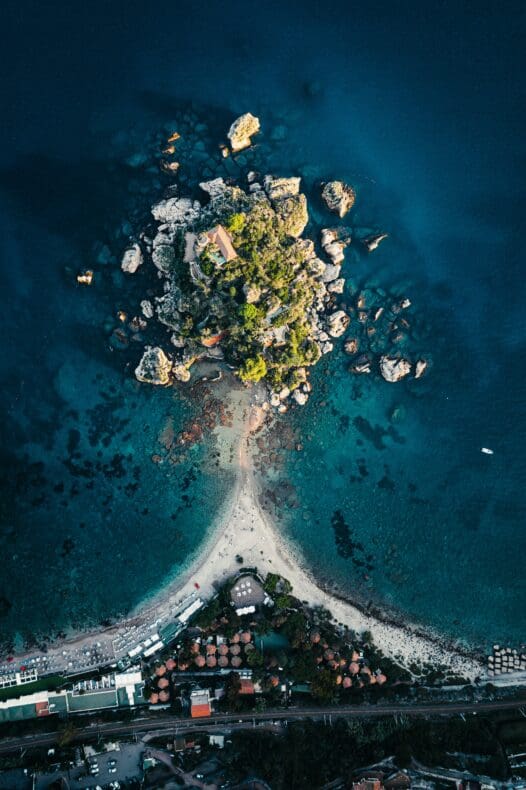
The standout attraction is the Teatro Greco, a Greek-Roman theater dating back to the third century BC. The ruins alone are impressive, but the true spectacle is the view from the stands: the shimmering sea at your feet and Mount Etna looming in the distance. Afterwards, take the cable car down to the beaches at the foot of the cliffs and wander over to Isola Bella. This tiny island, connected to a pebble beach by a narrow strip of sand, feels enchanting. It can be busy in summer, but it remains an unforgettable spot.
Taormina exudes a polished, somewhat sophisticated charm, with boutique hotels, excellent dining, and evening light that makes every corner picture-perfect. It may not be a hidden gem, but it is certainly a place where your eyes will be constantly captivated.

#5 Etna
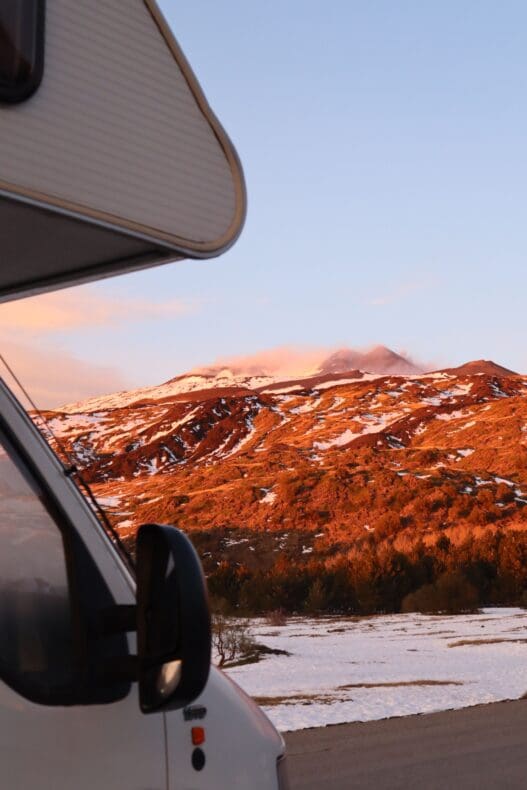
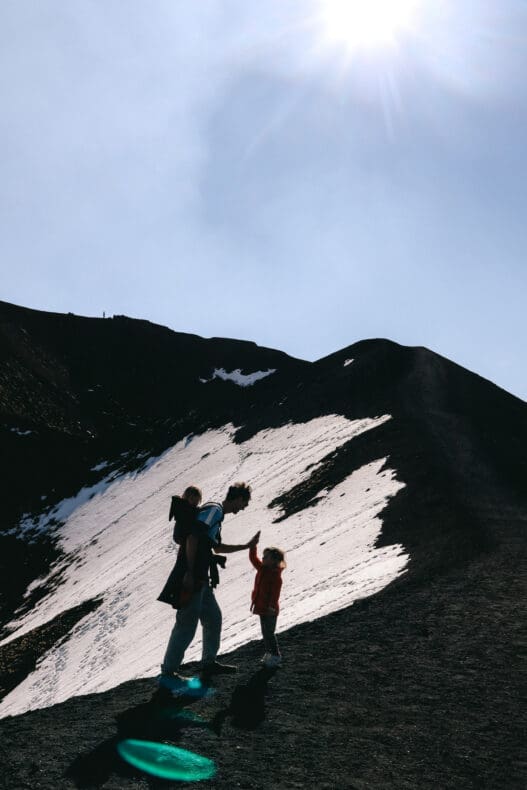
Mount Etna is impossible to miss, literally. This massive volcano dominates the landscape, and at over 3,300 meters, it is the highest active volcano in Europe. It smokes nearly every day, and on some evenings, a red glow can be seen flickering above the crater. Etna is a UNESCO World Heritage site and offers a captivating landscape of lava fields, craters, and gray ash plains.
You can drive to Rifugio Sapienza, where a cable car takes you up to around 2,500 meters. From there, you can go higher in a 4×4 vehicle or join a guided hike. We explored Mount Etna with children and stayed near the cable car area, which already provides excellent walking trails and views of several ancient craters.
Do not expect a green mountain. The landscape is raw and almost alien, with black lava, rust-colored rocks, and jagged formations. In winter, the area at and above the cable car is often covered in snow. Be sure to wear sturdy shoes and dress in layers, as the weather can change quickly. Visiting Mount Etna is not just a short stop. It is a full bucket-list experience in its own right.

Extra tip: Gole dell’Alcantara
The Gole dell’Alcantara are narrow lava gorges with towering basalt walls and icy mountain water, making them the perfect escape on a hot day and a truly photogenic spot. You can wade through the refreshing water, enjoy a picnic on the rocks, or take a short stroll along the river. In summer, more adventurous activities are also available, such as body rafting. It is a fun and memorable stop on the route from Taormina to Mount Etna or Catania, but be ready to literally cool off. There is a small admission fee to enter.


#6 Catania
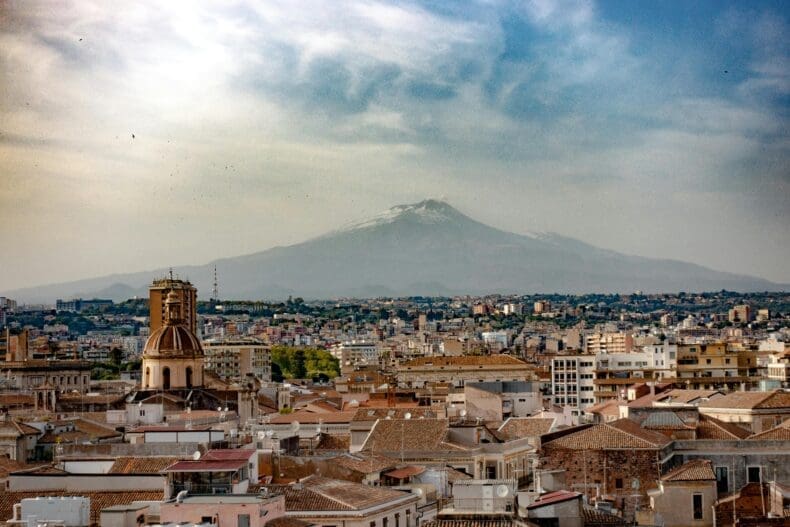
Catania is a city full of character rugged, vibrant, and sometimes a little chaotic. Mount Etna rises dramatically in its backyard, and its presence can be seen everywhere: buildings made of lava stone, fountains crafted from volcanic rock, and a history marked by earthquakes and eruptions. Yet the city center is surprisingly charming. Piazza del Duomo is the heart of Catania, dominated by the Fontana dell’Elefante, a striking lava stone elephant that has become the city’s iconic symbol.
The fish market, La Pescheria, is possibly the best in all of Sicily. Early in the morning, it bursts to life with shouting vendors, fresh fish on ice, and the sizzle of grilling seafood. Do not miss the Roman amphitheater at Piazza Stesicoro and the Teatro Romano, both nestled right in the middle of the city.
Catania is not a polished, tourist-focused city. It feels like a real, lived-in place where people go about their daily lives, and that is exactly what makes it so captivating. It is a fun, authentic Sicilian destination brimming with energy, local flavor, and genuine charm.
#7 Syracuse & Ortigia
Syracuse is one of Sicily’s oldest cities, once more powerful than Athens and a key hub of the ancient Greek world. Today, the city blends old and new, but it is Ortigia the historic island heart, that truly captivates. Ortigia is compact and easy to explore, with a maze of narrow streets, whitewashed buildings, bustling squares lined with café tables, and glimpses of the sea around almost every corner.
The Duomo of Syracuse is extraordinary because it was partially built from a Greek temple. Massive columns rise directly from the church floor, creating one of Sicily’s most striking and unusual architectural sights. Other places to visit in Ortigia include the Fountain of Arethusa at the edge of the island, a freshwater spring surrounded by papyrus plants, a rare and enchanting feature in Europe.


#8 Noto
Noto was completely rebuilt after an earthquake in 1693, and you can still see that history everywhere. The city is a showcase of Baroque urban planning, with straight streets, symmetrical squares, and façades made from golden stone. Everything seems designed to catch the soft glow of the sunset, and it truly does.
The Cattedrale di San Nicolò is the heart of the city. This impressive building has wide steps out front where locals gather in the evenings to enjoy a gelato. Inside, it feels surprisingly bright and simple. Be sure to also visit Palazzo Ducezio, the town hall, and step inside one of the small churches with their rounded balconies and ornate details. Noto is compact, and half a day is enough to see everything.


#9 Modica
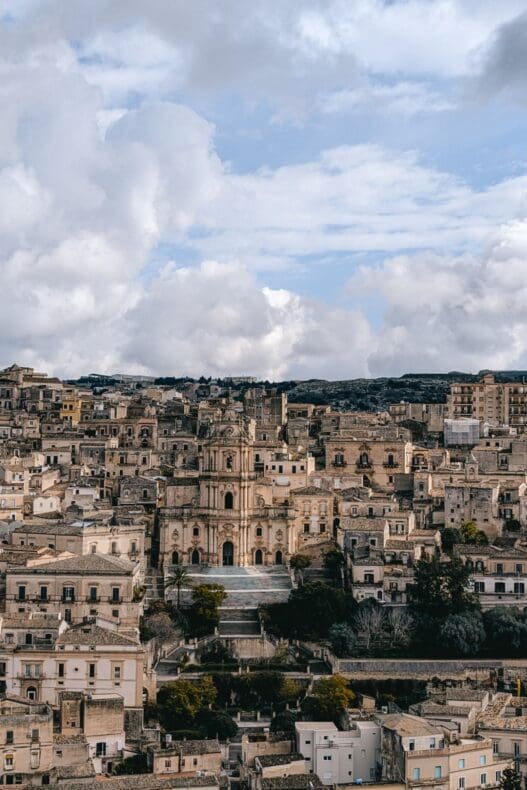
Modica is a town built in layers. Nestled in a deep valley, it spreads across the surrounding hills, with steep staircases, twisting alleys, and church towers standing proudly at key points. The town is divided into an upper section, Modica Alta, and a lower part, Modica Bassa, each radiating its own distinct charm and atmosphere.
The Baroque Duomo di San Giorgio is the town’s most iconic landmark, soaring above the streets with a staircase that feels straight out of a movie set. Yet Modica is perhaps even better known for something sweeter: chocolate. Here, chocolate is crafted according to an ancient Aztec recipe, made without milk or butter, which gives it a unique, grainy texture. A visit to Antica Dolceria Bonajuto is the perfect opportunity to taste this local specialty. For the adventurous eater, try ‘mpanatigghi, a cookie filled with a surprising mix of chocolate and beef, a relic from the days when Spanish monks needed protein-rich food for long journeys.
Modica exudes life and authenticity, with scooters weaving through narrow streets and locals savoring their morning espresso without rush. It is far from polished or perfect, but that is exactly what gives it character, making it a fascinating and memorable stop on any Sicilian itinerary.
#10 Ragusa
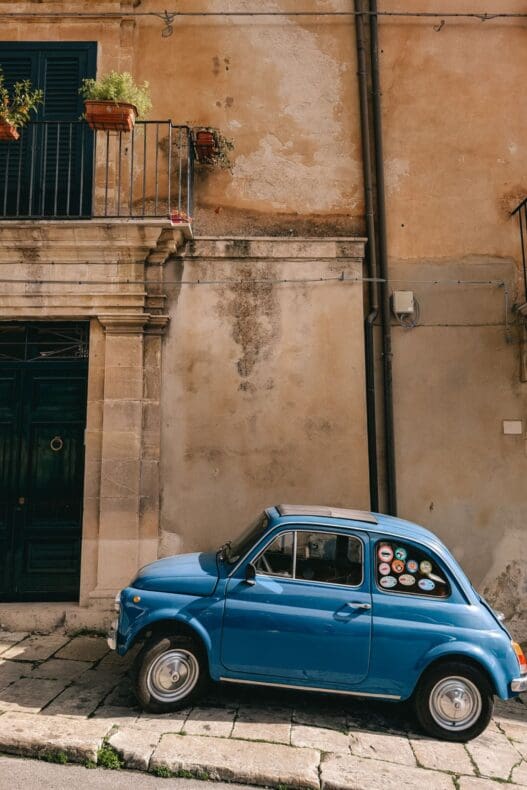
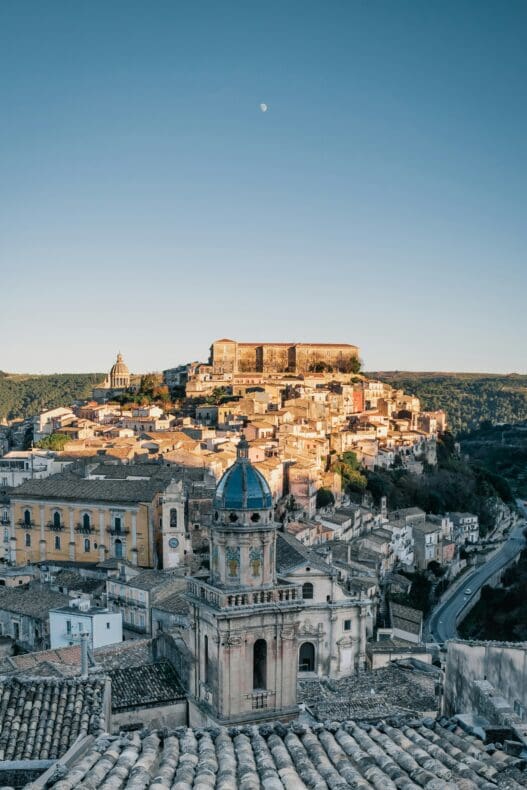
Ragusa is actually made up of two towns: Ragusa Superiore, rebuilt after the 1693 earthquake, and Ragusa Ibla, the older, lower section that captures the hearts of most visitors. Ibla is a charming maze of Baroque façades, narrow stairways, small squares, and balconies overflowing with flowers, creating a picture-perfect scene at every turn.
At the heart of Ibla rises the Duomo di San Giorgio, an impressive church with a wide staircase that invites you to climb and admire its grandeur. From there, you can wander through the winding streets, enjoy a leisurely espresso at Piazza Duomo, or take a stroll to the Giardino Ibleo, a quiet garden on the edge of town offering sweeping views of the surrounding valley. Along the way, you will pass wrought-iron balconies, alleys lit by old lanterns, and occasional glimpses of the rolling hills beyond.
Ragusa may not have the fame of Sicilian highlights like Taormina or Syracuse, but it is precisely this calm, authentic charm that makes it such a delightful and rewarding place to explore.

11 Agrigento – Valley of the Temples & Scala dei Turchi
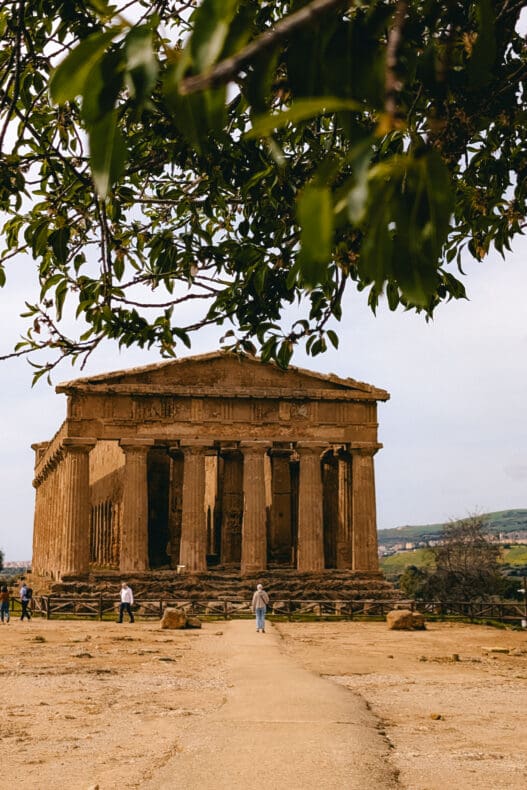
Visiting Agrigento almost feels like stepping straight into ancient Greece. The Valley of the Temples rests on a ridge just outside the city and is one of the best-preserved Greek archaeological sites in the world. You can wander among towering columns and temple ruins that have stood for more than two thousand years. The Temple of Concordia is remarkably intact, thanks in part to its conversion into a church. Try to arrive early in the morning or later in the afternoon, not only to escape the heat, but also to enjoy the most beautiful light for exploring and taking photos.
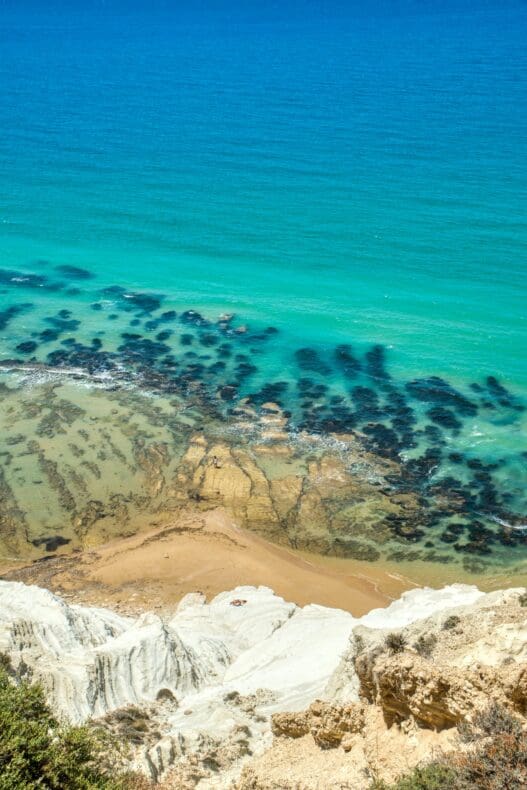
A short drive along the coast brings you to the Scala dei Turchi, a striking white limestone cliff that slopes down into the sea like a natural staircase. Its smooth, flowing curves are incredibly photogenic, though it has become a popular tourist spot and can get crowded. For a calmer experience, continue a little further to Punta Bianca. This coastal stretch is just as stunning and pristine, yet you will find almost no other visitors here.
The town of Agrigento itself is less remarkable. Do not spend too much time here, the true treasures lie just outside the city, where ancient history and breathtaking landscapes await.
#12 Mazara del Vallo
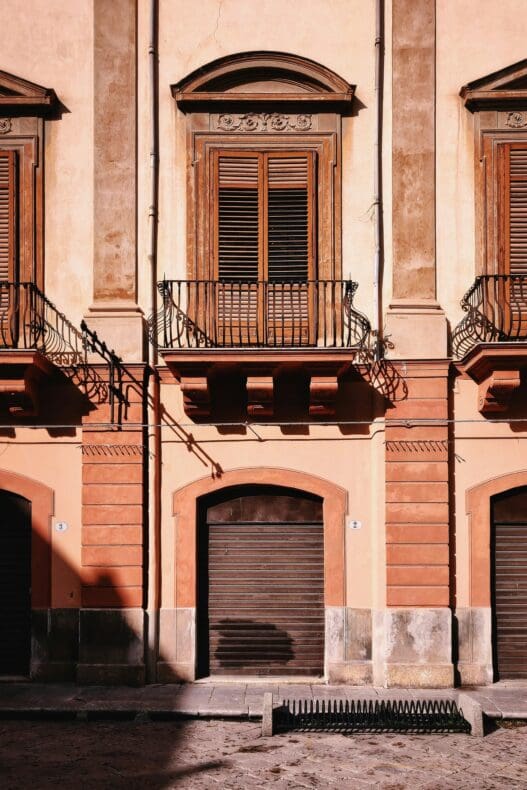
Mazara del Vallo was one of the most charming surprises of our entire trip. This town on Sicily’s west coast has a truly unique vibe, blending traditional Sicilian life with North African influences. You can see it clearly in the Kasbah, a labyrinth of narrow streets decorated with colorful tiles and subtle Arab architectural touches. Here, Italian and Arabic mingle in the air, and you can enjoy couscous alongside classic Sicilian pasta. It feels completely different from anywhere else on the island.
The town’s most famous treasure is the ‘Dancing Satyr,’ a bronze statue of an ancient satyr caught mid-dance. Fishermen pulled it from the sea in 1998, and it now has pride of place in a small, dedicated museum. The cathedral is also worth exploring, particularly for its breathtaking ceiling, which left a lasting impression on us.
Mazara is calm and easy to navigate, yet surprisingly lively. A well-marked city route takes you through the old town, past murals, hidden alleyways, and intricate tile work. Seafood lovers will especially appreciate the local red prawns, considered among the best in Italy, delivering the taste of the freshest catch straight from the sea.

#13 Salt Pans of Marsala and Trapani
Marsala is best known for its wine, and truth be told, that is the main reason most travelers make a stop here. The town itself is compact and well-kept, with a small historic center full of Baroque façades, charming churches, and elegant buildings. It is a pleasant place to wander, but the real draw lies in the wine and the spectacular sights just beyond the town limits.
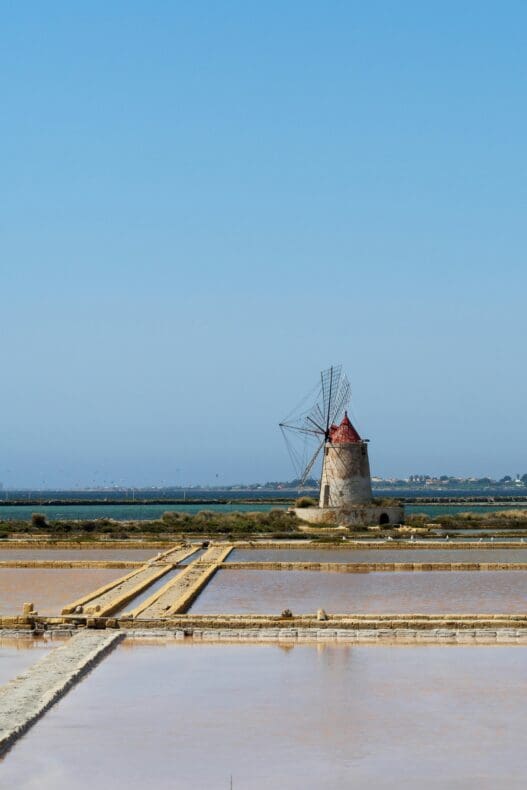
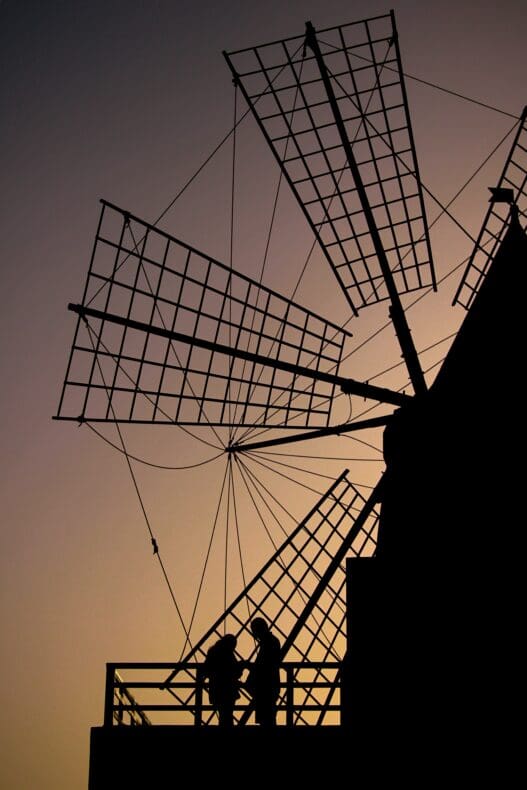
Along the coast stretch the famous salt pans of Marsala and Trapani, where rows of brilliant white salt mounds spread out beneath old windmills that turn gently in the breeze. The scene becomes especially enchanting around sunset, when the shallow waters turn pink and the windmills mirror themselves in the pools. There are several spots where you can pause or join a guided tour, including the Museo del Sale, located in a restored historic mill.
A wine tasting is, of course, a must. Marsala wine is fortified and sweet, with a character similar to sherry. It is ideal as an aperitif, a dessert wine, or simply as a delicious souvenir to bring home and savor later.
#14 Trapani
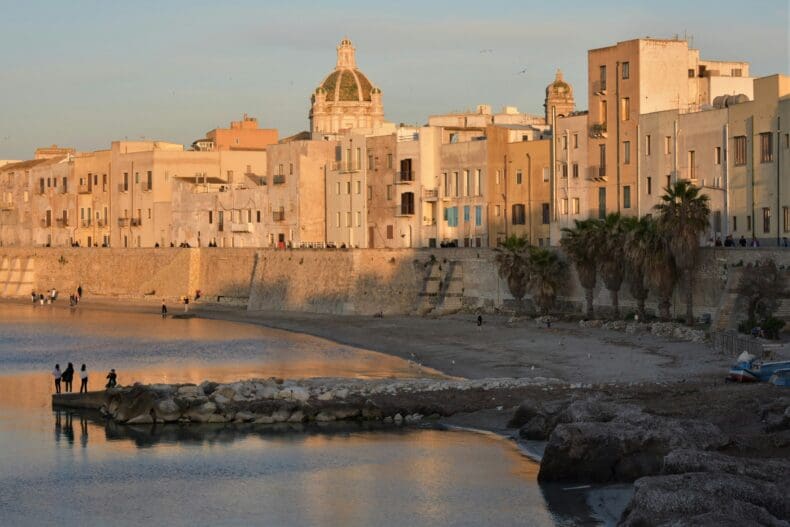
Trapani itself felt a little underwhelming to us, especially when compared to the other stops on this Sicily itinerary. The town center is compact, and some areas have a slightly neglected feel, although there are still a few charming streets and squares lined with Baroque buildings and inviting shops. The seafront promenade is perfect for a leisurely walk, particularly at sunset, when the sky behind the Egadi Islands slowly fills with warm orange hues.
The main reason to visit Trapani is its location. From here, you are just a short drive away from the striking salt flats, the medieval hilltop town of Erice, and the beaches of San Vito Lo Capo. Trapani is also the gateway for ferries to the Egadi Islands, including the car-free Favignana, making it an ideal jumping-off point for island adventures.
Trapani works well as a practical base or a convenient stopover, especially if you are traveling by car. The town offers plenty of accommodation, parking, and dining options, yet it is unlikely to become the highlight of your trip. Consider it functional and well-located, providing easy access to the surrounding attractions rather than being a must-see destination on its own.
#15 Erice
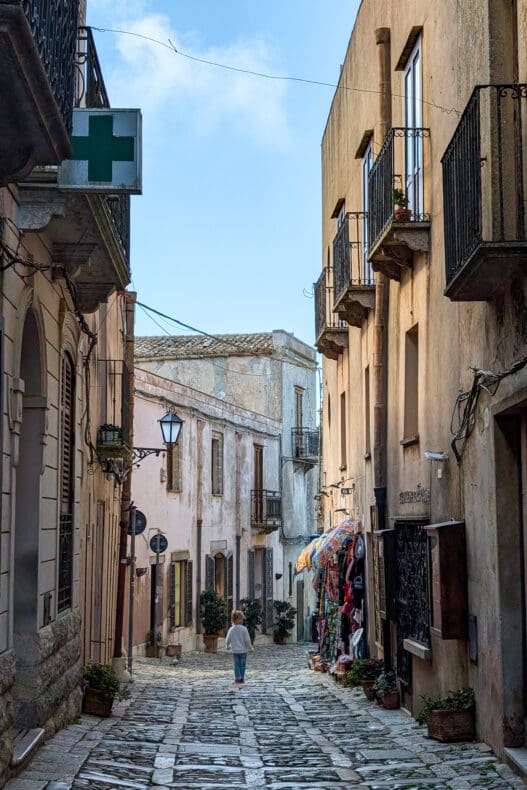
Erice perches on a mountain over 700 meters high, and the views alone make the trip worthwhile. From Trapani, a winding road climbs to the top, or you can take the cable car. On a clear day, you can see the coastline, the salt flats, and the Egadi Islands stretching into the distance. Once you arrive, it feels as though you have stepped back in time, with cobblestone streets, stone houses, and ancient city gates. When the mist rolls in, which happens often, the town takes on a mysterious and almost magical atmosphere.
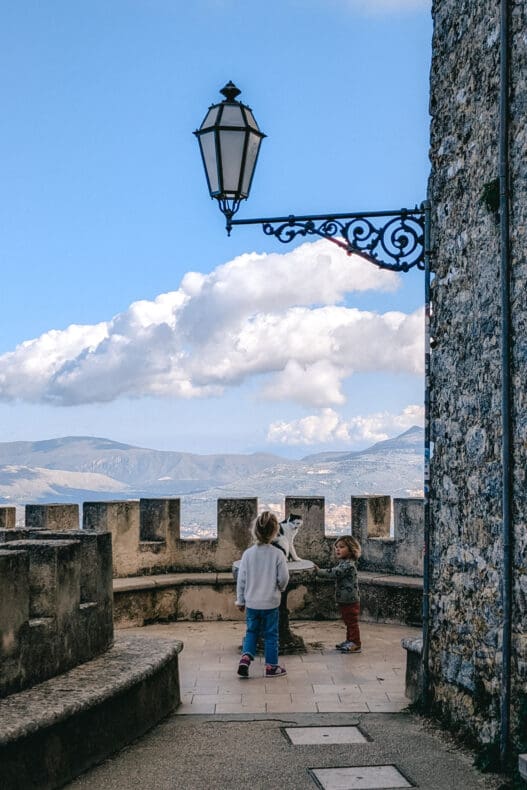
The Castello di Venere, built atop the ruins of a Roman temple, sits at the edge of the mountain with breathtaking sea views. Its small garden is peaceful and full of charm. Erice is also famous for its sweets. At Maria Grammatico, you can find cannoli, almond cookies, and other traditional Sicilian pastries, all made following old monastery recipes.
The town is small, compact, and welcoming to visitors, yet that does nothing to diminish its character. A half-day is enough to explore the highlights, but it is an experience you will remember long after you leave.
#16 San Vito Lo Capo & Zingaro Nature Reserve
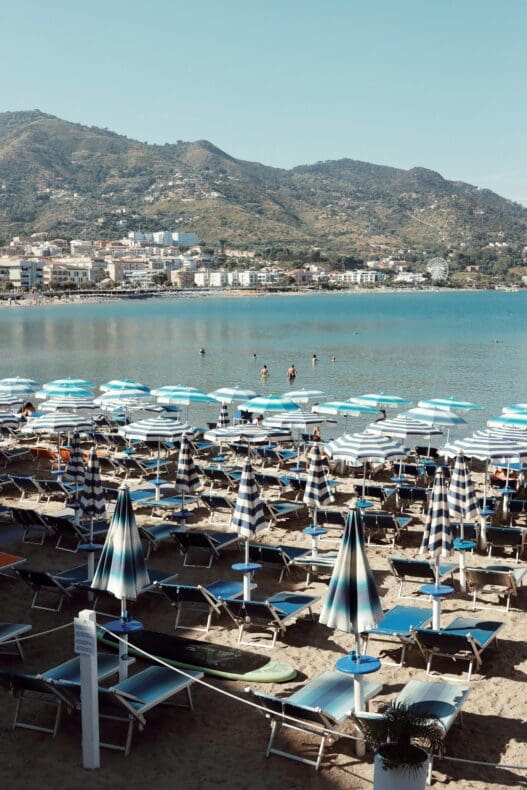
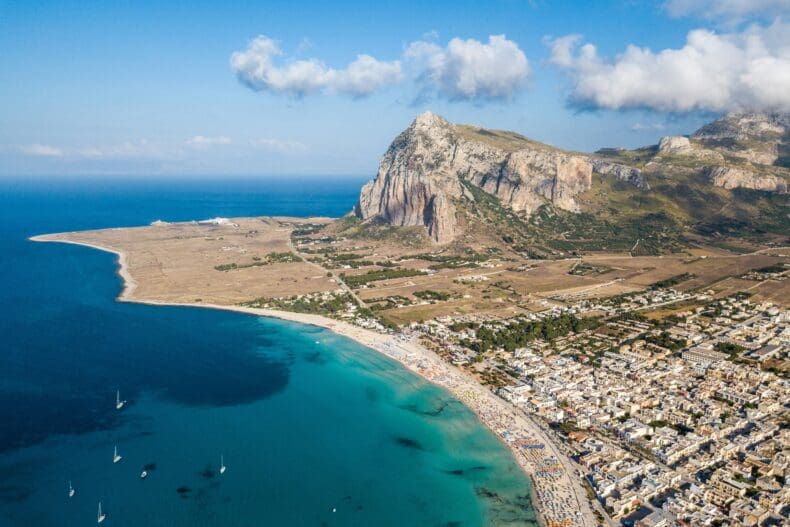
San Vito Lo Capo is a charming seaside town on Sicily’s northwest coast. In summer, it can get crowded, especially with Italian families, but outside the peak season, we found it wonderfully relaxed. The beach is wide and bright, the water a clear turquoise, and the surrounding mountains provide a stunning backdrop. The vibe is laid-back, with simple restaurants, colorful façades, and a delightful mix of authentic fishing village charm and holiday destination energy.
Just beyond San Vito lies the Zingaro Nature Reserve, one of the most breathtaking natural areas in Sicily. The coastal trail through the park winds along rocky cliffs, steep slopes, and hidden pebble beaches reachable only on foot. You can complete the route in a few hours, but many visitors linger much longer, taking time to swim, picnic, and stop at every viewpoint to soak in the spectacular scenery.
#17 Back to Palermo
After two weeks on the road, you find yourself back in Palermo, where your Sicilian adventure first began. The city might feel different now more familiar, easier to navigate. You may notice corners you only glimpsed at the start of your trip, or explore neighborhoods you did not have time for before. Palermo is large enough to show many sides of itself.
If you have some extra time, wander through Palermo’s botanical garden or step into the Capuchin catacombs, a striking and macabre experience, though not for everyone. Alternatively, take a short trip to Mondello Beach, less than half an hour from the city, for some sun and sea.
Spend your final day at a gentle pace, soaking in the city one last time: savor an espresso at a bustling café, enjoy a gelato along the promenade, or tuck into a plate of pasta in a quiet courtyard. You might even grab a bag of panelle to take with you to the airport, Palermo has a way of lingering in your heart.


