
Sicily is overflowing with unforgettable sights. From ancient temples and grand baroque cities to dramatic landscapes and postcard-perfect coastal villages, this island offers an incredible mix of culture, history, and natural beauty. Over the centuries, Sicily has been shaped by a blend of civilizations — from the Greeks and Romans to the Arabs and Normans — each leaving their mark. You’ll see this rich heritage in the majestic Valley of the Temples, the stunning mosaics of Monreale, and the winding medieval streets of Erice.
But it’s not just about history — nature takes the spotlight too. Mount Etna rises powerfully above the island, the Alcantara Gorge amazes with its strange lava rock formations, and the Aeolian Islands feel like a dream come true for nature lovers.
If you’re craving sun-soaked beaches, charming villages, and mouthwatering food, Sicily is calling your name. We spent over a month exploring every corner of this beautiful Italian island, and we’re excited to share it with you. In this blog, we’ll guide you through 28 of the most stunning places you won’t want to miss. From the lively buzz of Palermo to the peaceful charm of Marzamemi — come and experience the magic of Sicily with us!

What is Sicily known for?
Sicily is a land of vivid contrasts, where ancient legends, fiery volcanoes, and irresistible cuisine come together in perfect harmony. Shaped by centuries of history, the island carries the legacy of Greeks, Romans, Arabs, and Normans—and their influence is everywhere. You’ll see it in the grand temples of Agrigento, the shimmering mosaics of Monreale, and the stately Norman palaces that grace the streets of Palermo.
Food in Sicily isn’t just a way of life—it borders on sacred. Arancini, those crispy, golden rice balls filled with ragù or molten mozzarella, are the go-to street snack. Cannoli, with their sweet ricotta filling and a hint of orange zest, are unmatched anywhere else. And then there’s pasta alla Norma, a beloved local dish that pays homage to Catania’s famous opera composer Bellini, made with tender eggplant, rich tomato sauce, and a generous dusting of salted ricotta.
But Sicily is more than a feast for food lovers and history buffs. Towering above it all is Mount Etna, Europe’s tallest active volcano, known not only for its dramatic eruptions but also for nourishing the surrounding vineyards with its fertile soil. The island’s coastline shifts from towering cliffs to secluded coves, offering beaches that range from soft white sand to deep, volcanic black.
And then there’s the spirit of celebration. Every town and village has its own festival dedicated to a patron saint, complete with vibrant parades, bursts of fireworks, and long tables filled with Sicilian delights. On this island, everything is celebrated—boldly, joyfully, and always with a generous helping of unforgettable food.
Tourist Map of Sicily
[googlemaps https://www.google.com/maps/d/u/1/embed?mid=1sMe3Hk3KsW0ww9PMRcHSOHxWPWp0uxQ&ehbc=2E312F&w=790&h=480]The 28 Most Beautiful Places and Sights in Sicily
#1 Etna
Mount Etna isn’t just any mountain—it’s a living volcano that continues to smoke, rumble, and reshape the landscape. In recent years, it’s made international headlines with frequent eruptions, including striking footage of skiers racing down the slopes as glowing lava flowed nearby in early 2025. Towering at around 3,357 meters, Etna is the highest active volcano in Europe. Up on its slopes, you’ll discover surreal, lunar-like landscapes, steaming craters, and vast lava fields that still feel warm to the touch. With every eruption, this giant mountain grows a little taller.
Etna has always captured the imagination. In ancient Greek mythology, it was believed that the god Hephaestus lived within the volcano, forging weapons for the gods with the help of the Cyclopes. Today, Etna is a UNESCO World Heritage Site (since 2013) and remains one of the most extraordinary natural sights in all of Sicily.
There are plenty of ways to experience this mighty volcano. One of the most convenient is to drive up to the base station, take the cable car up to 2,500 meters, and continue by 4×4 bus to around 2,900 meters. For those who want to go even higher, guided hikes to the summit offer a truly unforgettable experience—walking across rugged volcanic rock that sometimes still glows with heat from below.
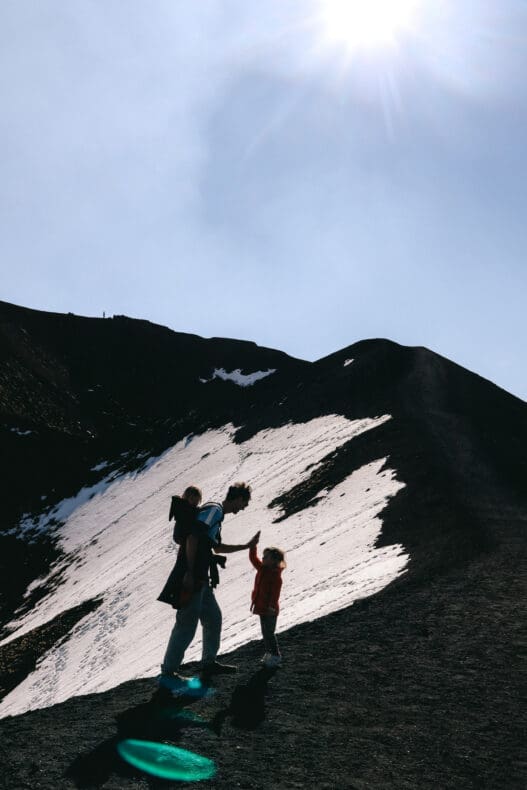
Visiting Etna with kids, like we did? You can easily drive your (rental) car to the highest parking area, right by the cable car station. From there, several scenic and family-friendly walks lead to dramatic, ancient craters and panoramic viewpoints. This part of Etna is surprisingly accessible and lets you soak up the volcano’s dramatic beauty—without needing a guide or climbing all the way to the top.


#2 Palermo
Palermo is a wild, wonderful mix of chaos, color, scent, and sound all rolled into one. It’s the kind of city where something surprising waits around every corner—whether it’s a centuries-old church, a splash of bold street art, or a bustling market overflowing with life and flavor. Over the years, Sicily’s capital has become a rich mosaic of Arab, Norman, and Baroque influences. You’ll spot it in the grand architecture, admire it in the shimmering mosaics, and taste it in every bite of the local cuisine.
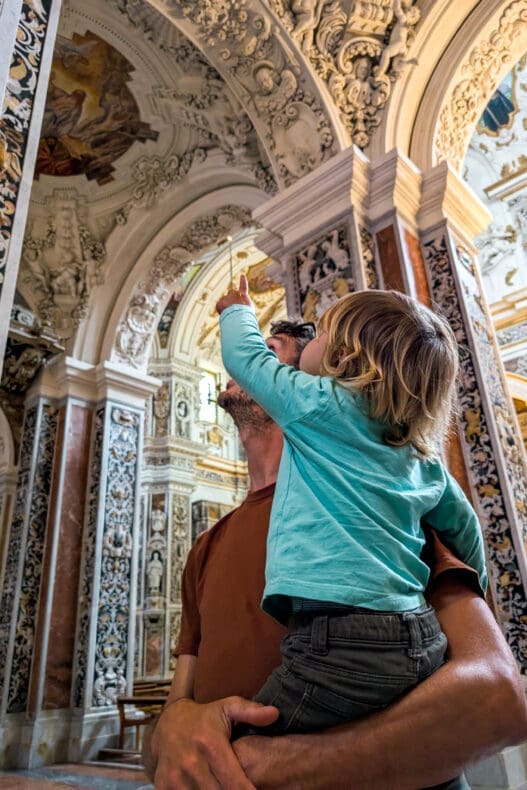
The Palermo Cathedral is a must-visit. This monumental building is a fascinating blend of styles: you’ll see Norman arches, a Gothic dome, and elegant Spanish details—all layered into one dramatic and unforgettable structure. Less well-known, but equally spectacular, is the Chiesa del Gesù. It’s the most extravagantly Baroque church we’ve ever seen, with marble sculptures that literally seem to pour down from the ceiling in a swirl of movement and detail. Then there’s the Palazzo dei Normanni, once home to Sicily’s kings. Inside lies the jewel-like Cappella Palatina, famous for its breathtaking golden mosaics. In our full guide to Palermo, we share 25 incredible highlights and hidden treasures to help you dive even deeper into the city’s charm.
Want to experience Palermo in its rawest, most authentic form? Go to the markets. Vucciria and especially Ballarò are an explosion of energy—vendors shouting over one another, freshly caught fish glistening on ice, mountains of herbs and spices filling the air with fragrance, and irresistible street food sizzling before your eyes. Be sure to try pane e panelle (a crispy chickpea fritter sandwich) or a hot, golden arancina (a stuffed rice ball with delicious fillings). Palermo is loud, chaotic, beautiful, and unlike anywhere else you’ve ever been—and once you’ve experienced it, you’ll never forget it.
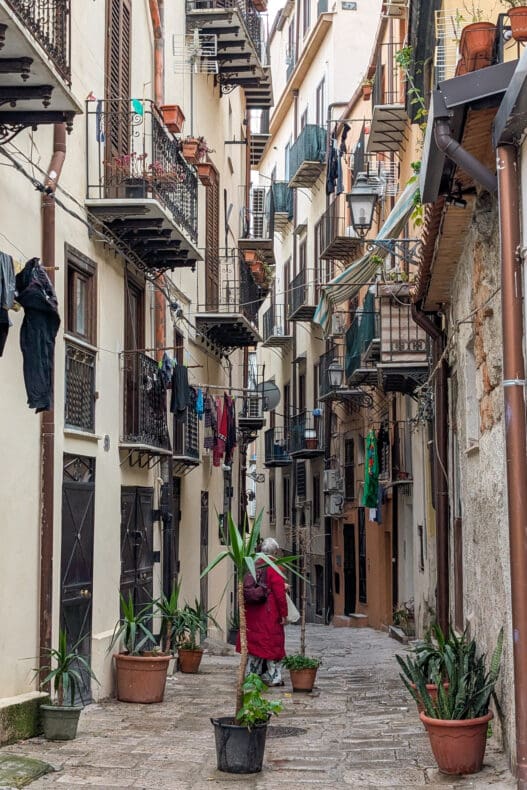

#3 Valley of the Temples in Agrigento
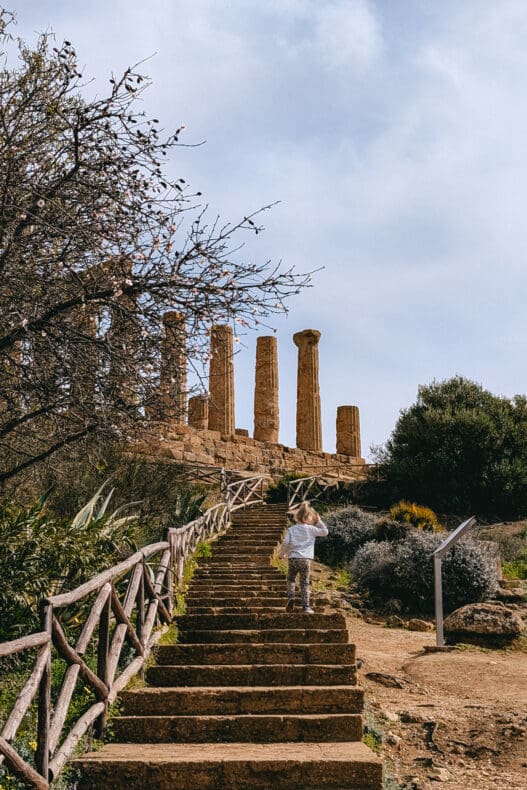
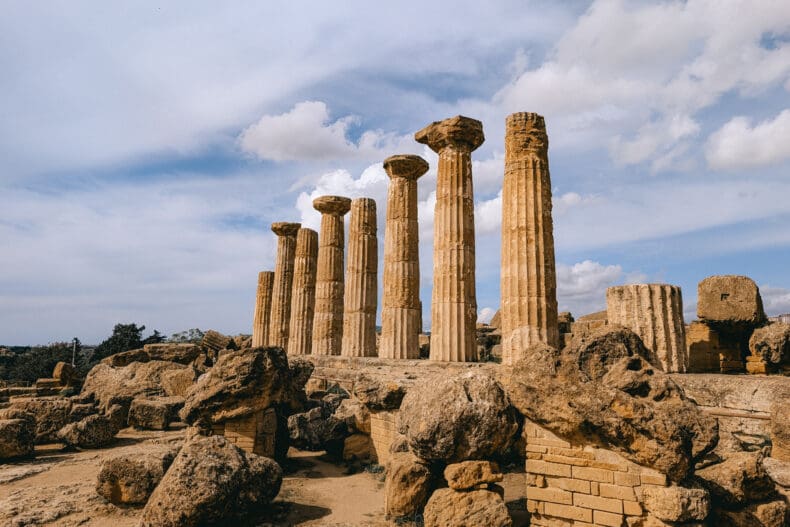
In Agrigento, it feels as though you’ve accidentally stepped back in time to ancient Greece. The Valley of the Temples is one of the world’s most well-preserved Greek archaeological sites, brimming with awe-inspiring ruins that tell the tales of a long-forgotten era. As you meander through the site, you’ll pass temples that have stood for over two millennia, their ancient stones framed by almond trees and offering stunning views of the distant sea.
The Temple of Concordia is undoubtedly the star of the show. This enormous Doric temple has withstood the passage of time remarkably well—largely due to its transformation into a church, which helped safeguard its structure. The Temple of Juno and the Temple of Hercules are equally impressive, with only their grand columns left standing, still majestic and awe-inspiring.
Though it’s called a valley, the temples are actually perched on a ridge. Even in the mild winter temperatures during our visit, the uphill walk felt like a workout—so if you’re coming during the hotter months, be ready for a challenge. To avoid the midday heat and the crowds, it’s best to explore early in the morning or later in the afternoon when the site is quieter and the light is perfect for photos.

#4 Zingaro Nature Reserve & San Vito lo Capo
Sicily boasts many beautiful beaches, but the ones on the Zingaro Peninsula are without a doubt the most breathtaking. What started as a simple day trip turned into four unforgettable days of exploration. With the freedom of our camper, we were able to extend our stay, but we recommend not underestimating this hidden gem when planning your visit. A scenic road trip along its many beaches, framed by dramatic mountains, offers an experience you won’t soon forget.
A true highlight is the famous Zingaro Nature Reserve. This protected coastal paradise on the northwest tip of the island is a dream come true for nature lovers. Rugged cliffs, shimmering blue waters, and hidden coves, accessible only by foot, create an idyllic setting for a hike. The views along the way are absolutely jaw-dropping, making it the perfect spot to reconnect with nature.
After a day of hiking and exploring, there’s no better place to relax than in San Vito lo Capo, a picturesque seaside town with powdery white sand and crystal-clear turquoise waters. It’s also home to the best couscous in Sicily, thanks to the island’s rich Arab heritage. Every year, San Vito lo Capo hosts the famous Cous Cous Fest, a culinary celebration that brings together Mediterranean flavors in a vibrant festival of food, music, and culture.
#5 Taormina
Taormina is, without a doubt, one of Sicily’s most photogenic towns. Perched high on a cliff, it offers sweeping views of the sparkling Ionian Sea and the ever-smoldering Mount Etna. This enchanting spot has captured the hearts of travelers for centuries, inspiring famous writers like D.H. Lawrence and Truman Capote to call it home and draw from its timeless beauty.
The star attraction in Taormina is the Teatro Greco, an ancient Greek theater that dates back to the 3rd century BC. Imagine sitting in this historic venue, watching a performance with the grandeur of Mount Etna looming in the background. Today, the theater still hosts concerts and festivals, and honestly, you’d be hard-pressed to find a more breathtaking setting for a live show.
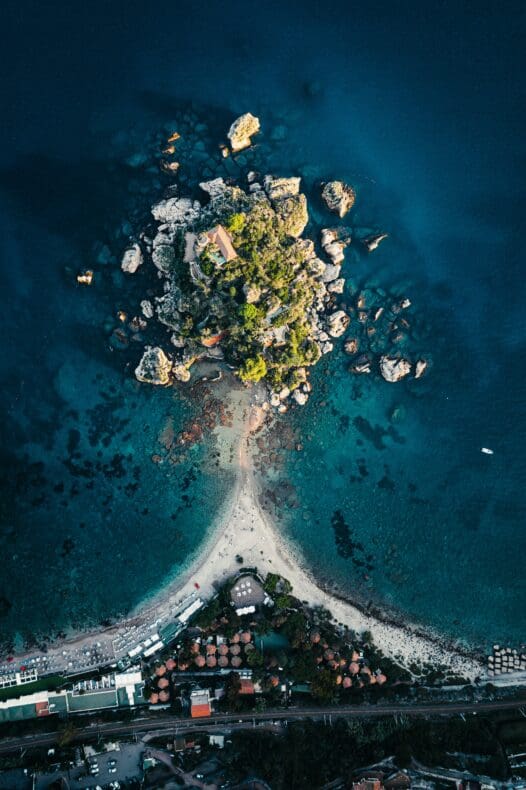
Take a leisurely stroll down Corso Umberto, a picturesque street filled with boutique shops, cozy cafés, and historic buildings. Be sure to stop by Piazza IX Aprile for some of the most stunning panoramic views of the coastline. And don’t miss Isola Bella, a tiny island that’s accessible on foot during low tide. Once the private estate of an aristocratic baroness, it’s now a protected nature reserve where you can snorkel in the crystal-clear waters among the rocks. In our complete guide to Taormina’s top sights, we’ll uncover even more tips, from must-see landmarks to hidden gems you won’t want to miss!


#6 Erice
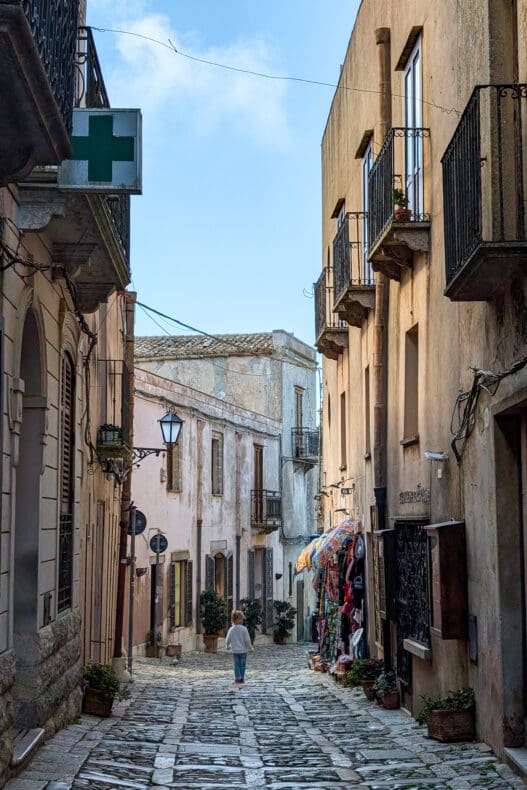
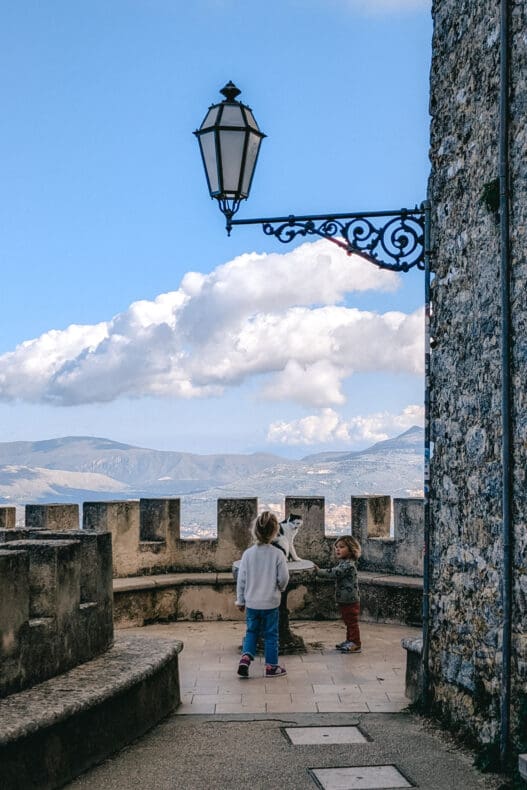
Erice is a mesmerizing medieval town that stands proudly on the summit of Monte San Giuliano, towering around 750 meters above sea level. Cloaked in mist much of the time, this enchanting town seems like something straight out of a fairy tale. As you wander along the cobbled streets, pass by stone houses, and gaze at the imposing city walls, it feels as if you’ve stepped into a bygone era, untouched by time.
The true star of Erice, however, is the Castello di Venere. Perched high above, this castle was built on the ancient ruins of a temple once dedicated to Venus. From here, you’ll be treated to panoramic views of the coastline and the distant Egadi Islands. According to local legend, sailors would visit the castle to offer sacrifices to the goddess in hopes of ensuring safe journeys. Today, visitors are drawn by the stunning vistas and the castle’s hauntingly mystical atmosphere.
But Erice has another sweet surprise in store for you—it’s a haven for dessert lovers. The famous Maria Grammatico pastry shop is celebrated for its exquisite almond cookies, cannoli, and genovesi (delicate pastries filled with rich, creamy filling). These delicious treats are made using recipes passed down through the ages, once carefully preserved in the local monasteries.

#7 Syracuse & Ortigia
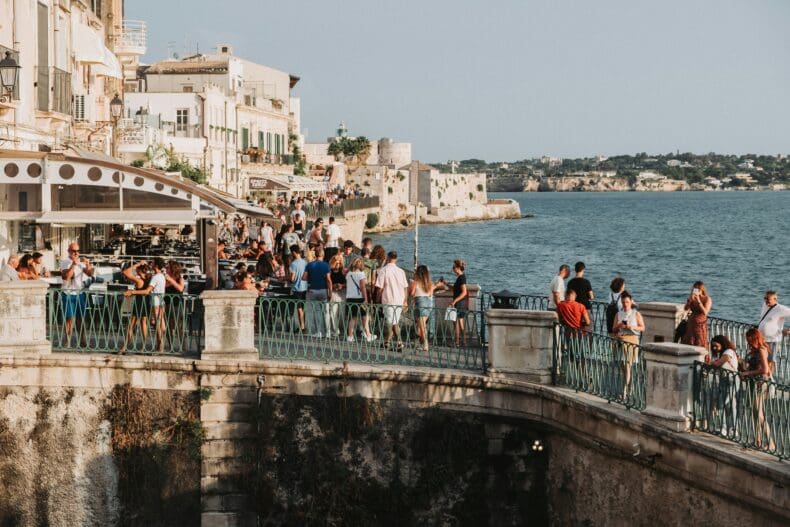
Syracuse is one of the oldest and most enchanting cities in Sicily. Once a dominant power in the ancient Greek world, its deep history can be felt around every corner. The beating heart of Syracuse is Ortigia, a picturesque island brimming with narrow, winding streets, grand baroque palaces, and vibrant squares.
The Cathedral of Syracuse is a stunning showcase of Sicily’s unique ability to blend ancient and modern influences. Originally built as a Greek temple dedicated to Athena, it later transformed into a Roman church, then a mosque, and finally reclaimed its status as a cathedral. Inside, the towering Doric columns from the Greek era still stand, gracefully incorporated into the later church. This blend of architectural layers gives the cathedral a truly distinctive and striking look.
Take a leisurely stroll through the maze of charming alleyways, enjoy a coffee in Piazza Duomo, and don’t miss the legendary Fountain of Arethusa. According to ancient myth, the nymph Arethusa turned into a spring here to escape the advances of a relentless god. Today, wild papyrus plants still thrive around the fountain—a rare sight in Europe and a reminder of the timeless allure that surrounds this captivating city.


#8 Scala dei Turchi & Punta Bianca
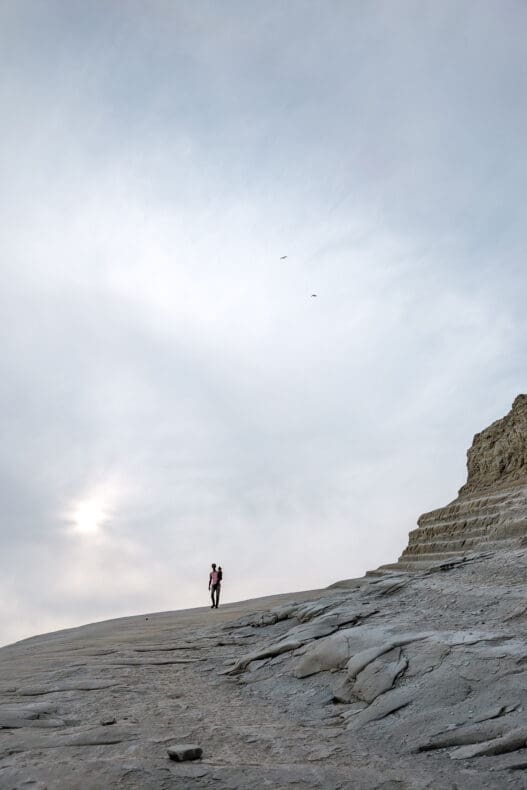
Sicily boasts many beautiful beaches, but nothing quite matches the dramatic beauty of the Scala dei Turchi. These striking white limestone cliffs resemble massive staircases that seem to vanish into the sea. The name, which translates to “Stair of the Turks,” harks back to the pirates who once used the stair-like rocks to land ashore with ease. The soft, smooth stone underfoot feels almost like walking on a natural marble staircase. At sunset, the rocks are bathed in a soft pink glow, making it an even more enchanting spot.
That said, be prepared to find that the Scala dei Turchi, once a hidden gem, is now a well-loved destination. Even during our visit in the off-season, it was noticeably busier than other sights in Sicily. So, we’re thrilled to share a beautiful alternative we discovered: the stunning Punta Bianca!
Not far from its more famous counterpart, Punta Bianca is a quieter but equally captivating cliff formation. Here, you can wander past an abandoned stone house perched atop gently rolling white rocks, with sweeping views of the clear blue sea. This hidden corner of the coastline is just as beautiful as the Scala dei Turchi, yet far less crowded! It’s an ideal escape for those seeking peace and solitude, offering a chance to enjoy unspoiled nature without the crowds.


#9 Noto
Noto is the epitome of Baroque elegance. After the devastating earthquake of 1693, this city wasn’t simply rebuilt—it was completely redesigned as a flawless Baroque masterpiece. Wide, graceful streets, ornate balconies, and grand squares all crafted from golden-hued limestone that seems to glow like a scene from a movie at sunset. It’s no wonder the entire city is a UNESCO World Heritage site.
The Corso Vittorio Emanuele is the heart of Noto, a perfect street for leisurely strolling. As you wander, you’ll encounter the Cattedrale di San Nicolò, which was painstakingly restored, stone by stone, after a collapse in 1996. A little further along, the Palazzo Ducezio, now the town hall, invites you to step into the Hall of Mirrors, where you can experience a glimpse of royal grandeur. If you visit Noto in May, make sure to experience the Infiorata, a stunning flower festival that transforms the streets into massive, vibrant works of art created from colorful flower petals.
Though Noto is relatively small and compact (a bit smaller than we expected), it’s a captivating destination in Sicily. The Baroque palaces and monuments give the town the charm of an open-air museum, making it a haven for architecture lovers.


#10 Cefalù
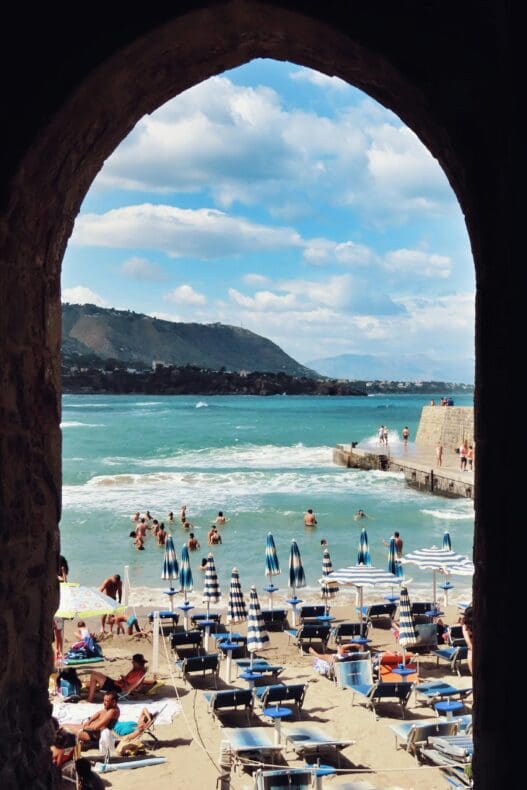
Cefalù is a town that effortlessly evokes images of sun-kissed beaches, rich history, and the very essence of Italian dolce vita. Nestled along the Tyrrhenian Sea, this picturesque seaside gem offers it all: a wide, inviting promenade, a maze of narrow, winding alleys in its historic center, and a towering rock that looms over the city like a natural sentinel.
At the heart of Cefalù stands the stunning Norman Cathedral, built by the orders of Roger II in the 12th century. The mosaics adorning the apse, particularly the imposing figure of Christ, are some of the most breathtaking in all of Sicily. Legend has it that Roger II survived a harrowing shipwreck and vowed to build a church here in gratitude for his miraculous survival. The cathedral is the beautiful result of that promise.
For the best views, take the hike up La Rocca. Though the climb is steep, the panoramic view from the top, stretching over the city and the shimmering sea, is well worth the effort. As the day winds down, treat yourself to an aperitivo on the beach, watching the sun slowly sink beneath the horizon. This is the true spirit of Sicily, in all its glory.

#11 Mazara del Vallo
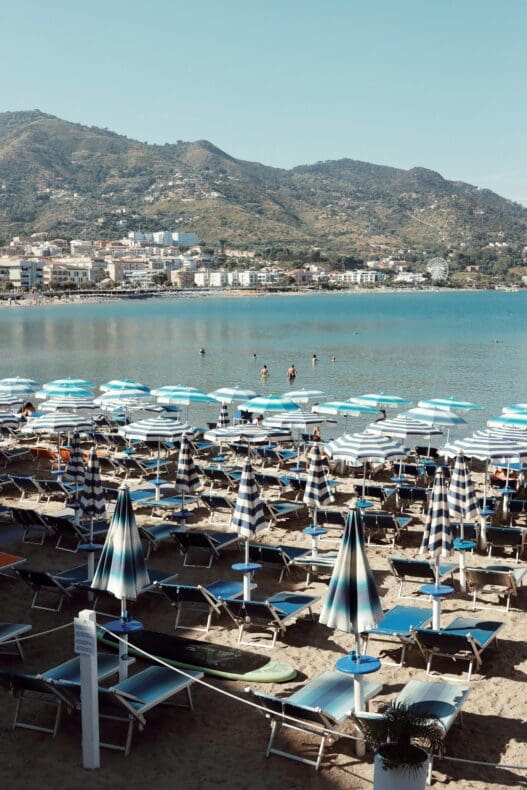
Mazara del Vallo was, without a doubt, the highlight of our Sicilian adventure. This town is a hidden gem—charming, unique, and wonderfully relaxed—that makes us wonder why it isn’t more widely recommended! Mazara doesn’t feel like your typical Sicilian town; it feels more like a North African medina. Once an important Arab settlement, it still retains a vibrant Kasbah with winding streets, colorful tiles, and the intoxicating scent of spice-filled shops. Here, Arabic mingles with Italian, couscous sits next to pasta, and the air is a blend of mint and basil.
One of the town’s standout attractions is the Satiro Danzante, a bronze statue of a dancing satyr dating back to the 4th century BC, discovered by fishermen in 1998. You can see it up close in the Museo del Satiro, where it stands on one leg in an almost magical pose, as though it’s just stepped out of another era.
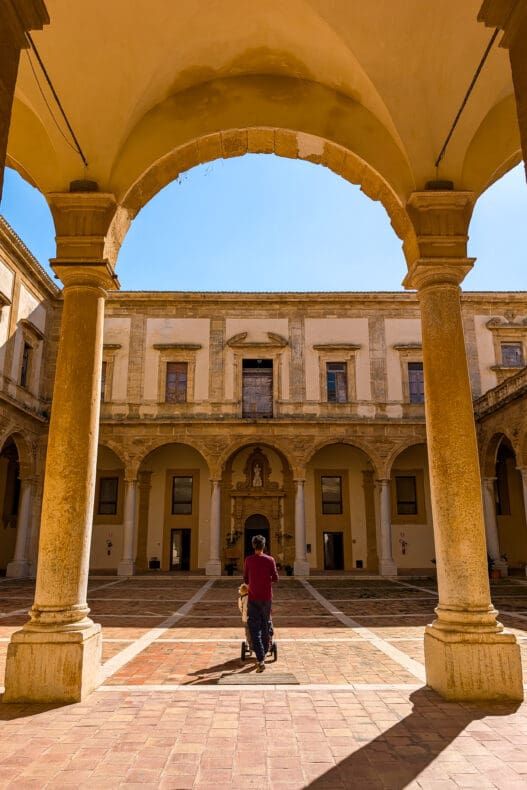
A visit to the cathedral is also a must. We nearly found ourselves twisting our necks in awe of the magnificent ceiling. If you enjoy exploring on foot, there’s a lovely route through the old town that will lead you through the Kasbah and past all the major landmarks, clearly marked for easy exploration. It’s truly worth the walk! As you wander, keep an eye on the walls—Mazara del Vallo is adorned with cheerful tiles and complete tile murals, each more beautiful than the last.
For seafood enthusiasts, Mazara is paradise. Home to Italy’s largest fishing port, it’s renowned for its red shrimp, which are considered the best in the world. Each year, the town hosts the Cous Cous Fest, a festival that brings together the rich flavors of Sicilian and North African cuisines in a delightful explosion of taste.


#12 Marzamemi
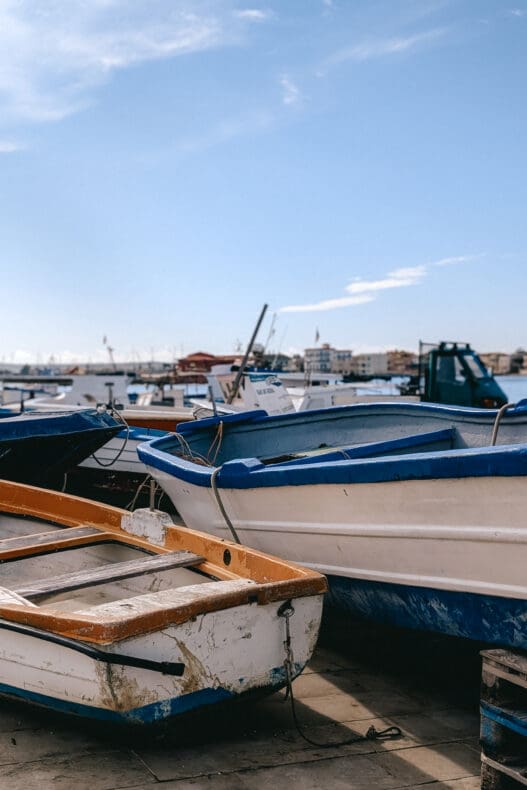
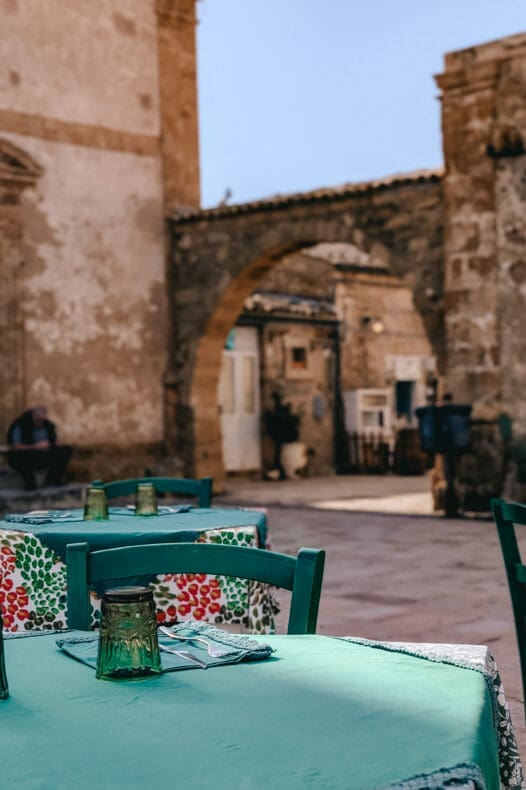
Marzamemi is one of those enchanting places where time seems to slow down. This quaint fishing village, originally founded by Arabs, remains deeply connected to the sea. At the heart of the village is Piazza Regina Margherita, a charming square surrounded by weathered fishermen’s cottages, vibrant shutters, and inviting terraces. It’s the ideal spot to unwind, sipping a rich espresso or a glass of local white wine while watching the world gently pass by.
Once home to one of Sicily’s most significant tuna fisheries, the tonnara, Marzamemi now stands as a living testament to its rich maritime heritage. The legacy of the sea is still very much alive here, with local specialties like bottarga (salted fish roe) and tuna served in countless mouthwatering variations.
In the summer, Marzamemi comes alive as a cultural hotspot, playing host to the Marzamemi International Film Festival. With films screened under the open sky, and the sound of the waves gently lapping at the shore, it offers a truly magical setting for cinema lovers and those seeking an unforgettable evening.

#13 Catania
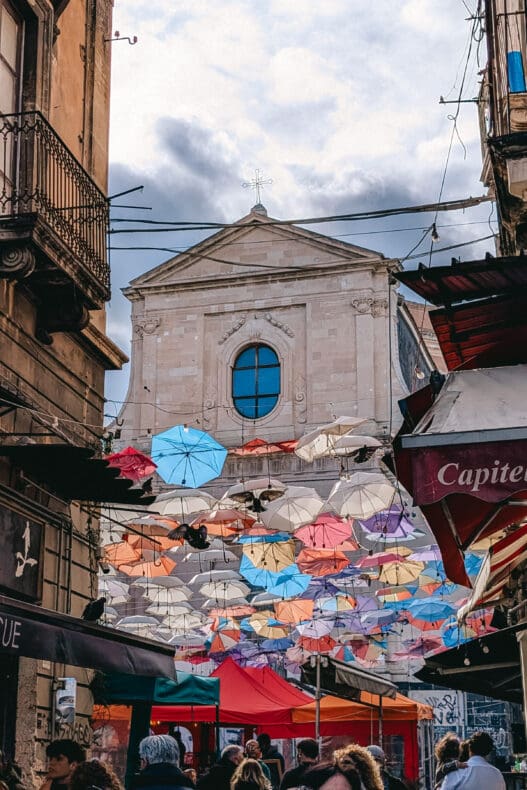
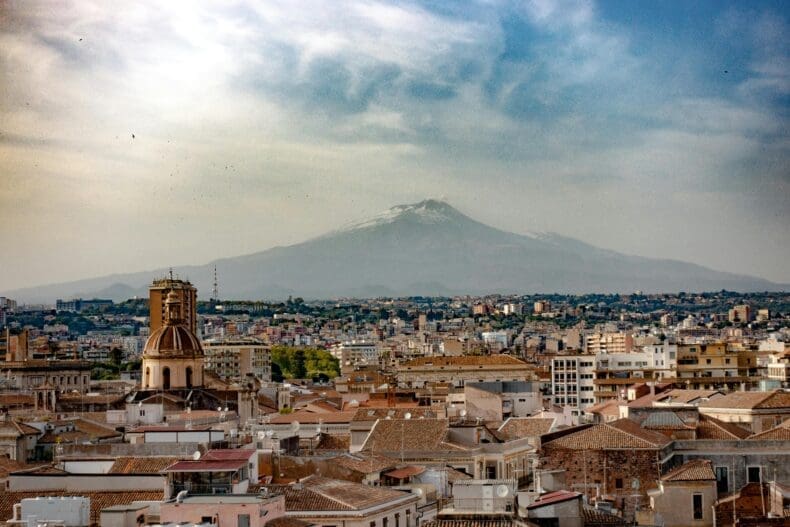
Catania is Sicily at its most unfiltered: loud, chaotic, and brimming with energy, all under the watchful gaze of the mighty Mount Etna. This city isn’t tailored for tourists—it’s a place where vibrant history and striking architecture are woven seamlessly into the rhythm of everyday life.
At the heart of the city, you’ll find Piazza del Duomo, home to the famed Fontana dell’Elefante. This iconic fountain features a lava stone elephant, which stands as the symbol of Catania. Locals believe this elephant has magical powers, protecting the city from the unpredictable fury of Mount Etna.
A visit to Catania isn’t complete without experiencing the lively atmosphere of La Pescheria, the city’s bustling fish market. By 7 a.m., the market is alive with fishermen shouting their catches, swordfish flopping about, and the irresistible scent of fresh seafood wafting through the air. It’s a feast for the senses, offering a true taste of Sicilian passion and tradition.
Catania’s rich Roman history is another highlight, with several fascinating Catania sights to explore. The ancient amphitheater at Piazza Stesicoro was once one of the largest in the Roman Empire, seating up to 15,000 spectators. Just a short walk away is the Roman Teatro Antico, another gem worth visiting. Scattered throughout the city, you’ll also find other lesser-known Roman remnants, such as the Roman baths and the Odeon, each adding a layer to the city’s deep historical tapestry. Don’t forget to visit the stunning Piazza del Duomo, home to the iconic Fontana dell’Elefante, and the bustling fish market, La Pescheria, for a full immersion in Catania’s vibrant atmosphere.
For music enthusiasts, Catania is famous as the birthplace of the great composer Vincenzo Bellini. You can enjoy an opera performance at the Teatro Massimo Bellini, or if you prefer to savor something a little more indulgent, try pasta alla Norma. This Catanese classic, made with eggplant and ricotta, is named after Bellini’s most famous opera and offers a true taste of the city’s culinary heritage.

#14 Modica
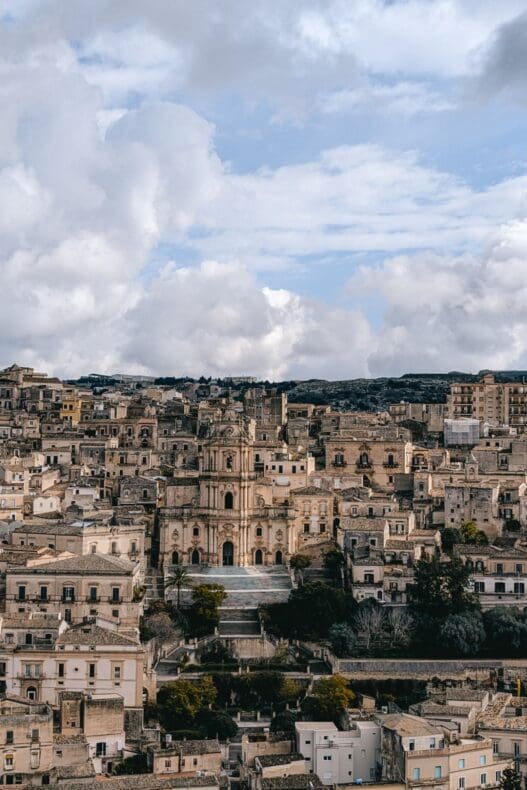
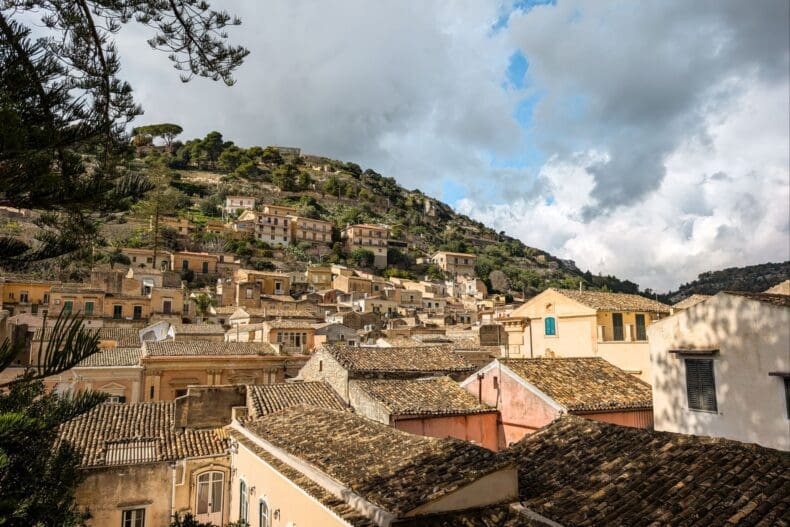
Welcome to the city where baroque beauty meets chocolate bliss! Modica is a labyrinth of steep stairways, charming cobbled streets, and churches stacked like layers of a cake against the hillsides. The town is divided into two distinct levels: Modica Alta (the upper town) and Modica Bassa (the lower town).
Tip: For the best panoramic view of this layered gem, make your way to a viewpoint just outside the city – look for Belvedere di San Benedetto on your map.
At the heart of Modica stands the majestic Duomo di San Giorgio, an awe-inspiring cathedral with a sweeping staircase that feels like something straight out of a movie. When the sun begins to set, the baroque façade turns a rich golden hue, showcasing the cathedral at its most stunning. As you wander through Modica, you’ll encounter many more breathtaking churches, including the equally impressive Duomo di San Pietro Apostolo in Modica Bassa.
But Modica is most famous for its chocolate. The town continues to craft chocolate using an ancient Aztec recipe that was introduced to Sicily by the Spanish. What makes this chocolate so unique? The cocoa mass is processed at low temperatures, preventing the sugar crystals from melting, which gives the chocolate its signature grainy texture. Make sure to try it at Antica Dolceria Bonajuto, Sicily’s oldest chocolate shop, and you’ll quickly see why this chocolate is renowned worldwide.
For the more adventurous foodies, don’t miss mpanatigghi, a sweet pastry with a surprising filling of chocolate and… beef. Yes, you read that correctly! This unusual treat dates back to when Spanish monks needed protein-packed food for their long journeys, and it’s a fascinating glimpse into the past.
#15 Ragusa
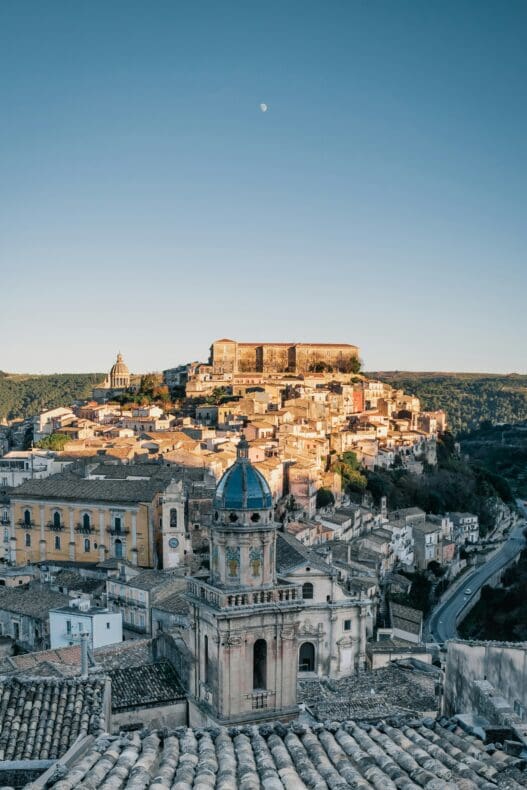
Ragusa is truly two cities rolled into one: up above, there’s Ragusa Superiore, carefully designed after the 1693 earthquake, and down below, Ragusa Ibla, a maze of medieval streets where time seems to have come to a halt.
Ibla is the heart and soul of the city. Here, you’ll discover the magnificent Duomo di San Giorgio, a baroque architectural gem crafted by Rosario Gagliardi. With its graceful façade and iconic staircase square, it’s no wonder this is considered one of Sicily’s most breathtaking churches.
Take your time to meander through the winding alleyways, sip a freshly brewed espresso in the lively Piazza Duomo, and stumble upon hidden squares and baroque balconies adorned with bursts of colorful flowers. End your leisurely walk at Giardino Ibleo, a serene garden filled with palm trees, offering stunning panoramic views over the valley.
Fun fact: Ragusa is also a filming location for the iconic Italian detective series Il Commissario Montalbano. If you’re a fan of the show, you’ll recognize several familiar spots from the series, and you can even take a guided Montalbano tour to see them up close!

#16 Gole dell’Alcantara
The Gole dell’Alcantara were shaped by ancient lava flows meeting the frigid waters of the Alcantara River, creating a striking landscape of dramatic basalt cliffs that rise up to fifty meters. Their jagged, almost sculpted forms look as though they’ve been carved by an artist’s hand.
Here, you can wander through the gorges, take a refreshing swim, or simply immerse yourself in the stunning surroundings. Slip into your water shoes and step into the river—the water may be shockingly cold, but it’s a wonderfully refreshing experience, especially in the summer months. When we visited in winter, however, it was a bit of a brave choice! For those seeking more adventure, there are summer activities like body rafting and canyoning. If you prefer a slower pace, head to the top of the gorge where a peaceful botanical garden awaits, offering walking paths that trace the cliff edges. Alternatively, you can hop on a shuttle bus for a relaxed tour of the garden.
Getting to the Gole dell’Alcantara is easy, whether by car or through a guided tour from Taormina. Entrance fees vary depending on the season and the activities you choose. During the off-season, we paid €7 per person to access the gorge via a lift. However, we did find that the way this natural wonder is commercialized somewhat takes away from its raw charm. Thankfully, visiting in the winter meant we had the place nearly to ourselves, which allowed us to fully appreciate its beauty without the usual crowds.


#17 Aeolian Islands
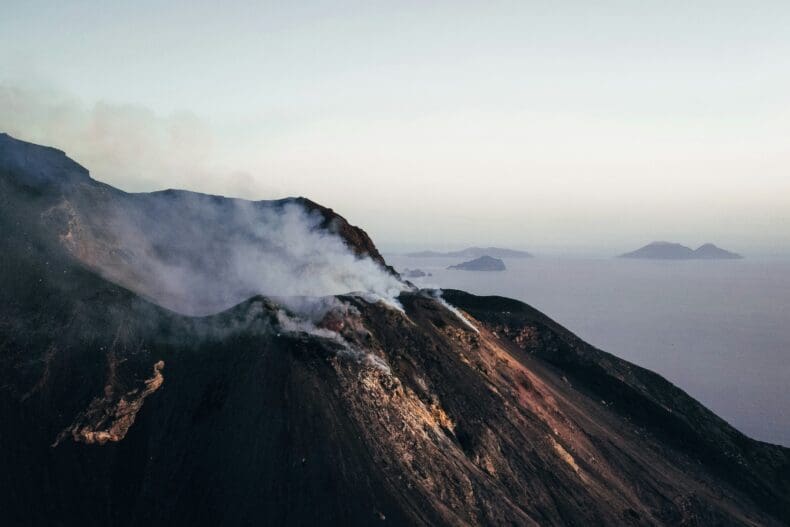
Picture an archipelago where active volcanoes still rumble, whitewashed villages perch on mountain slopes, and the sea glistens in every shade of blue imaginable. Welcome to the Aeolian Islands—a captivating cluster of seven islands, each offering its own unique charm.
Lipari is the largest and liveliest of them all, boasting colorful streets and an intriguing archaeological museum brimming with ancient Greek and Roman artifacts. Salina, on the other hand, is lush and tranquil, famous for its Malvasia wine and delicate capers, harvested here as a local specialty. Stromboli is the island that truly lives up to its fiery reputation, with a volcano that erupts every twenty minutes. Don’t miss the unforgettable experience of a nighttime boat tour along the “Sciara del Fuoco,” where the glowing lava cascades directly into the sea.
Vulcano might greet you with the unmistakable scent of sulfur from its hot springs, but it’s the perfect destination to unwind in natural mud baths. Panarea, the island of the jet set, offers a chic escape with its white houses, upscale boutiques, and luxurious yachts. Meanwhile, Filicudi and Alicudi are the most remote of the islands, making them ideal for those looking for peace and tranquility.
Whether you’re seeking adventure, nature, or simply a place to relax, the Aeolian Islands have something to offer everyone.
#18 Lampedusa
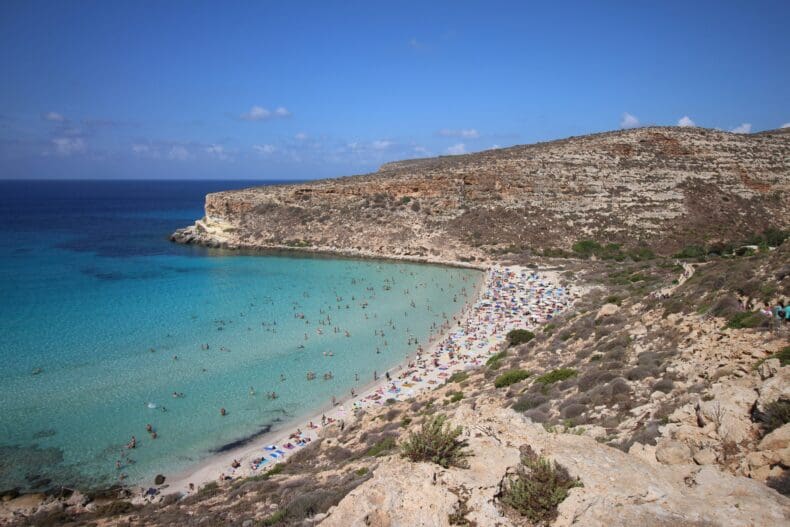
Lampedusa lies closer to Africa than to Italy, and you can sense it the moment you arrive. With its dry, almost desert-like landscape and a relaxed atmosphere that feels like a blend of Sicily and Tunisia, it’s a unique destination that stands apart from the rest. But what truly draws people here? Spiaggia dei Conigli, or Rabbit Beach.
Often hailed as one of the most stunning beaches in the world, this idyllic spot boasts powdery white sand, crystal-clear waters, and the unforgettable sight of sea turtles nesting along its shores. The beach is a bit of a trek to reach, but once you catch your first glimpse of the bay, you’ll instantly know it was worth the effort.
Lampedusa also reveals a more rugged side. The southern coastline is marked by dramatic cliffs and hidden caves, perfect for exploring by boat. And then there’s the Porta d’Europa, a poignant piece of art that stands as a tribute to the thousands of migrants who risk everything to reach the island in search of a better life.
#19 Sciacca
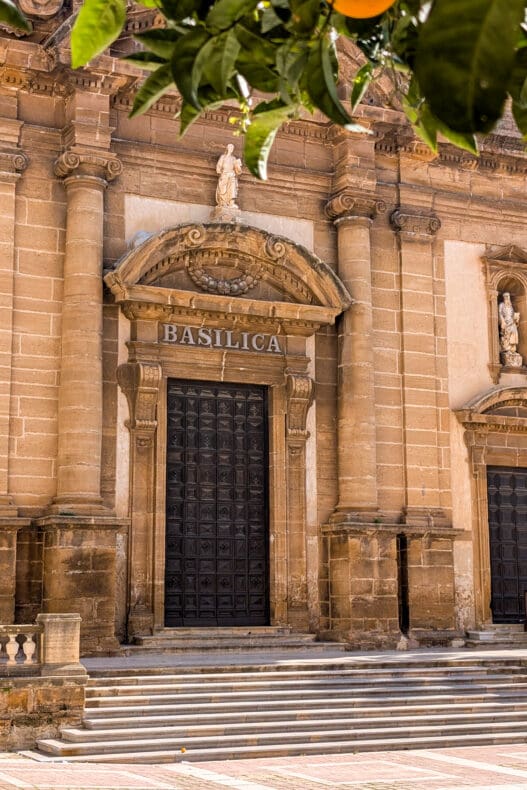
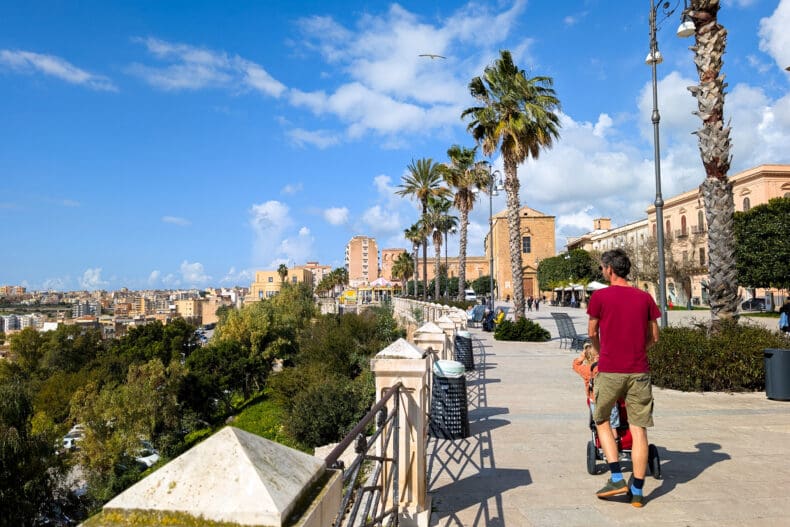
Sciacca is a town steeped in a rich fishing heritage. It’s not the polished, touristy destination you might expect, but rather a lively, authentic port town where fishermen bustle in and out of the harbor, locals relax in cool, shaded alleyways, and the air is always filled with the fresh scent of the sea and fish.
The town is famous for its therapeutic thermal baths, which have been cherished since ancient times. The Greeks and Romans believed the springs had healing powers, and today, they continue to draw visitors seeking rejuvenation. Sciacca is also well-known for its carnival, one of the oldest and most extravagant in Sicily. Picture grand, colorful floats, towering puppets, and a festival that goes on for days, spilling joy and excitement into the streets.
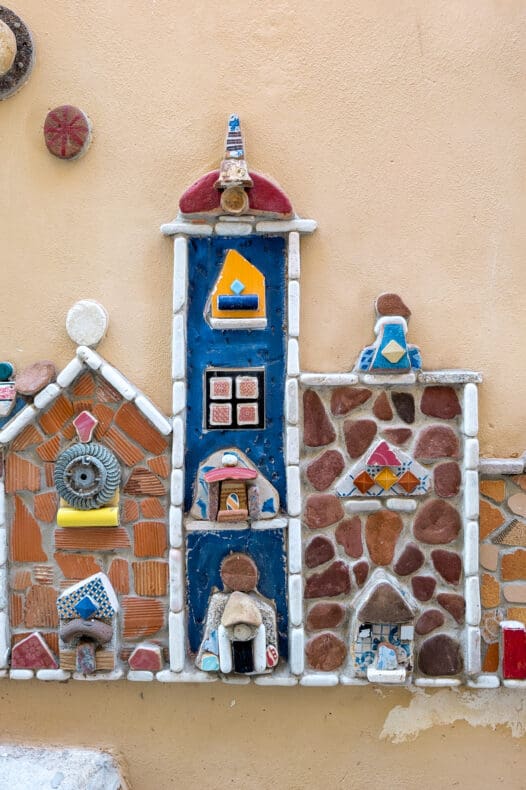
What truly sets Sciacca apart, though, is its ceramics. Everything in this town is hand-painted, from bright, vibrant plates to exquisite decorative vases. Stroll through one of the many workshops and you’ll witness artisans bringing their stunning creations to life before your eyes. The town’s streets themselves are adorned with ceramic art, like the beautifully crafted edges of the Scalinata Artistica staircase and the colorful tiles decorating the walls of the Cortile Carini alley.
#20 Temples of Selinunte
Arriving in Selinunte feels like stepping into the pages of ancient history. Once one of the most powerful cities in Magna Graecia, this former Greek settlement now holds one of the largest archaeological parks in Europe—an extraordinary place where crumbling ruins and towering columns transport you back thousands of years.
The Temple of Hera, also known as Temple E, is the most complete and offers a stunning glimpse of the city’s former grandeur. Walk among the stone columns, and it’s easy to imagine what life once looked like in this thriving coastal metropolis. The other temples, though partially toppled by centuries of earthquakes and battles, remain captivating in their silent, timeworn beauty. And here’s a fun detail—Selinunte takes its name from selinon, the ancient Greek word for parsley. This wild herb grew in abundance here and even appeared on the city’s old coins.
The site lies just a stone’s throw from the sea, making it easy to balance history with leisure. After a morning of exploring ancient ruins, there’s nothing better than cooling off on a nearby beach. Where else can you spend your day walking among ancient temples, then dive straight into the sparkling waters of the Mediterranean?

#21 Trapani Salt Flats
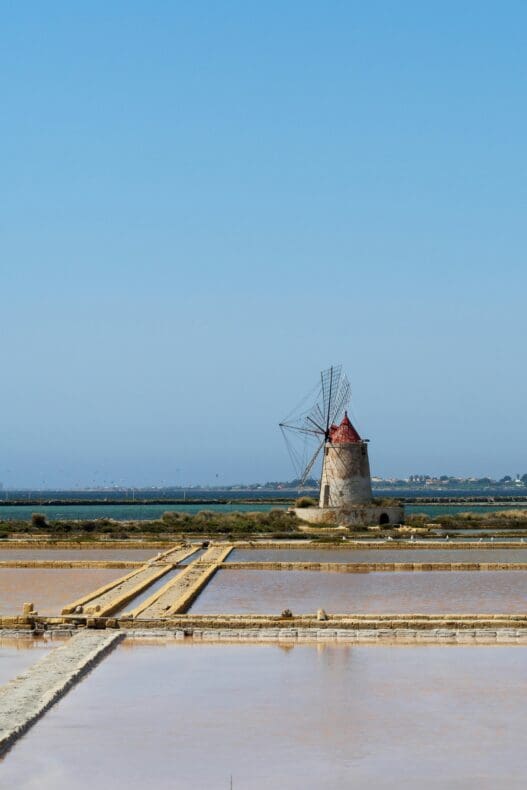
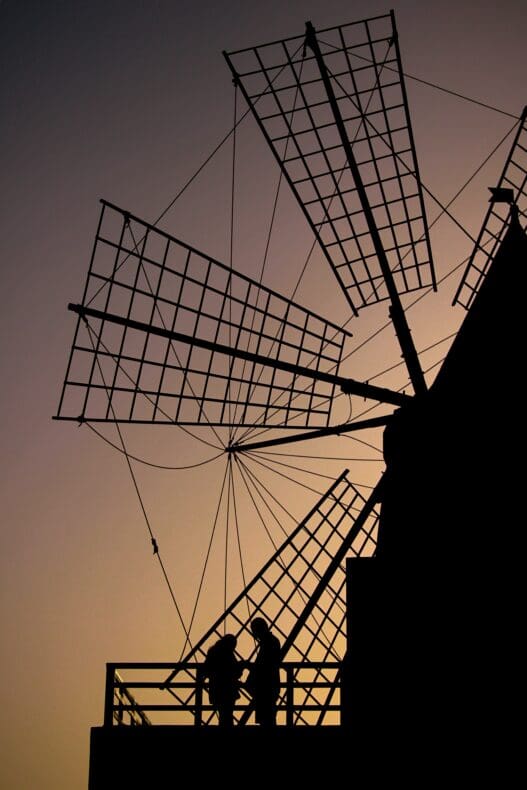
Trapani is often called the city of tuna and winding alleyways—though we have to admit, the historic center didn’t quite sweep us off our feet. What truly sets this coastal town apart, however, are its sweeping salt flats and charming old windmills. Salt has been produced here for centuries, a practice that dates all the way back to the time of the Phoenicians. The shallow basins glimmer with saltwater, and the creaking windmills slowly turning in the breeze add to the timeless atmosphere, making this one of the most picturesque spots in all of Sicily.
The best moment to experience the salt flats? Without question—sunset. As the sun dips below the horizon, the sky explodes into soft hues of pink and orange, while the water mirrors the colors in a dazzling, dreamlike display. Be sure to stop by the Museo del Sale, a small but captivating museum tucked inside an old salt mill, where you’ll discover how salt is still harvested using age-old methods.
A fun fact: Trapani’s salt isn’t just for seasoning food. It’s also highly valued in the cosmetics industry. And yes—you can take a bit of Sicily home with you by picking up a pouch of hand-harvested sea salt as a souvenir!
#22 Vendicari Nature Reserve
If you’re craving a break from the hustle and bustle of Sicily’s lively cities, Vendicari is just the place. Tucked away on the island’s southeastern coast, this protected nature reserve is a haven for nature lovers. Wander through rolling sand dunes, tranquil wetlands, and quiet, untouched beaches as flamingos, herons, and storks glide gracefully overhead.
But Vendicari offers more than just natural beauty—it’s a place with a rich past. The weathered ruins of an old tuna factory are a reminder of the days when tuna fishing was the heartbeat of the region. Nearby, the Torre Sveva, a centuries-old watchtower, still rises above the landscape, standing guard as it did when pirates once prowled these shores.
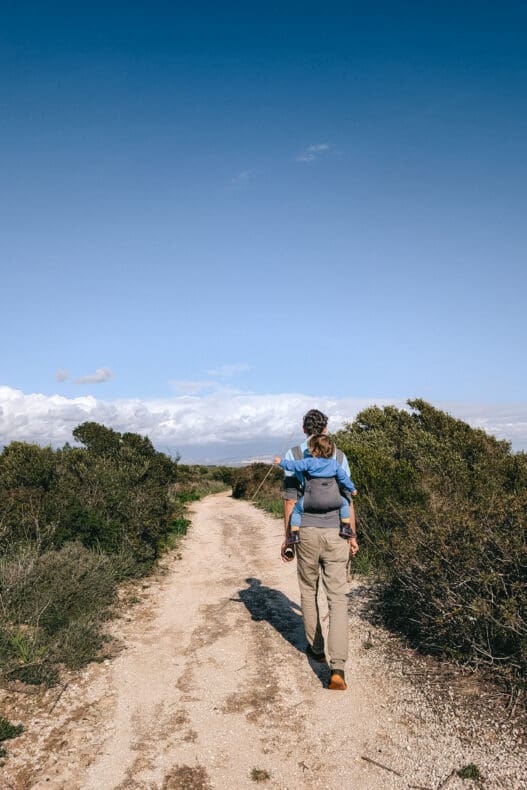
One of the most breathtaking beaches in the reserve is Calamosche—a secluded bay with clear turquoise waters, framed by rugged rocks. It’s only reachable on foot, which makes it feel like a secret escape. Lace up your walking shoes, pack plenty of water, and enjoy a peaceful day in one of the most beautiful corners of Sicily’s wild coastline.
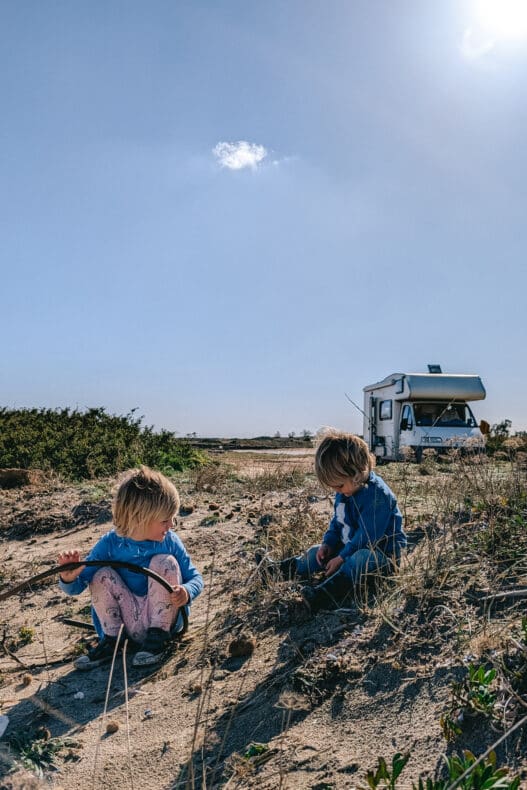
Traveling Sicily by camper, like we did? You’ll love the beach at San Lorenzo, located right beside the reserve. It’s a favorite spot for wild camping, and if you’re lucky, a local baker might swing by in the morning with fresh bread—simple joys that make the experience even more special.
#23 Aci Trezza & Aci Castello
According to ancient mythology, the Cyclops Polyphemus was so enraged by Odysseus that he hurled massive boulders at him. Legend has it that those very rocks now lie scattered in the sea off the coast of Aci Trezza, where they are known as the Faraglioni dei Ciclopi.
Aci Trezza is a charming fishing village with a picturesque harbor, offering stunning views of these legendary rock formations. Just a short drive away is Aci Castello, home to an impressive castle perched dramatically on a lava cliff. The 11th-century Castello Normanno provides breathtaking views over the Ionian coastline, making it a must-see for visitors.
Fun fact: Italian author Giovanni Verga immortalized these villages in his famous novel I Malavoglia, which paints a vivid picture of the tough lives led by local fishermen. For an unforgettable experience, take a boat tour along the coast to get up close to the legendary sea stacks—it’s the perfect way to immerse yourself in the natural beauty and rich mythology of the area.

#24 Caltagirone
Calling all ceramic lovers: Caltagirone is the undisputed heart of Sicilian pottery. For centuries, dating all the way back to the Arab era, artisans have been handcrafting and painting stunning ceramics here. The city is beautifully adorned with vibrant tiles, intricate vases, and decorative heads—some of which have a mysterious and captivating charm.
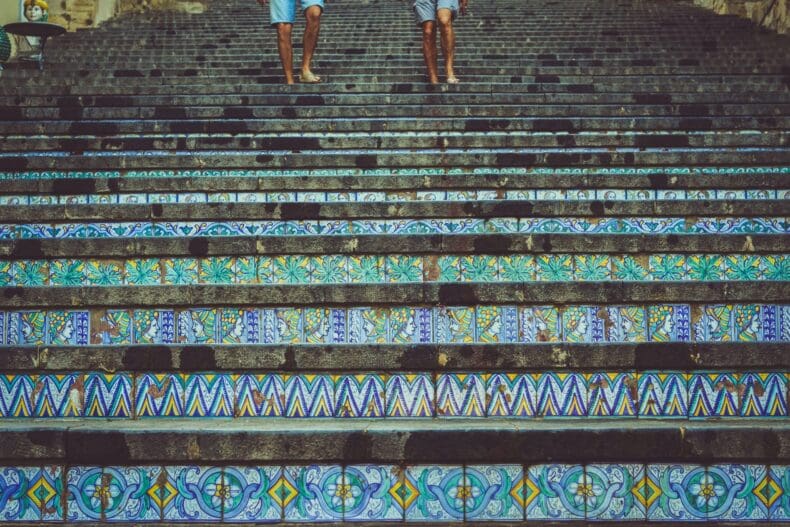
At the heart of Caltagirone stands its iconic landmark: the Scalinata di Santa Maria del Monte. This magnificent staircase, with 142 steps, is entirely covered in hand-painted majolica tiles. Twice a year, during festivals, the steps come alive as they’re decorated with thousands of candles or flowers, transforming into an extraordinary sight.
But Caltagirone isn’t just about ceramics. It’s a delightful town full of baroque architecture, with a grand cathedral, picturesque squares, and charming artisanal shops. Take your time to meander through its narrow streets, pick up a one-of-a-kind ceramic souvenir, and immerse yourself in the rich art and craftsmanship that have been passed down through the generations.
#25 Piazza Armerina & Villa Romana of Casale
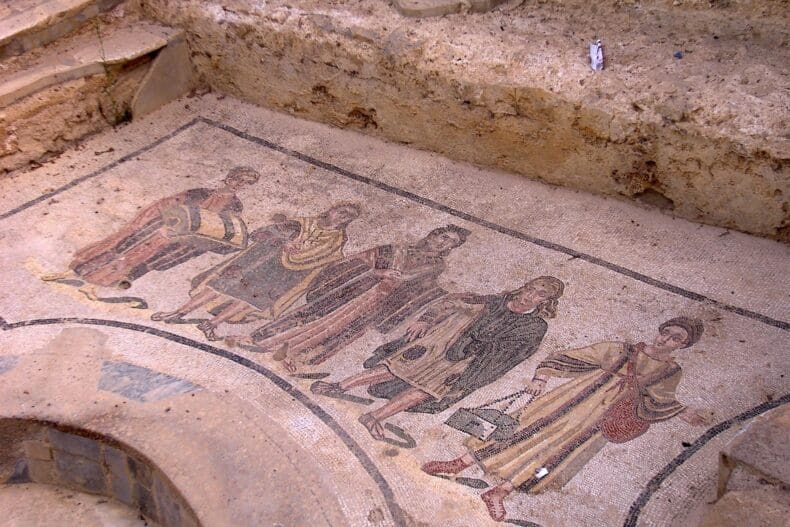
For a captivating blend of Roman history and exquisite mosaics, Piazza Armerina is the place to be. Tucked away in the hills of central Sicily, Villa Romana del Casale is a 4th-century Roman villa that boasts one of the world’s most impressive mosaic collections.
Once the opulent country estate of a wealthy Roman aristocrat, this villa was the pinnacle of Roman architectural grandeur in its time. But it’s the floor mosaics—covering an astonishing 3,500 square meters—that truly take center stage. These vivid mosaics depict everything from scenes from Greek mythology and exotic animal hunts to women wearing what appear to be modern-day bikinis, each design carefully crafted with remarkable detail.
Here’s a fun fact: For centuries, these mosaics lay buried beneath a thick layer of mud, only to be uncovered in the 20th century. This is the reason why they are so incredibly well-preserved to this day.
The town of Piazza Armerina itself is a delightful medieval treasure, with its baroque palaces, narrow winding streets, and a lively town square. But let’s be honest—while the town is charming, you’ll mainly visit for those breathtaking mosaics.
#26 Casamatta of San Cataldo
Sicily is brimming with hidden treasures, and the San Cataldo bunker is certainly one of them. This abandoned World War II structure sits dramatically at the foot of the cliffs along the island’s rugged northern coastline, offering a stunning view of the emerald-green Mediterranean Sea. Once a strategic lookout post, today it stands as one of the island’s most photogenic locations—and, remarkably, it’s still mostly untouched by the typical tourist crowds.
While the bunker itself isn’t particularly large, the breathtaking scenery surrounding it more than makes up for its size. To reach it, you’ll descend a long, winding staircase that zigzags down the rocks. This path has become a favorite for photographers, earning its place on Instagram feeds—and for good reason. The striking contrast between the jagged stone and the deep blue of the sea makes for absolutely stunning photographs.
From here, you’ll also catch a glimpse of the Grotta delle Colombe, a volcanic cave hidden in the cliffs. The best times to visit? Early in the morning or just before sunset, when the water shifts from deep blue to a vibrant turquoise. Take a moment to savor the quiet—chances are, you’ll have this tranquil spot all to yourself.
#27 Monreale
The Cathedral of Palermo is undeniably impressive, but if you’re seeking something truly extraordinary, take a short drive up into the hills to Monreale. Nestled here is one of the most breathtaking cathedrals in Italy—and quite possibly in all of Europe.
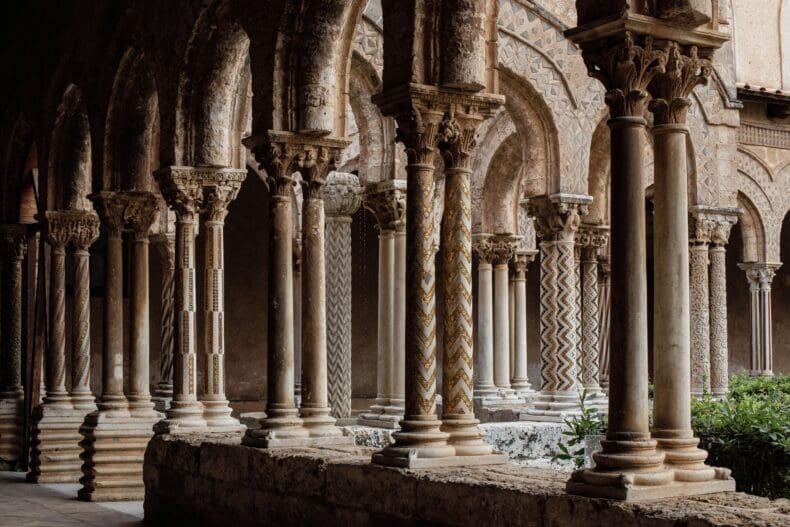
The Cattedrale di Monreale, built in the 12th century, is a true masterpiece of Norman architecture, infused with subtle influences from Arab and Byzantine styles. From the outside, the cathedral stands as a majestic monument, but it’s when you step inside that you are truly awestruck. Almost every inch of the walls and ceilings is adorned with shimmering gold and intricate mosaics that depict vivid scenes from the Bible. The centerpiece, however, is the monumental Christ Pantocrator mosaic above the altar, where Christ gazes down with a piercing intensity, his right hand raised in blessing. Just beside the cathedral is the magnificent cloister, a serene sanctuary featuring a tranquil courtyard lined with graceful columns.
Fun fact: The story behind the cathedral’s construction is fascinating—King William II of Sicily is said to have been inspired by a dream in which the Virgin Mary urged him to build a church that would surpass the one in Palermo in both size and beauty. The result? A cathedral that continues to captivate visitors with its splendor, leaving them in awe for centuries.
#28 Cavagrande del Cassibile
If you’re craving an active day surrounded by nature, Cavagrande del Cassibile is the perfect destination. This breathtaking nature reserve in the southeast of Sicily is renowned for its dramatic gorges, lush valleys, and, above all, its stunning natural pools with crystal-clear waters.
One of the best ways to reach this hidden paradise is by hiking the Mastra Ronna trail. The path winds its way down through steep rock cliffs, fragrant Mediterranean plants, and ancient stone steps. Along the way, you’ll be treated to jaw-dropping views—the gorge stretches out endlessly in all directions, while below, the turquoise pools glisten like secret treasures waiting to be discovered.
Once you reach the bottom, slip off your shoes and take a refreshing dip in the cool, inviting waters. The pools, nourished by the Cassibile River, offer the perfect place to relax and unwind after the descent. Pack a picnic, lounge on the rocks, and savor the moment—you’ve stumbled upon one of the most picturesque spots in all of Sicily.
But a quick word of caution: what goes down must come up! The hike back up is no easy feat, especially in the summer heat, so be sure to bring plenty of water and wear sturdy hiking shoes. But believe us, the effort is absolutely worth it.


