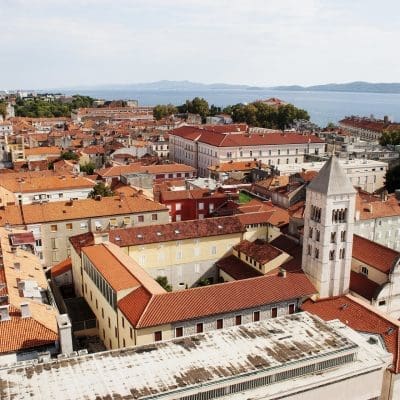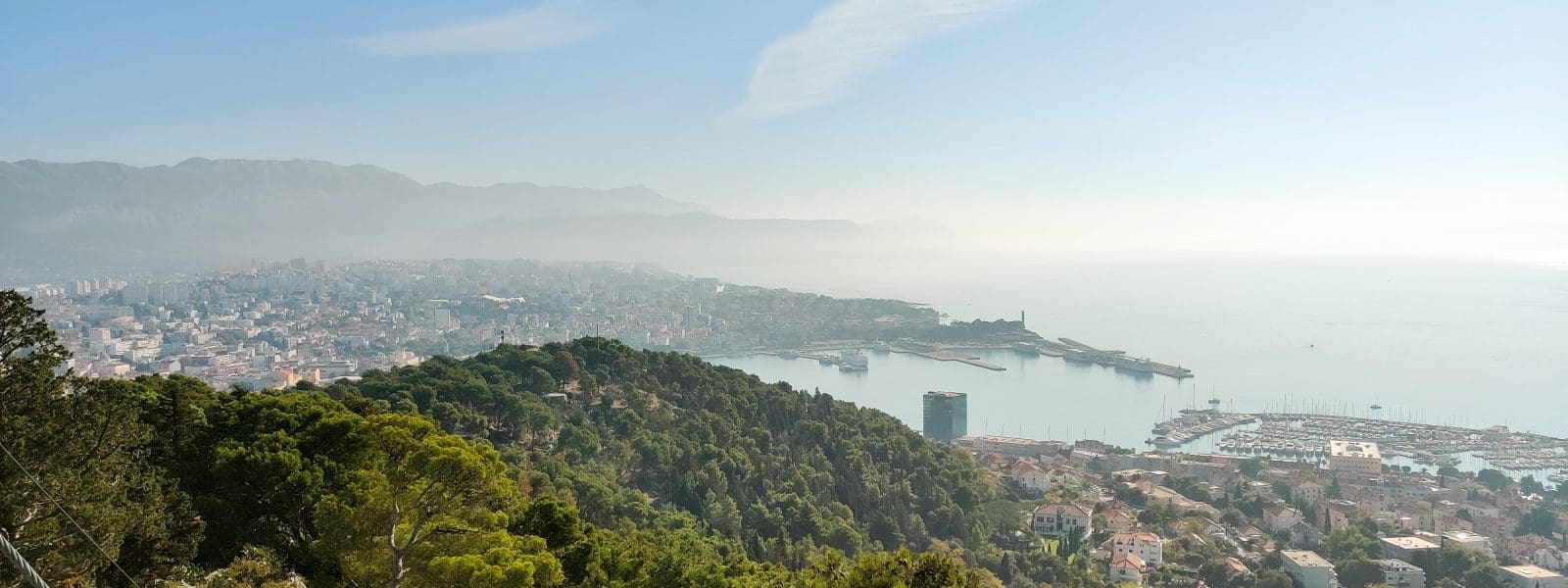
Split in Croatia is one of the most surprising destinations we visited in the Balkans. While we expected a sun-soaked tourist hotspot, what we found instead was a city steeped in history and full of character.
Split’s roots reach all the way back to Roman times, when a retired emperor chose this location to build his enormous palace. Over time, that palace slowly evolved into the vibrant city we see today. At its core, Split is a fascinating mix of ancient Roman ruins, medieval architecture, and lively modern-day cafés, restaurants, and shops.
In this blog, we’ll share everything you need to know for your visit to Split, from practical travel tips to must-see sights.

Where is Split in Croatia?
Split is the capital of the Dalmatia region and is located on the stunning Dalmatian coast in southern Croatia. It’s not far from the border with Bosnia & Herzegovina.
As the second-largest city in the country, Split has its own international airport. There are plenty of affordable flights from other European destinations, which makes it a popular gateway for beach holidays in Croatia. But in our opinion, Split deserves more than just a quick stopover—it’s a destination in its own right. We highly recommend spending time in the city itself before heading off to explore more of Dalmatia. A rental car is ideal if you want to discover the wider region, but don’t skip Split!
Split is also a major transport hub thanks to its busy port. Large cruise ships regularly dock here, bringing in visitors from all over the world. More importantly, the Port of Split offers frequent ferry connections to the nearby Dalmatian islands and even to Italy, making it an excellent base for exploring the Adriatic.
Where to Stay in Split
If you’re looking for a place to stay in Split, you’ll find plenty of great options. We recommend choosing accommodation near the Old Town and the lively Riva promenade. That way, you’ll have all the main sights of Split within easy walking distance.
Are you planning to use Split as a base for exploring the rest of the Croatian coast? Then it’s a good idea to rent a car from Split Airport and find a hotel or apartment that offers parking—super convenient for day trips around Dalmatia.
Booking.comSome great hotel options in Split include:
#1 Olivia Luxury Rooms – A stylish bed and breakfast in a fantastic location, with lovely views over the Riva promenade and the harbor.
#2 Hurricane Hostel – A budget-friendly choice with dorm rooms, just a short walk from the historic center.
#3 Jupiter Luxury Hotel – Located right inside Diocletian’s Palace, this hotel features a rooftop terrace and its own restaurant. Book early to grab a good deal.
#4 Old Town Hostel Split – One of the best options for cheap private rooms right in the heart of the Old Town.
Why Split is worth a visit
Split is an unmissable destination thanks to its one-of-a-kind Old Town, where Roman ruins and medieval buildings come together in a way you won’t see anywhere else. It’s this unusual blend of history and daily life that makes Split so special.
A Historic City Center Built Inside a Roman Palace
Many travel guides describe Diocletian’s Palace as just one of Split’s highlights—but that doesn’t quite do it justice. Split is Diocletian’s Palace. When the palace was added to the UNESCO World Heritage List, it was actually the city center of Split that was recognized for its unique value.
Split’s story begins with Diocletian, a Roman emperor born in the ancient city of Salona—modern-day Solin, not far from Split. Despite coming from humble beginnings, he rose through the military ranks to become ruler of the Roman Empire. He reigned for 21 years and is remembered for pushing through a number of major reforms. Remarkably, in 305 AD, Diocletian voluntarily stepped down—a first in Roman history—and decided to retire.
He had been planning for this moment. Wanting to return to his homeland, he spent the last decade of his reign building an enormous palace by the sea. Legend has it he chose this spot for its many sulfur springs, which he used to fill his private baths and create a kind of Roman spa to soothe his aging body. The palace was massive and included living quarters, temples, military buildings, and everything needed for a luxurious retirement.
The Middle Ages Take Over the Palace
Diocletian lived in his palace until his death and was buried in a grand mausoleum at its heart. For a time, Roman emperors used the palace to exile problematic relatives from Rome. Eventually, though, it fell into disuse—until the seventh century, when fleeing locals saw the old fortress-palace as the perfect place for shelter.
Over time, they moved in and transformed the palace into a bustling village. Every bit of free space was filled with homes and shops, and only when there was no room left did people start building further east—forming the medieval part of Split that still exists today.
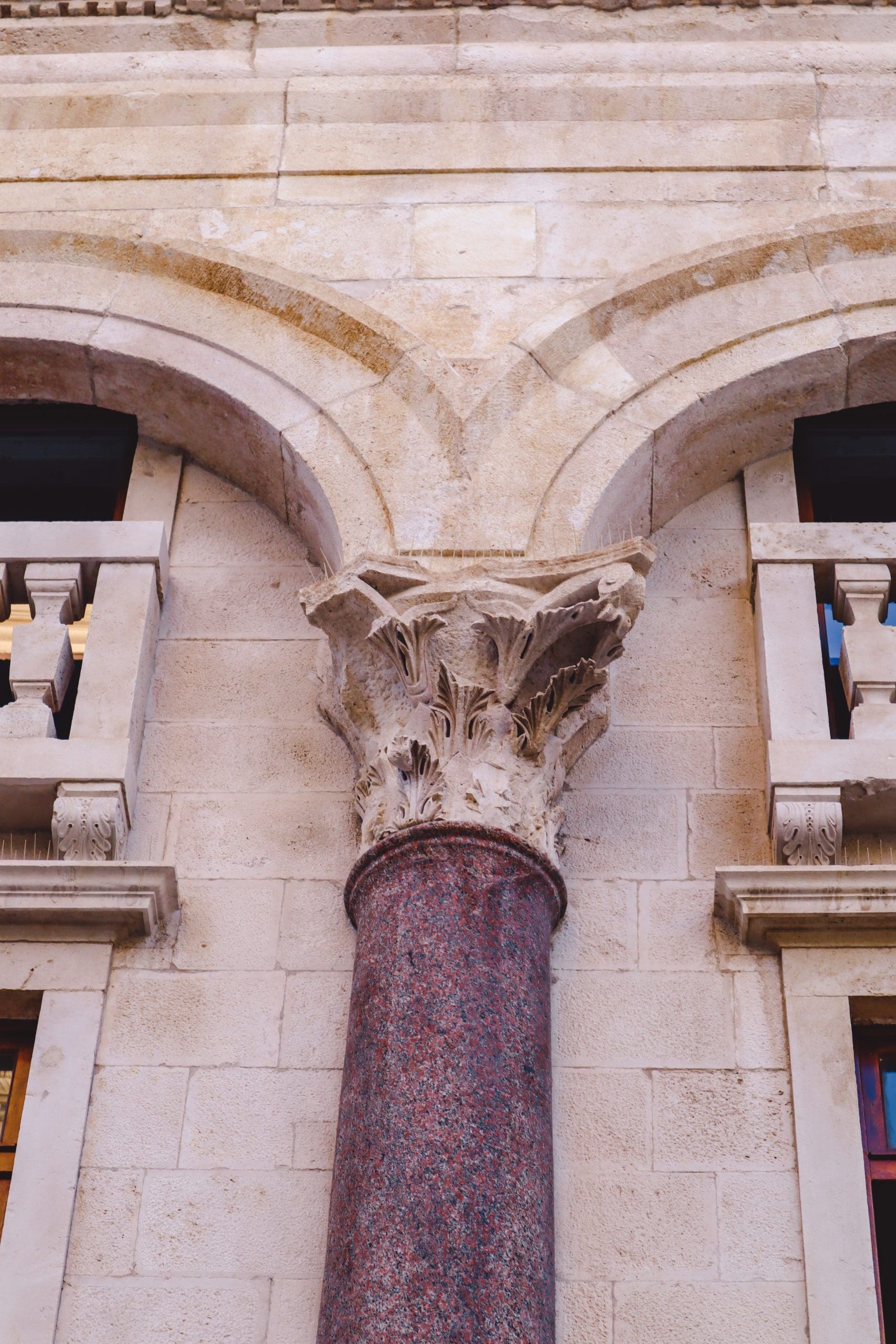
It took centuries before people realized how extraordinary Split’s origins really were. Archaeologists eventually uncovered the Roman palace beneath layers of medieval life. That square layout of the Old Town? Those massive outer walls? The sphinxes, pillars, and mosaics? They were all part of Diocletian’s original complex, hidden in plain sight and woven into the everyday life of the city.
UNESCO World Heritage
This rare blend of Roman and medieval architecture is what makes Split so unique. In 2000, UNESCO recognized this significance by granting World Heritage status to the Old Town. Since then, Diocletian’s Palace—and with it, the heart of Split—has become one of the most fascinating historic sites in Europe.
10 Best Things to Do in Split
#1 Diocletian’s Palace: Trg Peristil Square
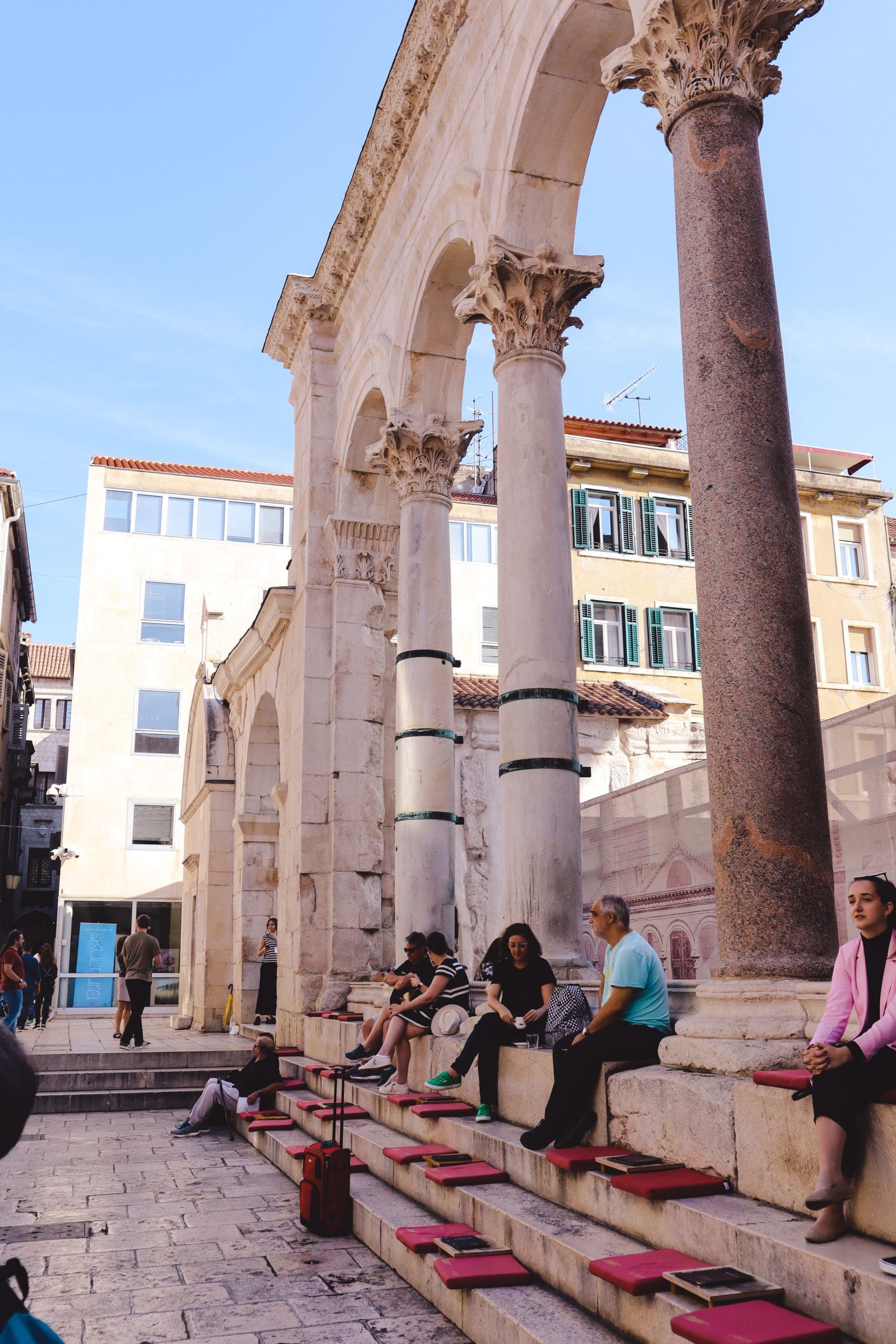
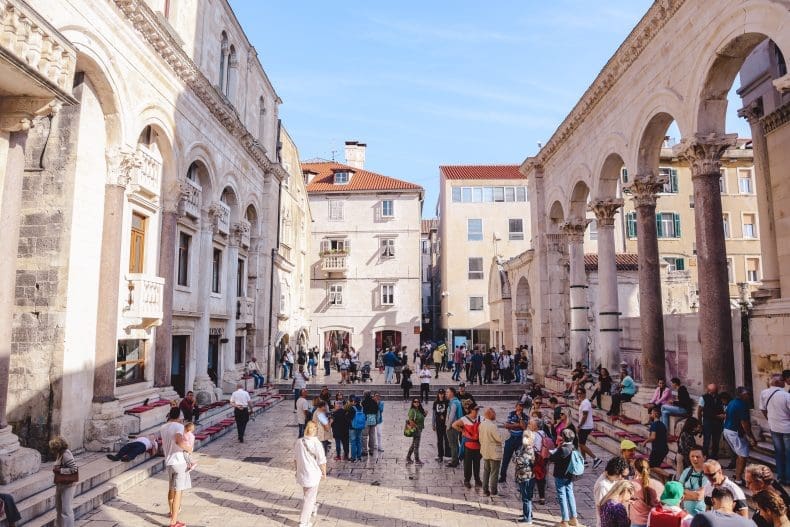
Diocletian’s Palace is often named as one of the top sights in Split, but what many people are actually referring to is the colonnaded square known as Trg Peristil. This is the vibrant heart of both the ancient palace and today’s Old Town. The surrounding stone steps have been turned into casual seating, complete with cushions—making it a wonderfully unique spot to sit back with a drink.
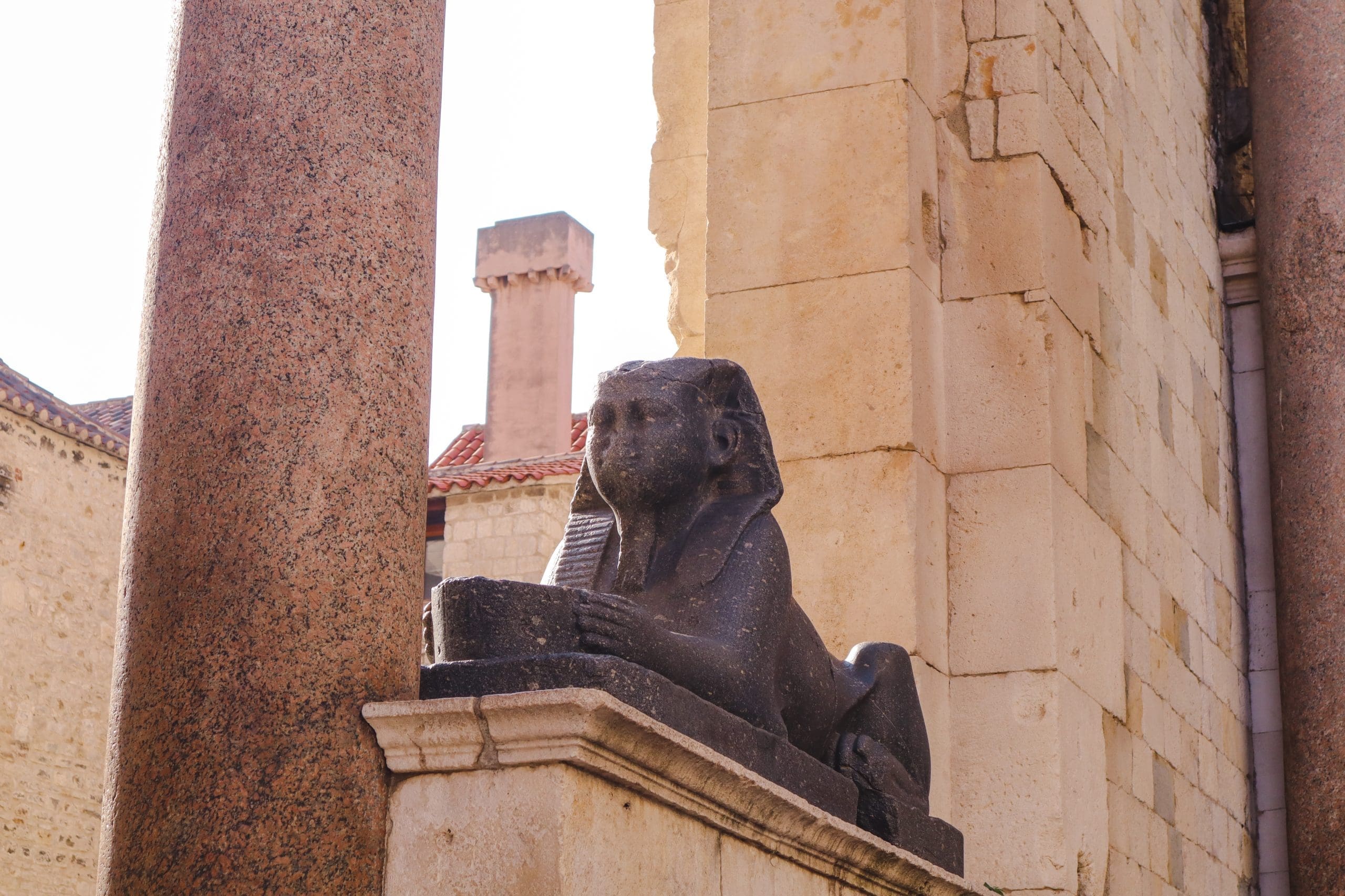
Like many Roman cities, Diocletian’s Palace was designed with two main streets that crossed in the center. That central point is now Trg Peristil, an iconic square framed by ancient columns. Keep an eye out for the black granite sphinx between two of the columns—it came all the way from Egypt and is likely the oldest object in Split. Diocletian had a fascination with Ancient Egypt and brought several sphinxes here; this one is the best preserved.
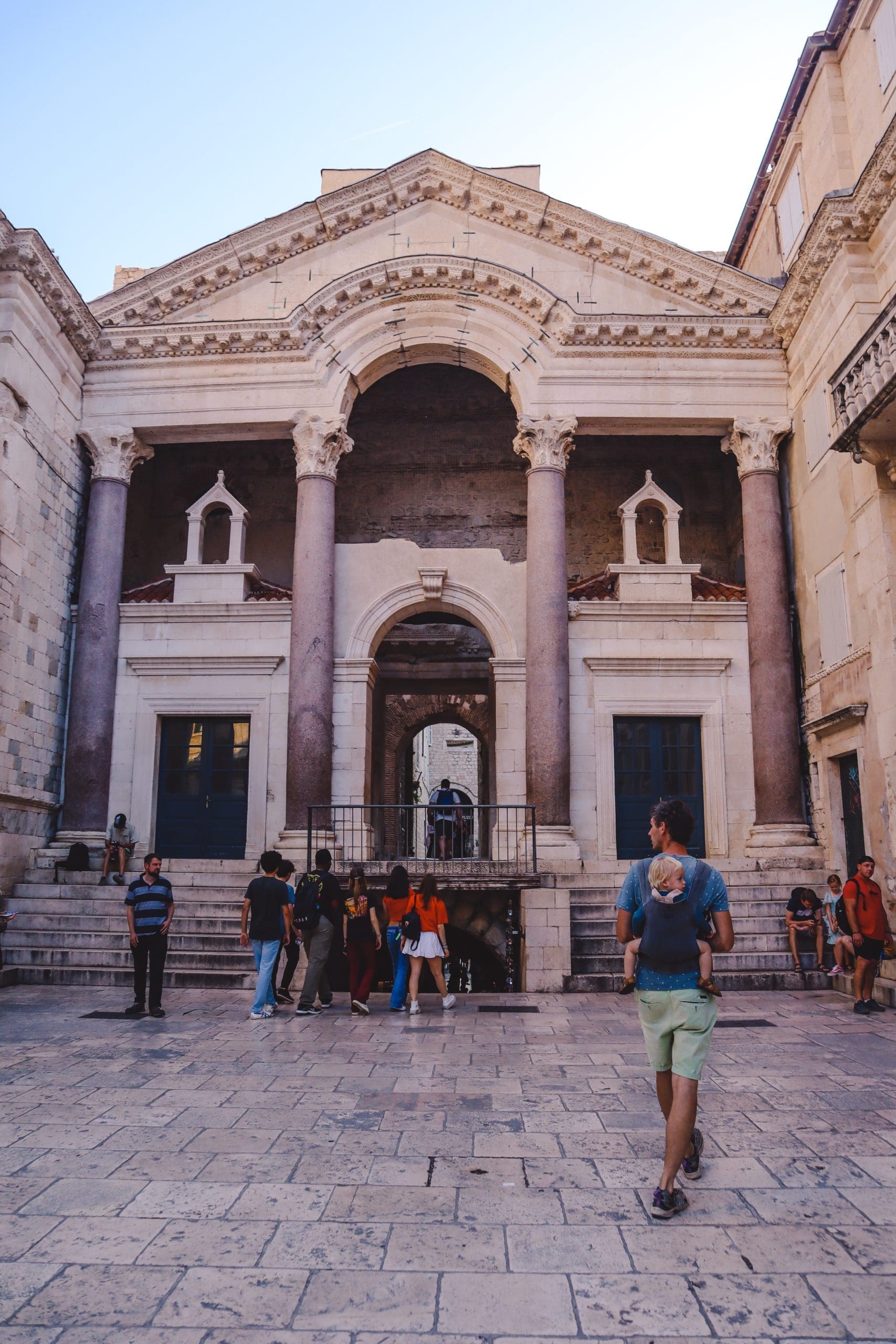
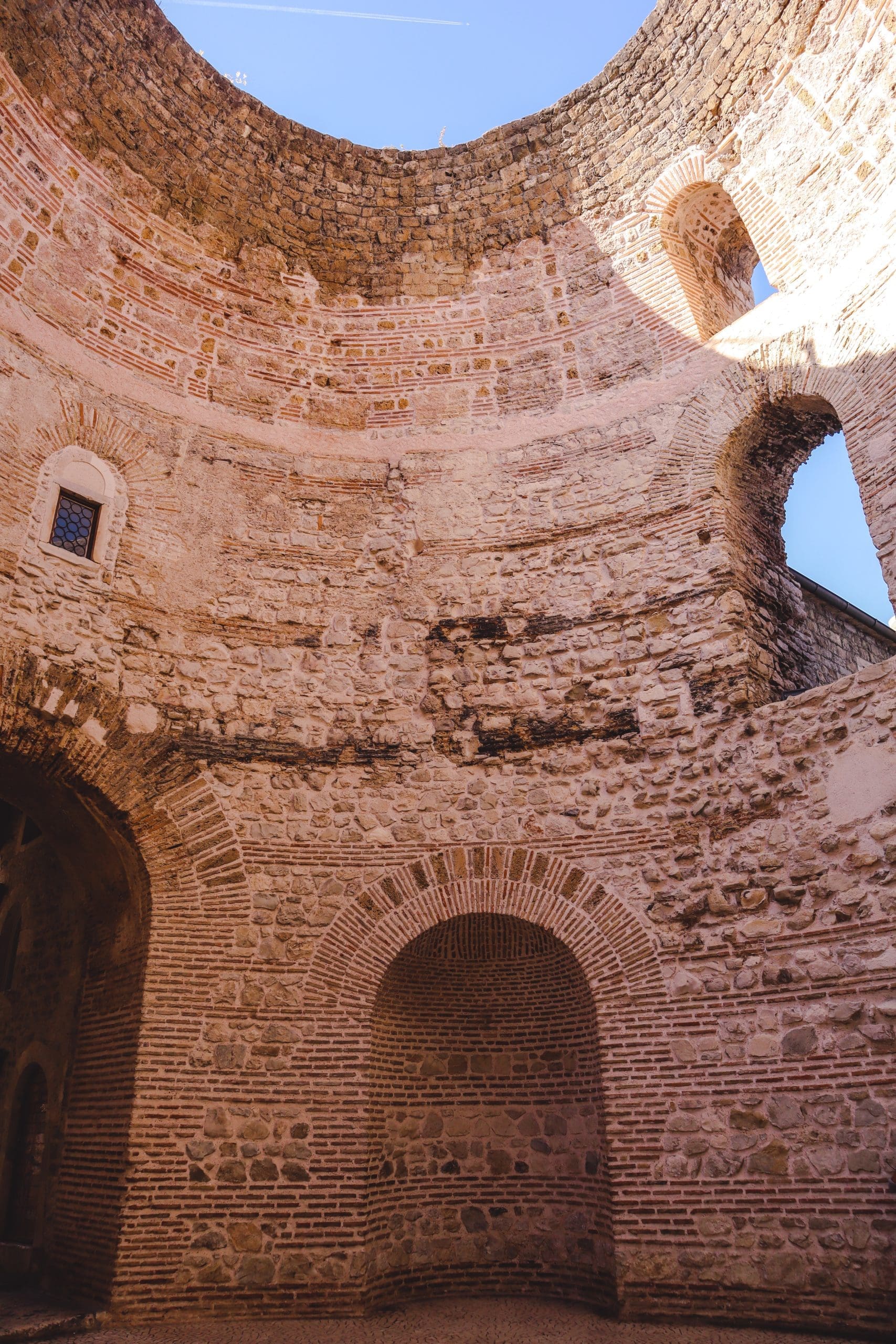
As you explore Split, you’ll likely pass this square more than once. It’s also where you’ll find the entrance to Split Cathedral and the palace cellars. Right above the stairway leading down to the cellars is a staircase to the vestibule, once the entrance to the emperor’s private quarters. It’s a beautifully round room with impressive acoustics, often used today by local folk singers performing traditional Dalmatian music and selling their CDs.
#2 Split Cathedral
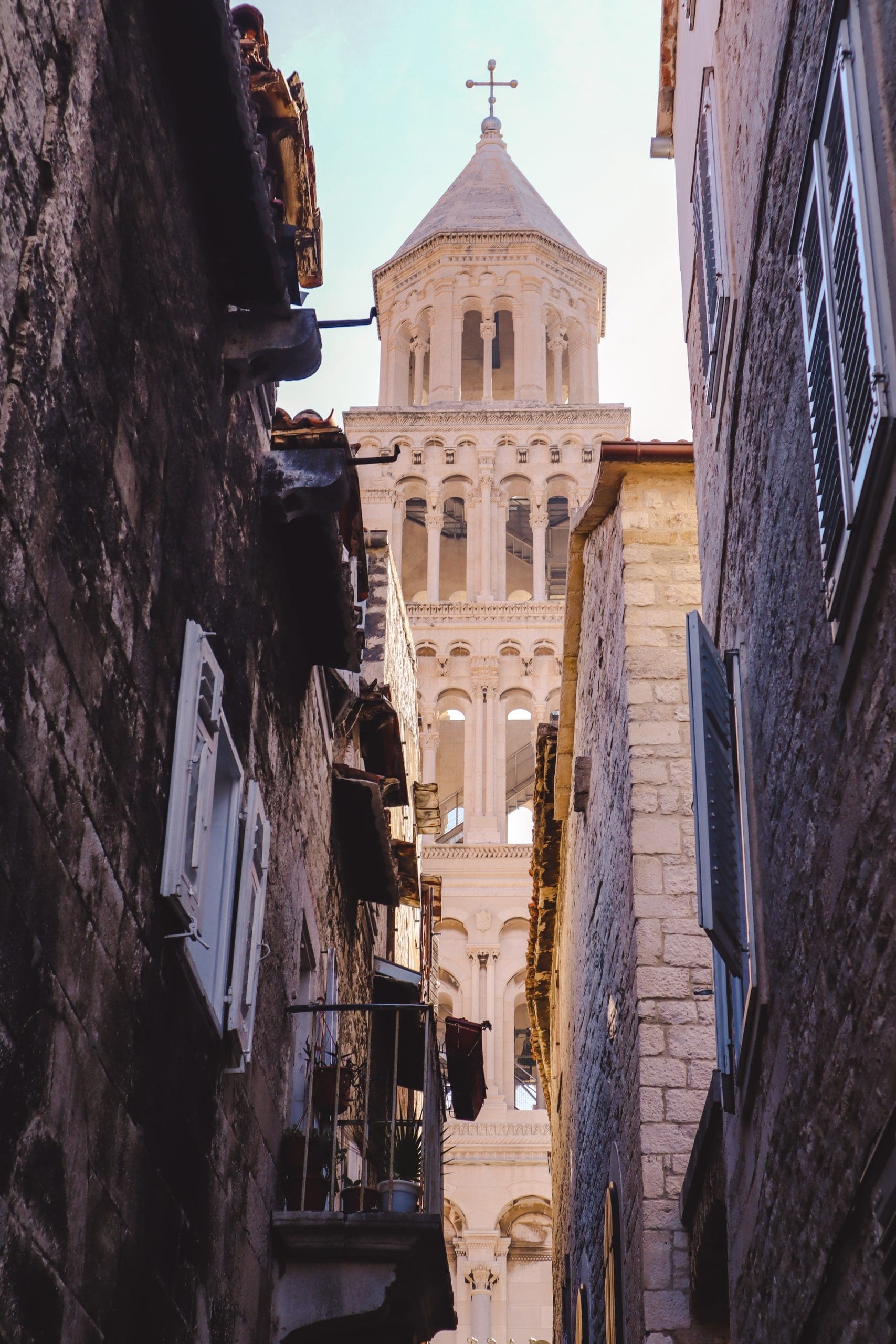
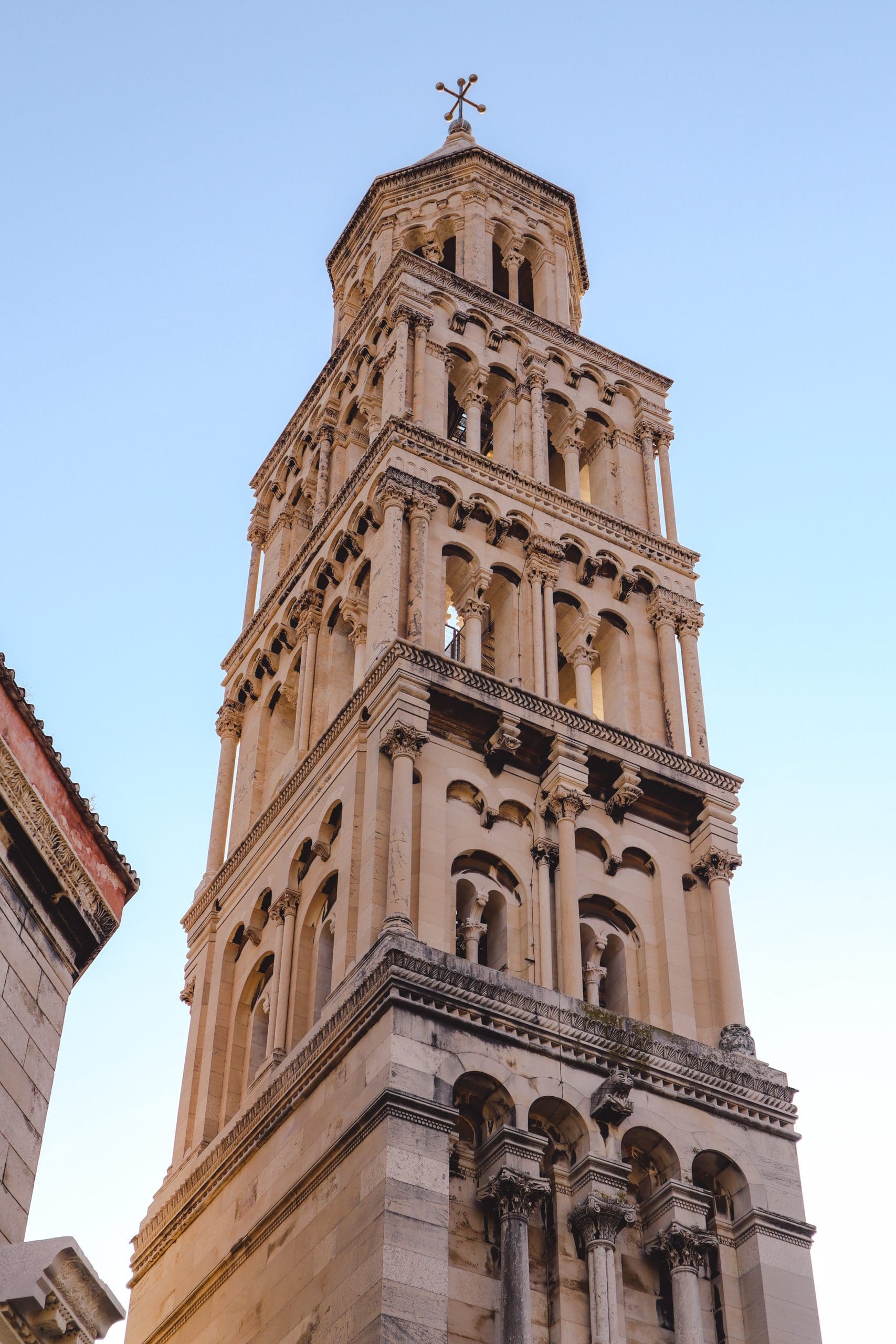
The Cathedral of Saint Domnius stands right in the heart of the Roman palace and was originally built around the mausoleum of Emperor Diocletian. Ironically, it’s dedicated to Saint Domnius—the patron saint of Split—who was executed during Diocletian’s persecution of Christians. Interestingly, only the bell tower is officially dedicated to him, while the church itself is actually devoted to the Virgin Mary.
The main part of the cathedral is the emperor’s former mausoleum. This octagonal structure dates back to the 4th century, making it one of the oldest buildings in the world still in use as a church. The tall bell tower, which rises dramatically above the Old Town, was added in the 12th century. Visitors can climb the tower for sweeping views over Split.
#3 The Palace Cellars
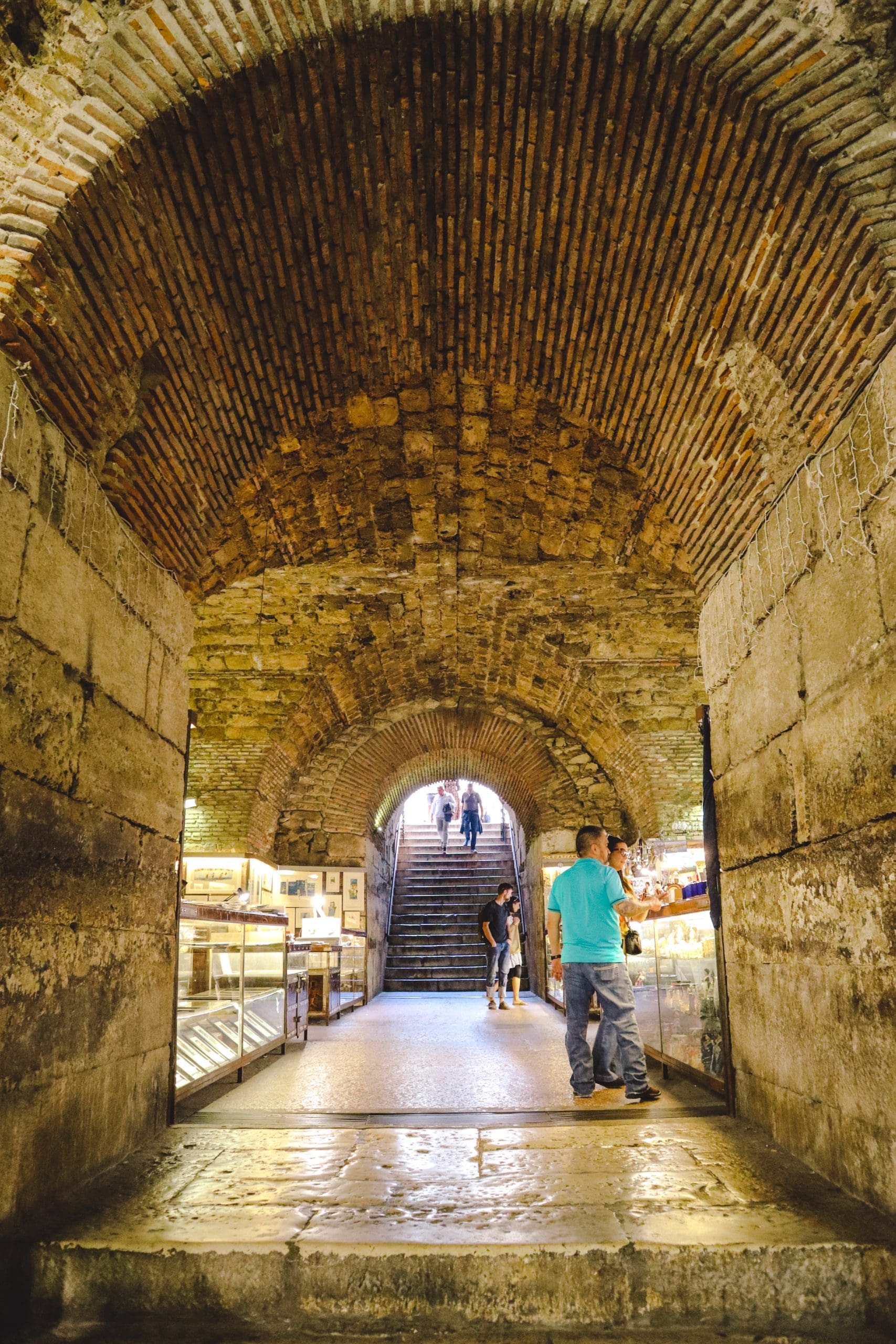
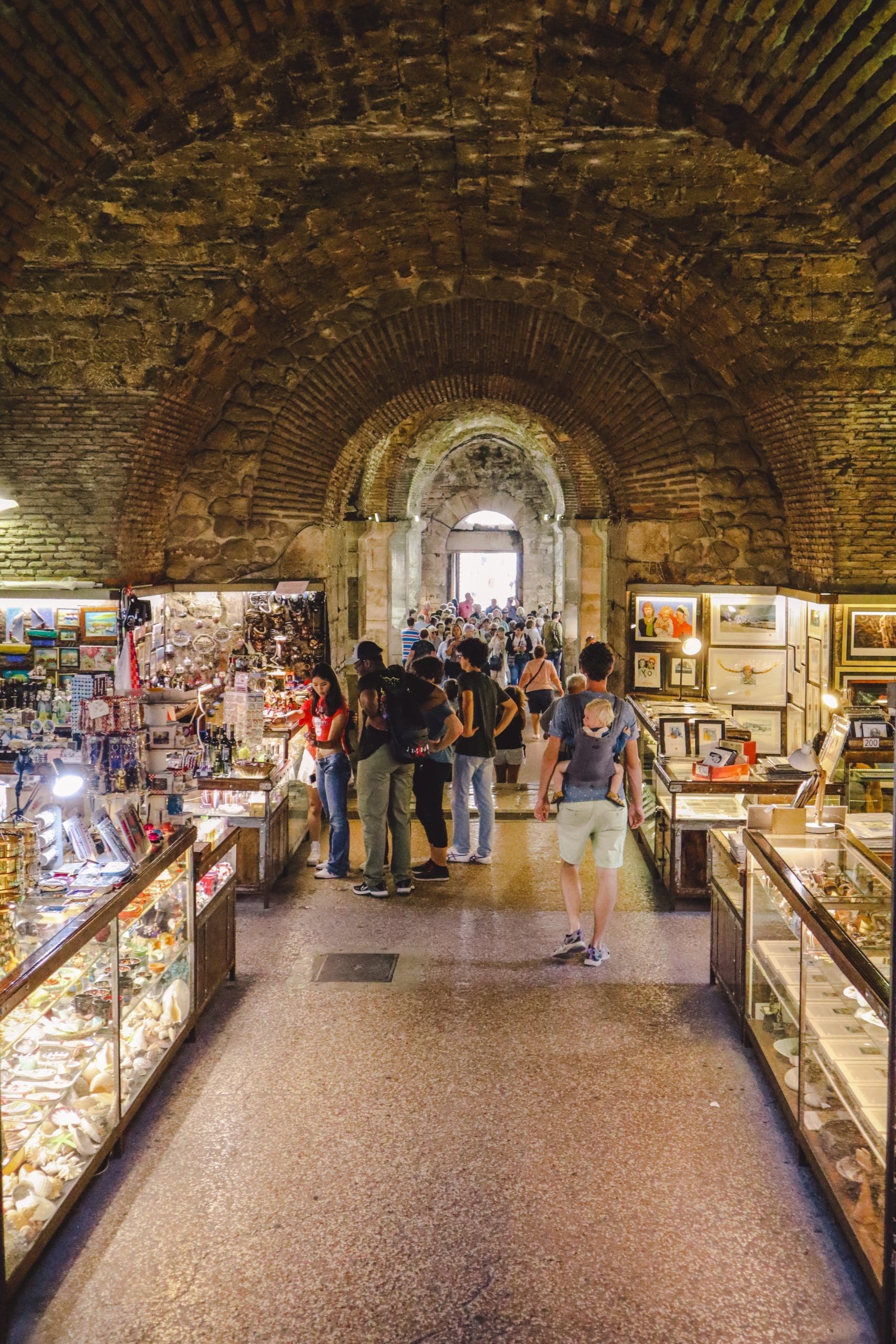
The palace cellars are one of Split’s most impressive attractions—and not just because they were a filming location for Game of Thrones. This is where Daenerys kept her dragons in the series, but originally, the space was used to store supplies for Emperor Diocletian. These days, the cellars are home to a range of souvenir shops. Refreshingly, the shops offer more than just the usual trinkets—think handmade jewelry and unique keepsakes.
The cellars were built to support the structure of the palace above, especially on the side that sloped toward the sea. By creating a level foundation, the Romans ensured the palace had a solid, even floor—especially for the emperor’s personal quarters, which were likely located right above. Today, part of the cellar complex is free to enter and lined with shops, while the rest is accessible with a ticket and offers a deeper look into the layout and history of the palace.
Surprisingly, the cellars were only rediscovered in the 1970s. Back in Roman times, seawater would flow into part of the basement, and the rest was used for storage—something like a giant refrigerator. In the Middle Ages, the cellars were forgotten. People knew there was a hollow space below but didn’t think much of it. Over time, the area was used as a sewer, with pipes draining waste from above. Strangely enough, this layer of sewage actually helped preserve the structure. After centuries hidden beneath the Old Town, the cellars were finally excavated, restored, and opened to visitors. The arched entrance from the palace square was also built at that time and is not original.
A visit to the cellars is a must while in Split. Even if you’re just browsing the souvenir shops, look up—you’ll spot the medieval drainage pipes in the ceiling! But to truly experience the scale and function of the palace, it’s worth buying a ticket for the full cellar tour. Consider getting a combination ticket that also includes other highlights like the cathedral.
#4 The Temple of Jupiter
Tucked away in the narrow alleys of the Old Town is the Temple of Jupiter, a small Roman temple built near the emperor’s private residence and dedicated to the king of the Roman gods. In the 6th century, the building was converted into a Christian chapel, and a crypt was added underneath. Thanks to its religious function over the centuries, the temple has remained remarkably well preserved.
Another of the palace’s granite sphinxes stands guard in front of the temple. While this one shows some signs of wear, you can find a better-preserved example back at the main square, Trg Peristil.
Entry to the Temple of Jupiter is included in the combination ticket for the palace and cathedral. And if you really want a one-of-a-kind experience? You can even sleep in part of the temple—an apartment partially built into the ancient structure is now available on Airbnb.
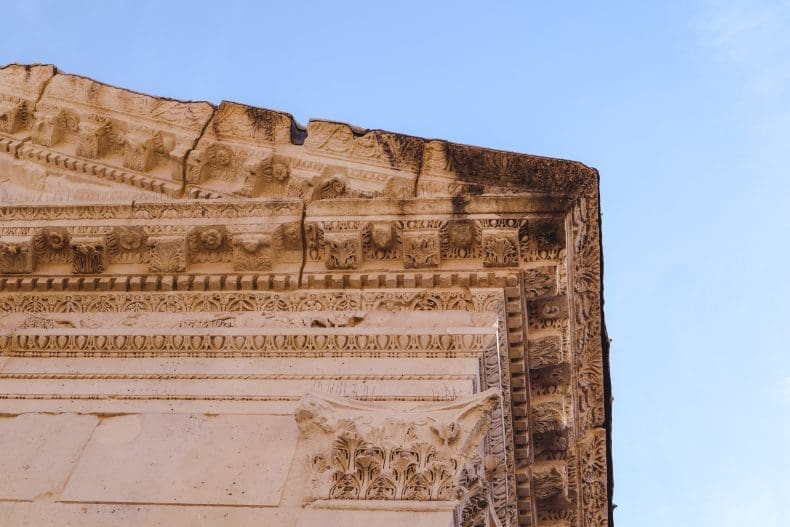
#5 The Golden Gate
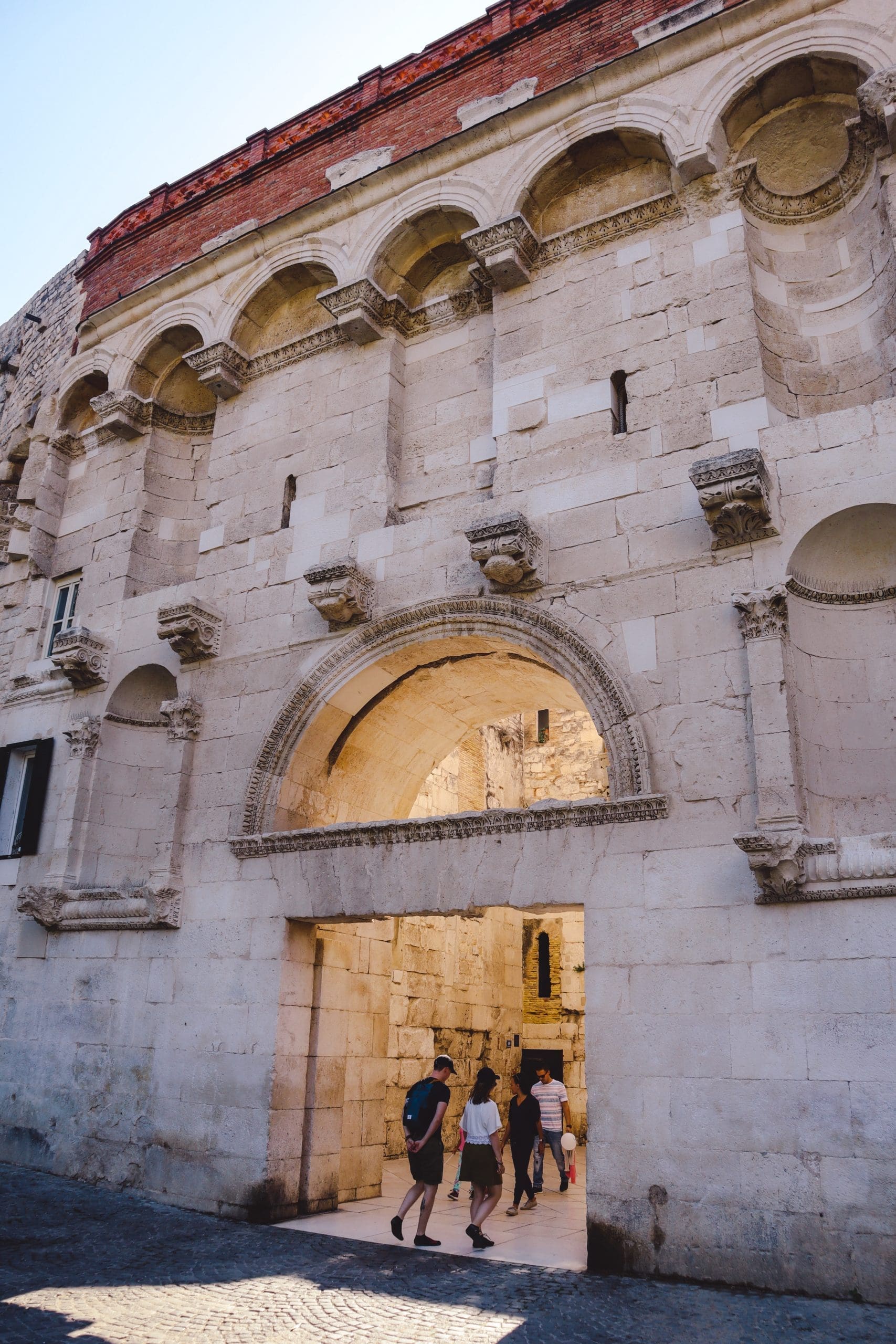
The Golden Gate was once the grand main entrance to Diocletian’s Palace—and today, it still serves as a gateway into Split’s Old Town. As mentioned earlier, the Roman palace was laid out like a grid with two major streets crossing at the center. At the end of each of the four palace walls stood a gate, and the Golden Gate was the most important and impressive of them all.
Back in Roman times, the Bronze Gate opened directly onto the sea and served as the main route for ships bringing in goods. The Golden Gate, on the opposite side, connected directly via road to the major Roman city of Salona. The other two gates—the Silver and Iron Gates—also led to surrounding areas of the city. Of the four, only the southern sea-facing gate wasn’t fortified. The Golden Gate, by contrast, was heavily defended, with thick double doors and a chamber between them where intruders could be trapped and attacked from above.
In the Middle Ages, a church was built into the narrow passage of the Golden Gate. Incredibly, the church is only 1.64 meters wide!

#6 The Riva Boulevard
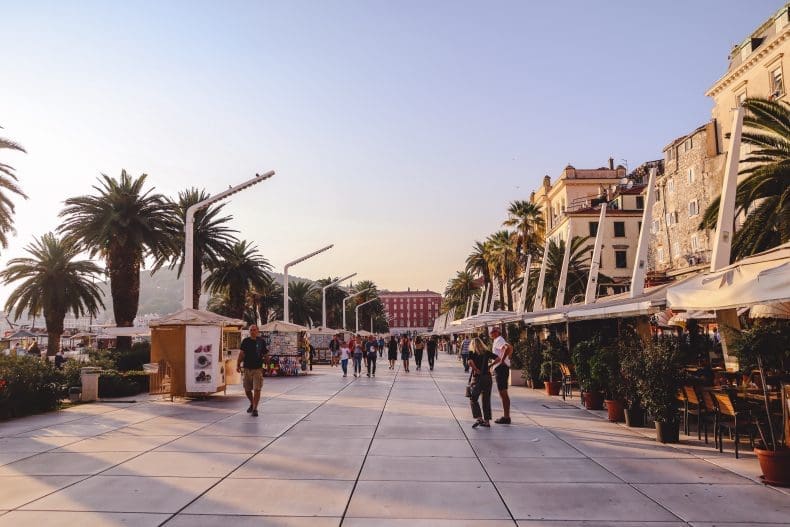
No visit to Split is complete without a stroll along the Riva promenade. Once upon a time, the Roman palace and the Old Town were right on the water’s edge, but over the centuries, land was added to create a harbor. Today, this area is a wide, lively boulevard known as the Riva.
The first stretch of the Riva runs alongside the southern wall of the old palace. Since this wall originally faced the sea and didn’t need to defend against invaders, it was built more decoratively—with elegant colonnades instead of fortifications. You can still see the gallery of columns from the promenade. Tip: you can also walk through this part of the palace and look out over the Riva from between the pillars.
The Riva is lined with terraces and cafés. Is it touristy? Definitely. Is the food amazing? Not really. But it’s a great place to stop for a coffee or a cold drink, do some people-watching, and rest your feet.
#7 The Beaches of Split
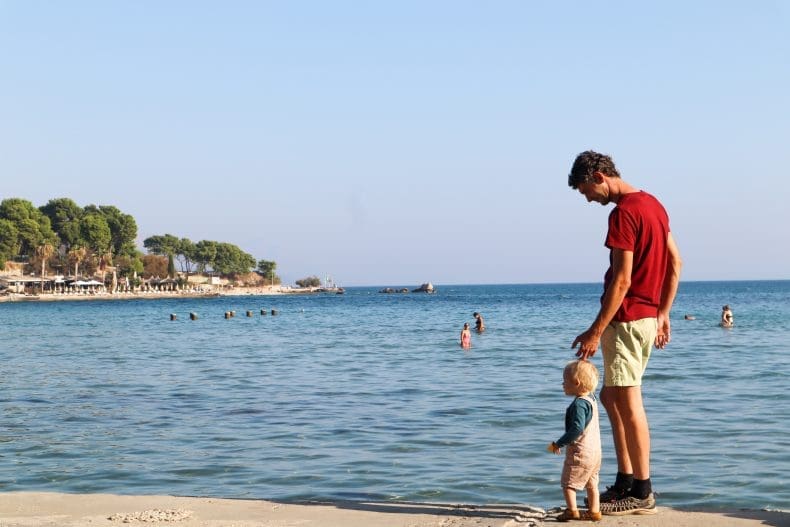
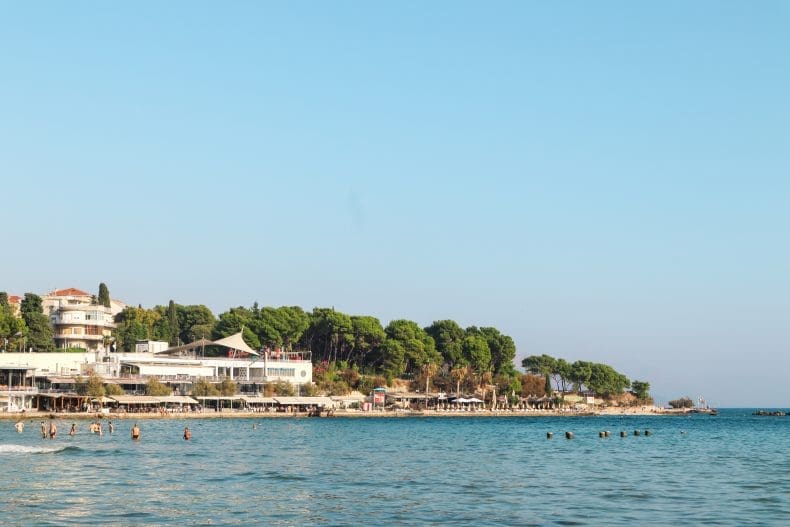
A sunny spot like Split naturally invites some beach time. Just next to the Old Town is Bačvice Beach, the city’s main beach. One part of Bačvice is a concrete platform with ladders into the sea, but the better part is a sandy beach with lively beach bars and public showers.
Other beaches in Split include Ovice and Firule, which are located further east of the Old Town. On the western side, you’ll find the green and hilly Marjan Peninsula, where several beaches are tucked away at its base—like Kasjuni Beach and the more centrally located Kaštelet Beach.
Of course, the most stunning beaches in the region are found on the Croatian islands just off the coast. For example, the island of Brač is home to some of the area’s most picturesque stretches of shoreline.
#8 The Special City Squares
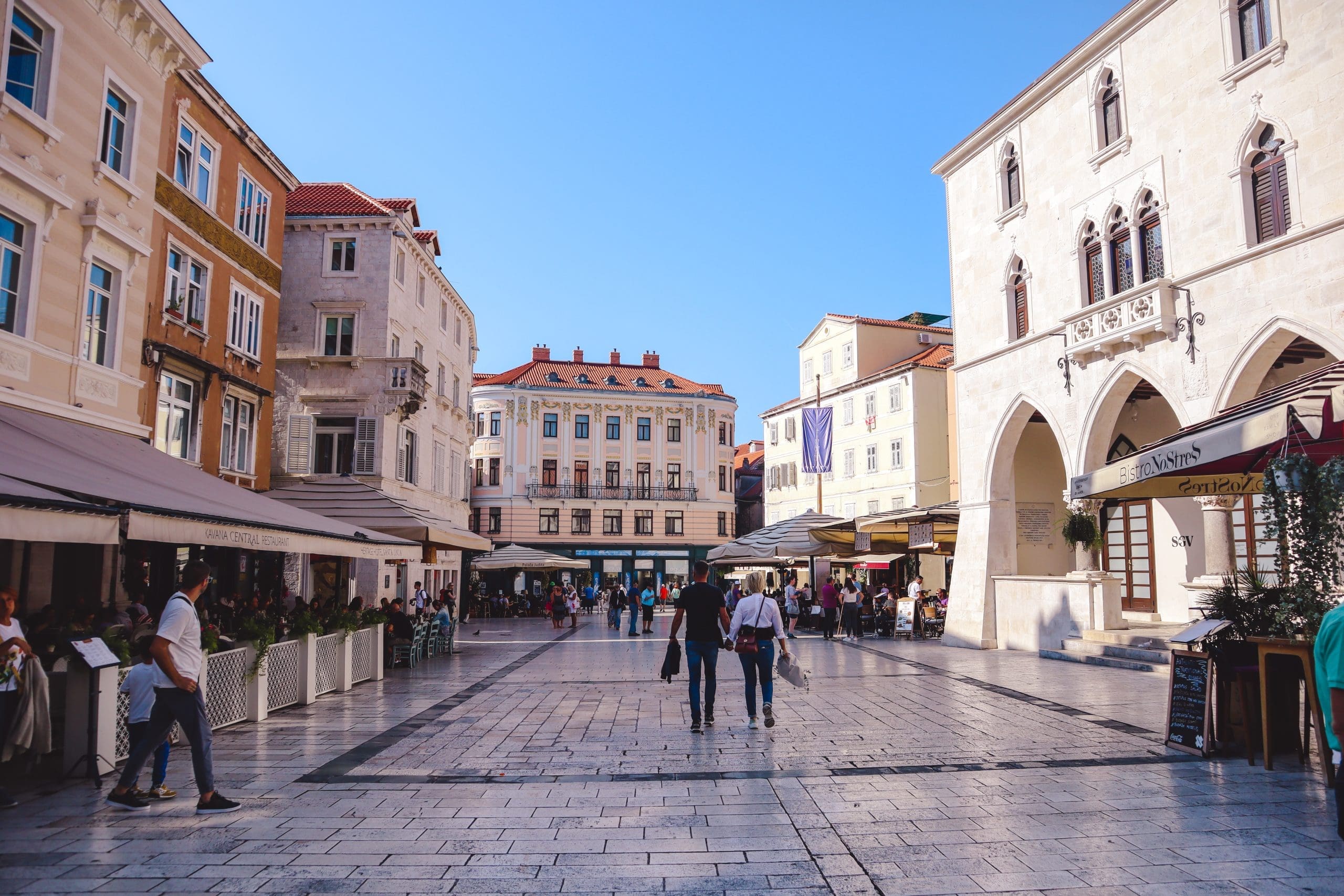
West of Diocletian’s Palace lies another part of the historic center, full of charming city squares like Trg Narodni, Trg Braće Radić, and Plaza de la República. As Split expanded beyond the palace walls, this western area became the heart of the medieval and modern city.
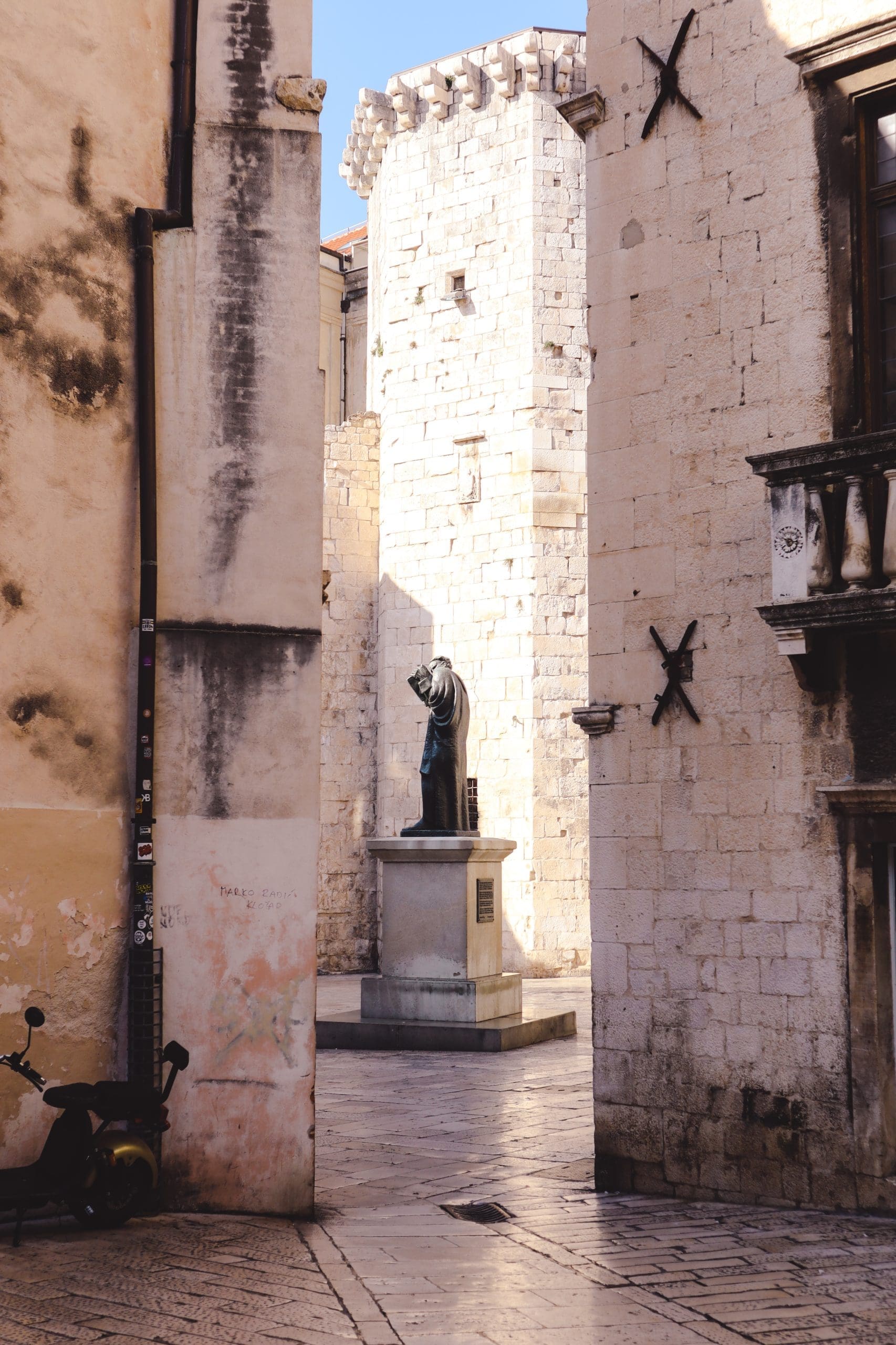
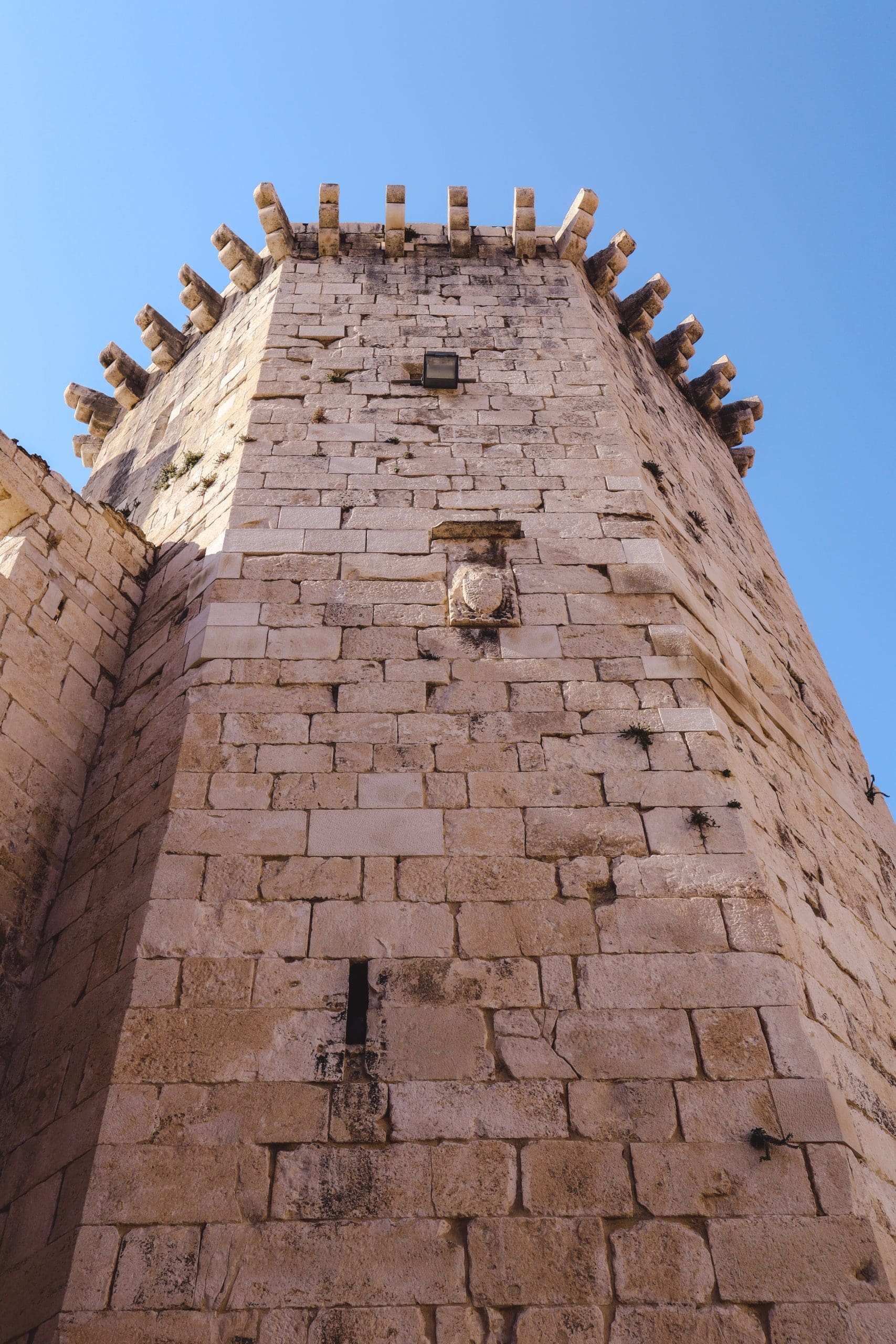
Trg Braće Radić, also known as Fruit Square, earned its nickname from the produce market that once took place here. Today, the square is best known for its impressive historic buildings. One standout is the Venetian Tower, a remnant of a 15th-century fortress built to protect the city.
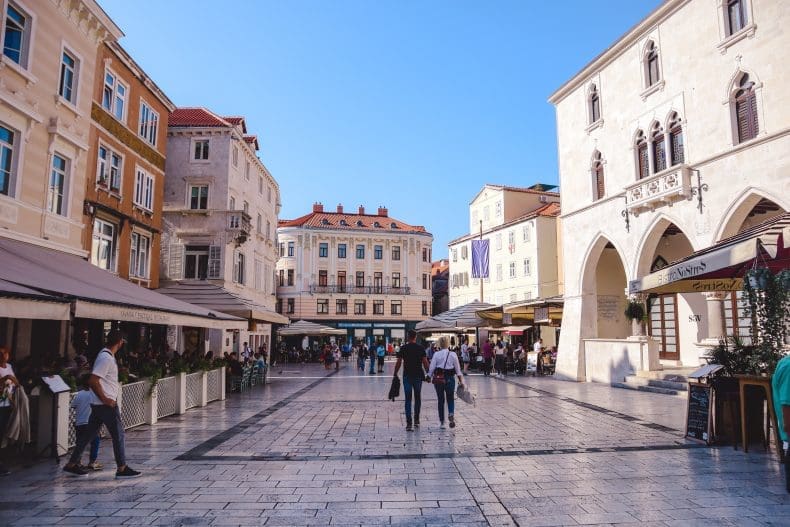
Trg Narodni, known locally as Pjaca, is another beautiful square in Split. Located just outside the Iron Gate of the Roman palace, it became a central point in the medieval town. You’ll find many important structures here, including the Old Town Hall, built in Gothic style, and several elegant palaces once owned by noble families.
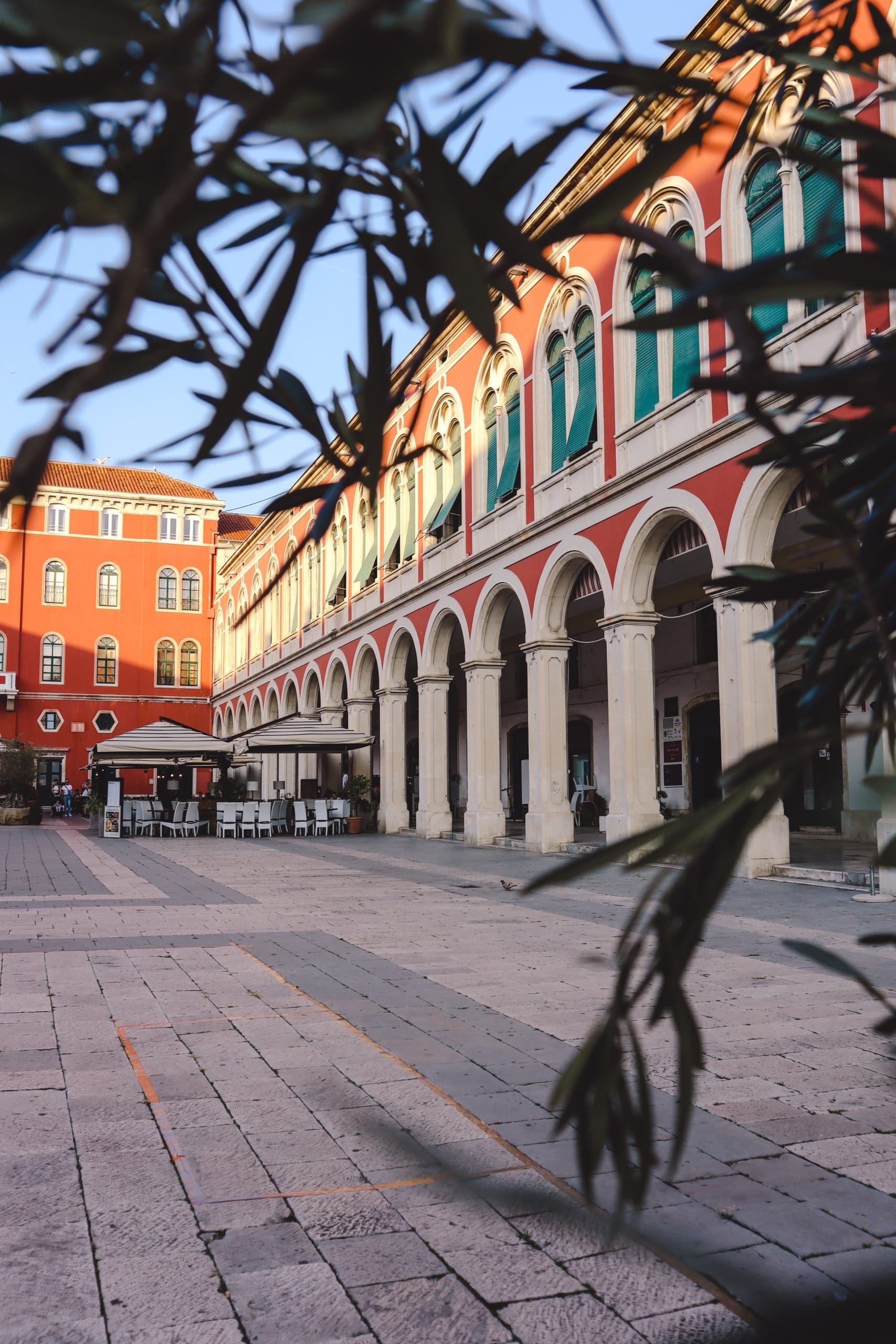
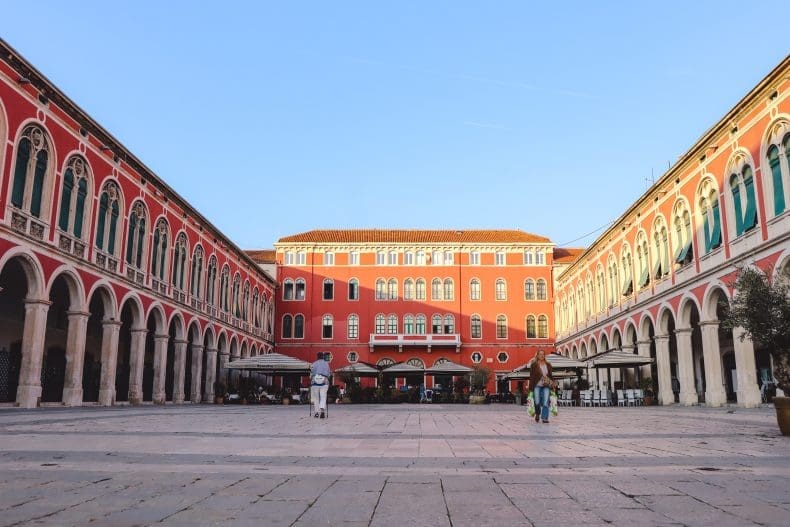
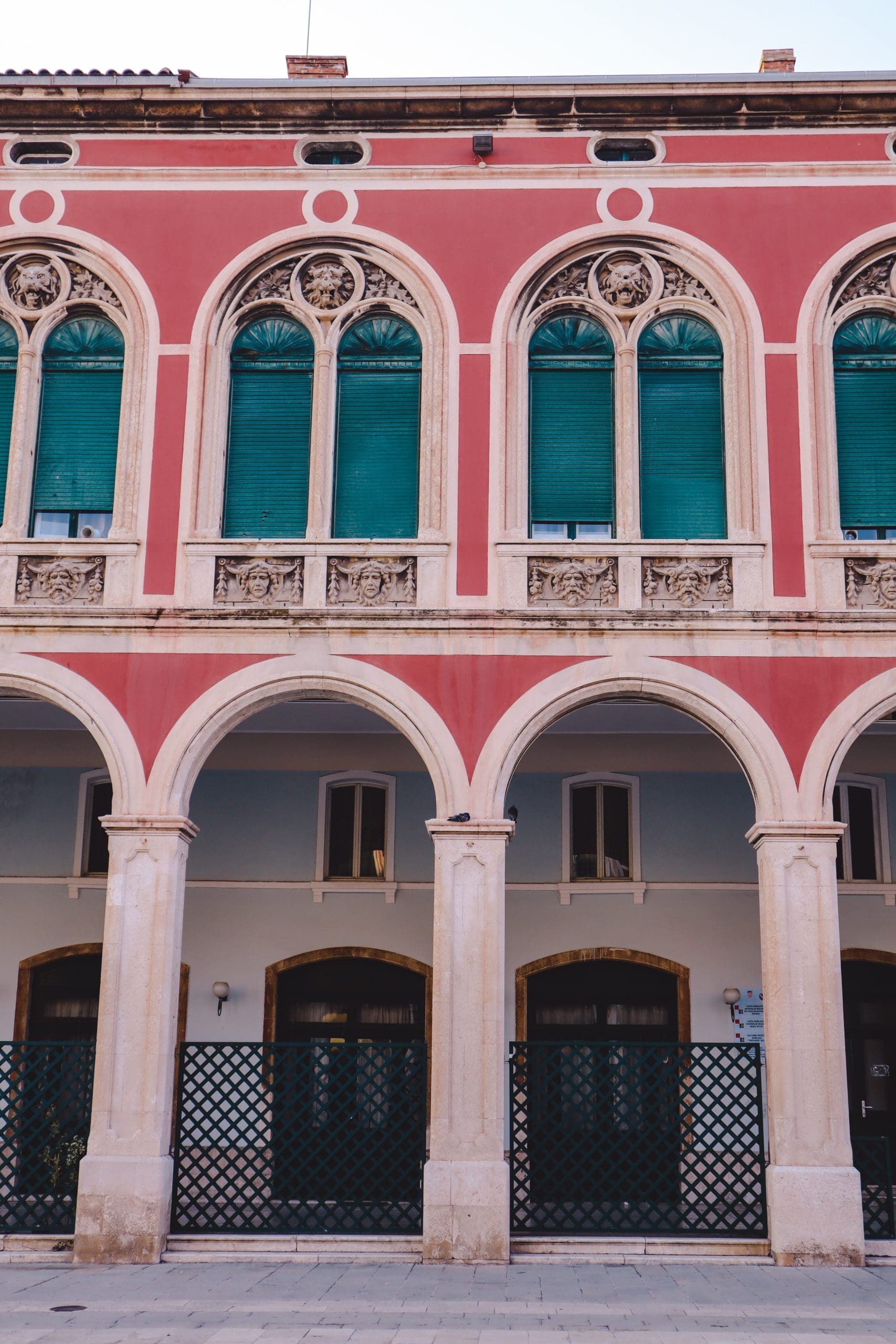
Then there’s the more modern but equally eye-catching Plaza de la República. This pink-hued square is framed on three sides by arcaded buildings, with the fourth side opening toward the harbor and the sea. It marks the end of the Riva boulevard and becomes a lively venue for festivals and events during the summer months.
#9 The Viewpoint on Marjan Hill
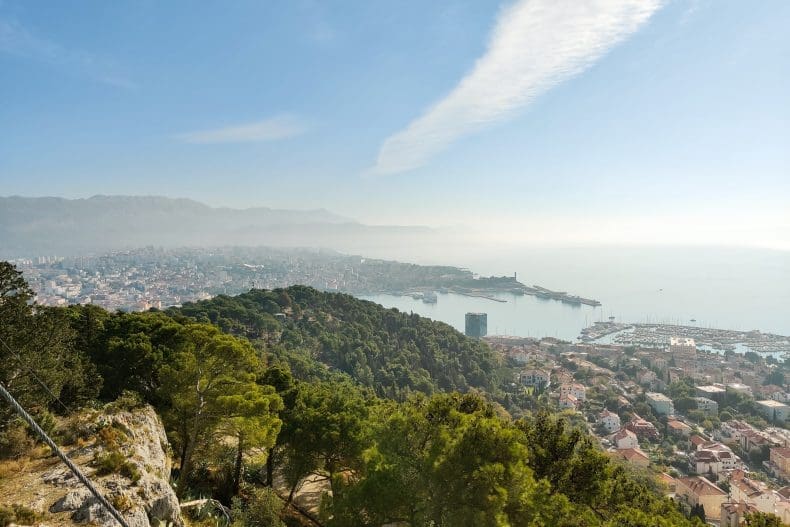
To the west of Split’s historic center lies Marjan Hill, often referred to as the city’s “green lung.” This forested park is a beloved retreat for both locals and visitors, offering walking trails, peaceful nature, and—best of all—stunning viewpoints over the coast and city.
That said, the spectacular view doesn’t come for free. The climb to the top is quite steep, especially under the hot summer sun. That’s why we recommend starting your walk early in the morning when the air is still cool. From the summit, you’ll enjoy panoramic views of the sea, the nearby islands, and the surrounding city. However, the dense trees block the view of the historic Old Town from the top.
If you’re mainly looking for a view over the Old Town itself, you don’t need to climb all the way to the top. One of the best viewpoints is much lower down the hill and offers a clear, picture-perfect view of Split’s red rooftops and ancient city walls.
#10 Local Markets & Hotspots
Amid the tourist bustle of Split, daily life continues—and nowhere is that more visible than at the city’s local markets. Just outside Diocletian’s Palace, near the Silver Gate, you’ll find the Green Market. Local farmers from around Split sell their fresh produce on simple stands. You won’t find overflowing displays here, but you will find seasonal vegetables that are truly local. Prices are usually fair, though vendors understandably raise them a bit during the busy summer months.
Another great stop is Ribarnica, the city’s fish market, located near the main shopping street. It’s open only in the morning, so come early if you want the best selection. After midday, sellers begin offering discounts to clear their remaining stock—an ideal time to grab a bargain.
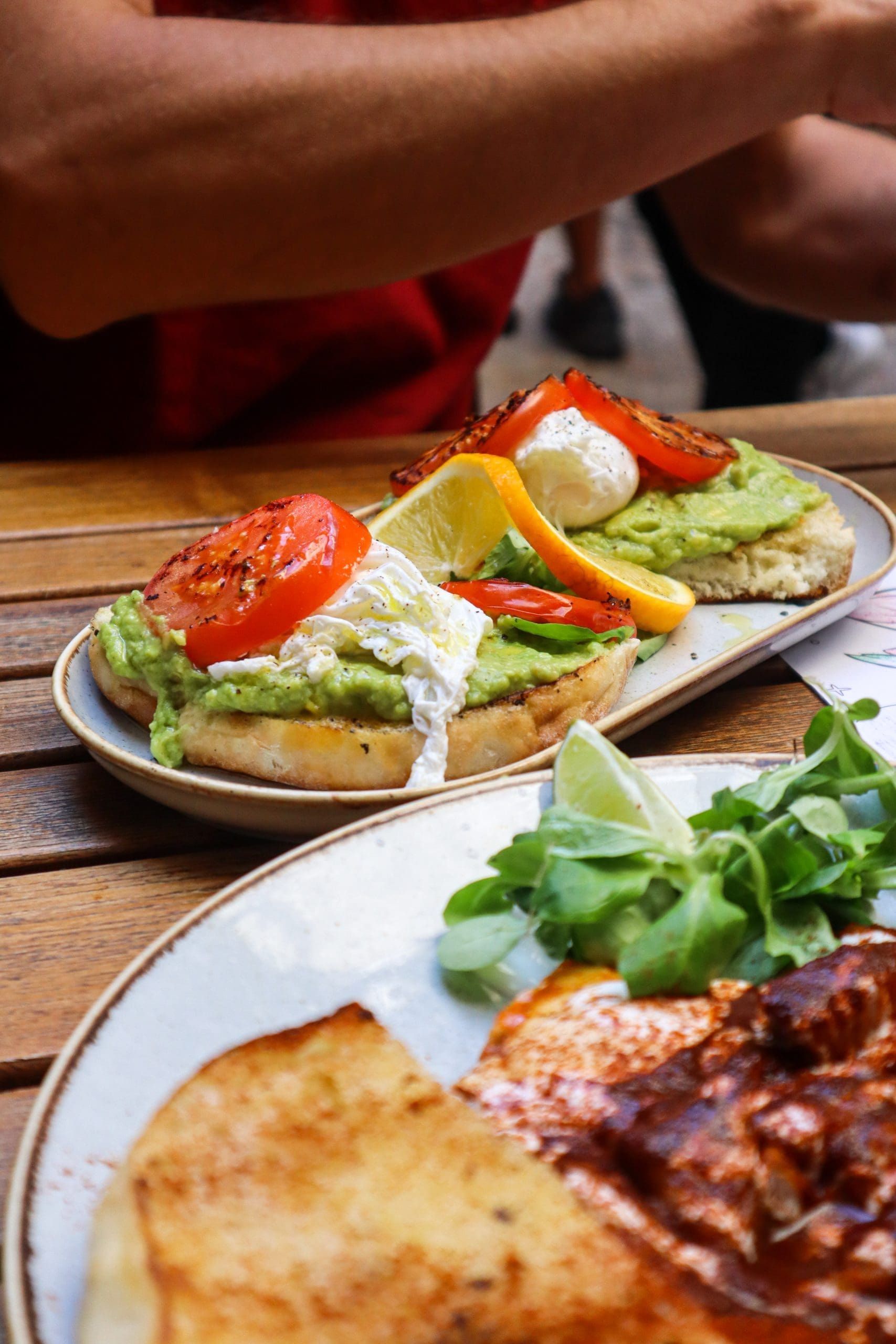
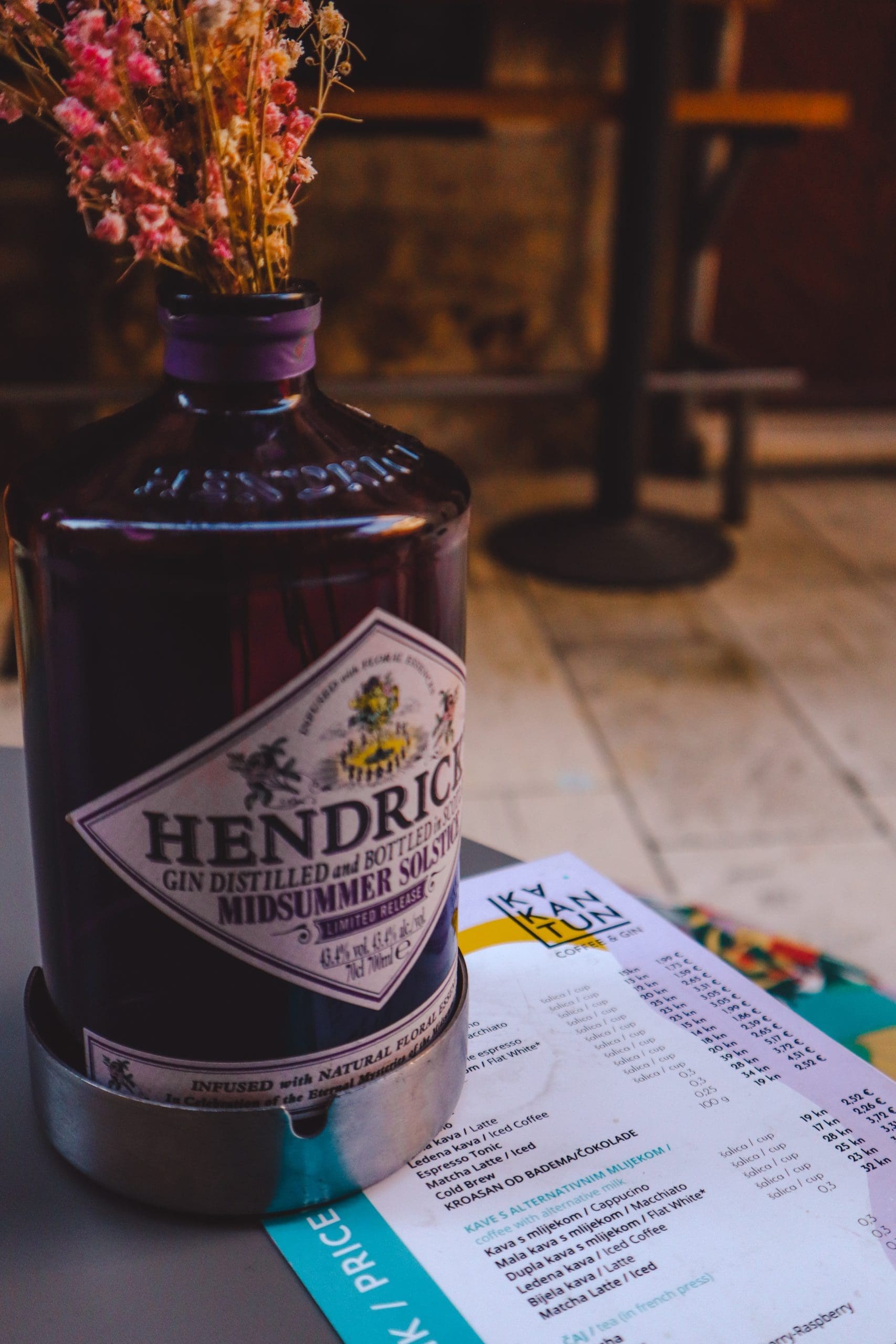
You can buy plenty of fresh food at these markets, but unfortunately, there’s not much you can eat on the spot. If you’re on the hunt for great food and drink spots in Split, we recommend steering clear of the tourist traps along the Riva. For quality specialty coffee, check out D16, Tinel, or KaKantun. If you’re just after a quick takeaway, head to Mestar o’Kave or 4 Coffee. And for a solid start to your day, we can wholeheartedly recommend Fig—their breakfast and brunch menu is delicious, the prices are fair, and the portions are generous.
Things to Do from Split
Split is not only a fantastic destination in itself—it’s also the perfect base for exploring nearby highlights. Right on the edge of the city, you’ll already find impressive sights like the Klis Fortress, made famous by Game of Thrones, or the ancient Roman ruins of Salona. But there are even more special destinations a little further out, all easily reached from Split.
The easiest way to explore the area is with a rental car from Split Airport, but you can also use public transport or join organized day trips if you don’t have your own wheels.
#11 The Croatian Islands
Croatia’s coastline is famous for its dreamy islands, turquoise bays, and hidden caves—many of which are just a short boat ride from Split. One of the most popular islands nearby is Brač, where you can drive around exploring quaint villages, scenic beaches, and quiet coves. The island is also well known for its white limestone, which was used to build much of Split’s Old Town. You can easily reach Brač by ferry from Split.
Another must-see island is Hvar, known for its luxury yachts, vibrant nightlife, and celebrity visitors. But Hvar isn’t just for party-goers—this large island also boasts untouched nature, charming towns, and breathtaking scenery. Whether you’re looking for glamour or serenity, Hvar has something to offer.

#12 UNESCO Town of Trogir
Trogir is without a doubt our favorite destination in Croatia. No other place along the Dalmatian coast feels quite as romantic or photogenic as this charming town. The historic center of Trogir is located on a small island just off the mainland. Thanks to bridges that connect it to both the modern city and the mainland, it’s easy to reach—and one of the most beloved tourist spots in the country.
Because of its strategic location, Trogir was fiercely contested throughout history. Various rulers left their mark on the town’s appearance—especially the Venetians—and that rich mix of influences is reflected in the architecture of its stunning Old Town. It’s no surprise that the entire city center has been added to the UNESCO World Heritage List.
Wandering through Trogir’s narrow alleyways is like stepping back in time. The Old Town was intentionally designed as a maze to confuse potential invaders. Even today, it’s easy for visitors to lose their bearings—but that’s part of the charm. Getting lost in Trogir is one of the best things you can do here. Eventually, you’ll always find your way back to the beautiful cathedral or the Riva promenade along the waterfront, where plenty of inviting terraces await.


#13 The Krka Waterfalls
Krka National Park is one of the most breathtaking natural landscapes in Croatia, and it’s only about an hour’s drive from Split. The park’s biggest draw is its series of dramatic waterfalls. The most famous of these is Skradinski Buk, so iconic that people often refer to it simply as “the Krka waterfall”—just like the park itself.
This spectacular cascade stretches over 100 meters wide, with water tumbling down multiple levels into emerald-green pools below, where small fish swim just beneath the surface. While swimming here is no longer allowed, it’s still a beautiful spot to experience. A wooden boardwalk winds around the area, letting you walk a full loop around the falls in about an hour. Be prepared, though—it can get quite crowded, especially in peak season.
For an extra memorable visit, we recommend entering the park via Skradin. Unlike the Lozovac entrance, where you walk straight to the falls, the Skradin route includes a free 25-minute boat ride that glides along the river, offering a peaceful and scenic approach to the park.
There’s much more to see in Krka National Park than just Skradinski Buk. With several other waterfalls and natural sights to explore, it’s well worth dedicating a full day to this trip from Split.

#14 Mostar in Bosnia
Bosnia and Herzegovina is just around the corner from Split, and one of its top attractions—Mostar—makes for a fantastic day trip. The drive takes about 2 hours and 15 minutes, and if you don’t have a rental car, there are plenty of organized tours available to take you there and back comfortably.
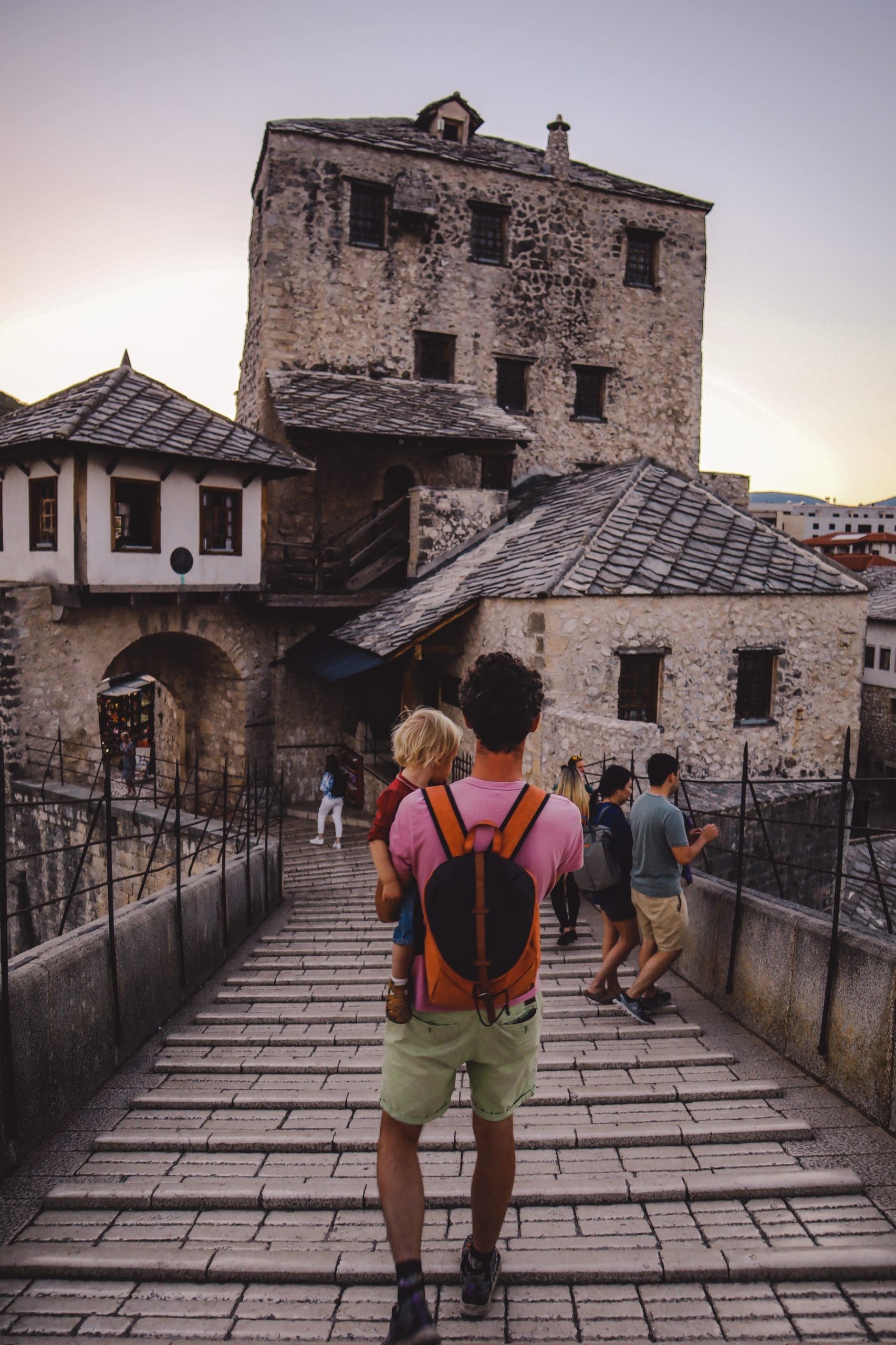
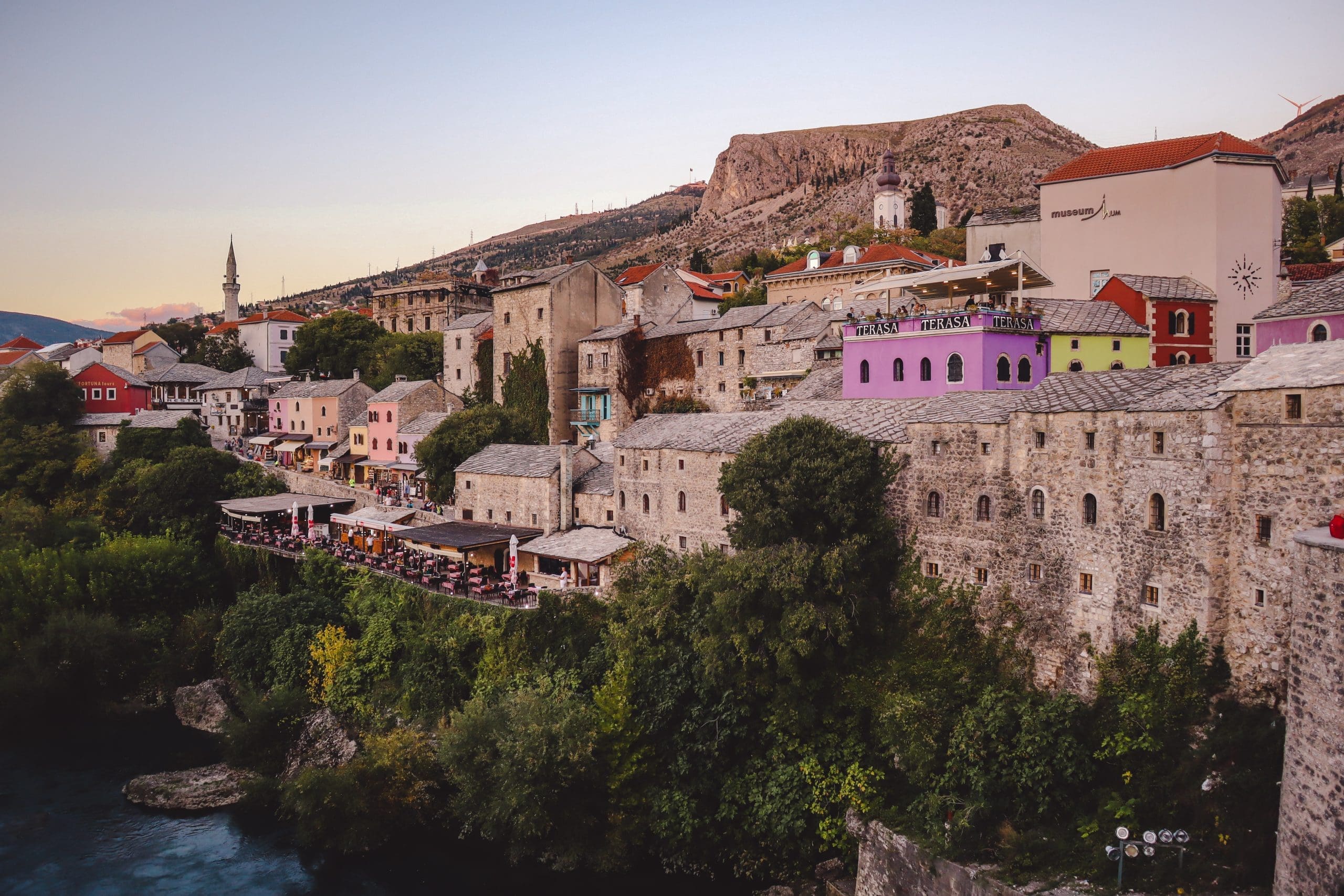
So what makes Mostar so special? Its iconic Old Bridge, a symbol of the city that has earned a place on the UNESCO World Heritage List. Interestingly, the bridge you see today isn’t the original—it’s a faithful reconstruction. The centuries-old structure was destroyed during the war in the 1990s, and much of the Old Town was reduced to rubble. Since then, Mostar has been painstakingly restored, and walking through it feels like stepping into a living museum.
The bridge, which connects the two sides of the city, is the highlight of any visit. Be sure to walk across it—and also view it from below by heading down to the riverbank, where you’ll find the best photo opportunities. The surrounding streets are filled with charm, lined with shops and cafés that look as though they’ve stood there for centuries.
Other sights in Mostar include the smaller Old Bridge, a sort of mini version of its famous sibling, the mosque with a climbable minaret offering sweeping views, and the city’s urban art scene, especially the murals and graffiti near the Sniper Tower—a stark reminder of the city’s more recent history.

#15 Historic Sibenik
Just an hour’s drive from Split lies Šibenik, another historic gem along the Dalmatian coast. What makes Šibenik unique is that it’s one of the oldest towns founded by native Croats—unlike many other coastal cities that date back to Greek or Roman times. While its recorded history begins a bit later, that certainly doesn’t make the Old Town any less beautiful or charming.
Reading tip: check out our tips for visiting Šibenik.
The Old Town of Šibenik is a maze of narrow alleys, stone staircases, quaint squares, historic churches, and winding shopping streets. It’s almost completely car-free, and one look at the narrow passageways makes it clear why. Exploring the town on foot is by far the best way to experience it—every corner seems ready for a photo. Colorful shutters, potted plants, and old wooden doors all add to the city’s authentic charm. Unsurprisingly, Šibenik was chosen as a filming location for Game of Thrones. The Old Town stood in for the city of Braavos, where Arya’s story unfolded in Season 5.
What shouldn’t you miss in Šibenik? Besides simply wandering through the picturesque streets, make sure to visit the city’s famous cathedral, which is listed as a UNESCO World Heritage Site. Other top sights include Šibenik’s four fortresses, the beautiful Renaissance town hall, and the lovely Republic of Croatia Square, which is perfect for sitting down with a coffee and soaking in the atmosphere.


#16 Coastal town of Zadar
As one of the lesser-visited towns on the Dalmatian coast, Zadar might not be the first destination that comes to mind for a day trip from Split—but don’t let that fool you. This coastal city is packed with charm, history, and unique sights, along with plenty of cozy cafés and vibrant terraces.
Zadar’s roots go back to ancient times, and you can still see that history clearly in its well-preserved landmarks. At the heart of the city lies the Roman Forum, once the central square during Roman times. Right next to it stands the Church of Saint Donatus, a striking round building that dates back to the 9th century. Step inside to admire its architecture, and don’t miss the chance to climb the steps around its outer colonnade for a unique perspective. The bell tower next to Saint Donatus doesn’t belong to the church itself, but to the Zadar Cathedral just beside it.
But Zadar is perhaps best known for something far more modern: the Sea Organ. What is that, exactly? This fascinating installation is located at the edge of Zadar’s Riva promenade. From a distance, it looks like a simple set of steps leading into the sea. But hidden within those steps is a musical instrument powered by the waves. As the sea flows in and out, the organ produces a haunting, melodic sound that’s unlike anything else. Visitors often sit here quietly, just to listen.
Right next to the Sea Organ is another remarkable creation by the same artist: Greeting to the Sun. This circular art piece is embedded with solar panels that store energy during the day and transform it into a dazzling light show after dark. The glowing display, synchronized with the sounds of the Sea Organ, makes Zadar’s waterfront a magical place to end your day.