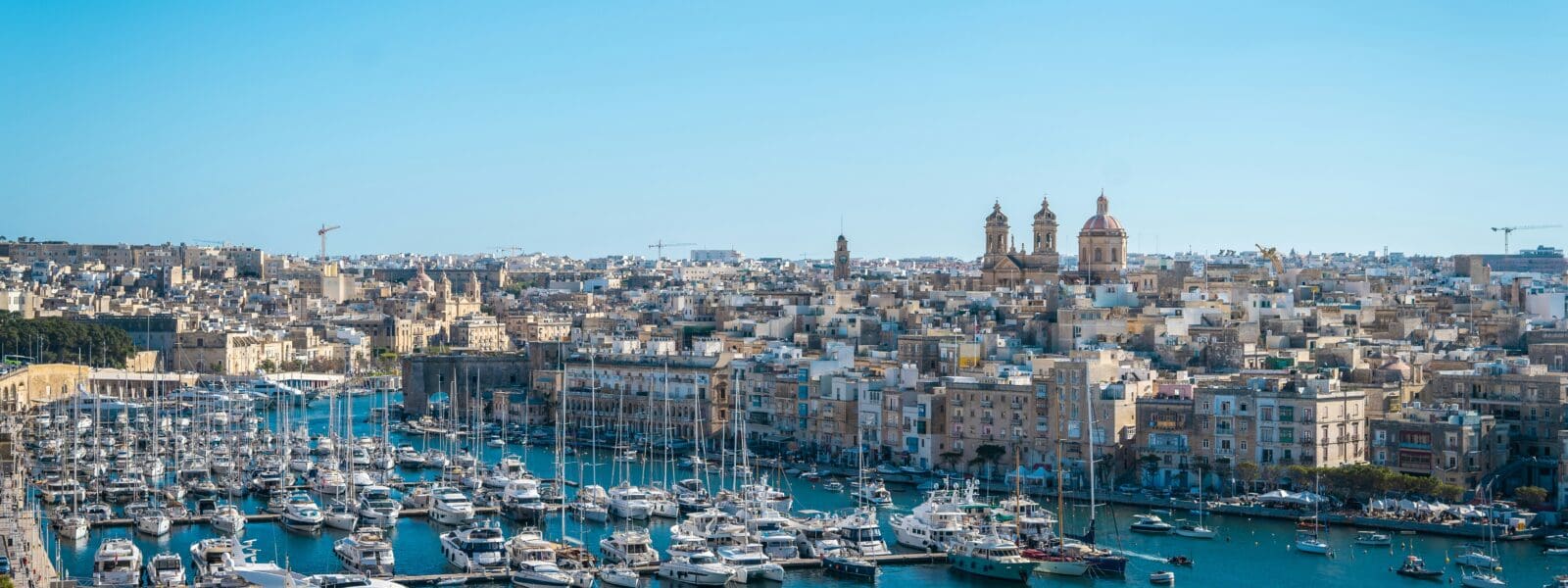
The Three Cities are among Malta’s best-kept secrets. While they are known to visitors, they never feel as crowded as Valletta or Mdina, making them the perfect place to experience the authentic charm of old Malta. Here, narrow, winding streets weave through centuries-old limestone houses, their facades adorned with colorful wooden balconies that catch the golden light of the Mediterranean sun.
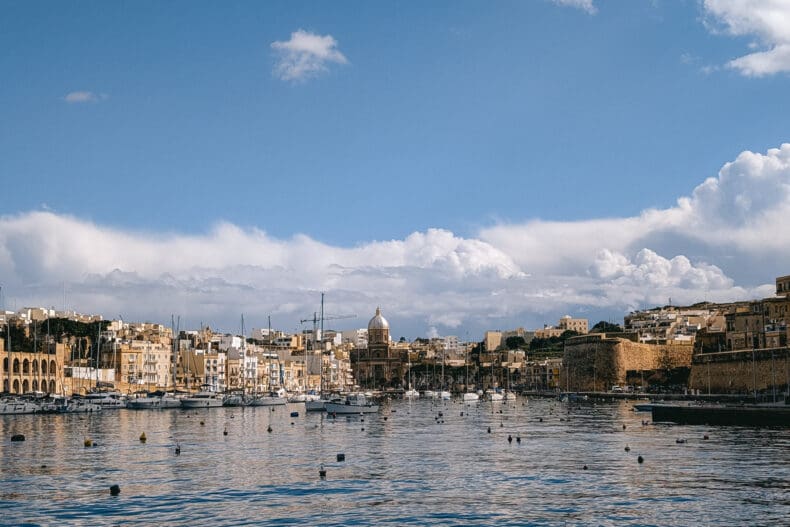
Along the waterfront, traditional fishing boats gently bob beside sleek luxury yachts, with the imposing Fort St. Angelo standing proudly in the background. In Birgu, you’ll wander the same cobbled streets once walked by the Knights of St. John. From Senglea’s Gardjola Gardens, you’ll be treated to one of the most breathtaking views of Valletta. And in Cospicua, towering fortress walls serve as a striking reminder of the countless sieges this historic area has withstood.
The Three Cities are more than just a glimpse into the past—they offer a living, breathing history filled with atmosphere, character, and hidden stories waiting to be discovered. In this blog, explore what connects these three iconic harbor towns and uncover the best things to see and do while immersing yourself in their timeless beauty.


Where are the Three Cities in Malta?
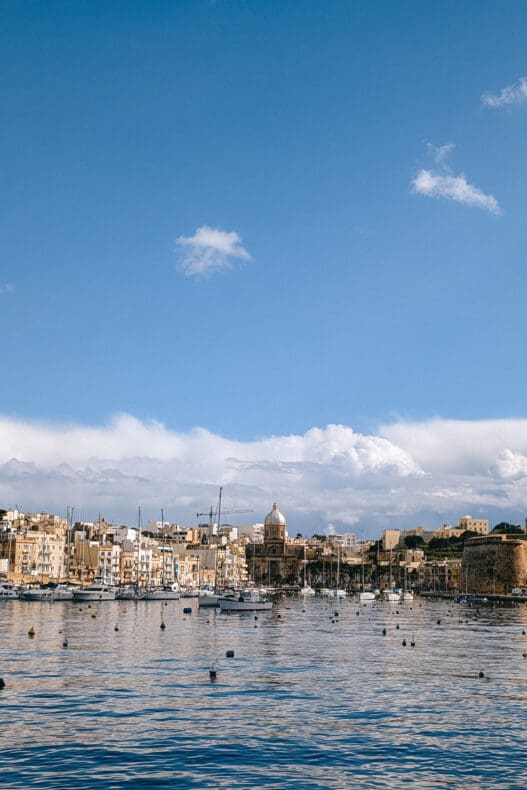
The Three Cities sit proudly on the Grand Harbour, directly across from Valletta. Comprising Birgu (Vittoriosa), Senglea (Isla), and Cospicua (Bormla), these historic towns extend into the harbor like three slender peninsulas reaching toward the sea. From Valletta, their striking fortifications and centuries-old architecture are impossible to overlook—stand along the waterfront or at the Upper Barrakka Gardens, and you’ll see their imposing walls and grand bastions calling you to step back in time.
There are several ways to reach the Three Cities, but the most scenic—and arguably the most enjoyable—is by ferry from Valletta. Departing from Lascaris Wharf, the ferry glides across the harbor in just five minutes, offering spectacular views along the way. Want to add a touch of tradition to your journey? Step into a dgħajsa, a colorful Maltese gondola, for a charming and affordable ride across the water—just as locals have done for centuries.
If you prefer to drive, you can reach the Three Cities by (rental) car, but be prepared for narrow streets and limited parking. Fortunately, you’ll often find spaces along the waterfront or at the outskirts of the towns. Once there, the best way to explore is on foot—these atmospheric streets are made for strolling, not driving.
For a relaxed and hassle-free experience, consider the hop-on hop-off bus, which has multiple stops in and around Birgu, Senglea, and Cospicua. Even better, take the hop-on hop-off boat, which cruises through the Grand Harbour, treating you to breathtaking views of the towering fortress walls along the way. Both options are perfect if you want to explore the Three Cities at your own pace while also discovering other highlights of Malta.
Tip: The Three Cities make a fantastic base for exploring Valletta and the rest of Malta. Staying here means waking up in a breathtaking historic setting—without the crowds of mass tourism. Valletta is just a short ferry ride away, and with a quick drive or bus journey, you can easily reach other stunning destinations on the island. Plus, the Three Cities boast some truly beautiful yet affordable accommodations, such as Palazzino Birgu B&B in Birgu, Cugo Gran Macina Grand Harbour in Senglea, and Nelli’s B&B in Cospicua. For more recommendations, check out our where to Stay in the Three Cities guide.


What are the Three Cities?
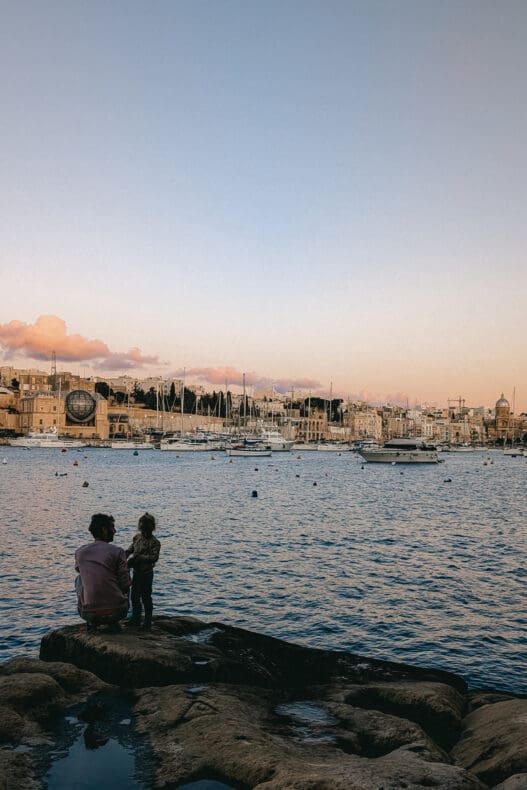
The Three Cities—Vittoriosa (Birgu), Senglea (Isla), and Cospicua (Bormla)—are historic treasures nestled on the eastern side of the Grand Harbour, directly across from Valletta. Together, they make up one of Malta’s oldest and most authentic regions, where history isn’t just preserved—it’s woven into the very streets. As you stroll through their winding alleys, you’ll be surrounded by towering fortress walls, picturesque marinas, and an atmosphere so rich in heritage that it feels like stepping back in time. But what ties these three cities together, and why are they seen as one?
Peninsulas in the Grand Harbour
The location of the Three Cities is no accident. For centuries, the peninsulas of the Grand Harbour have been a prime hub for trade, seafaring, and military defense. When the Order of St. John (the Knights of Malta) arrived in 1530, they wasted no time in establishing themselves in Birgu, which was already a thriving port city. They strengthened its defenses, constructed the formidable Fort St. Angelo, and made it their first capital on the island.
Over time, the neighboring settlements also grew. Senglea was fortified with imposing walls and became a town in its own right, while Cospicua served as an extra layer of defense against potential invaders. Their combined strategic position made the Three Cities nearly unbreakable—a fact that proved crucial during the Great Siege of 1565. For weeks, the Ottoman army launched relentless assaults, determined to seize the cities. But despite their superior numbers, they failed to breach the steadfast defenses, marking one of Malta’s most legendary victories.
One Big Fortress
Although Birgu, Senglea, and Cospicua are officially separate cities, they have been known collectively as the Three Cities for centuries. Nestled side by side along the Grand Harbour, they share a deep, intertwined history and are physically connected through their formidable fortifications.
Over the centuries, Birgu, Senglea, and Cospicua became ever more intertwined, largely due to their shared defense network. Surrounded by the same fortified walls, safeguarded by the same bastions, and strengthened by imposing forts, they functioned as a single, impenetrable stronghold—one that stood the test of time. But their connection wasn’t just military; it was also deeply rooted in trade and maritime activity. As the Grand Harbour flourished into Malta’s thriving center of commerce and seafaring, all three cities reaped the rewards of their strategic location. Together, they became an economic powerhouse and the cultural heart of Malta. The Knights of St. John built their first palaces and churches here, leaving behind an enduring legacy of grand architecture and historical significance. Centuries later, the British reinforced the Three Cities’ importance by establishing key naval bases, further embedding them in Malta’s rich maritime history.
Today, the Three Cities remain one of Malta’s most captivating and authentic destinations. Here, you can immerse yourself in the true soul of Malta, far from the hustle and bustle of Valletta. Stroll through centuries-old alleyways, uncover the stories hidden within towering fortresses, and soak in breathtaking views over the Grand Harbour. A visit to these historic cities isn’t just a sightseeing trip—it’s a journey through time.
How to Explore the Three Cities
The Three Cities are filled with awe-inspiring fortresses, centuries-old churches, and captivating museums. You can explore the mighty Fort St. Angelo, step inside the Inquisitor’s Palace, or take a moment to admire the beauty of the Senglea Basilica. But, to be honest? That’s not the real reason to visit. The true enchantment of the Three Cities isn’t in any single landmark—it’s in the atmosphere they create together.
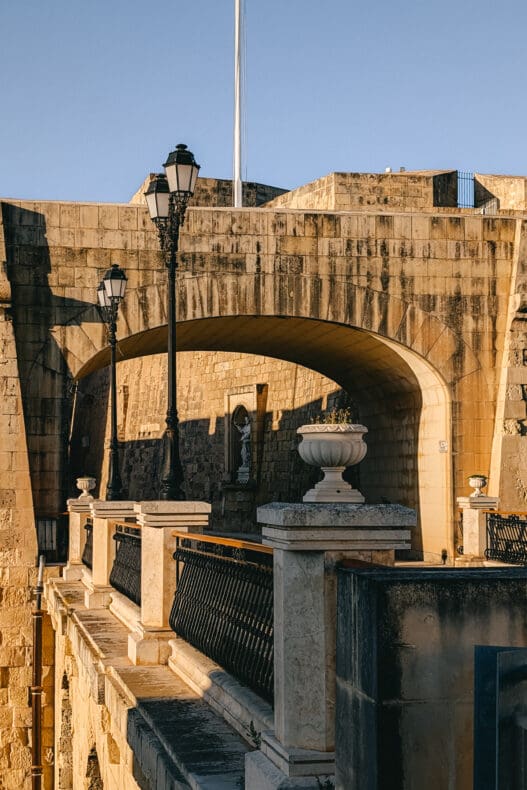
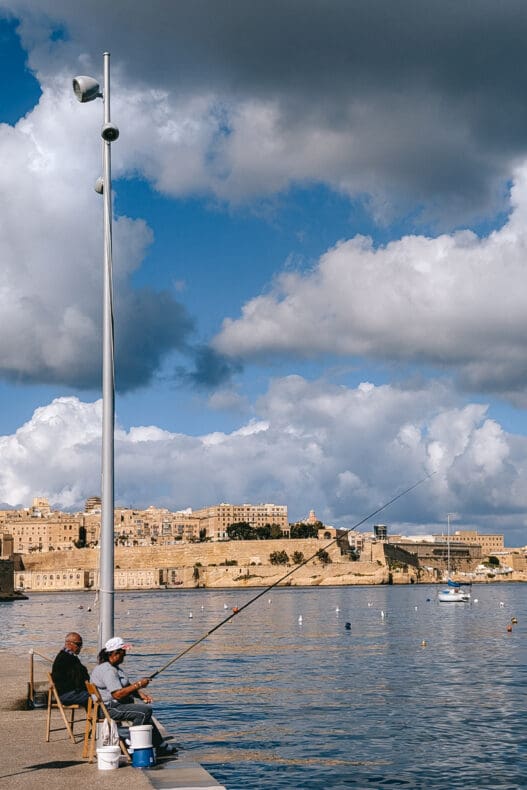
This is a place best discovered through simply wandering. Start at the Birgu Waterfront, where you can enjoy a leisurely walk along the coast, taking in the striking contrast between sleek luxury yachts and colorful traditional Maltese fishing boats bobbing gently in the water. From this vantage point, you’ll be treated to breathtaking views of the Grand Harbour, with the majestic skyline of Valletta just visible in the distance. Then, venture deeper into the heart of the cities, passing through ancient city gates and wandering along charming narrow streets, where the hustle and bustle of modern life seems a world away.
The Three Cities offer a rare glimpse into the true essence of Malta—a maze of cobblestone alleys, timeless stone houses, and vibrant wooden balconies painted in every shade of the rainbow. The pace here is unhurried, with an atmosphere that invites you to slow down and soak in the sights. Free from the crowds of typical tourist spots, this place exudes authenticity, character, and a sense of being timeless, making it a truly unforgettable destination.
Craving a view that will take your breath away? Head to the Gardjola Gardens in Senglea. From this vantage point, you’ll be rewarded with sweeping, panoramic views of the Grand Harbour and Valletta. Take a moment to sit on a bench, relax, and soak in the beauty. This is Malta at its absolute best. For another stunning perspective, make your way down to the rocky outcrops at the base of Fort St. Angelo, where the vistas are just as spectacular.
Afterward, wind down at a cozy café by the water. Enjoy a refreshing drink and treat yourself to a pastizzi—Malta’s iconic savory pastry filled with creamy ricotta or savory pea paste. As you sip and savor, let the peaceful atmosphere wash over you. Watch the boats drift by and realize that the Three Cities aren’t about ticking off tourist attractions. They’re about fully embracing the experience and letting the place’s charm seep into your soul.

Top Sights of the Three Cities
#1 Fort St. Angelo
Fort St. Angelo stands as the unmistakable symbol of the Three Cities, a towering fortress that dominates the tip of Birgu and gazes out over the vast expanse of the Grand Harbour. Its significance in Malta’s history is undeniable, as it has witnessed and shaped many pivotal moments throughout the centuries.
A castle has stood on this site since medieval times, but it was in the 16th century that the Knights of the Order of St. John took command. They strengthened the structure and transformed it into their primary military headquarters. The fort played a heroic role during the Great Siege of 1565, when it successfully resisted a prolonged Ottoman assault. Had the fort not stood strong, Malta would likely have fallen into Ottoman hands, changing the course of history.
Today, visitors can stroll through the fort’s expansive grounds, marveling at the imposing limestone walls that have stood the test of time. From its highest points, you’re rewarded with some of the most stunning panoramic views of the Grand Harbour and Valletta. Inside, explore hidden underground tunnels, see the remnants of ancient cannons, and step into a charming chapel. The entrance is paid.
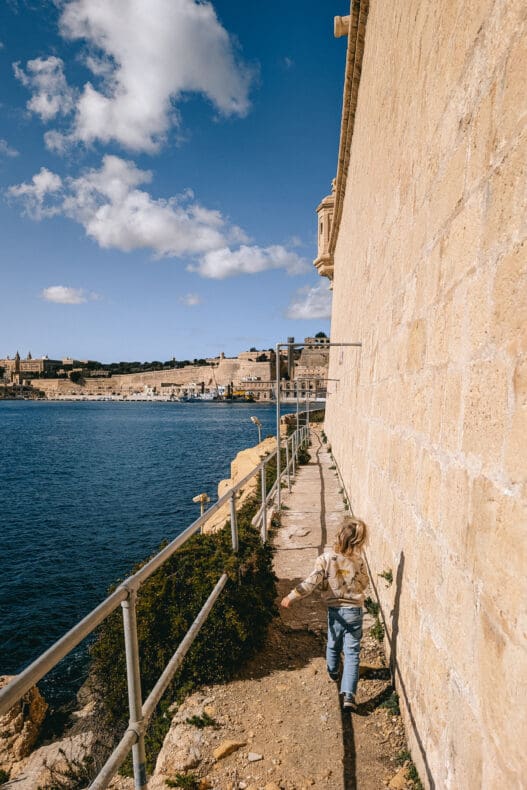
Tip: Don’t miss the path beside the fort’s entrance, which runs along the monumental walls. It leads to a peaceful viewpoint where you can admire the breathtaking views of Valletta, watch ferries and ships glide by, and simply soak in the tranquil beauty of the harbor. It’s an unmissable spot to fully appreciate the magic of this historic site.

#2 Gardjola Gardens
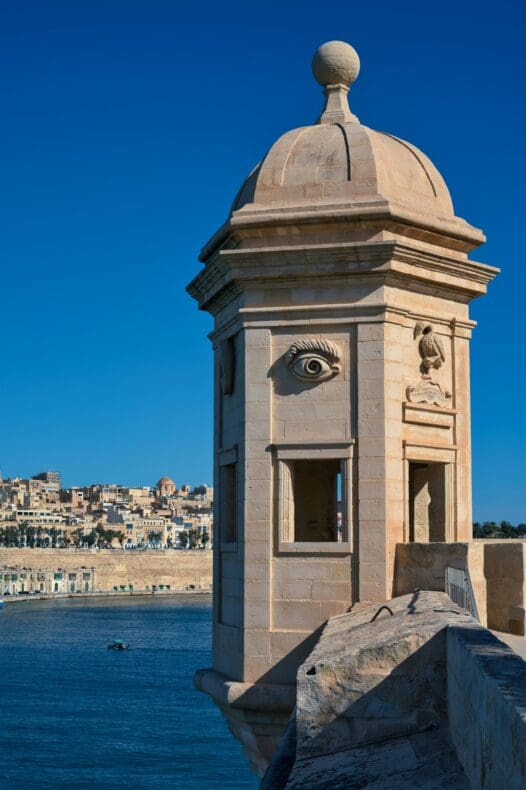
At the tip of the Senglea peninsula, overlooking the shimmering Grand Harbour, you’ll discover the Gardjola Gardens—widely considered one of the most beautiful green spaces in Malta. Established in 1551 by Grandmaster Claude de la Sengle, these gardens were created as a peaceful sanctuary for the Knights of St. John, offering them a much-needed escape from the demands of military life.
The most striking feature of the gardens is the iconic watchtower, the ‘gardjola’, perched at the very edge of the peninsula. This tower, decorated with symbols like an eye and an ear, serves as a poignant reminder of the vigilant guards who once stood watch, scanning the horizon day and night for any approaching threats. From the top of the tower, you’re treated to sweeping, panoramic views of Valletta, the Grand Harbour, and the forts of the Three Cities—a truly breathtaking sight that brings Malta’s rich maritime history to life.
The tranquil ambiance of the gardens makes it the perfect place for a peaceful pause during your exploration. Take a moment to sit on one of the benches, letting the calm atmosphere wash over you as the soft sound of the nearby fountain fills the air. Open year-round and free to visit, the Gardjola Gardens are an essential stop for anyone seeking to experience the serene beauty and history of the Three Cities.

#3 Birgu Waterfront
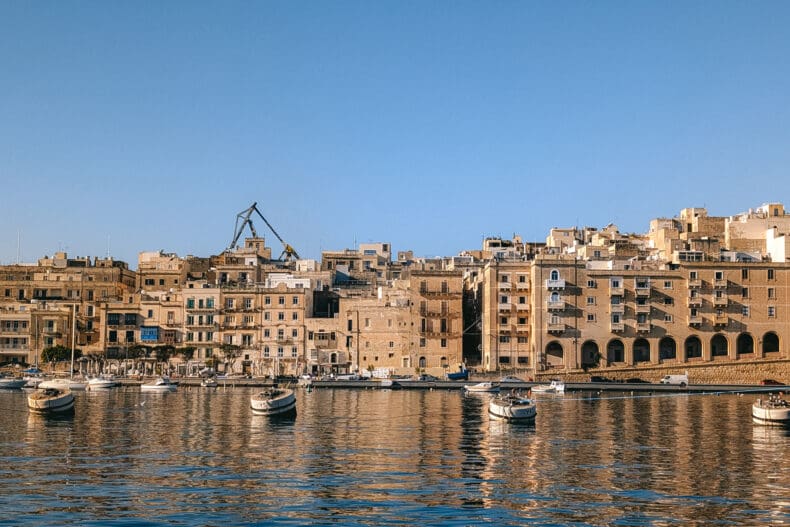
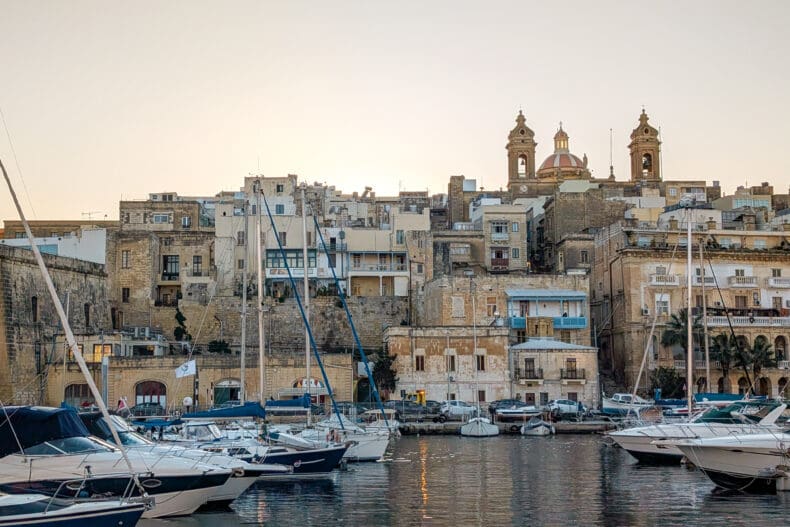
The Birgu Waterfront is a captivating fusion of the old and the new. On one side, you’ll be greeted by centuries-old buildings that once served the Knights of the Order of St. John, while on the other, sleek luxury yachts and colorful Maltese fishing boats gently sway in the harbor. This picturesque promenade along the water is the perfect place for a relaxed stroll, offering a delightful contrast between history and modern life.
Along the quay, you’ll find a selection of charming restaurants and cafés, where you can unwind with a freshly brewed coffee or sip a glass of local wine while soaking in the atmosphere. As evening falls, the area takes on a magical glow. The historic buildings light up beautifully, and the soft reflections of the lights dance across the water, creating a cozy, intimate vibe. It’s the perfect spot to end your day in the Three Cities.
For a truly special experience, why not take a ride on a traditional ‘dgħajsa’, a Maltese gondola? These iconic boats will take you on a scenic journey to Valletta or along the harbor, offering a unique and unforgettable perspective of both the city and the shimmering waters.
#4 Traditional Streets and Architecture
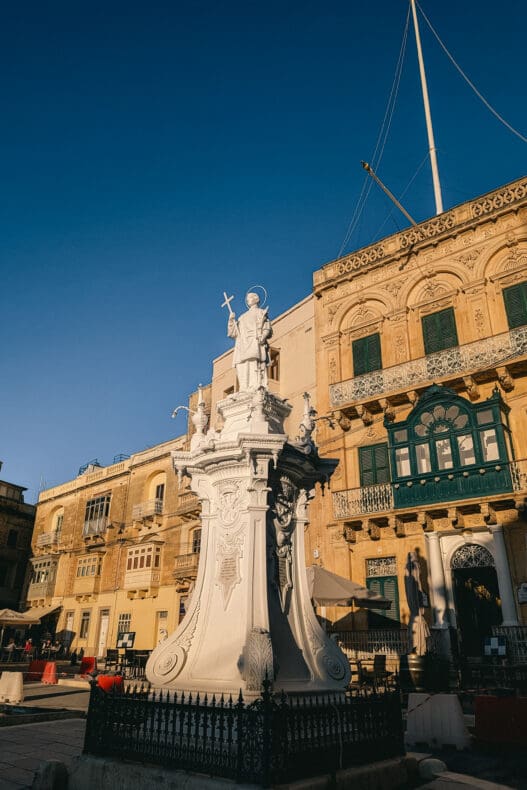
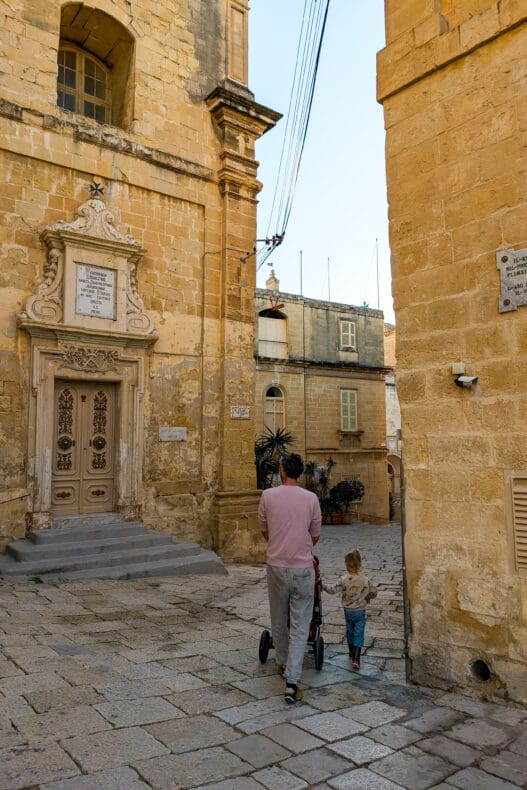
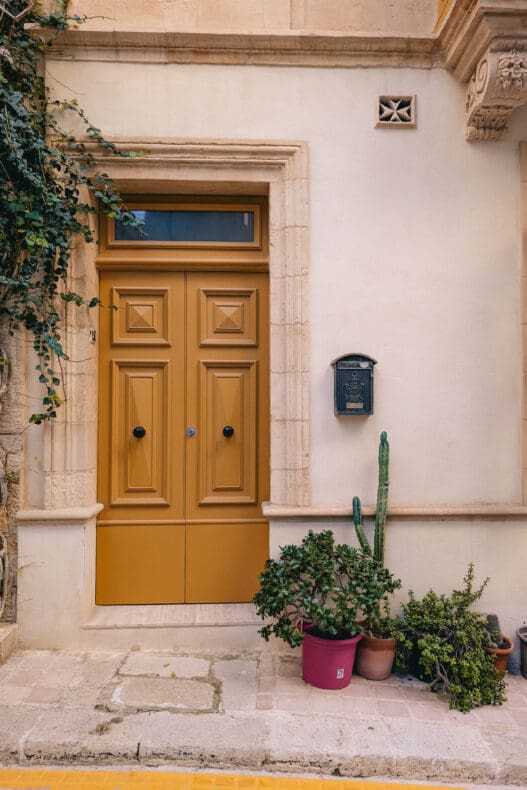
The Three Cities feel like stepping back in time. As soon as you pass through the ancient city gates, you’re transported into a world where time seems to stand still. The streets, narrow and winding, are paved with centuries-old stones that have borne witness to countless footsteps. On either side, tall sandstone buildings rise, their colorful wooden balconies—known as the Maltese gallarija—gracefully hanging over the cobbled lanes below.
There are no bustling shopping streets or wide-open squares here. Instead, you’ll find charming, tucked-away alleys where locals gather to chat outside their homes, while laundry flutters gently in the warm sea breeze. On the quiet little squares, you’ll discover ancient fountains and quaint chapels, each adding to the area’s timeless allure. The true beauty lies in the details: the worn stone steps, door knockers in the shape of fish, scenic archways, and balconies overflowing with vibrant flowers.
Want to truly soak in the essence of the Three Cities? The best way is to wander at your own pace. Let the meandering streets lead you to hidden courtyards and secret corners, and immerse yourself in the authentic atmosphere of a place that feels like it hasn’t changed in centuries—a truly unique experience you won’t find anywhere else in Malta.
#5 Senglea Basilica
In the heart of Senglea stands the Basilica of the Nativity of Mary, more affectionately known as the Senglea Basilica. This is not just any church—it holds profound meaning for the local community. Built in 1580, the basilica was constructed as a gesture of gratitude for the victory over the Ottomans during the Great Siege of 1565. In World War II, the church was almost completely destroyed by bombings, yet the determined people of Senglea banded together to rebuild it, restoring it to its former glory.
Inside, the basilica is a breathtaking display of baroque magnificence. At its heart is the wooden statue of the Madonna, known as Il-Bambina, which was carved in 1618 and officially crowned in 1921. This sacred statue is revered by the people of Senglea, and every year on September 8th, it is paraded through the streets in a grand procession—a tradition that is deeply cherished by the community.
#6 Fortifications and City Walls
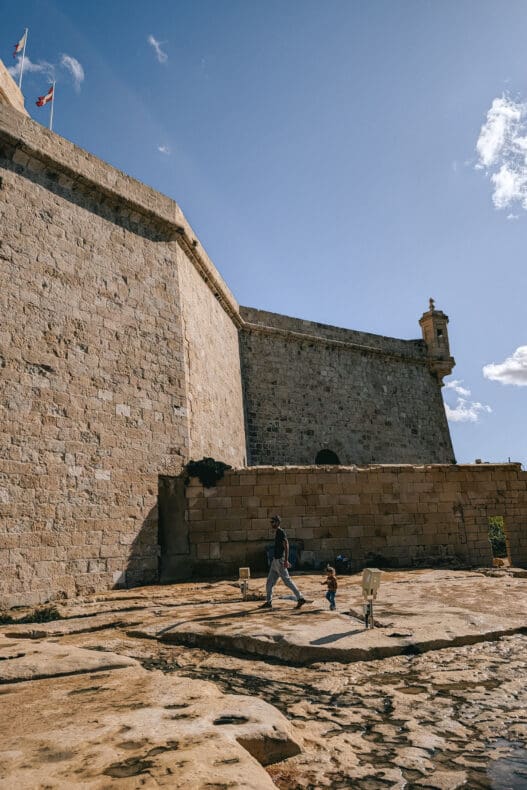
The Three Cities are a testament to military ingenuity, built from the ground up as fortresses. Defensive structures have stood here since medieval times, but it was the Knights of the Order of St. John who, in the 16th and 17th centuries, shaped these cities into nearly impenetrable strongholds that would withstand the test of time.
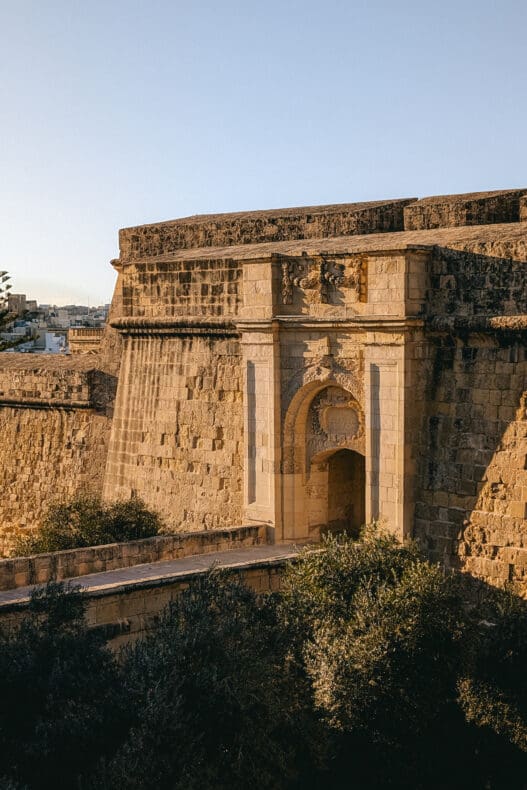
At the heart of this military prowess are the Cottonera Lines, built in the 17th century. These massive walls form the outermost ring of defense, enclosing all three cities in a protective embrace. Inside these formidable fortifications, you’ll find even more impressive structures, such as the Santa Margherita Lines, which provided crucial additional protection to the city of Cospicua.
The gates to the Three Cities are awe-inspiring in their design and history. The Couvre Porte Gate in Birgu stands as a stunning example of baroque military architecture, crafted by the French engineer Charles François de Mondion. Equally captivating are the Advanced Gate and the Notre Dame Gate, each of which boasts its own unique blend of historical significance and architectural beauty, making them not just entryways, but symbols of the cities’ storied pasts.
From Senglea and Birgu, you can take in a stunning view of Valletta’s towering fortification walls, built in the aftermath of the Great Siege of 1565. The Three Cities are a dream destination for history lovers, especially those with a passion for military history. But even if history isn’t your main interest, these mighty fortifications are well worth exploring. Wandering along the imposing city walls or stepping into the shadow of the ancient bastions, you can’t help but be captivated by their sheer scale.
#7 Inquisitor’s Palace
The Inquisitor’s Palace in Birgu is one of the last surviving Inquisition palaces in Europe, a rare window into a fascinating yet chilling past. Built in the 16th century, this imposing structure served as the heart of religious justice in Malta for nearly two hundred years. Within these very walls, heretics, witches, and others accused of defying the faith were interrogated and put on trial. While the Maltese Inquisition was less brutal than in other parts of Europe, imprisonment here was anything but merciful.
Today, the palace has been carefully preserved as a museum, inviting visitors to step back in time and walk through its cold, echoing corridors—once filled with the whispered fears of those awaiting judgment. The original courtroom, shadowy dungeons, and the inquisitor’s private chambers remain intact, offering a hauntingly vivid glimpse into centuries-old judicial practices. Exhibits showcase original documents, religious artifacts, and even the grim instruments of interrogation.
#8 The Churches of the Three Cities
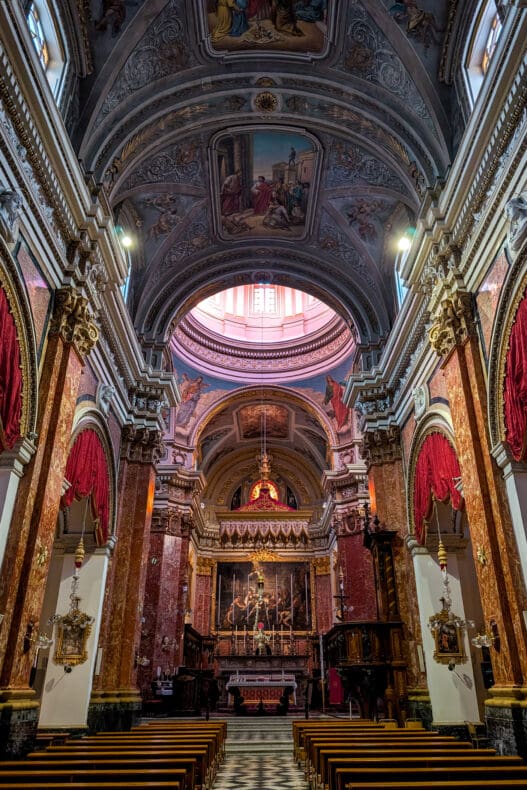
The Three Cities are filled with historic churches, each with its own story and unique character. The most prominent among them is the Church of St. Lawrence in Birgu. Built in the 16th century, it was the first conventual church of the Order of St. John, where knights would gather in prayer before setting off to battle. Stepping inside today, you’re met with an awe-inspiring interior, adorned with grand marble altars and striking paintings that reflect the church’s rich history and significance.
In Cospicua, the Church of the Immaculate Conception stands as a magnificent example of 18th-century Baroque architecture. Though much of it was reduced to rubble during World War II, its revered statue of the Virgin Mary miraculously emerged unscathed—an event many Maltese people still see as divine intervention. The restored church continues to be a place of deep devotion and historical importance.
Senglea is home to another remarkable church: the Basilica of the Nativity of Mary, which houses the beloved statue known as Il-Bambina. This sacred wooden figure of the Virgin Mary holds a special place in the hearts of locals and is at the center of an annual grand procession. Every year, it is carried through the streets in a vibrant and deeply meaningful celebration, a tradition that has endured for generations.
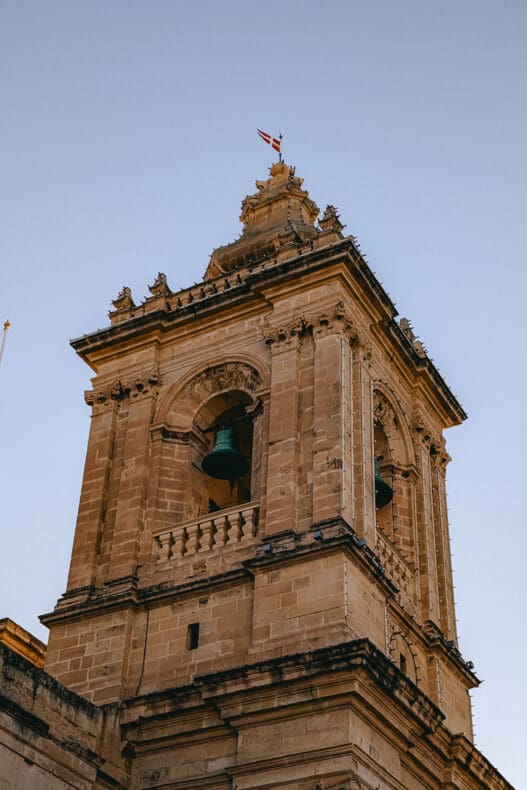
#9 Maritime Museum
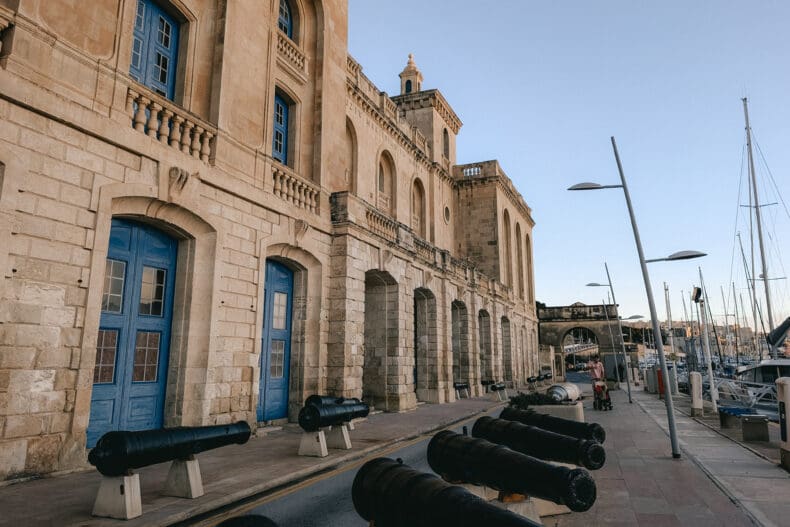
Malta’s history is inseparable from the sea, and nowhere is this more evident than at the Malta Maritime Museum in Birgu. Set within a historic waterfront building that once served as a British naval bakery, the museum brings Malta’s seafaring legacy to life, tracing its evolution across centuries of exploration, trade, and naval warfare.
Outside, a row of towering cannons stands guard along the waterfront, setting the scene for what lies within. Step inside, and you’ll discover a treasure trove of maritime artifacts—from intricately crafted ship models and ancient navigation instruments to cannons, figureheads, and uniforms worn by both the Knights of St. John and the British Navy.
Among its most extraordinary exhibits is the largest Roman-era anchor ever recovered from the Mediterranean, a testament to Malta’s role as a crossroads of maritime civilizations. Another standout piece is a magnificently preserved 250-year-old galley, once the prized vessel of a Grand Master of the Order of St. John.
#10 Esplora Interactive Science Centre
Technically, the Esplora Interactive Science Centre sits just outside the Three Cities, but it’s such a fantastic destination that it absolutely deserves a mention. Designed with families in mind, this modern science museum is a paradise for curious kids—though, let’s be honest, it’s just as much fun for adults.
Forget traditional glass display cases—Esplora is all about hands-on discovery. Here, visitors can conduct their own experiments, explore cutting-edge technology, and interact with fascinating exhibits. Highlights include a towering Tesla coil crackling with electricity, an immersive virtual reality experience, and a state-of-the-art planetarium that brings the wonders of the universe to life. Whether it’s physics, biology, the human body, or space, Esplora makes learning exciting, accessible, and downright fun.
Located in Kalkara, just a short walk from the Three Cities, this science centre is the perfect way to spend a few extra hours—or to escape a rainy day.


