
La Palma is a true natural paradise, a place where it feels as if every kind of landscape comes together in one small island: towering volcanic peaks, deep ravines, dense forests, and quiet stretches of coast with black sand beaches. The scenery changes so quickly that it can feel like you’re travelling through different countries, even though you’ve only moved a few kilometres. The island is compact and rugged, and surprisingly peaceful for a Canary Island. There are no crowds and no long lines of resorts, but instead wide valleys, vast lava fields, and small villages where the same families have lived for generations.
Anyone who drives around the island or sets out on foot soon notices that La Palma is all about nature. This is a place where the landscape always takes centre stage. It is a true paradise for hikers. The walking trails are well maintained, the views are unforgettable, and the island’s recent volcanic activity has made it more fascinating and relevant than ever before.
From young volcanic craters to deserted beaches, and from natural swimming pools to forests that are almost constantly wrapped in mist, this blog introduces you to the most beautiful places on La Palma. I will guide you past well-known sights as well as unique natural features that come together here in a way you will not find anywhere else in the Canary Islands.

What is La Palma known for?
La Palma is known as the island where nature, tranquillity, and volcanic power come together. Many travellers call it La Isla Bonita, while others describe it as a hiking paradise or the island of the stars. The names may differ, but they all refer to the same core qualities: dramatic landscapes, active volcanoes, an exceptionally dark night sky, and a pace of life that feels noticeably slower than on the larger Canary Islands.
What truly makes La Palma stand out is the incredible variety of its natural scenery. Within a short distance, you can move from dense cloud forests to open crater landscapes, across wide lava fields, into deep ravines, and down to coastlines lined with black sand beaches. This constant change keeps the island feeling fresh and surprising, and makes it easy to see several very different sides of La Palma in just one day.
Hikers are drawn to La Palma because of its extensive and well-developed network of walking trails. Routes lead through the Caldera de Taburiente, along the ridge of Cumbre Vieja, and through the lush laurel forests on the eastern side of the island. The most famous route is the Ruta de los Volcanes, which crosses the volcanic heart of La Palma. Many paths follow ancient routes that have been used for centuries and are still carefully maintained today. Thanks to the varied volcanic landscape and the powerful natural surroundings, even short walks offer a surprising amount of diversity and scenery.
The night sky is one of La Palma’s most striking features. Thanks to strict light regulations, high mountain peaks that rise above the clouds, and consistently clear air, the stars shine here with remarkable clarity. The observatory at Roque de los Muchachos is a perfect example of these conditions. Many visitors choose to drive up to the summit and spend the evening stargazing at one of the specially designated viewpoints.
Volcanic activity also plays a key role in shaping the island. The eruption of 2021 transformed the landscape along the west coast, leaving behind young lava fields that can be seen from several viewpoints. In the south, you’ll find older yet still relatively young craters, along with walking routes that clearly reveal La Palma’s volcanic nature and dramatic terrain.
Another reason travellers are drawn to La Palma is its sense of peace and quiet. Compared to other Canary Islands, the island can feel almost empty and like a true hidden gem. Large resort towns are missing, and tourism is spread across small villages, green valleys, and quiet coastal areas. This gives La Palma a calm, unhurried feel and makes it easy to explore, even during busier seasons. Many visitors return simply because this slower rhythm fits so naturally with the island’s strong connection to nature.


Things to Do on La Palma: 20 Sights and Tips
#1 Ruta de los Volcanes
The Ruta de los Volcanes is the must-do day hike along the volcanic ridge of Cumbre Vieja. The trail begins at Refugio de Pilar, right in the heart of La Palma, and stretches all the way to the southern tip of the island.
Read More: everything you need to know about the Ruta de los Volcanes.
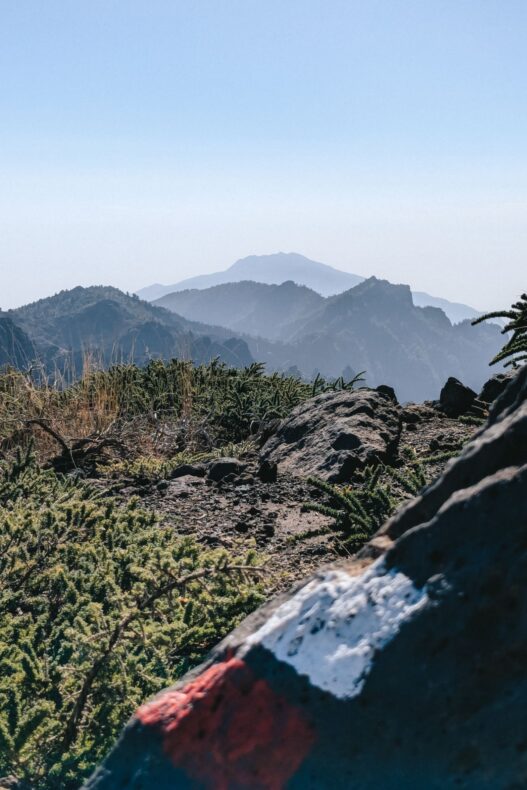
This is a hike of contrasts, with plenty of elevation gain and loss. The first section climbs steeply before giving way to a long descent toward sea level. You start in peaceful pine forests, but soon the scenery opens up to reveal vast lava fields, loose lapilli, and solidified craters. Following the ridge, you get sweeping views of both the west and east coasts. The terrain is constantly changing, with wide open stretches giving way to narrow paths along ancient eruption points.
Most hikers complete the trail in six to eight hours, though Sebastiaan managed it in just four, including breaks. He took an hour to climb the first section and three hours to descend toward Las Canarias. From there, we continued separately to the Fuencaliente lighthouse.
Along the way, it becomes clear just how young the volcanoes on this part of the island are and how La Palma’s dramatic landscape was formed. It is a physically demanding hike, yet the trail is well marked and technically accessible. The Ruta de los Volcanes is one of the best ways to experience and truly understand the volcanic heart of La Palma.


#2 Caldera de Taburiente
The Caldera de Taburiente is a vast and awe-inspiring landscape right in the heart of La Palma. Its towering walls drop steeply, and you only truly appreciate their scale when walking along the rim.
A spectacular hiking trail follows the edge of the caldera, and it comes highly recommended. There is also a road that runs just below the rim. While this road offers views of the ocean, the only way to fully take in the caldera itself is on foot along the trail.
The area has a long and fascinating geological history shaped by erosion and collapse, creating a landscape that is both dramatic and constantly changing. Streams wind their way through the caldera, and the rock walls shift in color as the light changes throughout the day. The trails are clearly marked, and while the terrain feels rugged and wild, it is surprisingly accessible, making it a must-visit for anyone wanting to experience La Palma’s raw natural beauty.


#3 Roque de los Muchachos
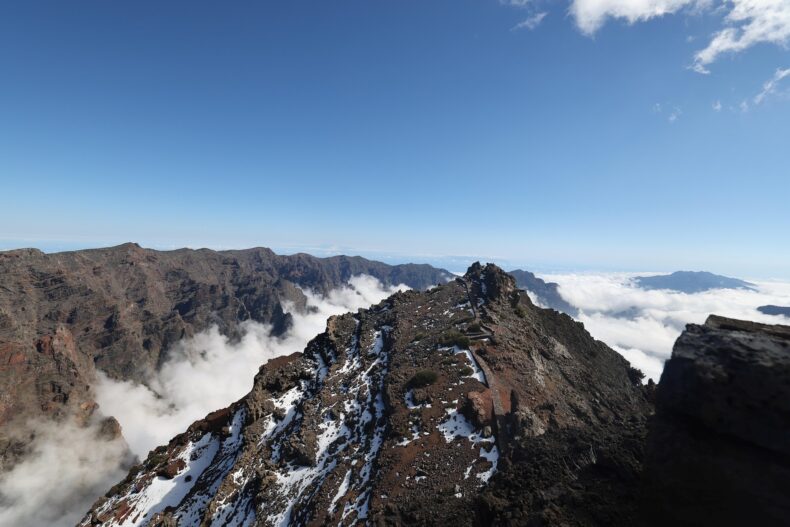
Roque de los Muchachos rises to around 2,400 meters, making it the highest point on La Palma. The drive up is already breathtaking: after passing pine forests and lava fields, you enter open mountain terrain with ever-expanding views in every direction. At the summit stands one of Europe’s most important observatories, perfectly positioned above the clouds. Strict light regulations make this an ideal spot for stargazing and astronomy.
From the viewpoints along the rim, you can look deep into the Caldera de Taburiente. On clear days, you can even spot the surrounding islands. Short trails link the different viewpoints, making it easy to combine several stunning vistas in one visit. Temperatures at the summit are often much cooler than at sea level, so warm clothing is essential. The weather can change rapidly at this altitude, and you may suddenly find yourself enveloped in clouds, adding a dramatic touch to the experience.
#4 Playa de Nogales
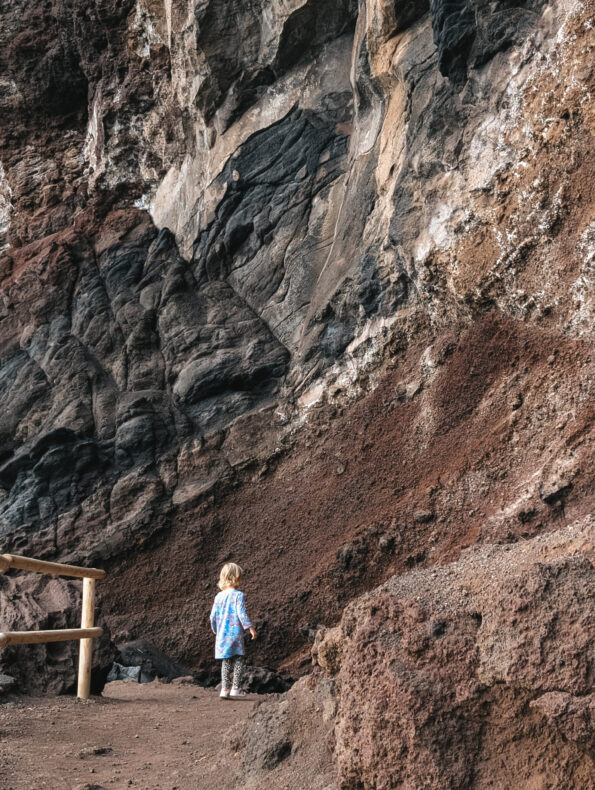
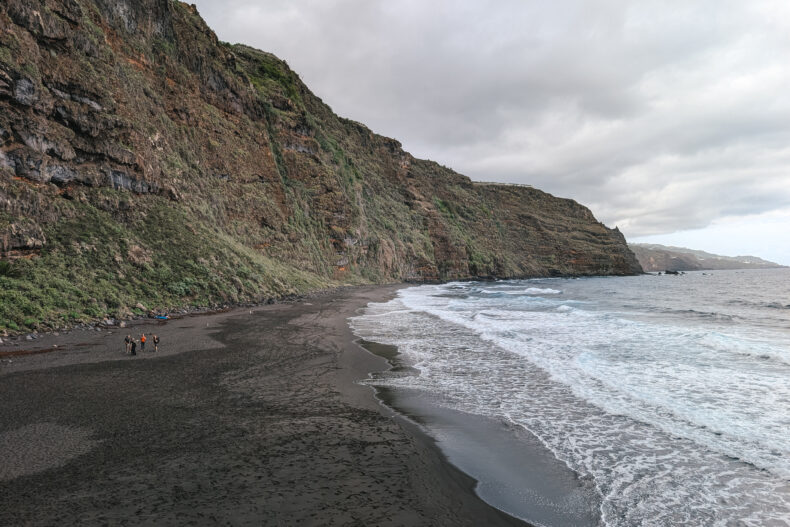
Playa de Nogales is a true hidden gem on La Palma’s northeast coast, reached by a winding path that descends from the parking area along a towering cliff. The walk alone is breathtaking, with high rock walls in a mix of colors, revealing how ancient eruptions and erosion have shaped the coastline over time.
The beach itself is covered in black volcanic sand and is cradled between steep cliffs. The waves here are powerful, making it a favourite spot for surfers rather than swimmers. A small surf school adds to the active but relaxed vibe. Its secluded setting gives Playa de Nogales a tranquil atmosphere, even though it is well-loved by those who know of it.
There are no facilities on the beach, so bringing your own food and drinks is a good idea. Interestingly, a hose runs along the path, providing simple showers at the beach to rinse off after a swim or a surf session, making it a surprisingly convenient hidden escape.

#5 Tajogaite Volcano (2021)
La Palma’s youngest volcano is as fresh as it gets. Tajogaite emerged during the 2021 eruption on the west flank of Cumbre Vieja, reshaping part of the island in the process. The eruption lasted nearly three months, leaving a dramatic and visible mark across the valleys of Todoque, Las Manchas, and Tazacorte.
Tajogaite is captivating for anyone curious to see a volcanic landscape still taking shape. We found it almost surreal how the road suddenly ends where a lava field now stretches across it. The landscape is now dotted with fresh craters, deep fissures, flowing lava, and layers of ash that remain strikingly clear.
The crater itself is located in a restricted area, accessible only with guided tours. From the viewpoints along the access roads, it is easy to follow the path of the lava as it made its way to the sea and created new stretches of land. We stopped at Mirador de Tajuya, near a small church, which offered a dramatic perspective on the eruption’s power.
The terrain’s colors change over time due to oxidation and temperature shifts, giving the area a new look each year. Even though the volcano is so young, a visitor center has already been built to explain the eruption and its effects in more detail. Entrance is fee-based, but it adds depth to the experience and understanding of this extraordinary landscape.


#6 La Fajana
La Fajana is a hidden gem on La Palma’s northeast coast, made up of three natural seawater pools protected by sturdy lava walls. The pools are easy to reach thanks to steps and walkways that guide you safely down. The water is remarkably clear, as the ocean flows in and out of the basins directly whenever the sea is calm. Small fish and even some larger ones swim in the pools, with a few curiously inspecting my toes as I waded in.
The spot is especially popular because it provides a safe place to swim in an area where the ocean is often wild. No matter how rough the waves are outside, you can enjoy calm, protected water here. During our visit, waves crashed energetically against the rocks, but the lava walls around the pools kept the water inside safe and peaceful.
Surrounding the pools are terraces and a few small eateries, making it a pleasant spot to relax and enjoy the view. Access is occasionally restricted during high tide or strong waves, but on most days La Fajana is an ideal place for swimming and snorkeling in safe, crystal-clear water.


#7 La Zarza
La Zarza is nestled in the north of La Palma, in a lush green valley where the landscape immediately feels different from anywhere else on the island. The area is best known for the petroglyphs of the Benahoarites. At the visitor center, you can get a clear explanation of what you are about to see: spirals, circles, and patterns carved into the rocks, likely used for symbolic or ritual purposes. Along a marked trail, several points let you examine these carvings up close, where they are well-preserved, clearly visible, and thoughtfully interpreted.
But it is the hiking area that truly leaves an impression. The moment you step into the forest, it feels like walking into a fairytale. We followed a narrow riverbed lined with moss, slick rocks, and three massive waterfalls. Even though the waterfalls were dry in November, they were still incredibly striking. The sound of trickling water, the soft light filtering through the trees, and the dense, verdant vegetation create an almost magical atmosphere. The area feels intimate, serene, and unexpectedly enchanting.
Many visitors come mainly to see the rock carvings, but we left with the feeling that we had experienced something far deeper, a truly special piece of nature that stays with you long after the hike ends.


#8 Mirador de la Cumbrecita
Mirador de la Cumbrecita is perched on the southern edge of the Caldera de Taburiente and provides one of the most breathtaking viewpoints in the national park. The lookout is reached via a narrow access road, and at times a (free and online) reservation is required to manage the number of visitors.
From the parking area, short trails lead to several viewpoints along the rim. The panorama into the caldera is wide and open, revealing steep walls, dense pine forests, and deep ravines descending in multiple directions. The site also makes an excellent starting point for hikes along the rim or down into the forested slopes of the caldera.
Its spectacular yet easily accessible location makes Mirador de la Cumbrecita a perfect spot for anyone who wants an impressive introduction to the national park without committing to a long hike. The high altitude often ensures exceptionally clear views, especially during the morning hours, making it a photographer’s and nature lover’s delight.
#9 Refugio de Pilar
Refugio de Pilar sits at the heart of the Cumbre Vieja ridge and feels like a natural gathering point for hikers. We visited several times during our stay on La Palma because it opens the door to a wide variety of breathtaking walks. The area itself is well-equipped, with plenty of parking, an open pine forest with picnic tables, a playground, a visitor center, and plenty of space to pause and enjoy the surroundings.
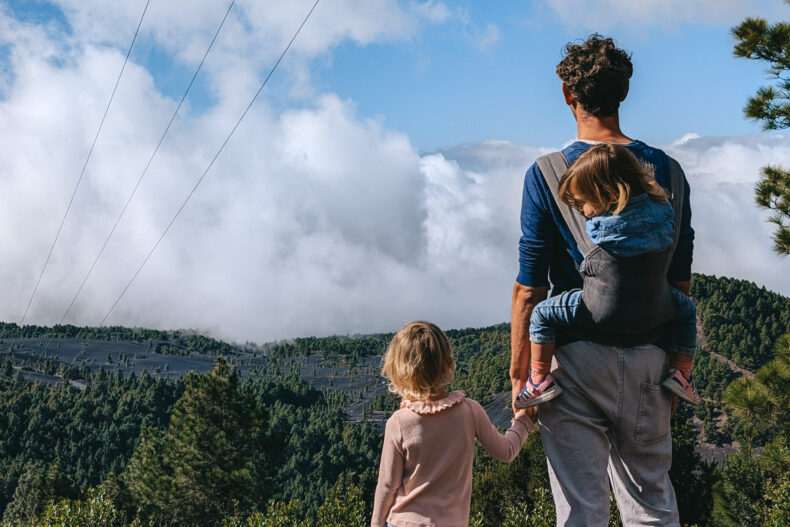
It is the official starting point of the Ruta de los Volcanes, but shorter trails also branch off to the north and along the slopes of the ridge. With our children aged 2 and 4, we enjoyed several short walks to different viewpoints, which were ideal for little legs. The area beautifully shows how the pine forest gradually transitions into young volcanic terrain as you gain height. The weather can change quickly here. One moment you are basking in bright sunshine and an hour later the ridge may be wrapped in thick mist.
The elevation keeps the area pleasantly cool, making it a perfect base on warm days, so be sure to dress accordingly. The road leading to Refugio de Pilar is paved, and parking is abundant, making this spot both accessible and convenient for families and hikers of all levels.

#10 Salinas de Fuencaliente
The Salinas de Fuencaliente sit at the very southern tip of La Palma, right beside the lighthouse. The salt pans form a striking pattern of white and soft pink basins set against dark lava walls, giving the area a look that is completely different from the rest of the island.
The salt pans are open to the public free of charge. Visitors can stroll along narrow paths lined with information boards explaining the salt-making process. Over the summer months, the water gradually changes color as the salt concentrates, eventually turning the basins a vivid pink, a truly unforgettable sight.
The site is compact, making it easy to explore during a drive through the southern part of the island. The surrounding lava fields clearly reveal how this section of coastline was shaped by successive eruptions, while the salt pans themselves have been carefully preserved. Many travelers combine a visit to the Salinas with a stop at Teneguía or a short hike across the lava landscape. A nearby black sand beach adds yet another striking element to this unique and dramatic coastal area.



#11 Volcán Teneguía (1971)
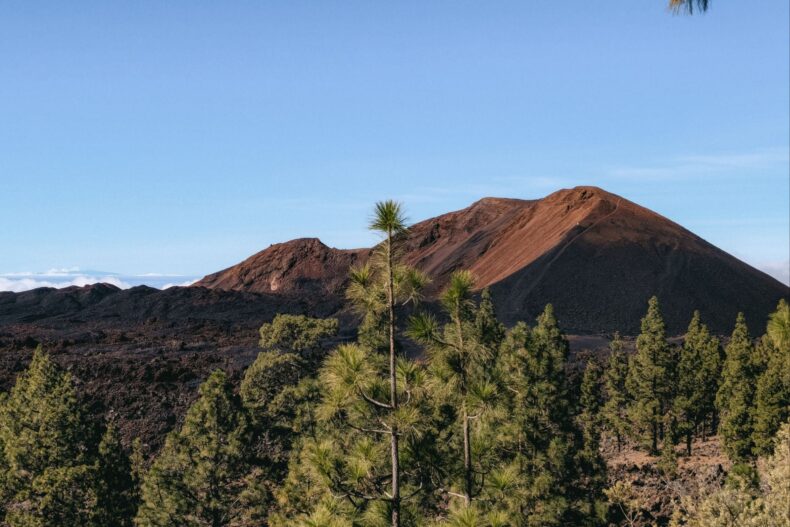
VVolcán Teneguía erupted in 1971 and has since become one of the most striking landmarks along La Palma’s southern coast. Interestingly, the eruption even added a small extension to the island itself. Today, walking through the volcanic landscape is a truly memorable experience and comes highly recommended.
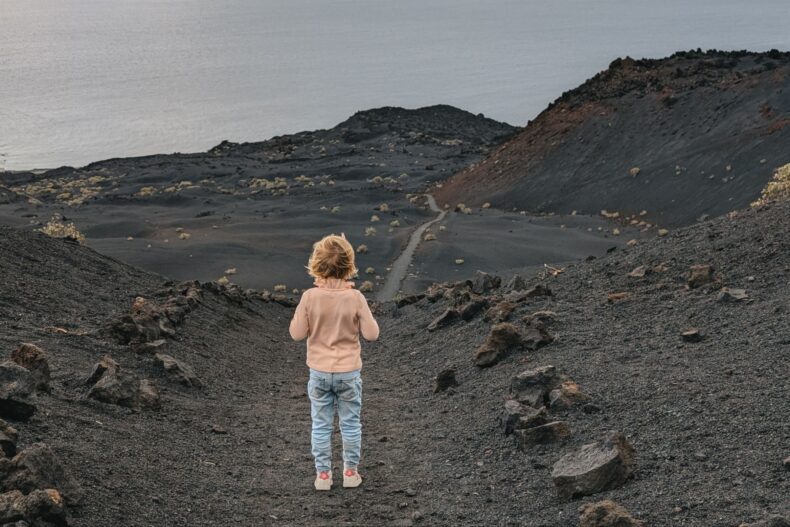
A roughly 6-kilometer trail leads from the village of Los Canarios down to the salt pans by the sea. The path winds across open lava fields with sparse vegetation, offering sweeping views of the volcanic surroundings. Along the way, the lava changes color, reflecting differences in age and mineral content. The crater itself sits exposed in the landscape and is clearly visible from the marked trails. For a more dramatic perspective, you can even walk closer to the crater and take in its raw, rugged beauty.
Another highlight is the view of the many vineyards scattered across the volcanic slopes of this southern tip. The fertile soil proved ideal for cultivating local grapes, so don’t miss a visit to a nearby bodega for a tasting or pick up a bottle like we did to enjoy later.
At the salt pans, it’s possible to catch a bus back to Los Canarios, which saves you the strenuous climb back up. This is a welcome option, as the trail’s descent can be quite steep and demanding, especially after a long day of exploring.


#12 Volcán de San Antonio (1971)
Volcán de San Antonio is located just outside Los Canarios and is one of the easiest volcanoes to visit on La Palma. At the entrance, there is a small visitor center that, while modest, gives a clear overview of the history of the island’s southern region and the eruptions that shaped the Cumbre Vieja ridge.
Entrance costs 8 euros, with children admitted for free. The main attraction, however, is the chance to walk along the crater rim. The trail offers an up-close view of the crater itself as well as sweeping views of the surrounding landscape. From the rim, you can easily see how close San Antonio is to Teneguía and how the two volcanoes together create a striking line across the southern coastline, making the volcanic history of this area immediately visible and impressive.

#13 Puerto de Tazacorte
Puerto de Tazacorte sits on La Palma’s sunny west coast and is one of the warmest spots on the island. This small harbor town is compact, making it easy to explore on foot. The beach lies right along the promenade and features a broad stretch of dark sand. Towering cliffs rise behind the village, giving it a sheltered atmosphere and making it particularly photogenic.
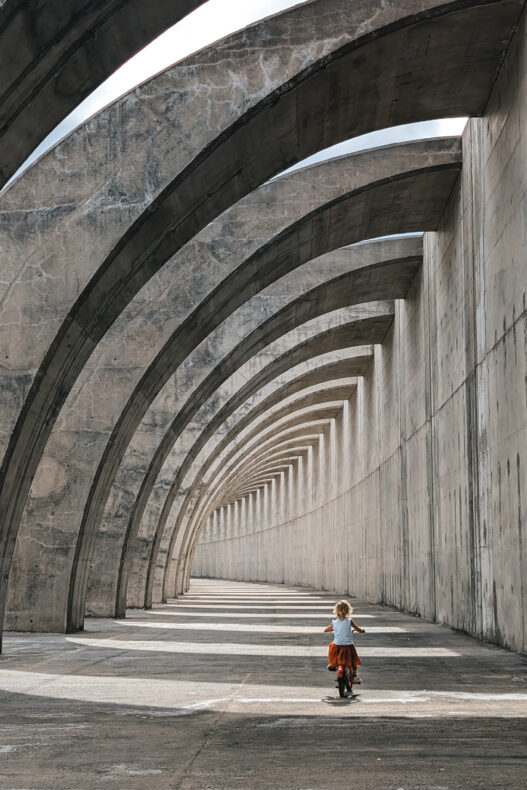
When we visited, the weather was just a little too cool for sunbathing, so we enjoyed a leisurely walk along the harbor instead. The quay walls provide beautiful sea views, and the support arches at the far end of the harbor wall are especially striking. Paired with the shadows cast by the sun, the combination creates a scene that is wonderfully photogenic. It is a true delight for anyone who enjoys strong lines, contrasts, and unique photo opportunities.
The harbor area also has a handful of cafés and terraces, perfect for relaxing while watching fishing boats come and go or enjoying the wide-open sea views. Many whale-watching trips depart from here as well, making Puerto de Tazacorte both a lively hub and an ideal starting point for exploring the waters along the coast.

#14 Los Tilos Laurel Forest
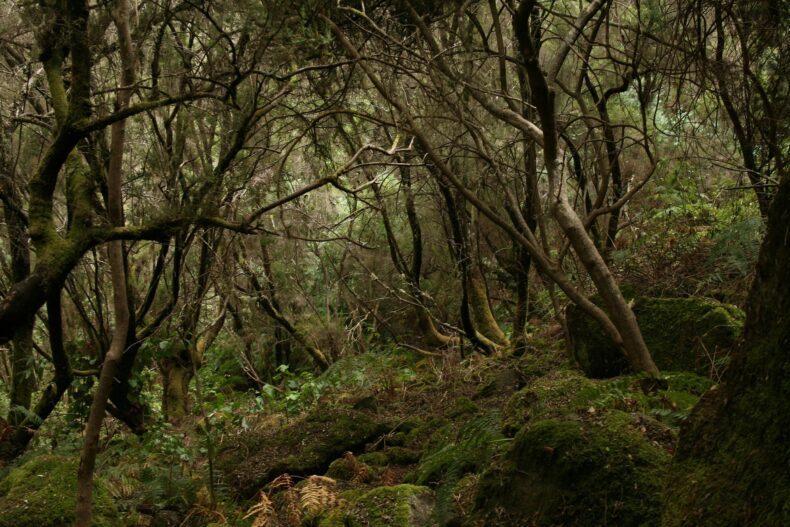
Los Tilos, nestled in the northeast of La Palma, is a dense laurel forest that stays vibrant and green thanks to the island’s high humidity. The visitor center offers insight into the local flora and the forest’s fascinating history. As you wander along the trails, you’ll pass carpets of ferns, soft mosses, and towering laurel trees, creating a cool and enchanting environment. This forest is part of a larger cloud forest that plays a crucial role in La Palma’s water system. The most popular trail leads to a small viewpoint above the treetops, giving a breathtaking perspective over the endless green canopy.
For those looking for a real challenge, a local recommended the Nacientes de Marcos y Cordero trail, widely regarded as the most beautiful hike on La Palma. During our visit, it was unfortunately closed due to a landslide, but the photos online are absolutely stunning. This hike is now at the very top of our list for a future trip, though we’ll leave the little ones at home, as it certainly doesn’t seem very child-friendly.
#15 Cueva de los Piratas
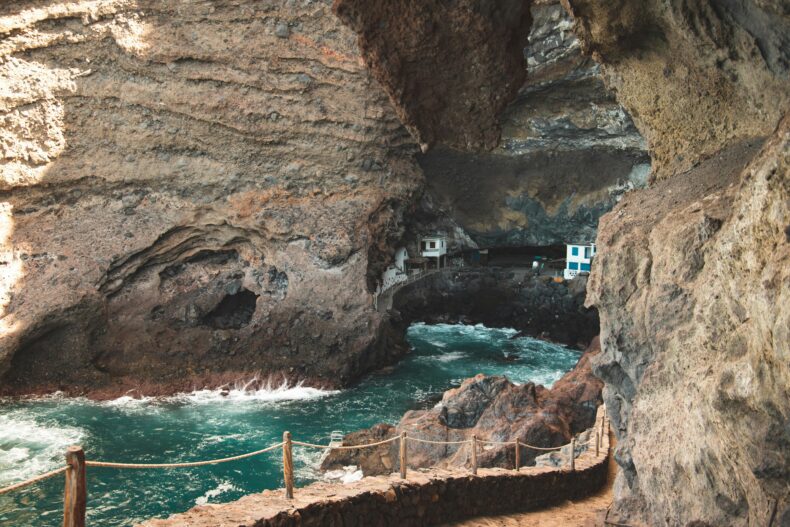
Porís de la Candelaria, better known as Cueva de los Piratas, sits on La Palma’s rugged west coast and is a cave carved by the sea over countless centuries. What makes this place so extraordinary is that it is inhabited. Nestled inside the cave are tiny white houses, used by locals as simple summer retreats. The sight is striking, with the homes tucked directly beneath the overhanging cliffs, creating the impression of a hidden, almost magical village.
To reach the cave, you follow a narrow road and then a short walking path that winds down along the cliff, adding a touch of adventure to the visit. The mix of dramatic rock formations and human presence makes Cueva de los Piratas a unique and unforgettable destination that lingers in your memory long after you leave.
#16 Cascada de los Colores
Cascada de los Colores is hidden in a quiet side valley of the Caldera de Taburiente and is reached via a scenic walk that follows the riverbed. The waterfall is widely regarded as one of La Palma’s most striking sights, thanks to the vibrant colors that streak the rock walls. Shades of yellow, red, and green are created by minerals and algae clinging to the stones, giving the waterfall a painterly quality that feels almost magical.
The path to the waterfall highlights the role water plays in shaping the caldera. Along the way, you pass through narrow gorges, follow natural channels that guide flowing water, and cross rocky stretches where streams surge during wet periods. The waterfall itself is relatively small, but its dazzling colors make it an unforgettable and highly photogenic feature within the rugged landscape, offering a perfect example of nature’s artistry in action.
#17 Charco Azul
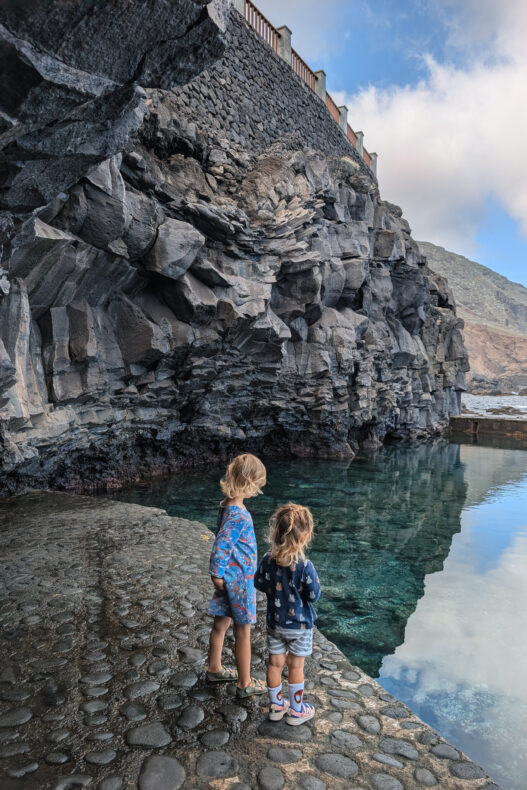
Charco Azul is a striking example of how La Palma has creatively adapted to its powerful ocean waves. These natural pools are tucked between dark lava barriers that break the force of the sea, allowing you to swim safely while the ocean rumbles just beyond. The water is crystal clear, constantly renewed through small channels connecting the pools to the sea, giving it a pristine and inviting quality.
Surrounding the pools, flat terraces offer comfortable spots to sit, unwind, and enjoy the view, while a gently sloping staircase provides easy access into the water. The site is ideal for a short stop during a northern island drive, especially on warm, sunny days. Keep in mind that during high tide, access is temporarily restricted, but when conditions are calm, Charco Azul delivers a refreshing, scenic, and distinctly volcanic swimming experience that feels both safe and remarkably wild.
#18 Playa de Puerto Naos
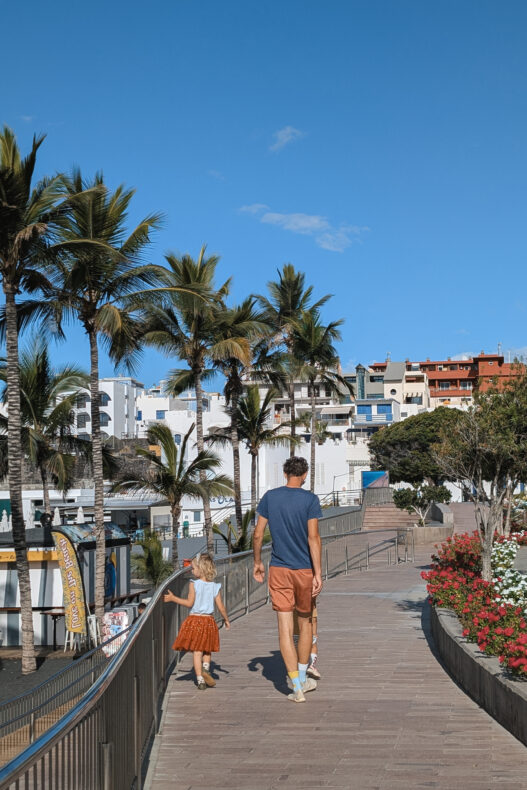
Playa de Puerto Naos lies on one of the sunniest sides of La Palma and boasts a broad stretch of black sand that naturally flows into the village. The seaside promenade is lined with cafés, palm trees, and terraces, instantly giving the area a relaxed, holiday-like vibe. The beach is large and easy to navigate, providing more space than many of the smaller coves scattered around the island.
The waves change with the seasons, but on most days the conditions are perfect for swimming. We visited twice and both times enjoyed the pleasantly warm water, noticeably more inviting than at other beaches on the island. With its combination of sunshine, gently sloping sand, and nearby amenities, Playa de Puerto Naos is an ideal destination for travelers seeking a comfortable place to unwind, take a refreshing dip, or spend a leisurely day at the beach without having to hike to a more secluded spot.

#19 Mirador de Izcagua
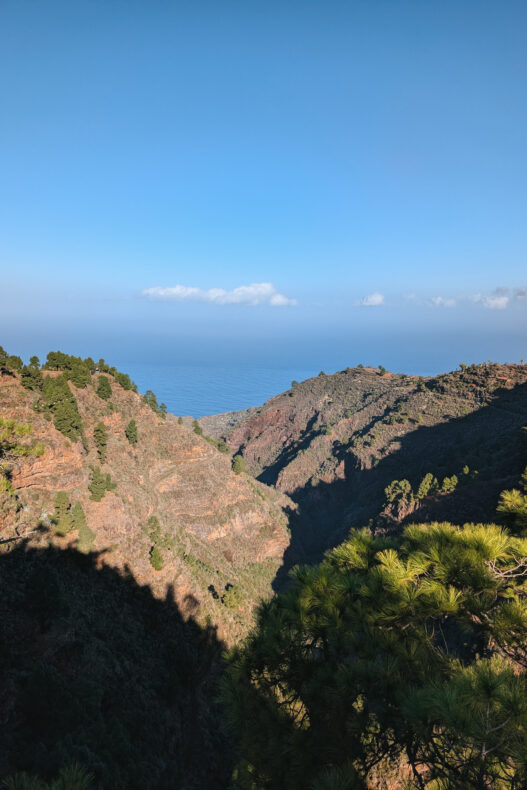
Mirador de Izcagua, in the northwest near Puntagorda, offers breathtaking panoramic views from its glass platforms, where the scenery constantly changes as clouds drift below. During our visit, the clouds sometimes completely hid the landscape, only to part moments later, unveiling the deep valleys and rugged coastline beneath. From this vantage point, you’re high above a dramatic barranco that flows down to the ocean, providing a perfect view of both the coastal line and the inland hills. The lookout is conveniently located along a quiet road, making it an easy stop during a scenic drive through the northwest of La Palma.
The viewpoint is part of a larger recreational area with picnic tables, barbecue spots, and a playground. On weekends, it can get lively due to the popular farmers market right next to the lookout. A stop here is definitely worth it, and we highly recommend grabbing a few local beers at the small bar next door to sip while enjoying the ever-changing, spectacular views.

#20 Cubo de La Galga
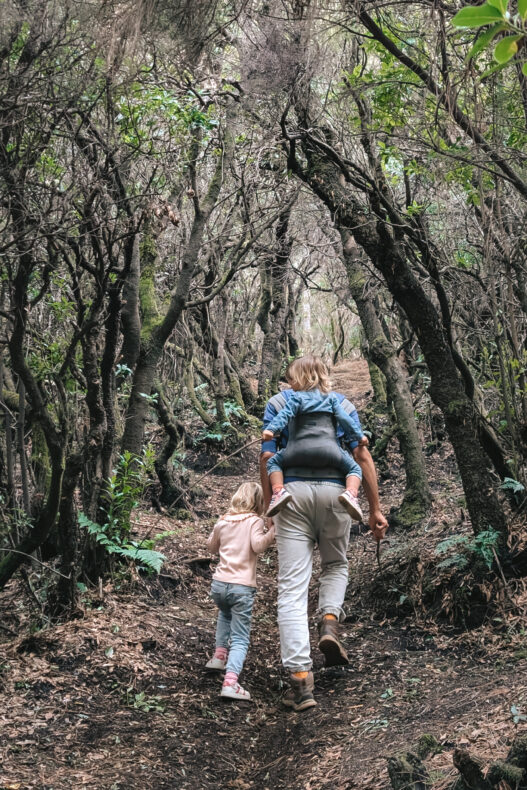
Cubo de La Galga is one of those magical spots where La Palma’s laurel forest instantly reveals its charm: towering trees, soft, damp forest paths, moss-covered rocks, and mist that often lingers in the valley like a gentle curtain.
The trail here is easy to follow and less steep than the paths at Los Tilos, making it perfect for a relaxed walk without significant elevation changes. The most popular route winds through a narrow valley where the greenery grows thick and lush around you, guiding you to stunning viewpoints along the way. The sounds of the distant coast fade, replaced by the gentle drip of water, the rustle of leaves, and the whisper of the wind through the canopy. The forest remains cool, offering a refreshing escape on warmer days. Cubo de La Galga is a perfect introduction to La Palma’s cloud forest, providing an accessible yet enchanting forest walk for anyone looking to immerse themselves in nature’s tranquil beauty.


Bonus: Playa Salemera
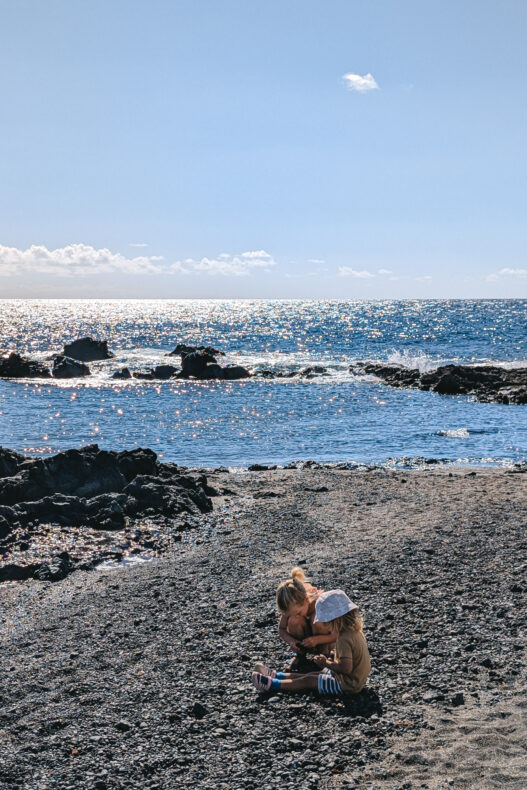
Playa Salemera is a hidden gem on La Palma’s east coast near Mazo, a small bay mostly visited by locals. It may not be a must-see on the typical tourist map, but we had such a lovely day here that we couldn’t keep this spot to ourselves. The beach is lined with black sand, a few simple houses, and basic facilities like umbrellas and beach showers, giving it a peaceful, authentic charm.
For our family, one of the highlights was that part of the sea is naturally sheltered by large rocks, forming calm, shallow waters. At high tide, this area transforms into a safe, natural paddling pool that’s ideal for little children to splash around in. Another treat was the nearby village restaurant, serving fresh fish and local dishes at very reasonable prices, a perfect stop for a relaxed lunch. Playa Salemera is a quiet and charming place that offers a wonderfully easygoing day by the sea, especially for families seeking a calm and scenic spot away from the crowds.


