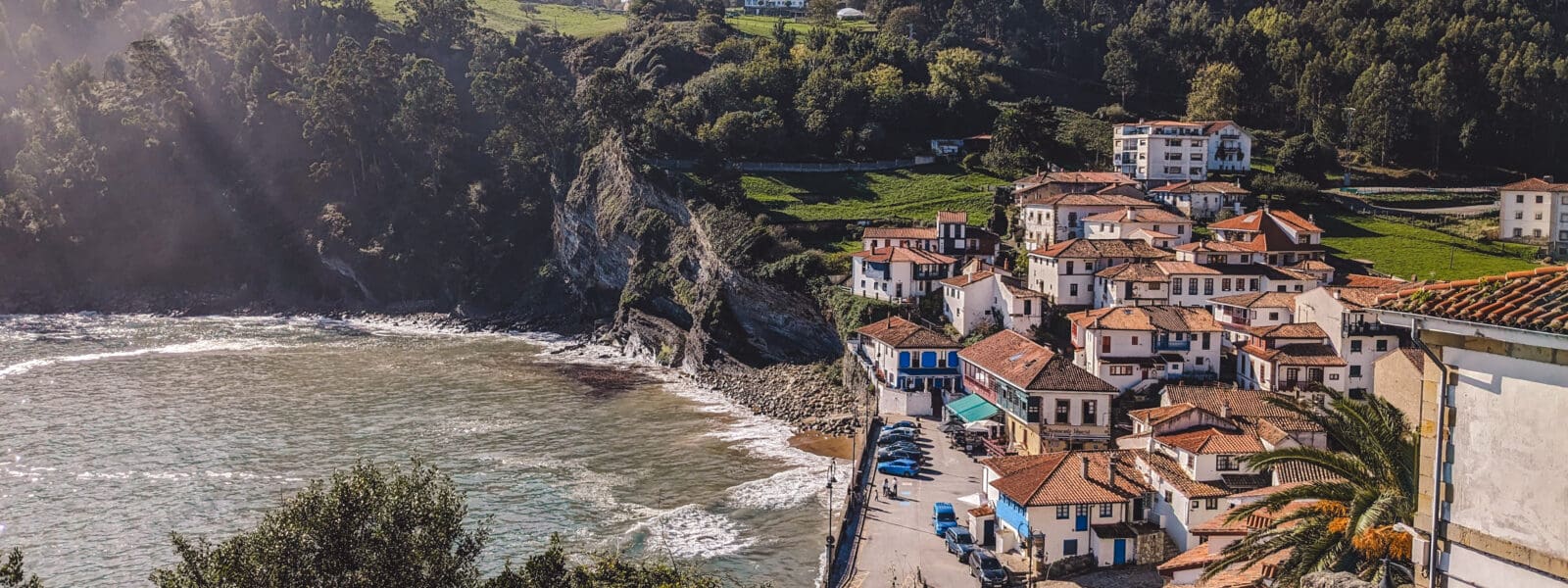
Nestled along the breathtaking coastline of Asturias, you’ll find many charming fishing villages, but one truly stands out from the rest. We’re talking about Tazones, a picturesque village proudly listed among the prestigious “Los Pueblos más Bonitos de España” (The Most Beautiful Villages in Spain). Though it may not take up an entire day to explore, Tazones is a one-of-a-kind, photogenic destination that is well worth a visit. From ancient dinosaur footprints to the vibrant annual festival celebrating the legacy of what was once the most powerful man in the world, this blog will guide you through everything you need to know about Tazones, a hidden gem in northern Spain.

Where is Tazones in Spain?
Tazones is a picturesque fishing village tucked away in the north of Spain, set in the stunning region of Asturias.
This enchanting village forms part of the breathtaking Costa Verde, a coastal paradise named for its lush, green landscapes, which are shaped by the region’s mild, humid climate. Stretching along Spain’s northern coast, the Costa Verde boasts some of the country’s most unspoiled and diverse ecosystems. The coastline is dotted with hidden coves, dramatic cliffs, and tranquil beaches, many of which remain blissfully untouched by mass tourism.
Just a stone’s throw away, you’ll find other unmissable destinations. The historic city of Gijón is rich in culture and heritage, while the majestic Picos de Europa mountain range offers a sanctuary for hikers and nature enthusiasts. Don’t miss the nearby fishing village of Lastres either, as it’s another gem that’s well worth a visit. In fact, combining a trip to Tazones and Lastres is highly recommended for an unforgettable day out.
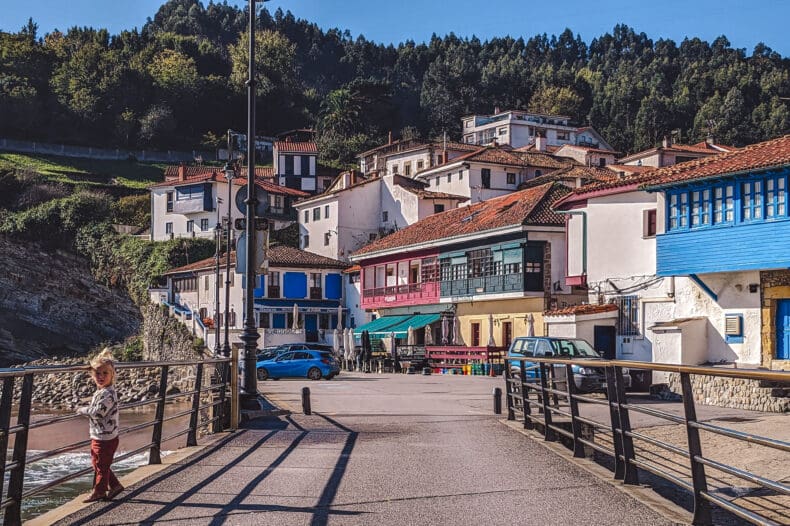
What Is Tazones Known For?
Tazones is renowned for two main reasons: its picturesque beauty as a charming fishing village and its historical significance as the site of an important event in Spain’s past.
#1 Named as One of the Most Beautiful Villages in Spain
Nestled along the northern coast of the Cantabria region, Tazones proudly earns its place on the esteemed list of “Los Pueblos más Bonitos de España” (The Most Beautiful Villages in Spain). This prestigious designation is awarded only to villages that stand out in tourism and heritage preservation. It’s no small achievement to be included on this list. Villages must meet rigorous criteria, such as having a population of under 15,000, recognized architectural or natural heritage, and a strong commitment to its protection.
Thanks to this recognition, Tazones has become a must-visit destination for those traveling through northern Spain. Though it may not fill an entire day’s itinerary, the village’s charm is undeniable. Tazones is small, with just a few picturesque streets to wander, yet it offers plenty to explore. If you take the time to savor the local culinary delights at one of the village’s inviting restaurants, you’ll surely enjoy a leisurely half-day immersed in its beauty.
#2 The Arrival of Emperor Charles V
Tazones may be a small village, but it holds a significant piece of history and takes great pride in it. In 1517, this charming fishing village on Spain’s northern coast briefly became the most important place in the world. It was here, on September 15, 1517, that Charles V first stepped onto the Iberian Peninsula. His arrival in Tazones marked the start of a reign that would go on to shape the course of European history. The young Prince of Ghent had sailed from Flanders to claim the kingdoms of his grandparents, the Catholic Monarchs. He would eventually rise to become King Charles I of Spain, Emperor Charles V of the Holy Roman Empire, and, at the height of his power, the most influential ruler in Europe.
The Best Places To See In Tazones
#1 The Colorful Houses
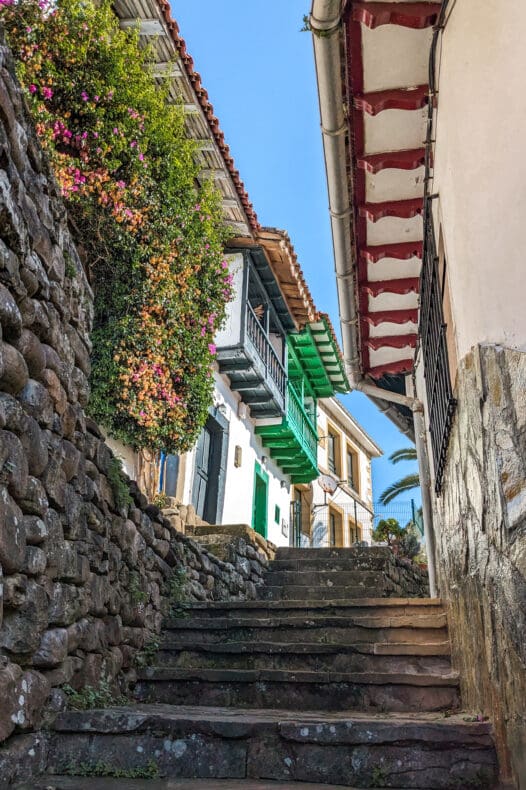
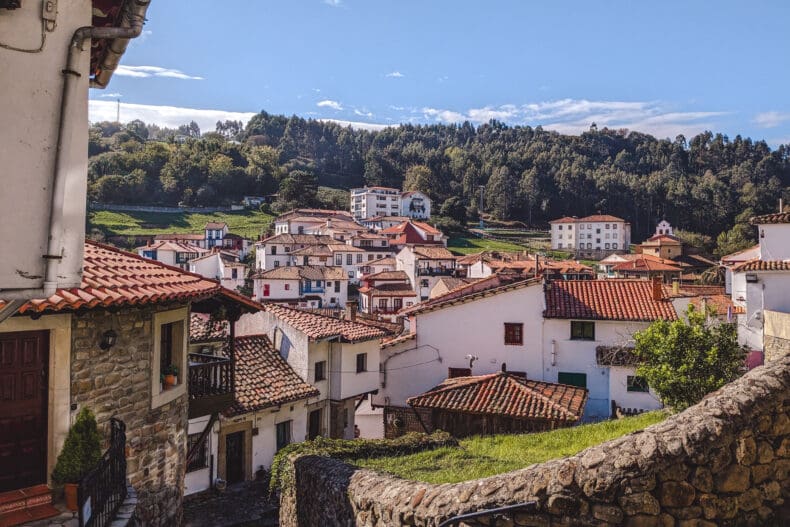
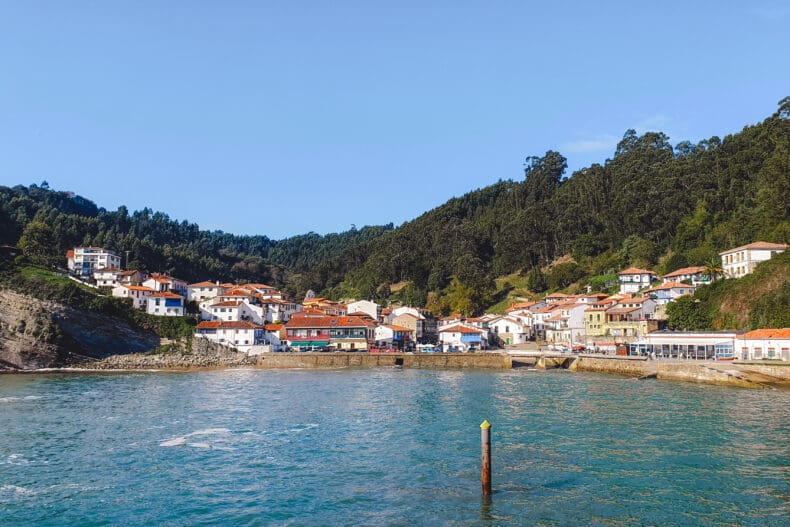
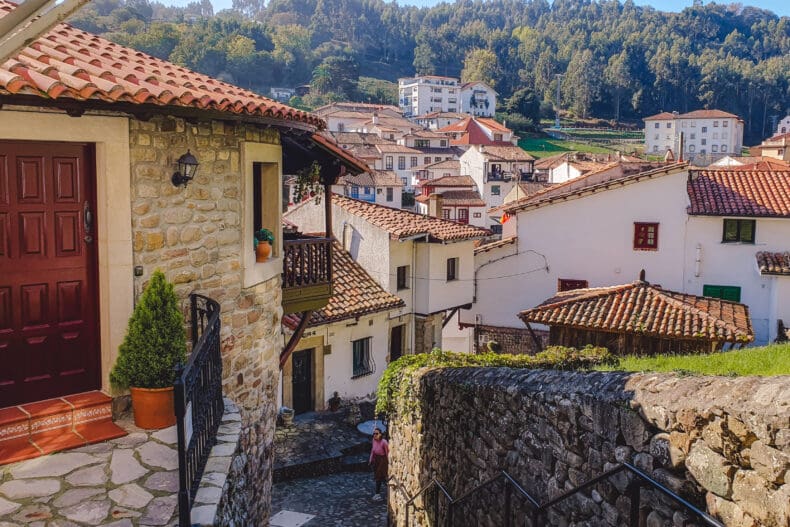
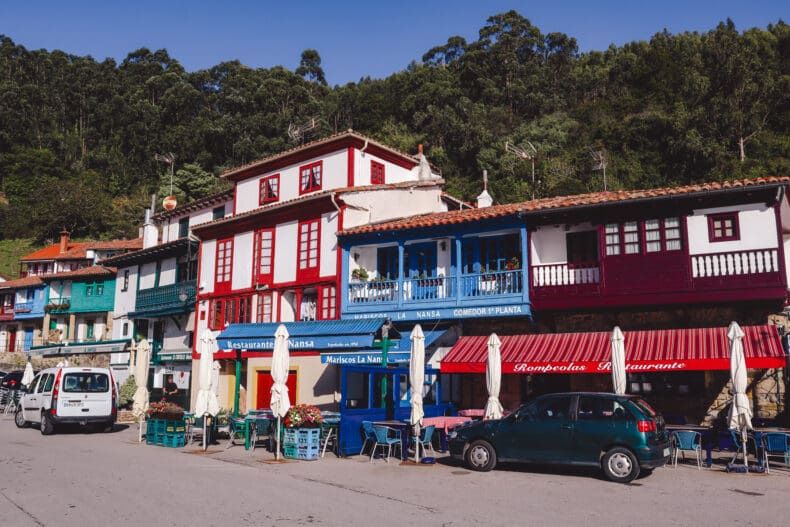
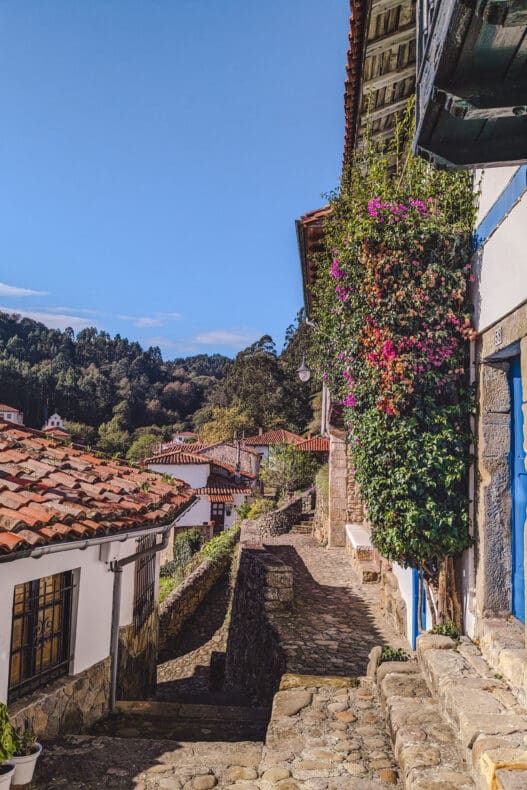
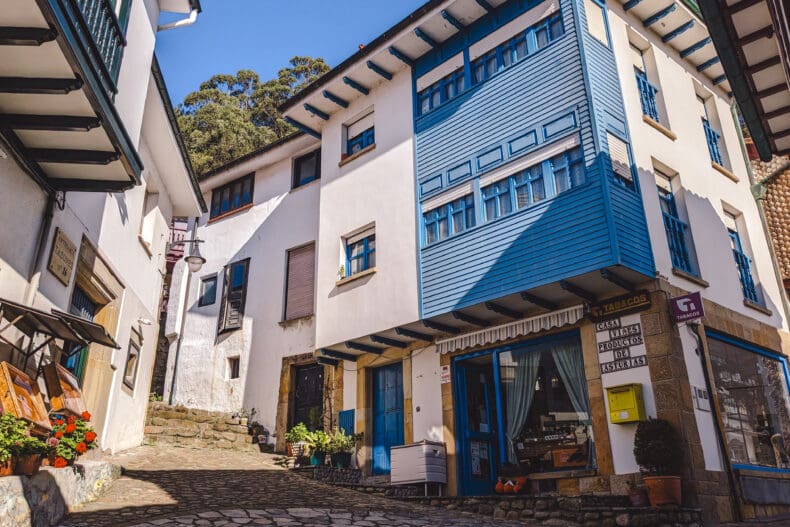
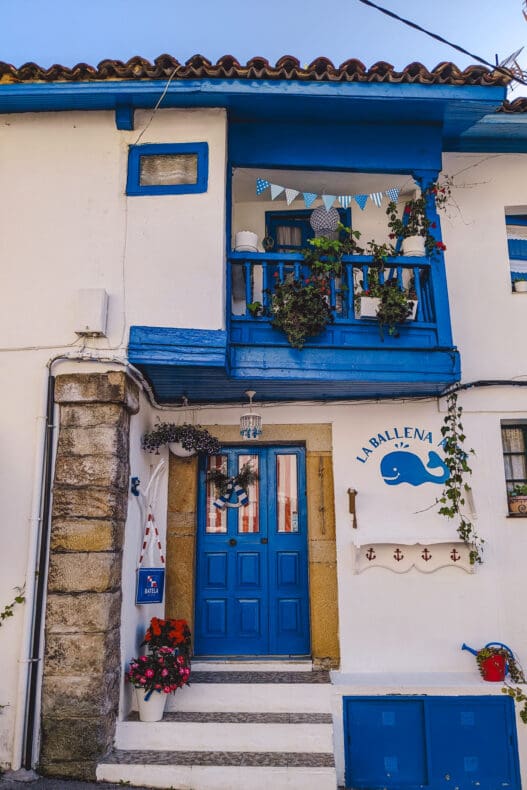
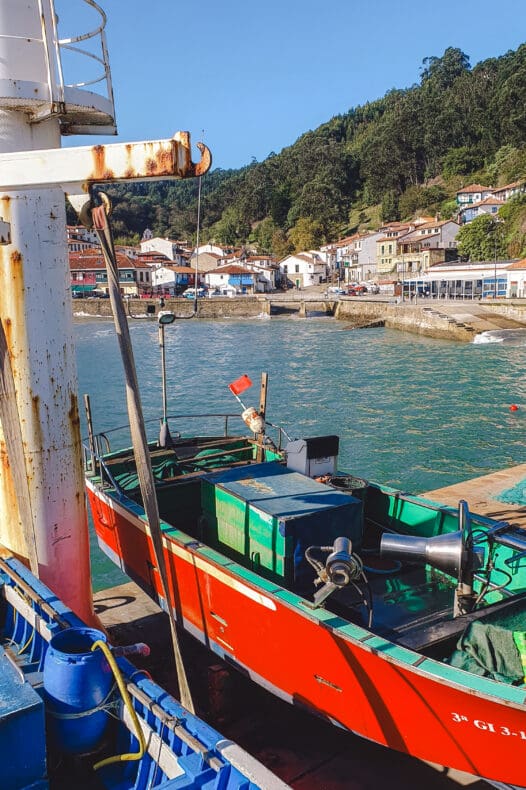
Tazones is a picturesque gem, defined by its charming old town, where iconic sailors’ houses, painted in white and vibrant colors, seem to cling to the hillsides of the village. The town is a photographer’s dream, with its narrow cobblestone streets, colorful buildings adorned with wooden balconies, and quaint fishermen’s cottages. A small beach adds an extra layer of coastal charm to this already idyllic scene.
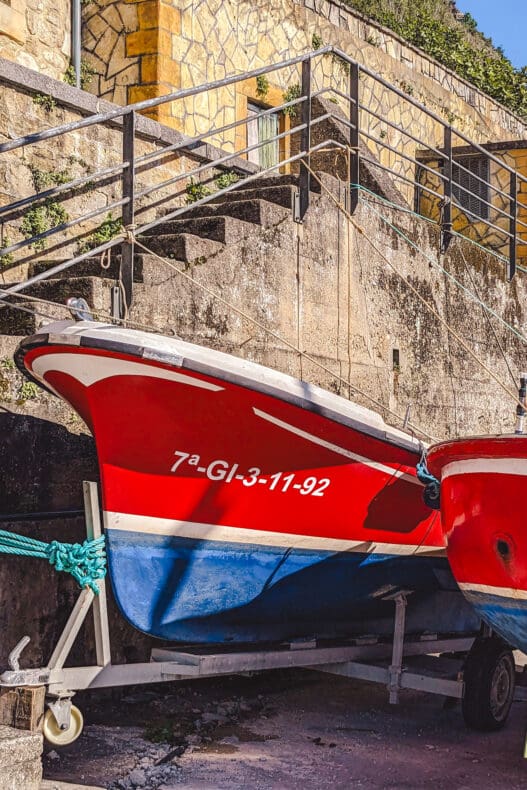
Historically, Tazones owes its roots to the sea. What started as a humble fishing village, with a rich history of whaling, later evolved into a center for fishing. Today, it remains a perfectly preserved fishing village, beautifully nestled between two dramatic cliffs, offering an authentic coastal experience.

#2 Casa de las Conchas (House of Seashells)
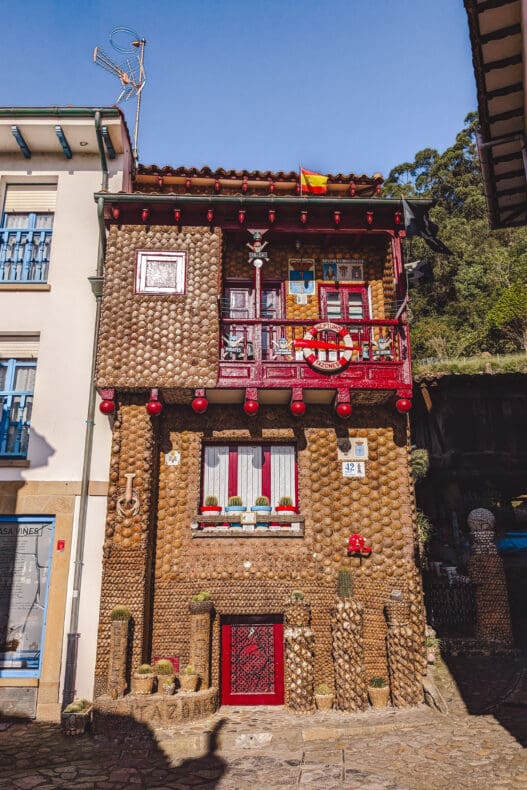
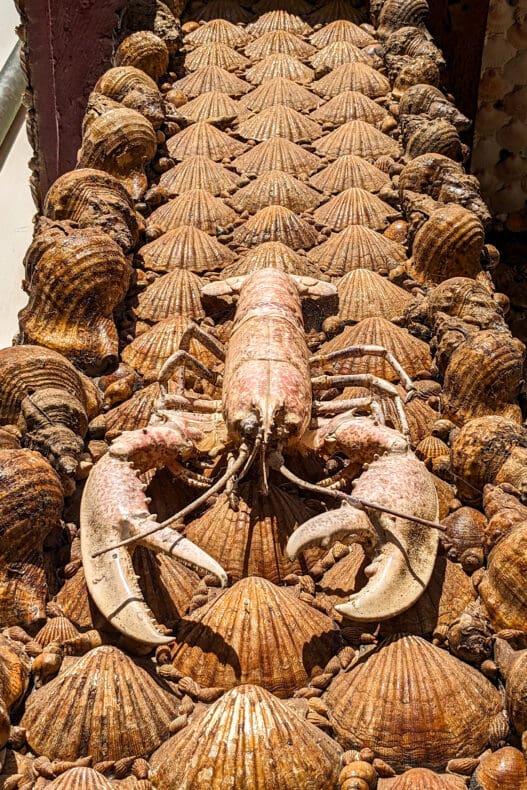
One of the most striking landmarks in Tazones is the House of Seashells, and it’s exactly what its name suggests.
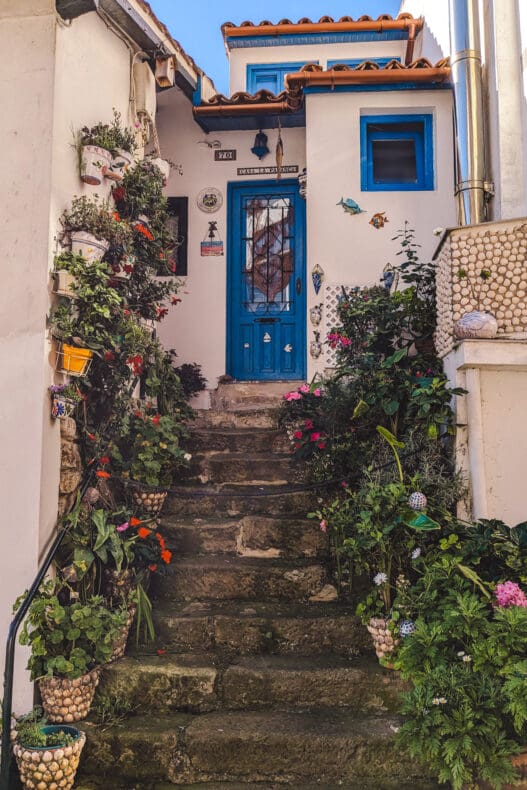
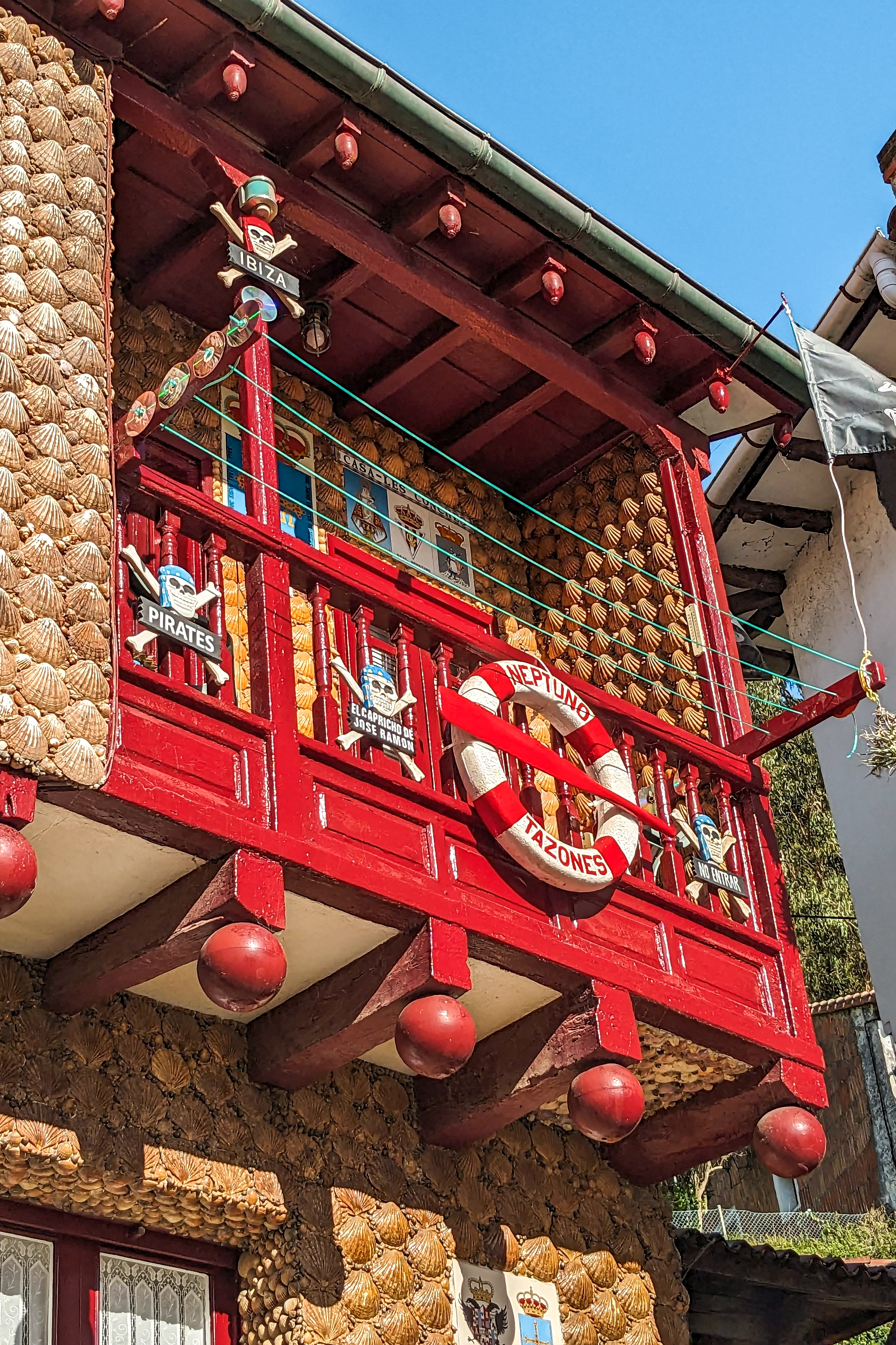
Situated in the charming San Miguel neighborhood, this distinctive building grabs attention with its unique façade, completely adorned with bivalve shells in all shapes, sizes, and colors. The intricate shellwork, featuring thousands of mollusks, has transformed this house into one of the village’s most iconic and photographed structures.
While it’s not uncommon to see other buildings or even plant pots decorated with shells, nothing compares to the sheer scale of the Casa de las Conchas. This exceptional house immediately draws the eye with its façade, entirely blanketed in thousands of seashells. It’s truly a piece of art and, without a doubt, the most photographed house in Tazones.
The creation of this masterpiece is the result of over twenty years of painstaking work by its owner, José Ramón Gallego. What started in 1985 with just a few flowerpots adorned with shells, like many other villagers, gradually grew into a fully shelled façade. Caring for this extraordinary home remains a dedicated effort for its owners. They not only have to prevent tourists from taking shells as souvenirs, but also apply a fresh layer of varnish every two to three years to protect the shell-covered artwork from the elements.
#3 Viewpoint San Roque
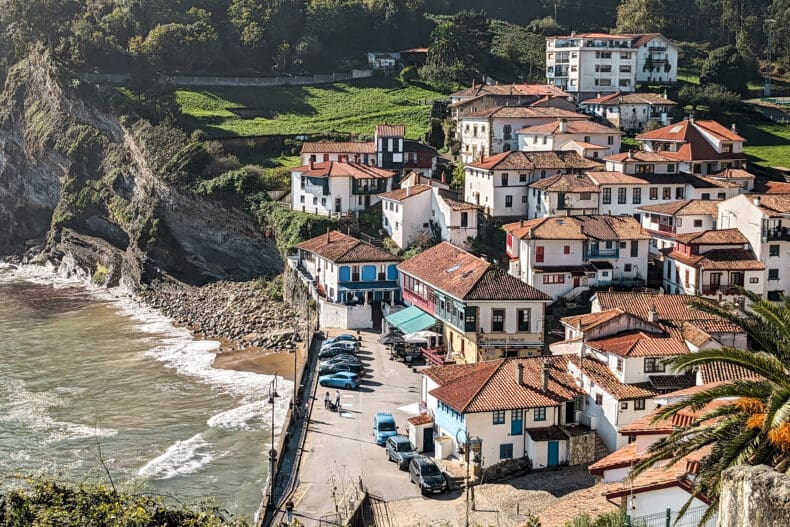
For the best view of Tazones, head to the unofficial viewpoint of San Roque. This spot, once home to a chapel, now offers a breathtaking vista of the village, with the ruins of the chapel still clearly visible. Dedicated to San Roque, the chapel was destroyed during the Spanish Civil War in 1936. Today, the location draws visitors seeking the stunning panoramic views of Tazones.
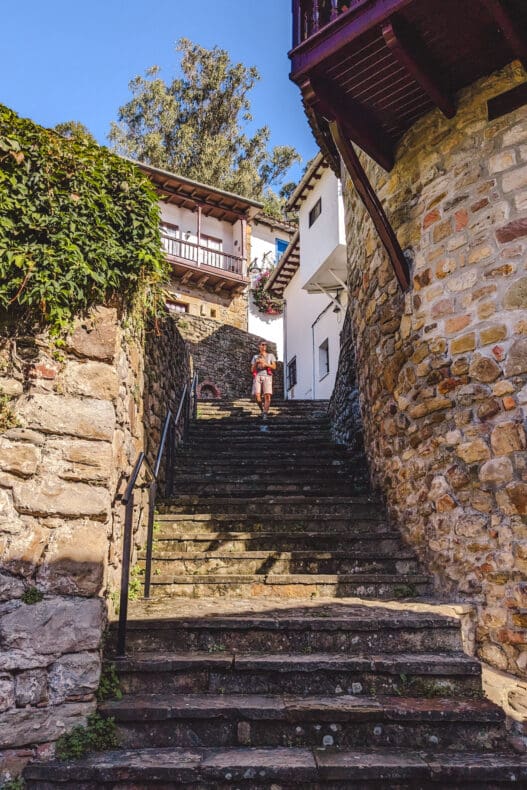
To reach the viewpoint, walk past the House of Seashells, heading inland, away from the sea and the harbor. You’ll soon spot a long staircase leading up. This staircase winds its way through charming houses and lovely façades, taking you toward the San Roque ruins. Though it’s a short climb, the reward at the top is well worth the effort: a sweeping view of the village, the beach, and the dramatic coastline that hugs Tazones.
#4 Iglesia de San Miguel (Church of San Miguel)
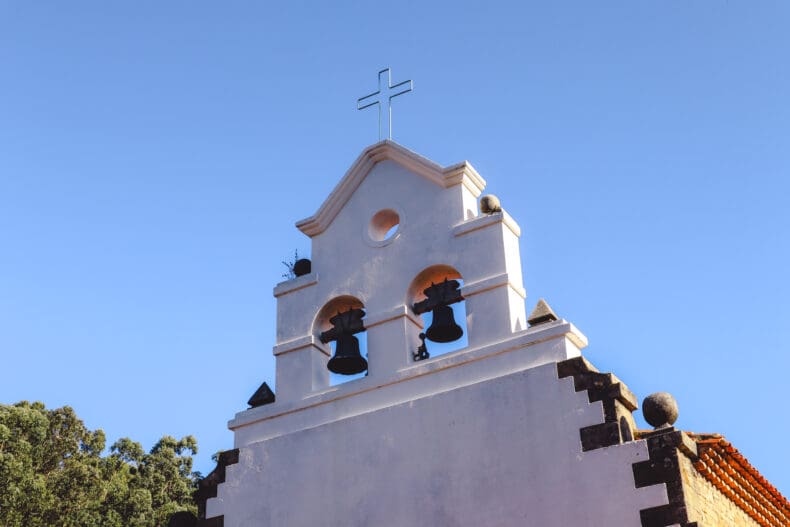
The main church of Tazones stands right at the village entrance, conveniently located next to the visitor parking area, making it an easy and essential stop during your visit.
Built in 1950, the Iglesia de San Miguel was constructed to replace the original San Roque chapel, whose ruins still stand today as a charming viewpoint. The church is a modest but striking building, with a bright white façade adorned with two bells at the top. What makes it particularly interesting is that while the front is neatly plastered, the back reveals the natural beauty of exposed stone. Inside, the church maintains the same simplicity, offering a tranquil, unpretentious atmosphere that perfectly mirrors the peaceful spirit of this coastal village.
#5 Playa de Tazones
Playa de Tazones stretches for 200 meters along the coastline, right beside the village. Nestled between two towering cliffs, the village sits along the eastern cliff, where a small sandy beach gently meets the sea.
When the tide is high, the beach almost disappears, as the waves roll up to the harbor, often splashing over the edge. Something we learned firsthand, so be cautious! The combination of the rugged coastline and the narrow stretch of sand creates a truly stunning sight, especially in the gentle light of the early morning.

#6 The Celebration of Charles V
As mentioned earlier, Tazones holds historical significance as the place where the famous Charles V first set foot in Spain in 1517. Each year, on August 17th, the village commemorates this momentous landing with the lively San Roquín festivities. The entire town, dressed in colorful period costumes, comes together to recreate the landing in an entertaining reenactment. Alongside this, other activities offer a fascinating glimpse into 16th-century daily life. During our visit, we saw photos of these vibrant celebrations displayed on signs throughout the village. It’s worth taking a moment to stop and admire them to get a sense of how Tazones honors this special chapter in its history.
For those looking to enjoy a scenic stroll, the Ruta de Carlos V offers the perfect opportunity. This 11-kilometer (PR-AS-302) trail leads visitors from Tazones to Villaviciosa, tracing the path once walked by Charles V himself. It’s an ideal way to connect with the history and beauty of the region.
#7 Cider & Seafood
No trip to Tazones would be complete without indulging in its local cider and seafood: two culinary staples that are deeply woven into the fabric of the region’s culture and traditions.
The main street, with its cobbled walkways and picturesque buildings, is dotted with inviting little restaurants where you can enjoy the freshest fish and seafood. During our visit, we saw live lobsters with their claws tied up, neatly arranged in baskets outside the doors. As vegetarians, it was a sight that made us feel a little uncomfortable, but it’s an integral part of the village’s food culture.
Cider (sidra in Spanish) is another cherished pride of Asturias. The local cider bars, known as siderías, offer an experience that’s as much about the spectacle as it is about the taste. Here, the cider is poured from an impressive height into the glass. This dramatic pouring method isn’t just for show: it serves to release the full range of flavors and aromas, elevating the drink to something truly special.
#8 The Jurassic Coast
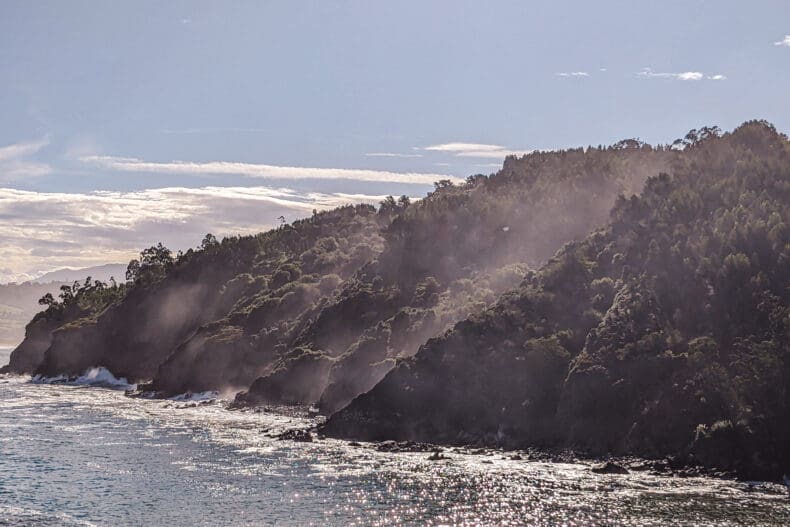
The Jurassic Coast near Tazones is a must-see destination for nature lovers and history buffs alike. This stretch of coastline is a treasure trove of fossilized remains and dinosaur footprints embedded in the rocks, with the Tazones area being especially famous for its remarkably well-preserved fossils.
Along this scenic coastline, you’ll find these ancient relics waiting to be uncovered. At low tide, the footprints of these prehistoric giants are exposed, and a map of the dinosaur tracks will guide you to the best spots. One of the most impressive sights is located near the Tazones Lighthouse, a striking white tower built in 1864 that stands proudly beside the village.
To reach the cliffs where the fossils were discovered, head to the left side of the road that leads to the lighthouse. Along the way, informative signs and markers will direct you, ensuring you stay on the right path. As you walk along the rugged coastline, you’ll be able to spot three-toed footprints, an imprint of a dinosaur tail, and other fossilized remains, at least, that’s what they say!
For those truly passionate about the region’s prehistoric past, a visit to the Museo del Jurásico de Asturias, located not far from Tazones, is highly recommended.
#9 Ría de Villaviciosa
The Ría de Villaviciosa, located just a short distance from the charming village of Tazones, is a truly remarkable natural haven where fresh river water blends seamlessly with the salty sea. This stunning estuary, shaped by the ebb and flow of the tides, creates a unique brackish water environment that sets it apart as one of the most special spots in Asturias.
Covering a vast 1,085 hectares, this beautiful area was designated a partial nature reserve in 1995. It’s a true paradise for birdwatchers, with nearly a hundred different species either wintering here or pausing during their long migratory journeys. For anyone visiting Tazones and craving an unforgettable natural experience, the Ría de Villaviciosa is an absolute must-see.
We were fortunate to have the chance to wild camp here with our camper, right beside the stunning Playa de El Puntal. The location was simply breathtaking, with the beach just steps away and picturesque boardwalk paths meandering along the coast, offering a serene escape into nature..
#10 Lastres
A trip to Tazones wouldn’t be truly complete without a visit to the charming fishing village of Lastres, just a short distance away. Lastres is famous for its stunning location, clinging to the edge of a steep coastline with views that are nothing short of breathtaking. Like Tazones, it holds a spot on the prestigious list of Spain’s most beautiful villages. Though both villages are small, they offer plenty of charm, making it easy to explore them both in a single visit. The combination of their distinctive beauty and serene atmosphere makes for an unforgettable day of discovery.


