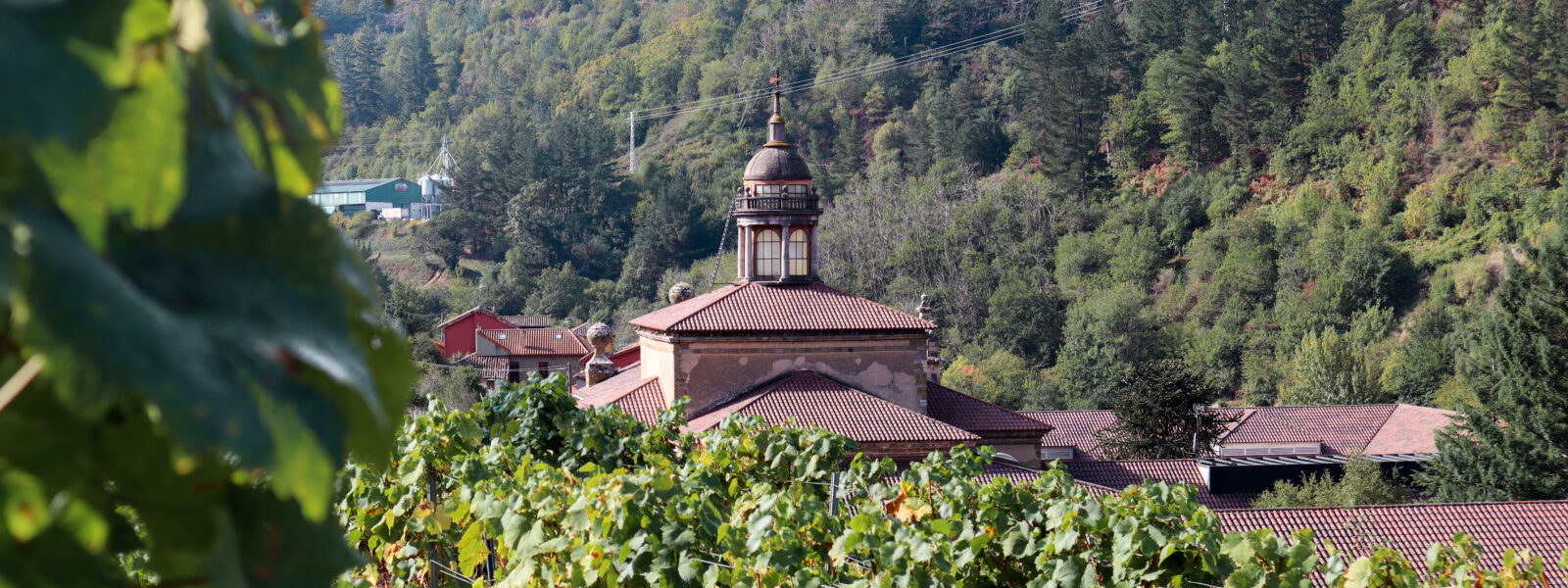
Anyone travelling through the rugged north of Spain will probably hear about Parador Monasterio de Coria as one of the most remarkable places to stay in Spain. Located in Cangas del Narcea, this historic monastery is tucked between the mountains and vineyards of Asturias, just outside the village. Trust me, this unique monastery hotel feels like a destination all on its own.
During my press trip with Turismo de Asturias, I spent one night here, and it quickly became one of the highlights of the journey. Staying in a Spanish parador had been on my bucket list for a long time, but this location surpassed every expectation. The atmosphere is calm and understated, with peaceful cloisters, high ceilings, and thick stone walls that bring the past to life. At the same time, the hotel feels refreshingly modern, with spacious rooms, a great restaurant, and an elegant spa.
Parador Monasterio de Corias is often praised as one of the most beautiful Paradores in the region, and I now understand exactly why. In this blog, you will find everything about my stay at this special monastery hotel in Spain, along with tips for exploring the surrounding area.
Where is Parador de Corias Located?
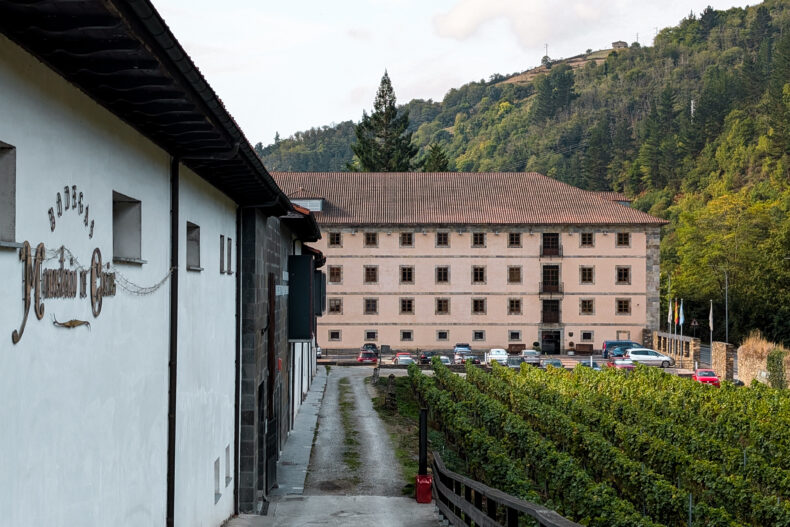
Parador Monasterio de Corias sits on the edge of Cangas del Narcea, a charming mountain village in the heart of Asturias. From Oviedo, the drive takes a little over ninety minutes, following winding roads that become greener and more beautiful as you travel deeper into the valley.
The monastery is set just outside the centre, next to the River Narcea, and is surrounded by forests and vineyards. From the Parador you can walk to the village in only a few minutes, where small shops, cafés, and cosy wine bars are waiting to be discovered. The area is full of walking routes, and the impressive Muniellos forest is less than a half hour away by car. The Fuentes del Narcea biosphere reserve also begins almost at the doorstep.
What is a Parador exactly?
A parador is not just a hotel. It is the Spanish idea of a historic dream stay. Picture old monasteries, castles, or palaces that have been transformed into inviting places where you can sleep, enjoy good food, and fully unwind. The concept began almost a century ago, when Spain searched for a way to protect remarkable buildings while giving travellers something truly special.
Today there are more than ninety paradores across the country, each with its own style and story. What they share is a sense of history, delicious food, and a calm atmosphere that makes you slow down the moment you arrive. For me, spending the night in a parador in Spain had been on my bucket list for years, and I have now been lucky enough to experience twice that it was completely justified.
A Monastery with History
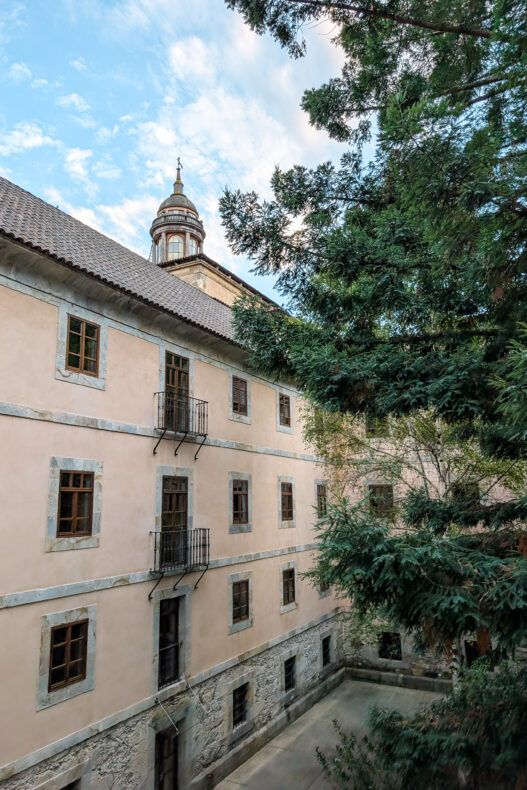
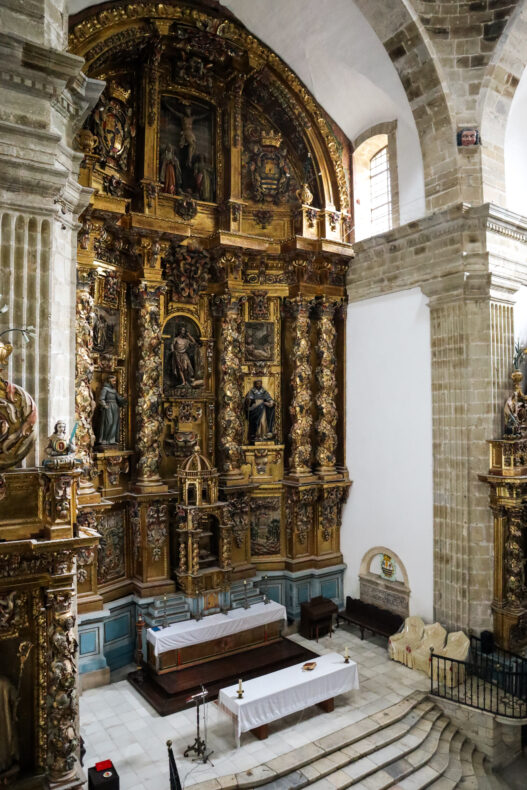
When you arrive at Parador Monasterio de Corias, you feel at once that this is far from an ordinary hotel. The complex was founded in 1032 by Counts Piniolo and Aldonza and was home to Benedictine monks for many centuries, followed later by the Dominicans. The Dominican order is still present today. The monastery is divided into two sections, with the monks continuing to use their own wing while the rest has been transformed into a parador. Their side still includes a large church that remains in daily use. It gives the building a remarkable atmosphere, as if its long history is still quietly unfolding around you.
During the renovation, the original entrance on the river side proved impractical because there was no space for parking. The main access was therefore moved to the side that faces the vineyards, where a new parking area was created with views of the surrounding mountains. While the ground was being prepared, archaeologists discovered the remains of the very first church built on this site in the eleventh century. These remains, along with various historical objects, can now be seen in a small museum in the basement, where you can quite literally walk among traces of the past.
Sleeping Between Monastery Walls
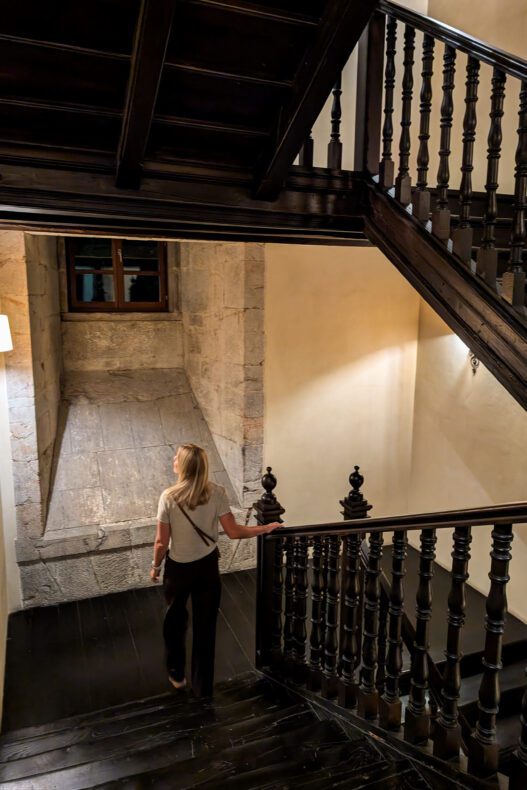
At the reception desk I am given my room key, and it really is a key. Not a keycard, but a traditional, weighty key with a metal tag attached to it. I head up one floor and walk along an impressively wide corridor toward my room. The walls are thick, the ceilings are high, and everything feels grand and full of history. Next to my solid wooden door I notice a pair of wooden Asturian clogs, the traditional madreñas that farmers once wore to keep their homes clean. It is such a small and charming touch, perfectly in tune with this place.
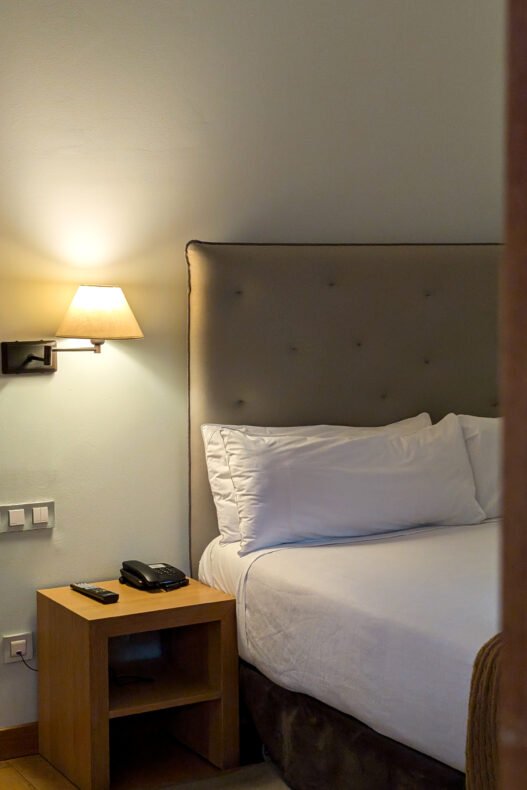
Behind the heavy wooden door is a room filled with character, yet offering all the comfort of a modern luxury hotel. There are now sixty-four rooms in total, each one spacious and tastefully decorated. My room has tall windows with wooden shutters and a view of the courtyard. A large bed with crisp linen, a luxurious bathroom with a bathtub and double sinks, and that special atmosphere you only find in historic buildings.
Good to know: a stay here is also surprisingly well priced for a luxury hotel of this level. Rooms start at around €80 per night, depending on the season.

Dining in a Chapel and Relaxing in the Spa
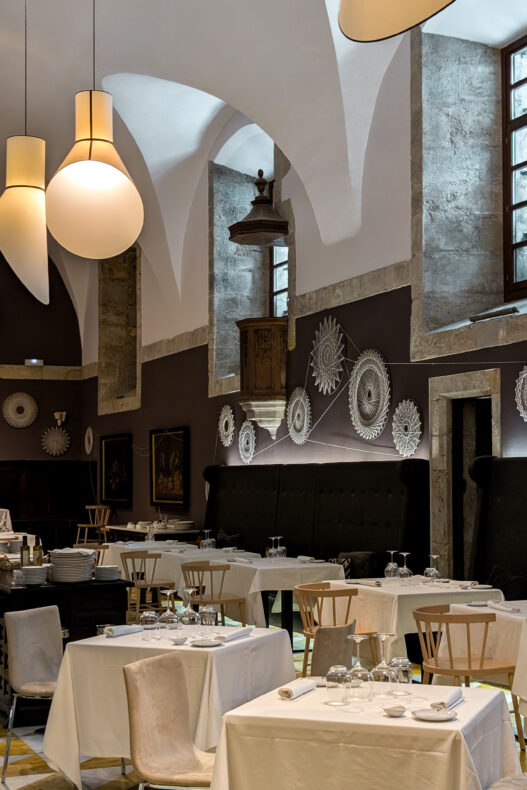
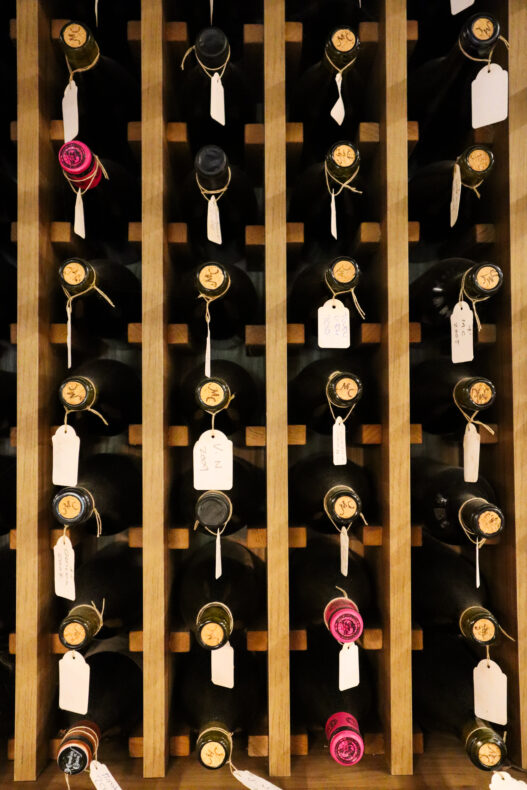
What makes this parador so enjoyable is that there is much more to do than simply sleep. Inside the monastery we had lunch and dinner in a lovely restaurant, where the kitchen focuses on local products from Asturias. The menu features classics such as fabada asturiana, rich stews with game, and cheeses from the region. The wine list is especially memorable, with wines from the vineyards around Cangas del Narcea. You can quite literally taste what grows just outside.
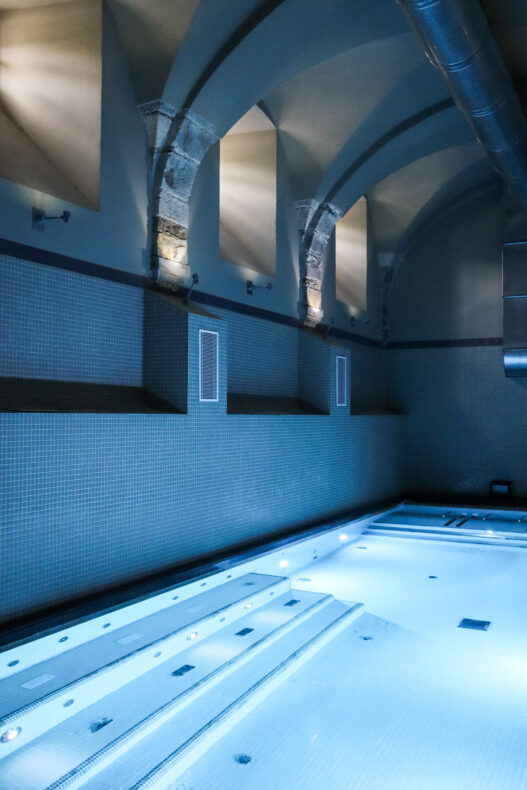
You can also unwind in the spa, which has been created in the old monastery cellars. There are two indoor pools and a sauna, as well as comfortable loungers where you can rest for a while. The courtyard and the lounges also invite you to relax with a book or a glass of wine.
Make sure to visit the beautiful library too, a peaceful place to read, surrounded by old wooden cabinets and the warm scent of paper and history. You can even take a book with you. It works as a small exchange library, so you leave behind a book you have finished and pick up another one. There were even a few Dutch and English titles on the shelves.
And for anyone curious about the building itself, there is a guided tour every day. It takes you to areas that normally stay closed, such as the old monastery church. It gives you a full sense of the history and atmosphere of this remarkable place.
Best Things to Do in Cangas del Narcea
Anyone staying in Cangas del Narcea finds themselves in the middle of one of the greenest and least touristy regions of Asturias. The historic village is full of charm, with narrow lanes, stone bridges, and a handful of cosy cafés and wine bars. In the centre you will find the Church of Santa María Magdalena, the Omaña Palace, and several houses decorated with carved coats of arms that hint at the wealth of earlier centuries.
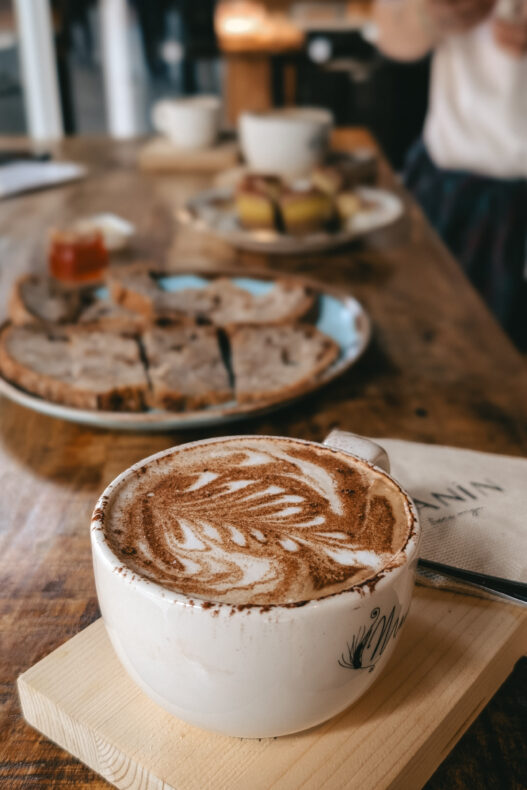
For coffee and a memorable slice of cake, Manín is a great choice, a bakery known for its artisanal bread. In summer, stopping for an ice cream next door at Llamber, a sister brand of Manín, feels almost impossible to resist. Their ice creams and chocolates have won several awards and make every visit to Cangas even sweeter. We were even given a personal tour and tasted many of their creations, which turned into one of the highlights of our stay in Cangas del Narcea.
For most visitors, the real appeal lies in the nature surrounding the village. From Cangas, you can reach the Muniellos nature reserve in about half an hour, an ancient protected forest listed as a UNESCO World Heritage Site. The Fuentes del Narcea, Degaña and Ibias biosphere reserve also begins practically at the edge of the village. The wider area is filled with small wineries to visit, walking routes through mountain villages, and beautiful viewpoints.
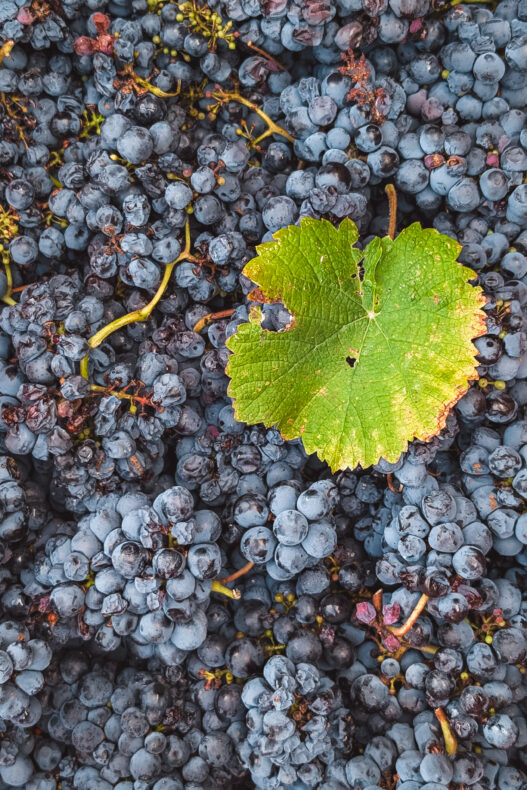
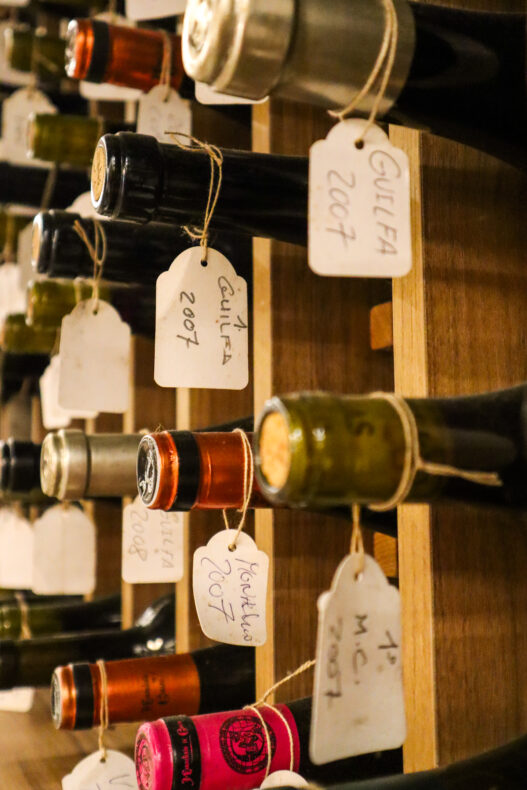
Cangas del Narcea is especially known as the only wine region in Asturias. Winemaking here dates back to the Middle Ages, when the monks of Corias planted vines on the steep mountain slopes. That tradition continues today, with vineyards that benefit from a unique microclimate. This is where vino de Cangas is produced, a local wine with a protected designation of origin (d.o.p.). A wine tasting truly belongs on any itinerary. We did ours at Bodega Monasterio de Corias, located right next to the parador.
Fun Fact: this winery once operated inside the monastery itself. It was housed in the cool rooms where you will now find the two swimming pools.

I stayed at Parador de Corias and explored Cangas del Narcea during a press trip in collaboration with Turismo Asturias.


