Trying to choose between Lanzarote and Fuerteventura? You are definitely not alone. These two eastern Canary Islands sit close together and both promise sunshine, beautiful beaches, and a warm, dry climate for most of the year. On paper, they sound almost identical. But once you start exploring, you quickly realise they offer very different experiences.
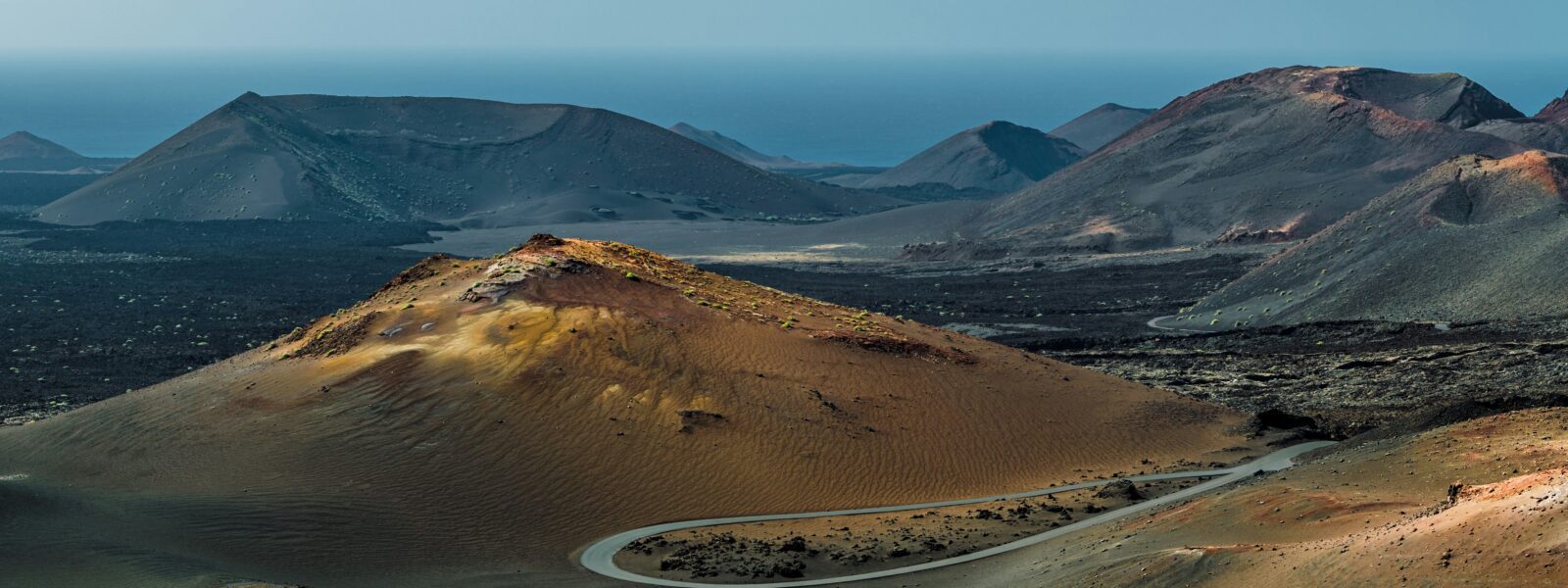
Lanzarote feels bold and distinctive from the moment you arrive. Its volcanic landscapes shape the entire island, creating dramatic scenery that feels almost otherworldly. Black lava fields, striking viewpoints, and carefully designed architecture give the island a strong sense of identity. Fuerteventura, in contrast, is all about space and simplicity. Here, wide horizons, rolling dunes, and long, untouched beaches create a calm and open atmosphere. It is less about dramatic contrasts and more about freedom, quiet, and endless coastal views.
In this blog, we compare Lanzarote and Fuerteventura across six important categories: nature, beaches, climate, atmosphere, who each island suits best, and the kinds of activities you can expect. By looking at these key differences side by side, you will get a clearer picture of what makes each island special. This will help you decide which one fits your travel style, expectations, and plans.
Are you drawn to unique landscapes, creative design, and a mix of culture and nature? Or are you looking for pure relaxation, long beach days, and plenty of space to breathe? Maybe you want a bit of both, but are not sure which island delivers it best.
By the end of this comparison, you will feel more confident about your choice. And you might even discover what we did: that Lanzarote and Fuerteventura both have their own charm, and that choosing just one can feel almost impossible.
Explore all our tips for Lanzarote →
Discover all our tips for Fuerteventura →

The Islands at a Glance
- Size: 845 km²
- Population: around 155,000 residents
- Landscape: a volcanic island with dramatic, moonlike scenery
- Capital: Arrecife
- Highest point: 670 metres at Peñas del Chache
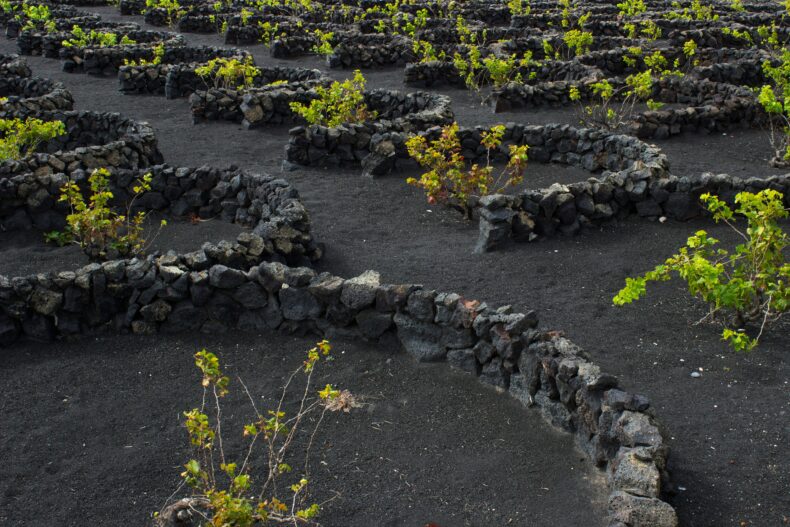
- Famous natural highlights: Timanfaya National Park, La Geria, and the Papagayo Beaches
- Main seaside resorts: Puerto del Carmen, Playa Blanca, Costa Teguise
-
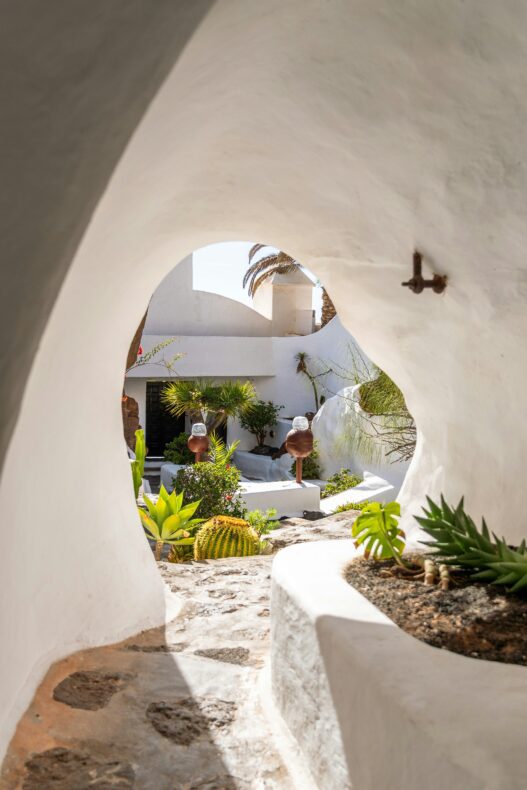
Known for: the unique art and architecture of César Manrique and its characteristic whitewashed buildings
- Size: 1,660 km²
- Population: around 120,000 residents
- Landscape: dry and desert-like, with wide open spaces and volcanic hills
- Capital: Puerto del Rosario
- Highest point: 807 metres at Pico de la Zarza
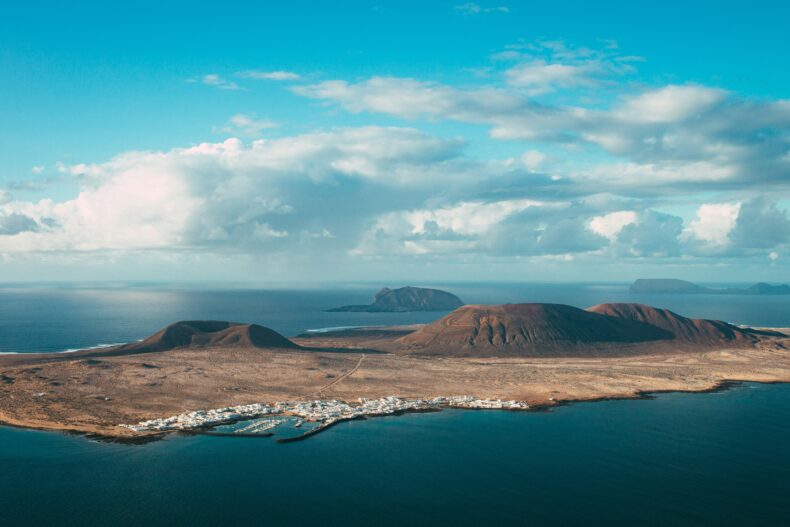
- Famous natural highlights: Corralejo Natural Park, Cofete Beach, Isla de Lobos
- Main seaside resorts: Corralejo, Costa Calma, Morro Jable
-
Known for: endless white sand beaches and excellent surf conditions
#1 Nature and Landscape
Lanzarote feels almost like stepping onto the surface of the moon. From the moment you arrive, you notice its strong volcanic character. Powerful eruptions in the eighteenth and nineteenth centuries shaped the island into the dramatic landscape you see today. In Timanfaya National Park, you pass endless lava fields, deep craters, and red and black hills where barely anything grows. The scenery feels raw and intense, and sometimes almost unreal. Volcanic activity is not just part of Lanzarote’s history. It still shapes the island’s identity and atmosphere in a very visible way.
What truly sets Lanzarote apart is the influence of artist and architect César Manrique. He was determined to protect the island from uncontrolled mass tourism and wanted development to respect the natural surroundings. Because of his vision, high rise buildings were never allowed and houses were built in white with green or blue details. This gives the island a calm and unified look. He also created remarkable places such as Jameos del Agua and Mirador del Río, where architecture and nature flow into each other in a very natural way. As you explore the island, you notice how balanced everything feels. The villages, the landscape, and the viewpoints all seem to belong exactly where they are.
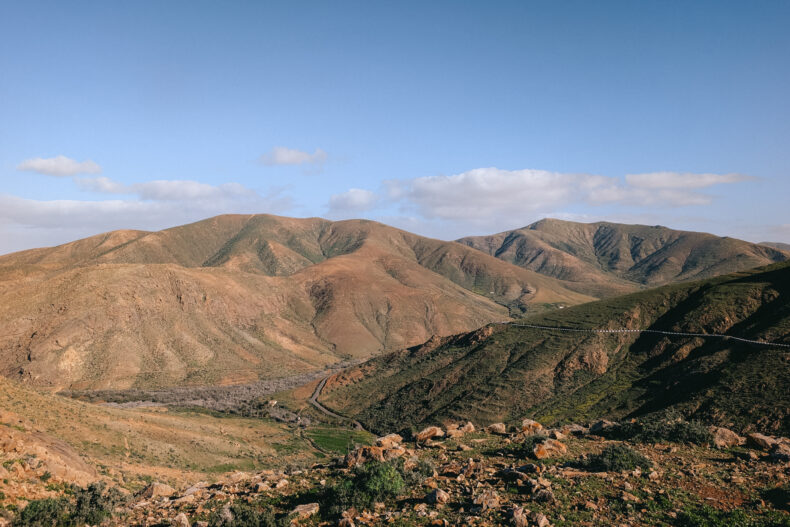
Fuerteventura also has volcanic origins, but its landscape is much older and has been softened by centuries of wind and weather. The volcanoes are lower and rounder, blending more gently into the surroundings. The island feels larger, more open, and clearly drier. You will drive past bare hills, wide plains, and long stretches of road with hardly any buildings in sight. That sense of space is what defines Fuerteventura for us and makes it feel wilder and more untouched than many of the other Canary Islands. In the north, the white sand dunes of Corralejo Natural Park create a bright and almost desert like landscape. In the south, remote areas such as Cofete Beach offer a rugged coastline with a powerful and untamed atmosphere. The scenery may be less dramatic than on Lanzarote, but it has a quiet and expansive beauty. Soft earth tones, empty roads, and wide horizons give the island a feeling of freedom that is hard to match.
In short:
Lanzarote is bold, volcanic, and carefully shaped with a clear visual identity. Fuerteventura is more spacious, more rugged, and all about openness and nature in its purest and most peaceful form.

#2 Beaches and Coastline
When it comes to beaches, the difference between Lanzarote and Fuerteventura becomes clear almost immediately.
On Lanzarote, most of the sandy beaches are found along the east coast. Around Puerto del Carmen, Costa Teguise, and Playa Blanca, you will find golden stretches of sand that often sit right next to a promenade or a lively resort town. This makes them easy to access and perfect for a relaxed beach day with everything close at hand. You can walk straight from your hotel to the beach, grab lunch nearby, and enjoy the comfort of sunbeds and facilities. The west coast feels very different. Here, the Atlantic is stronger and more dramatic, with steep cliffs and powerful waves. It is a stunning coastline to admire, but in most places it is less suitable for swimming.
The most beautiful beach area on Lanzarote is without question the Papagayo Beaches. This collection of small bays offers clear turquoise water and a wide, natural setting without large hotels or busy boulevards. There is a peaceful and open feeling here that makes it special. It feels more untouched and closer to nature than many other beaches on the island. Another well known beach is Famara Beach in the northwest. With its wide sandy shore and steady wind, it attracts surfers and anyone who loves a more wild and open coastal landscape.
Fuerteventura is a different story altogether. This island is defined by space and scale. The beaches are incredibly wide and often stretch for kilometres, so it is easy to find a quiet place even in busier seasons. In the north, near Corralejo, long white beaches extend towards the horizon with views of Isla de Lobos. You will also find lovely beaches near El Cotillo, some of which are sheltered by natural rock formations. In the south, Sotavento Beach offers a vast and open stretch of sand where the water slopes gently, making it ideal for swimming and long walks along the shore. Around Costa Calma and Morro Jable, you will find broad sandy beaches with clear water and plenty of space to truly unwind. One thing to remember on Fuerteventura is the wind. It keeps temperatures pleasant and is one of the reasons the island is so popular with surfers and kitesurfers.
In short:
Lanzarote offers attractive beaches and scenic bays, especially along the east coast, with Papagayo as the clear highlight. Fuerteventura is all about endless white sand and a strong sense of freedom and openness. For us, Fuerteventura stands out when it comes to beaches.
#3 Climate and Sunshine
If sunshine is your main reason for travelling, you really cannot go wrong with either Lanzarote or Fuerteventura. Both islands have a dry, pleasant climate with very little rainfall and mild winters. Even in January, daytime temperatures often range between 20 and 24 degrees Celsius, which feels wonderfully warm compared to much of Europe. In summer, temperatures usually climb to around 30 degrees, but thanks to the steady breeze it rarely feels sticky or overwhelming.
Lanzarote tends to feel a little calmer in terms of weather. Because the island is more compact, it offers slightly more protection from strong winds. The east and south coasts in particular enjoy long hours of sunshine throughout the year. From a weather perspective, these areas are especially reliable. A few times each year, Lanzarote may experience a calima. This is a warm wind coming from the Sahara that carries fine dust and sand across the islands. During these days, temperatures rise and the sky can appear hazy. It often feels hotter and drier than usual, but the effect is temporary and usually lasts only a short time.
Fuerteventura has a reputation for being both the sunniest and the windiest of the Canary Islands. The constant breeze is a big advantage during the hot summer months, as it keeps the temperature comfortable and the air feeling fresh. In winter, that same wind can sometimes feel cooler, especially if you are sitting near the sea. Like Lanzarote, Fuerteventura can occasionally experience a calima. The southern part of the island, around Costa Calma and Morro Jable, is generally seen as the most dependable area for sunshine and stable weather.
In short:
Both islands offer excellent conditions for a sunny holiday at almost any time of year. Lanzarote feels a bit more sheltered and calm, while Fuerteventura is often slightly sunnier but also breezier. When it comes to climate and sunshine, we do not see a clear winner.

#4 Atmosphere and Mass Tourism
Lanzarote has a calm and well cared for atmosphere that you notice straight away. From the moment you arrive, everything feels consistent and thoughtfully designed. Buildings are low rise, painted white, and simple in style. This is not by chance, but the result of the vision of artist and architect César Manrique. He wanted development to respect the landscape, and that vision still shapes the island today. Because of this, Lanzarote feels organised, harmonious, and visually balanced.
The main seaside resorts such as Puerto del Carmen, Costa Teguise, and Playa Blanca are clearly designed with tourists in mind. You will find plenty of restaurants, shops, and hotels. Even so, they rarely feel chaotic or overcrowded. The atmosphere is lively but controlled, and everything appears neat and well maintained. What makes Lanzarote special is how quickly the scenery changes. Drive just a few kilometres away from the coast and you are back in the middle of open volcanic landscapes, surrounded by silence and wide views.
Fuerteventura offers a different kind of atmosphere. It feels less polished and less carefully styled, but also more open and relaxed. The resort towns focus mainly on sun and beach holidays, yet they have a simpler and more easygoing character. Places like Corralejo, Costa Calma, and Morro Jable offer everything you need for a comfortable stay, from restaurants to water sports and beach facilities. Still, the island rarely feels crowded on a larger scale. Once you leave these towns, you quickly find yourself surrounded by open land, quiet nature, and long stretches of empty road. That sense of space gives Fuerteventura a feeling of freedom that is hard to describe until you experience it yourself.
In short:
Both islands depend on tourism and are well equipped to welcome visitors. Lanzarote feels more refined and carefully planned, with a strong sense of visual unity. Fuerteventura feels more relaxed, less structured, and defined by space and openness.

#5 Who Is Each Island Best For?
Lanzarote is an excellent choice if you are looking for more than only sun and sand. The island has a distinct personality that you notice almost straight away. It feels as though careful thought has gone into every detail, from the buildings to the way the landscape is presented. That gives Lanzarote a unique charm. It is especially appealing for couples, travellers who value peace and quiet, and anyone who enjoys combining nature with culture and architecture. You might spend a relaxed morning on the beach, then head inland in the afternoon to taste local wines in La Geria or visit one of the island’s impressive viewpoints overlooking the volcanic scenery.
What truly makes Lanzarote stand out is its strong cultural and architectural identity. You can visit the former homes and museums of César Manrique and learn more about the creative vision that shaped the island. There are also remarkable places such as Jameos del Agua and Cueva de los Verdes, where art and nature blend beautifully inside lava caves and dramatic rock formations. These experiences give Lanzarote an artistic and almost imaginative atmosphere that feels less present on Fuerteventura. Because the island is relatively compact and easy to navigate, it is also very suitable for a shorter holiday without feeling rushed.
Fuerteventura, on the other hand, is perfect if your main aim is to unwind completely. This is the island for true beach lovers, surfers, and anyone who appreciates wide horizons and open space. Its long sandy beaches and expansive landscapes create a sense of calm and freedom. It feels less structured and more natural in its layout, which many travellers find refreshing. Families are drawn to the many child friendly beaches with gently sloping shores and shallow waters. For surfers and kitesurfers, Fuerteventura is a dream destination thanks to the steady wind and reliable waves. The island’s openness also makes it particularly appealing for those travelling by camper van. Many visitors by ferry from mainland Spain, and even though you may see quite a few fellow campers, the island rarely feels overcrowded or busy.
In short:
Lanzarote is ideal if you want to combine nature, culture, and beach time in one well balanced trip. Fuerteventura is the perfect match if you are seeking space, relaxation, and long, carefree days by the sea. It remains a favourite among water sports enthusiasts and travellers exploring by camper.

#6 Activities and Highlights
When it comes to things to see and do, the differences between Lanzarote and Fuerteventura become even more noticeable.
On Lanzarote, much of the experience centres on the island’s remarkable landscape and the thoughtful way it has been shaped by human creativity. A visit to Timanfaya National Park is almost essential. As you travel through wide stretches of lava fields, you can clearly see how the island was formed by volcanic eruptions and flowing magma. The scenery is dramatic and at times almost unreal, with deep colours and unusual rock formations. Across the island, you will repeatedly come across the influence of César Manrique. His vision lives on in impressive places such as Jameos del Agua, Cueva de los Verdes, and Mirador del Río. These are not standard attractions, but carefully designed spaces where nature and architecture come together in a natural and elegant way. Add the unique vineyards of La Geria, the historic streets of Teguise, and the many panoramic viewpoints spread across the island, and you will find there is more than enough to discover without ever feeling rushed or overwhelmed.
Fuerteventura offers a more straightforward selection of activities, yet that simplicity is exactly what many travellers love about it. Life here revolves around being outside and making the most of the open landscape. You might spend your morning surfing near Corralejo, take a long walk along the wild and windswept coast of Cofete, join a boat excursion to Isla de Lobos, or simply wander for hours along wide, sandy beaches. The focus is much less on cultural landmarks and much more on nature, fresh air, and relaxation. You do not come to Fuerteventura for museums or grand architecture, but for open horizons, ocean views, and an active lifestyle by the sea.
In short:
Lanzarote offers more variety and a stronger cultural dimension. Fuerteventura focuses on beaches, water sports, and enjoying the outdoors at your own pace.
Conclusion: Lanzarote or Fuerteventura?
Both islands are fantastic choices for a sunny getaway, but they offer a clearly different experience. Are you drawn to an island with a strong identity, dramatic landscapes, and a richer cultural touch? Then Lanzarote will probably feel like the better match. Here you can pair impressive volcanic scenery with distinctive architecture, panoramic viewpoints, and creative attractions. It is easy to spend your mornings unwinding on the beach and your afternoons exploring something new. The island offers a satisfying balance between relaxation and discovery, without ever feeling too busy.
Or do you prefer endless stretches of sand, wide open views, and a truly relaxed atmosphere? In that case, Fuerteventura is a wonderful choice. Life on this island is all about sun, sea, and a feeling of freedom. Picture long, unhurried beach days, quiet surroundings, and plenty of chances to surf, swim, or simply lie back and enjoy the sound of the waves. It is the kind of place where you quickly fall into a slower rhythm and leave everyday stress behind.
We often hear people describe Lanzarote as more interesting, while suggesting that Fuerteventura can seem a little plain. We understand that perspective, since Lanzarote has more striking landmarks and clearly defined sights. Even so, we personally appreciate the calm, authentic, and slightly rugged character of Fuerteventura more than the carefully planned and polished atmosphere of Lanzarote. Ultimately, it is a matter of taste and the type of holiday you are hoping to have.
As you have seen throughout this guide, the comparison is naturally a bit simplified. Lanzarote also boasts lovely beaches, and Fuerteventura certainly offers enough variety to keep you engaged. Each island has its own strengths and its own charm, and each shines in a different way.
In short:
– Choose Lanzarote if you are drawn to dramatic volcanic scenery, distinctive architecture, and a holiday filled with variety and character. It is the ideal island if you enjoy combining beautiful landscapes with cultural highlights and memorable viewpoints.
– Choose Fuerteventura if you long for wide open space, endless sandy beaches, and a truly relaxed pace. It is perfect for slowing down, soaking up the sun, and enjoying the simple pleasure of long, carefree days by the sea.
Still not sure which one suits you best? There is no need to choose just one. The ferry connection between the islands is fast and easy, so you can comfortably visit both in a single trip. Or discover one island now and keep the other as a perfect excuse to plan your next winter sun getaway.


