Are you trying to decide which Canary Island is the most beautiful? You are certainly not alone. With six very different islands to choose from, the decision is harder than it looks at first glance. They are all part of the same Atlantic archipelago and blessed with sunshine throughout the year, yet the experience on each island can feel completely different. The landscapes, the atmosphere, and even the rhythm of daily life vary more than most people expect. One island is green and mountainous, another is rugged and shaped by volcanoes. One is known for long sandy beaches and lively resorts, while another is perfect for quiet villages, dramatic scenery, and unforgettable hiking trails.
We spent more than four months exploring every island with our family during the winter season. Because we visited them one after the other, the contrasts were fresh in our minds. We noticed the small details as well as the big differences. We experienced the changes in scenery, the shift in atmosphere, and the way each island feels once you settle in. Seeing them back to back gave us a clear and honest perspective on what truly sets them apart.
In this article, we take an in depth look at Tenerife, Gran Canaria, Lanzarote, Fuerteventura, La Palma, and La Gomera. We begin by introducing each island separately, highlighting what makes it special. After that, we compare them by theme, such as beaches, nature, activities, and overall vibe. This approach gives you a clear and practical overview, making it easier to decide which island suits your travel plans. By the end, you will not only have a better sense of which Canary Island might be the most beautiful, but more importantly, which one matches your personal idea of the perfect holiday.
Discover our tips and in depth articles for all the Canary Islands →

Tenerife
Tenerife is often mentioned in the same breath as Gran Canaria as a classic sun destination. That reputation is partly deserved, but it only tells part of the story. Yes, the south of the island is home to popular beach resorts such as Playa de las Américas, Los Cristianos, and Costa Adeje. In this part of the island, life revolves around long beach days, large resorts, sunny terraces, and vibrant nightlife. It is easy, comfortable, and designed for pure relaxation. But those who venture beyond this well known coastline soon realize that Tenerife has many more layers.
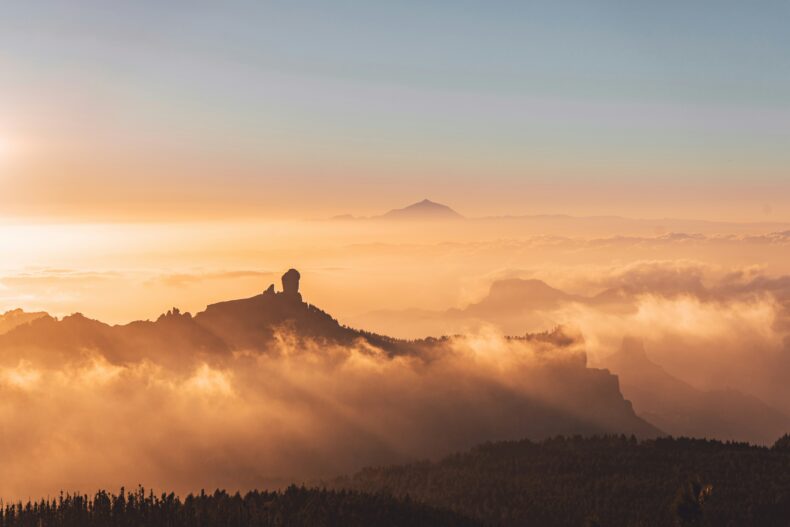
What truly makes Tenerife stand out among the Canary Islands is its incredible variety. At the heart of the island rises Mount Teide, the highest peak in Spain and an unmistakable presence visible from almost everywhere. Surrounding the volcano is a vast national park filled with lava fields, striking rock formations, and wide open landscapes that feel almost surreal. The scenery can change within a short drive. Travel north and the island transforms once again. The terrain becomes greener and more rugged, with misty forests and dramatic mountain ridges. Hiking areas such as the Anaga Mountains and the breathtaking ravine of Masca offer some of the most rewarding walks in the archipelago. This contrast between dry volcanic plains and lush mountain landscapes gives Tenerife a dynamic character that appeals to hikers, nature lovers, and travelers who enjoy being active outdoors.
Beyond beaches and nature, Tenerife also offers depth in its towns and cultural heritage. Historic places like La Laguna and Garachico bring charm and authenticity, with cobbled streets, colorful facades, and a slower local rhythm. They reveal a side of the island that feels traditional and rooted in history, something you will not always find in resort focused destinations. At the same time, Tenerife with kids is surprisingly easy and comfortable. The roads are good, facilities are well organized, beaches are accessible, and there are several large theme parks that make traveling with children simple and enjoyable.
Within the Canary Islands, Tenerife is the most complete all round option. It may not be the quietest island, and it is certainly not the most untouched, but it is the place where dramatic nature, inviting beaches, lively towns, and excellent facilities come together in a way that feels balanced and full.
Explore all our tips for Tenerife →

Gran Canaria
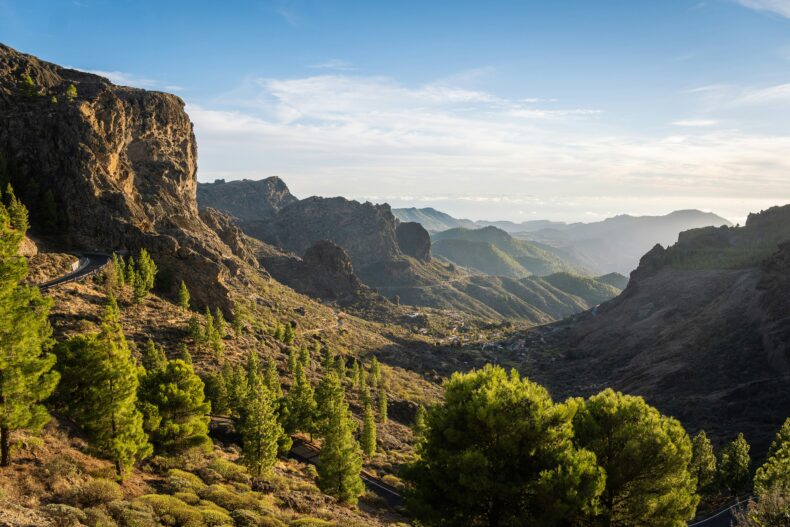
Gran Canaria is often placed in the same category as Tenerife. Many travelers think of it as a classic sun and resort destination, and at first glance that image makes sense. In the south, around Playa del Inglés, Maspalomas, and Meloneras, daily life revolves around long beach days, comfortable hotels, lively promenades, and evenings out. This part of the island is clearly geared toward tourism and mainly attracts visitors looking for reliable sunshine and a carefree holiday setting.
Yet Gran Canaria offers far more than its well known seaside resorts. Venture inland and the scenery changes quickly. The heart of the island is mountainous and surprisingly green, with winding roads that lead to scenic viewpoints and traditional villages such as Tejeda and Teror. Compared to the higher and often lusher Tenerife, Gran Canaria feels slightly drier and more compact. The landscapes may be less dramatic in scale, but they are impressively diverse within short distances. In the space of an hour, you can travel from sweeping sand dunes to rugged peaks, passing quiet valleys and rural communities along the way.
The famous Dunas de Maspalomas give the island a character all its own. These wide, rolling dunes, set right beside the Atlantic Ocean, create a striking landscape that feels almost like a small desert by the sea. Gran Canaria also stands out for its beaches. Broad stretches of golden sand are the rule rather than the exception, which makes it especially appealing for travelers who want to unwind and spend most of their time by the water.
Gran Canaria is straightforward to explore, enjoys dependable sunshine throughout the year, and feels manageable in size. It may not be as bold or varied as Tenerife, but in return it offers comfort, clarity, and ease. Within the archipelago, Gran Canaria feels like the most relaxed all round choice. It is less rugged and less green, yet for many visitors that balance makes it a reassuring, pleasant, and easy island to enjoy.
Discover all our tips for Gran Canaria →
Lanzarote
Lanzarote feels different the moment you arrive, especially when compared to Tenerife and Gran Canaria. The island is smaller and quieter, and its appearance is strikingly consistent. That strong visual identity comes partly from its volcanic scenery, but even more from the lasting influence of artist César Manrique. His vision helped shape modern Lanzarote. High rise buildings were largely prevented, and almost every house is painted white with green or blue shutters and doors. This careful approach gives the island a calm and balanced look, with a clear sense of harmony that you notice everywhere.
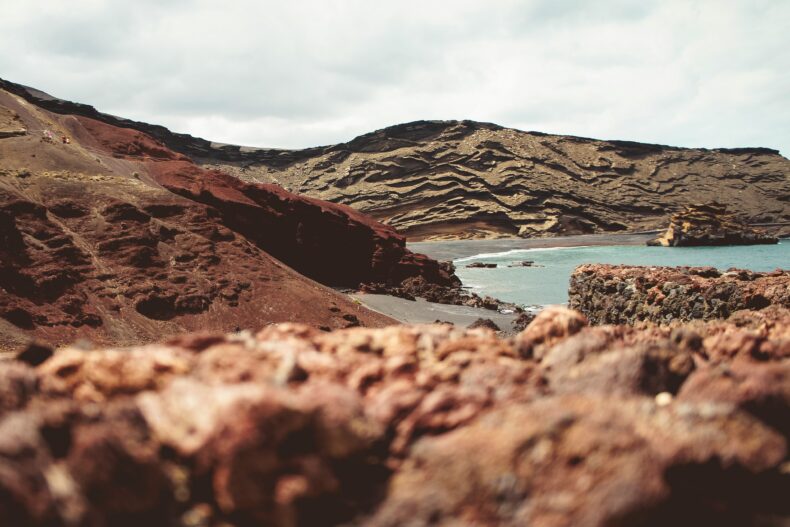
The landscape itself is dry, dark, and unmistakably volcanic. In Timanfaya National Park, vast lava fields stretch across the horizon, dotted with craters that still define the island’s dramatic character. The scenery feels raw and powerful, yet at the same time strangely beautiful. Compared to Tenerife, Lanzarote is less green and less mountainous, but it feels more compact and easier to understand. Distances are short, roads are straightforward, and most highlights are within easy reach, making it simple to explore at a relaxed pace.
Lanzarote receives less mass tourism than Tenerife and Gran Canaria, although the seaside resorts along the east coast and several well known attractions are clearly aimed at holidaymakers. What truly makes the island special is the way nature and architecture are woven together. Iconic places such as Jameos del Agua and Mirador del Río show how art can enhance the natural surroundings rather than compete with them. These sites add a creative and almost artistic layer to the island, giving it a personality that feels both authentic and carefully shaped.
Within the archipelago, Lanzarote stands out as the island with the most distinctive character. It is less versatile than Tenerife and less focused on long sandy beaches than Fuerteventura, yet it excels in atmosphere, thoughtful design, and landscapes that are instantly recognizable and hard to forget.
Discover all our tips for Lanzarote →
Fuerteventura
Fuerteventura is the island of space. While Lanzarote feels carefully shaped and visually refined, Fuerteventura feels wide open, raw, and untouched. It is larger than Lanzarote, yet much less densely populated. The difference becomes clear the moment you leave the main resort towns. The landscape opens up into long, quiet roads, low rugged hills, and broad plains that stretch far into the distance. There is a sense of stillness here that is hard to find elsewhere.
The island’s landscape is volcanic in origin, but it is far older and more weathered than that of Lanzarote or Tenerife. Over time, wind and erosion have softened the contours. The result is scenery that feels less dramatic, yet more soothing and expansive. Nature on Fuerteventura is not about towering peaks or deep green forests. It is about endless horizons, changing light, and the quiet beauty of open land meeting the sea. Its charm lies in its simplicity and in the strong sense of freedom it gives you.
The true highlight of Fuerteventura is its beaches. They are, without question, the longest and widest in the entire archipelago. In the north, the rolling dunes of Corralejo Natural Park create a landscape of sand and sea that feels almost untouched. In the south, Sotavento Beach stretches out in broad, open bays where wind and water shape the shoreline each day. This is the island you choose for ocean views, fresh sea air, and room to move. It is especially popular with surfers and kitesurfers who come for the reliable winds and steady waves. At the same time, it attracts many camper travelers who spend the winter here, drawn by the mild climate and relaxed rhythm of life.
Compared to Tenerife, Gran Canaria, and Lanzarote, Fuerteventura places less emphasis on culture and offers fewer contrasts in scenery. You will not find many historic towns or striking architectural landmarks. This is not an island of busy sightseeing days. It is a place to slow down, to clear your mind, and to truly relax.
Among the Canary Islands, Fuerteventura stands out as the quietest and most beach focused destination. Some travelers call it the most boring island, but for us, that sense of peace, space, and open landscape was exactly what made it unforgettable.
Discover all our tips for Fuerteventura →

La Palma
La Palma is the greenest and most nature driven of all the Canary Islands. While Tenerife still combines beach resorts with impressive scenery, daily life on La Palma revolves almost entirely around landscape and calm. The island is volcanic and lush, with steep slopes covered in greenery, and it has seen far less large scale tourism development. This gives La Palma a peaceful, authentic atmosphere that feels refreshingly untouched.
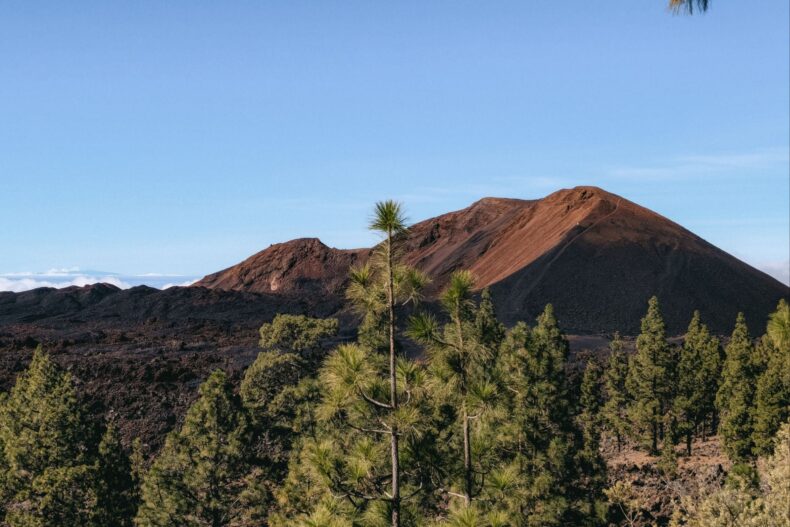
At the heart of the island lies Caldera de Taburiente National Park, a vast protected area that defines much of its character. It is a dream destination for hikers. Trails lead you through deep ravines, past small waterfalls, and under tall pine trees, all framed by dramatic mountain views. Compared to Tenerife, nature here feels less polished and sometimes less easy to access, but also more raw and genuine. The volcanic eruption of 2021 reshaped the western side of the island and reminded everyone that La Palma is still very much alive beneath the surface. New lava fields and freshly formed landscapes have become part of the scenery, adding another striking layer to its natural beauty.
Beaches are not the island’s main attraction. Most are black lava beaches, often smaller and rougher than those found on other islands. They have a wild charm of their own, especially when set against steep cliffs and the open ocean. However, if you are searching for long, golden sandy beaches, you will likely feel more at home on Fuerteventura or Gran Canaria.
La Palma mainly draws hikers, nature lovers, and travelers who value peace and space. Large resorts are rare, and nightlife is almost nonexistent. Among the Canary Islands, La Palma stands out as the most unspoiled, green, and mountainous destination. It may not be the obvious choice for a classic sun and beach holiday, but it is perfect if you are looking for dramatic landscapes, fresh mountain air, and a true sense of quiet.
Discover all our tips for La Palma →
La Gomera
La Gomera is the most authentic and tranquil of the larger Canary Islands. It sits just off the coast of Tenerife, yet from the moment you arrive it feels like a different world. There are no high rise resorts, no crowded promenades, and barely any signs of mass tourism. Daily life moves at a slower rhythm. The focus here is on nature, small villages, and a simple way of living that feels genuine and unspoiled.
The island does not have its own international airport, which adds to its sense of seclusion. Most travelers fly into Tenerife and then continue by ferry to La Gomera. The crossing takes about an hour and offers beautiful views across the ocean. This extra step makes the island slightly less convenient to reach, but it is also the reason it has remained so peaceful. Many visitors choose to split their stay between the two islands. You might begin with a visit to the iconic Mount Teide on Tenerife, then travel onward to unwind in the calm landscapes of La Gomera.
La Gomera is mountainous and green, with Garajonay National Park as its natural centerpiece. This UNESCO World Heritage Site is famous for its ancient laurel forest, often wrapped in mist, along with deep valleys and winding hiking paths. Walking here feels almost magical, especially when clouds drift through the trees. A local once described La Gomera as a smaller version of La Palma. Although it is more compact, it offers just as many rewarding hikes and outdoor experiences within a shorter distance.
Beaches are not the island’s main attraction. Most are small and dark, made of pebbles or volcanic rock rather than golden sand. Their beauty lies in their wild setting and dramatic surroundings. The largest and most pleasant beaches can be found in and around Valle Gran Rey, a relaxed seaside town with a slightly bohemian atmosphere. We would personally recommend Valle Gran Rey, located in the sunnier southern part of the island, as an ideal base. From there, you can comfortably explore the rest of La Gomera while enjoying some of its most reliable sunshine.
La Gomera mainly attracts hikers, travelers seeking peace, and those who prefer to stay away from busy tourist centers. Within the Canary archipelago, it stands out as the most untouched and least developed island. There may be fewer facilities and less entertainment, but in return you gain silence, open space, and a deep connection to nature that is increasingly rare.
Discover all our tips for La Gomera →

The Islands compared
Nature and volcanic landscapes
If you look at nature alone, the differences between the islands quickly become clear. La Palma is the greenest and most mountainous of them all, shaped by deep ravines and long hiking trails that wind through protected national parks. It feels wild, dramatic, and wonderfully untouched. Tenerife follows with the mighty Mount Teide rising high above the island. Tenerife is a place of strong contrasts, where the dry and sunny south feels completely different from the lush and fertile north.
Lanzarote stands out for its striking volcanic scenery. Large lava fields, unusual rock formations, and dark landscapes give parts of the island an almost otherworldly atmosphere. Fuerteventura, by contrast, is defined by wide open spaces and rolling sand dunes rather than dramatic peaks. La Gomera may be smaller in size, but it is surprisingly green, with misty laurel forests and steep valleys that make it a rewarding destination for walkers. Gran Canaria offers a bit of everything, from mountains to coastline, yet its natural highlights are less bold and less clearly defined than on some of the other islands.
Conclusion: for a truly immersive nature experience, La Palma takes first place, with Tenerife as a strong second.
Most Beautiful Beaches
When it comes to beaches, the picture changes immediately. Fuerteventura has by far the longest and widest sandy beaches in the archipelago. Here you can walk for miles along soft white sand, with plenty of open space all around you. Gran Canaria follows, especially in the south where the beaches are broad, easy to reach, and well maintained.
Tenerife also offers pleasant beaches, although they often feature darker sand and the coastline is generally less expansive. Lanzarote is known for beautiful sheltered coves such as Papagayo Beaches, but it has fewer long stretches of sand overall. La Palma and La Gomera are less suited to a traditional beach holiday, as their shores are usually smaller, wilder, and shaped by dark volcanic rock.
Conclusion: for wide sandy beaches and a real sense of freedom and space, Fuerteventura is the clear winner, followed by Gran Canaria and Lanzarote.
Climate and Sunshine Reliability
All of the Canary Islands enjoy a pleasant, mild climate throughout the year, which is one of the main reasons people return again and again. Still, there are clear differences between the islands. Fuerteventura and Lanzarote are the driest and usually record the highest number of sunshine hours. Days of uninterrupted blue skies are common here. Fuerteventura is especially known for its constant breeze, which can make it feel windier than the other islands, particularly along the coast. For some travelers this is refreshing, while for others it takes a little getting used to. Gran Canaria also performs very well when it comes to sunshine, especially in the southern part of the island around Maspalomas, where warm and sunny weather is the rule rather than the exception for most of the year.
Tenerife has more noticeable microclimates thanks to its varied landscape and significant differences in elevation. This creates a clear contrast between the greener and slightly wetter north and the drier, sunnier south. In La Palma and La Gomera, temperatures are on average a little lower and the air is more humid due to the mountainous terrain. Their lush landscapes are beautiful, but they also bring more clouds and a higher chance of rainfall, especially at higher altitudes.
Conclusion: if guaranteed sunshine is your top priority, Fuerteventura and Lanzarote are the safest choices, with Gran Canaria as a very solid alternative.
Atmosphere and mass tourism
The atmosphere differs greatly from island to island, and this often plays a major role in choosing where to stay. Tenerife and Gran Canaria have well defined tourist areas filled with large resorts, vibrant nightlife, and busy promenades. Beyond these lively zones, you can still discover more traditional towns and quieter villages, yet mass tourism is most visible on these two islands. Lanzarote feels calmer and more structured, partly due to its low rise buildings and consistent architectural style, which give the island a more harmonious look. Fuerteventura feels even more spacious, with vast open landscapes and less dense construction outside the main beach resorts.
La Palma and La Gomera remain the least developed. They mainly attract hikers, nature lovers, and travelers who value peace and quiet over entertainment and nightlife.
Conclusion: for those seeking tranquility and an unspoiled atmosphere, La Gomera stands out as the clear winner, followed closely by La Palma, with Fuerteventura taking third place.
Which island is right for you?
Each of the Canary Islands has its own character and attracts a slightly different type of traveler.
Tenerife is the most versatile of them all and appeals to a broad audience. It is a great choice for families, active travelers, and anyone who enjoys variety in a single trip. You can spend one day relaxing on the beach, the next exploring volcanic landscapes, and another wandering through lively towns. Gran Canaria is known for being accessible and comfortable, with a strong focus on sunshine, beaches, and ease. Everything feels close at hand, from resorts to restaurants and entertainment. The island is also famous for its open and welcoming LGBTQ community, particularly in and around Maspalomas. Both Tenerife and Gran Canaria offer a wide range of activities, good infrastructure, and plenty of family friendly accommodation, which makes them excellent options for travelers with children.
The eastern islands, Lanzarote and Fuerteventura, tend to attract a slightly older and more laid back crowd. Lanzarote is especially appealing to travelers who like to combine impressive natural scenery with culture and thoughtful design. The influence of César Manrique can be seen across the island, giving it a unique and harmonious look that feels both artistic and well balanced. Fuerteventura, on the other hand, is a paradise for beach lovers and anyone seeking peace and wide open space. It is particularly popular with camper van travelers and water sports enthusiasts, who come for the long sandy beaches and reliable winds.
La Palma is an ideal destination for hikers and true nature lovers who want to fill their days with mountain trails and forest walks. La Gomera attracts travelers who consciously choose to avoid mass tourism and busy resort areas. In many places you will notice a relaxed, slightly alternative atmosphere with a gentle hippie vibe, which gives the island its own distinctive charm and a strong sense of individuality.
Conclusion: which Canary Island is the most beautiful?
It may sound like a cliché, but there truly is no single island that can be crowned the most beautiful. The answer depends entirely on what you personally find beautiful and what you hope to experience during your holiday. For some, beauty lies in wild nature and dramatic views. For others, it is all about beaches, sunshine, and atmosphere. Each island offers its own unique kind of beauty, and that is exactly what makes the Canary Islands so special.
If you are drawn to powerful landscapes and lush green mountains, La Palma will likely leave the strongest impression. Its deep ravines, dense forests, and rugged scenery feel raw and untouched. If you are fascinated by bold volcanic landscapes where nature and design come together in a striking way, Lanzarote stands out from the rest. If your perfect setting includes long white beaches, clear turquoise water, and excellent conditions for surfing or other water sports, then Fuerteventura may well feel like paradise.
If you value variety and want to combine impressive nature, pleasant beaches, and lively towns in a single trip, Tenerife is a very strong choice. The iconic Mount Teide is unique within Europe and a true bucket list highlight. If you prefer reliable sunshine, comfort, and a compact island that still offers plenty of diversity, Gran Canaria is an excellent option. And if your ideal holiday revolves around peace, simplicity, and pure unspoiled nature, La Gomera is the island that will capture your heart.
In the end, there is no absolute winner. The most beautiful Canary Island is simply the one that matches your travel style, your interests, and the kind of memories you want to create.