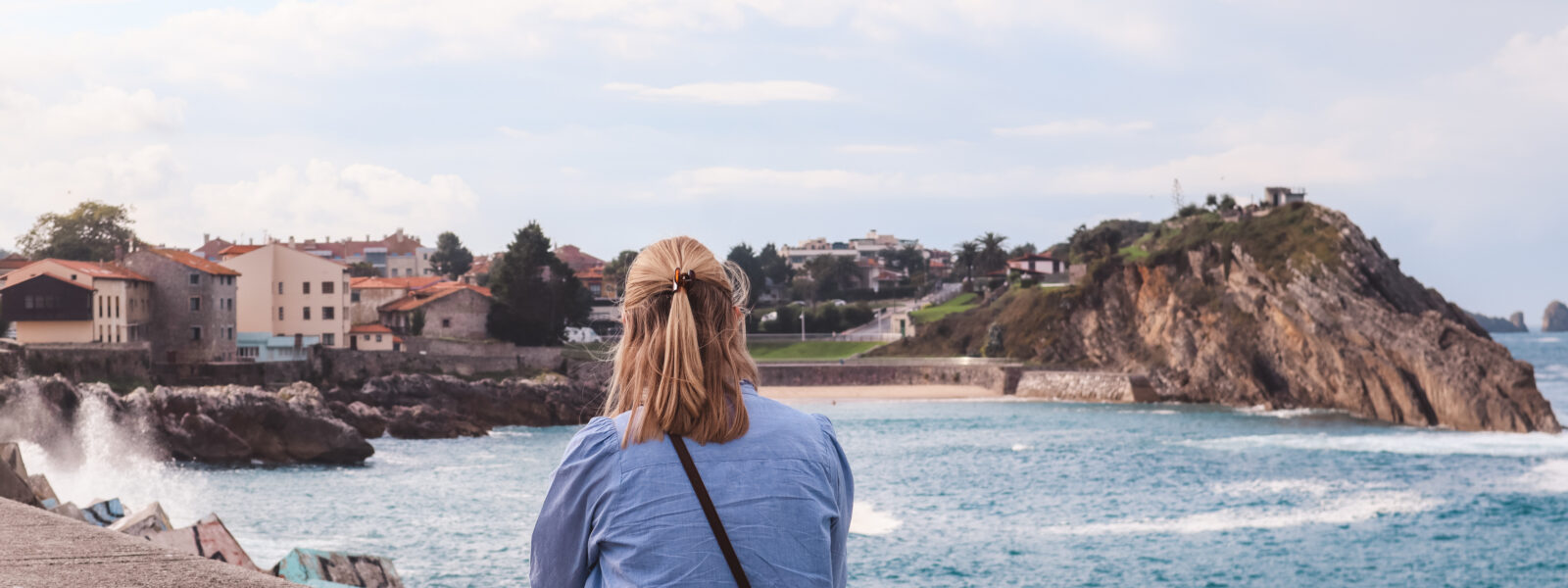
Llanes is one of the most well-known coastal towns in Asturias, in the north of Spain, and it is easy to see why it has earned this reputation. With its charming medieval center, a rugged and dramatic coastline, and dozens of beautiful sandy beaches, it is a natural stop for anyone exploring the northern coast of Spain. Even during the busy summer months, when many Spanish visitors come here on holiday, Llanes keeps a relaxed and easygoing atmosphere. The town feels compact and inviting, making it simple and enjoyable to explore at your own pace.
One of the best things about Llanes is how walkable everything is. You can wander from the lively harbor to the historic town walls, and from the central square to the striking cliffs and nearby beaches, all within a short distance. As you explore, you will come across colorful breakwaters covered in artistic paintings, elegant Gothic churches that reflect the town’s rich history, and pilgrims passing through on their way along the famous Camino de Santiago. These small details give Llanes its unique character and make every walk feel interesting and full of discovery.
In this blog, you will find out what makes Llanes such a special place to visit. You will also discover the must see sights and highlights that you should not miss, helping you make the most of your time in this beautiful coastal town.


Where is Llanes in Spain?
Llanes is located in the north of Spain, in the region of Asturias, right along the rugged coastline of the Cantabrian Sea. The town lies between Santander and Gijón, just above the border with Cantabria. From Oviedo, it takes about an hour and a half to reach Llanes, while from Santander the journey is slightly shorter. This convenient location makes the town easy to visit, whether you are traveling by car or slowly making your way along the northern coast.
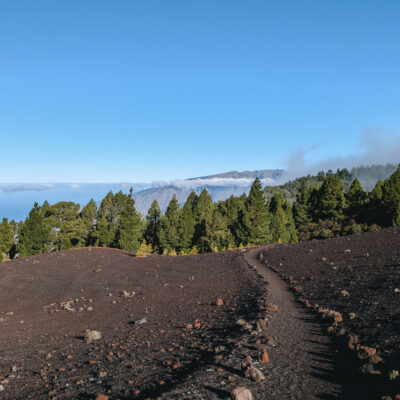
What makes Llanes truly stand out is its remarkable setting. On one side, the open ocean stretches along the coastline, while on the other side the impressive peaks of the Picos de Europa rise in the distance. It is one of those rare places where you can begin your day with your feet in the sand, listening to the gentle rhythm of the waves, and later find yourself walking through mountain trails surrounded by fresh air and wide, scenic views. This close connection between sea and mountains gives the area a unique atmosphere that feels both refreshing and inspiring.
Llanes is especially popular with travelers who enjoy variety and ever changing landscapes. The town itself is a pleasant place to stay, with a relaxed and welcoming feel, but it also serves as an excellent base for exploring the surrounding region. Within a short distance, you will find beautiful beaches, rugged cliffs, green forests, and charming coastal villages, each with its own character and appeal. Pilgrims following the Camino del Norte also pass through Llanes.
Recommended read: 20 most beautiful places in Asturias
What is Llanes known for?
Llanes is best known for its rugged coastline, its wide variety of beaches, a charming and lively old town, and the eye catching artwork Los Cubos de la Memoria. Its location along the Camino del Norte and its close proximity to the Picos de Europa also make it a favorite destination for travelers who enjoy variety and contrast in their surroundings. In Llanes, you can experience both the coast and the mountains within a single day, which gives the town a unique and appealing character.
The coastline around Llanes is wild, green, and full of character, shaped by high cliffs, narrow inlets, and hidden coves. Along this stretch of coast, you will find more than thirty beaches, each with its own atmosphere and charm. Some beaches are wide and easy to access, making them perfect for a relaxed day by the sea, while others are tucked away between rocks or bordered by quiet meadows, offering a more peaceful and secluded setting. The water is clear, and much of the landscape feels untouched, which makes this area especially appealing for those who love nature, quiet surroundings, and dramatic coastal views.
The old town of Llanes is small in size but rich in history and atmosphere. Walking through its narrow cobbled streets, you will pass Gothic churches, historic town gates, and sturdy stone houses with thick walls that tell stories of the past. Everything is close together, which makes it easy to explore without any rush. As you wander around, you will come across small squares filled with cozy cafés, quiet side streets, and charming details that make every corner feel interesting. Even during the busy summer months, the town keeps its authentic feel, and it still seems like everyday life continues at its own calm and steady rhythm.
In the harbor, you will find the colorful Los Cubos de la Memoria. What may seem like ordinary concrete breakwaters at first quickly reveals itself as a large scale and creative artwork by Agustín Ibarrola. Since 2001, he and his team have painted each block with bright colors, patterns, and meaningful symbols that reflect the history and identity of Llanes. The result is a unique and highly photogenic spot along the harbor, and it is easy to reach on foot from the town center, making it a must see during your visit.
The Camino del Norte passes directly through Llanes, adding to the town’s lively and ever changing atmosphere. Pilgrims arrive from the eastern side, walk through the heart of the town, and then continue their journey along the coast. Many choose to take a short detour to the Paseo de San Pedro, a grassy path that runs along the top of the cliffs. From here, you can enjoy wide and beautiful views of the sea, the town, and the distant mountains, making it a memorable highlight along the way.

Best Things to Do in Llanes: 12 must-visits
#1 Los Cubos de la Memoria
Along the harbor of Llanes, you will find the colorful Los Cubos de la Memoria. These large concrete blocks were transformed by Agustín Ibarrola, a Basque artist who began this project in 2001. Each block has its own unique design and personality, and together they create a vast open air artwork that captures the spirit of the town. Through a mix of symbols, strong colors, and abstract shapes, Ibarrola tells a visual story about the sea, the history, and the people of Llanes. The artwork stretches along the full length of the breakwater, turning what was once a functional structure into something striking and full of meaning.
You can walk freely around the area and take in every detail at your own pace, which makes the experience feel relaxed and personal. The harbor is just a short walk from the town center and connects easily to the path leading toward the Paseo de San Pedro. On one side, you can watch fishing boats gently moving in the water, while on the other side you have clear views of the cliffs and the distant mountains. It may not be a typical tourist attraction, but it is without a doubt one of the most iconic and photogenic spots in Llanes.
#2 Historic center of Llanes
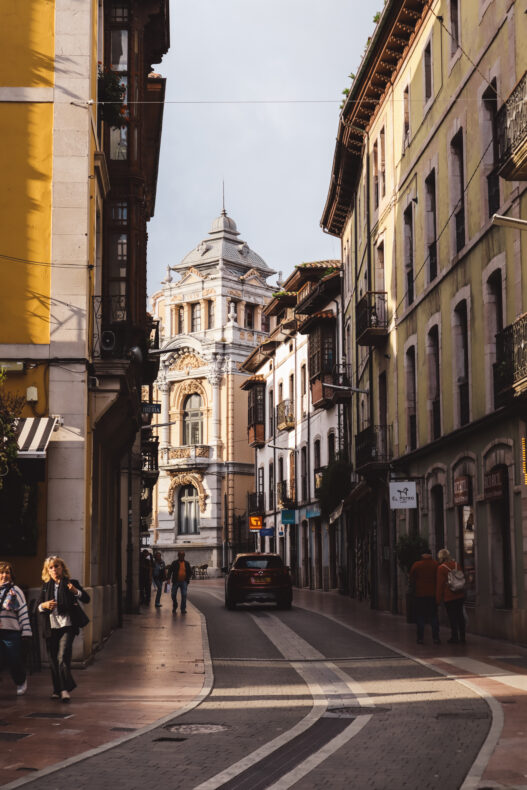
IIn the heart of Llanes, you will find a compact and atmospheric historic center that is perfect for exploring on foot. The narrow streets are paved with cobblestones and lined with old stone houses, small squares, and historic chapels that give the area a timeless feel. Within just ten minutes, you can walk from the old town walls to the harbor, and along the way you will come across many small details that bring the past to life. Look out for Gothic windows, wooden balconies, and traditional street signs that have remained unchanged for centuries.
Many of the buildings date from the thirteenth to the eighteenth century, which creates a strong sense of history as you wander through the streets. On some façades, you can still spot family crests from former residents, offering a glimpse into the lives of those who once called Llanes home. Today, the historic center is filled with cafés, small shops, and inviting restaurants, giving it a warm and lively atmosphere.
3 Torreón de Llanes and the town walls (Muralla de Llanes)
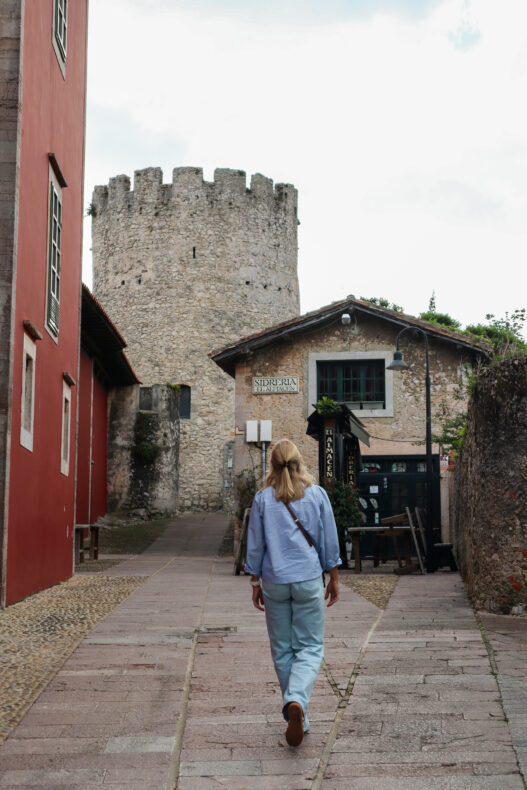
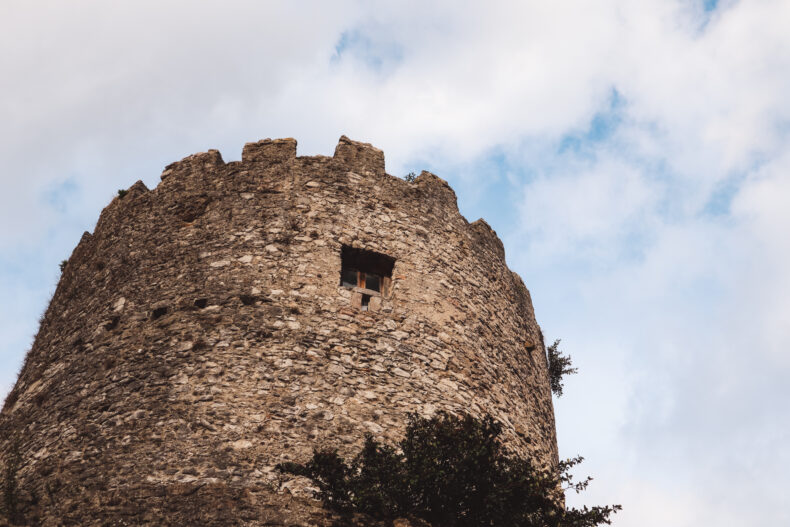
At the edge of the historic center stands the Torreón de Llanes, a medieval defensive tower that dates back to the thirteenth century. Built from solid limestone, the tower once served as both a lookout point and an important part of the town’s defenses. It is the best preserved section of the original Muralla de Llanes, which once stretched for nearly nine hundred meters around the town. In those times, Llanes needed strong protection against attacks from both the sea and the inland areas, and this tower played a key role in keeping watch over the surroundings.
The tower rises to about thirteen meters in height and is easy to recognize by its rounded shape and thick, sturdy walls. From a distance, it already stands out, but up close you can really appreciate the strength and simplicity of its design. At certain times, you can step inside to visit a small exhibition that offers more insight into its history and purpose. Even when it is closed, the building itself remains impressive to admire from the outside. On the side of Playa del Sablón, you can still see a well preserved stretch of the original wall. From here, you have wide views over the sea, and it becomes clear how carefully this location was chosen in the past.
#4 The harbor of Llanes
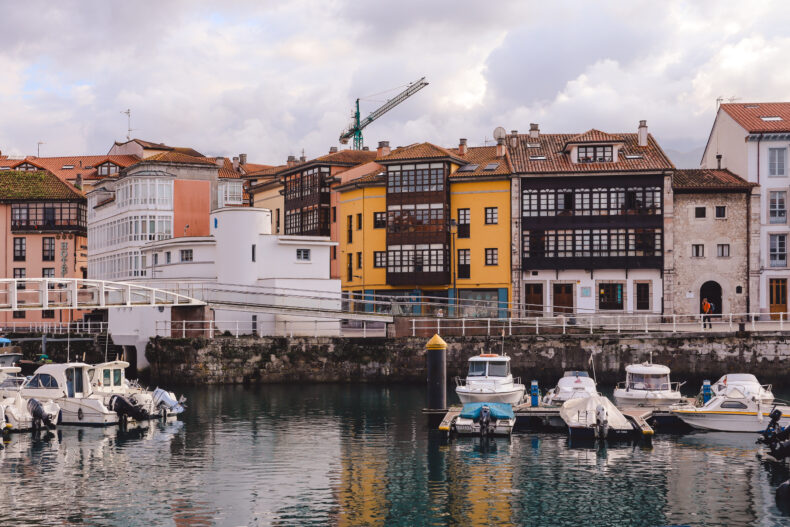
The harbor of Llanes is small, lively, and perfectly placed where the town meets the sea. Fishing boats still head out from here each day, even though it is no longer the busy trading port it once used to be. As you walk along the water, you will see small boats gently floating, fishing nets spread out along the quay, and locals sitting on benches enjoying a quiet conversation.
A wide promenade follows the waterfront, making it an ideal place for a slow and easy walk. On one side, you can admire the colorful Los Cubos de la Memoria and look out over the open sea, while on the other side the town unfolds with its mix of history and daily life. The traditional fishermen’s houses and old storage buildings are still partly in use, while others have been carefully turned into small bars and inviting restaurants. This is the perfect place to enjoy fresh fish in a relaxed setting, without anything feeling formal or complicated. Everything is close to the town center, so the harbor naturally becomes a pleasant and easy part of your visit to Llanes.


#5 Casino de Llanes
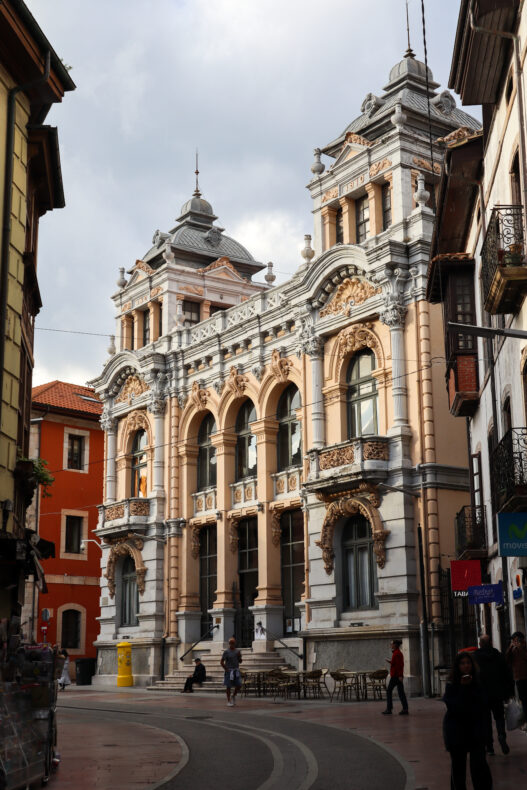
On a corner near the harbor stands a building that is hard to miss: the Casino de Llanes. It was built around 1909 as a gathering place for the local elite. In Spain, a casino originally referred to a social club or cultural meeting space rather than a place for gambling. The word comes from Italian, where casa means house and casino literally translates to a small house or meeting place. Wealthy families would come together here to dance, play cards, listen to music, or simply enjoy each other’s company and be seen. Today, many people think of a casino as a modern gaming venue, but in the past it had a much more social and cultural role.
The building itself has a striking and slightly theatrical appearance that immediately catches your attention. Its white façades, elegant balconies, tall windows, and refined blend of French and Asturian architectural styles give it a graceful and distinctive look. This design reflects an important chapter in the town’s history. In the early twentieth century, Llanes experienced a period of growth and prosperity thanks to the Indianos. These were local residents who left for the Americas, built successful lives there, and later returned to their hometown. With their wealth, they helped shape Llanes by funding impressive villas, public squares, and cultural buildings, including this casino.
Today, the building is still occasionally used for exhibitions and small scale events. Most of the interior is not open to visitors, but even from the outside it leaves a strong impression.

#6 Palacio de los Duques de Estrada
Behind the main church of Llanes, on a quiet square near the old town, stands the impressive Palacio de los Duques de Estrada. The building is large, stately, and slightly closed in its appearance, which gives it a strong and commanding presence. It was once the home of one of the most powerful families in the region, built at the beginning of the seventeenth century on the remains of a medieval fortress.
The palace is not open to visitors, but it can be easily admired from the square in front, where you have a good view of its full façade. Its location makes it even more striking, set between the church, the old town walls, and the narrow historic streets that surround it. From the outside, you will clearly see the signs of age and wear, as the building is currently abbandoned.

#7 Iglesia de Santa María del Conceyu
Right in the heart of the old town of Llanes, on the square near the palace, stands a church that is easy to miss at first glance but truly deserves your attention: the Iglesia de Santa María del Conceyu. Construction began in the thirteenth century, and over time it gradually developed into the largest religious building in the town. It is not a grand cathedral, but a solid and understated church with thick stone walls, graceful Gothic arches, and a small collection of historic altars.
What makes this church particularly special is its origin. It was not founded by a religious order or a wealthy family, but by the local community itself, which was quite unusual in that period. This gives the building a different kind of meaning, closely connected to the everyday lives of the people who lived here. Inside, the atmosphere feels cool, quiet, and simple. You will find a few sculptures and paintings dating back to the sixteenth century, but the real beauty of the space lies in its simplicity and the absence of excessive decoration.


#8 Indianos architecture
Llanes was once a poor town, but over time its story changed completely. In the nineteenth century, many residents left for the Americas in search of work and a better life. Some eventually returned with wealth, and they chose to show it in a very visible way. The villas they built can still be seen throughout the town and its surroundings today. These houses are often large and elegant, with pastel colored façades, spacious gardens, and palm trees that hint at distant places. The styles vary from colonial influences to more eclectic designs, but they all share a sense of confidence and refined taste. This is what is known as Indianos architecture, a distinctive feature of northern Spain.
These villas are not concentrated in a single area, so you need to keep an eye out as you walk through Llanes to notice them. Around the Casino de Llanes, you will already come across a few, and if you continue toward the train station, you are likely to find more. Their appearance stands out clearly from the rest of the town. Many of these houses are still lived in today, while others have been carefully transformed into hotels or offices.
#9 Paseo de San Pedro
High above the cliffs of Llanes runs a narrow stretch of green with wide open views over the sea: the Paseo de San Pedro. On one side, you look out over the town, with its rooftops, streets, and the edge of the historic center, while on the other side the Cantabrian Sea extends all the way to the horizon. On clear days, the distant peaks of the Picos de Europa rise in the background.
The Camino del Norte, the northern pilgrimage route to Santiago de Compostela, officially runs straight through the center of Llanes. Even so, many pilgrims choose to take a short detour and walk along the Paseo de San Pedro instead. Although it is not part of the official route, it offers one of the most beautiful viewpoints in the area. From here, you can take in the sea, the town, the mountains, and the sky all at once, creating a wide and memorable panorama.

#10 Playa de El Sablón
Right next to the center of Llanes lies Playa de El Sablón, a small urban beach that feels quietly tucked away between rugged rocks and the old town walls. It may be only about one hundred meters wide, but it offers soft golden sand, calm water, and lovely views of the surrounding cliffs. On warm days, both locals and visitors come here to relax, and it is one of the few places where you can leave the lively town center and find yourself with your feet in the sand within just a few minutes.
The beach is naturally sheltered, which gives it a calm and relaxed atmosphere and makes it a great spot for swimming or spending time with children. The waves are usually gentle, and at low tide the beach opens up even more, creating extra space to sit, walk, or enjoy the coastline at an easy pace. From the promenade above, you can clearly see how closely the town and nature meet in this part of Llanes, with the contrast between stone walls and open sea creating a beautiful setting. To the right stands the Torreón de Llanes, while to the left the path begins toward the Paseo de San Pedro. The beach can be reached by a staircase from the nearby square, and during the summer months it is equipped with lifeguards and showers.

#11 Bufones de Pría
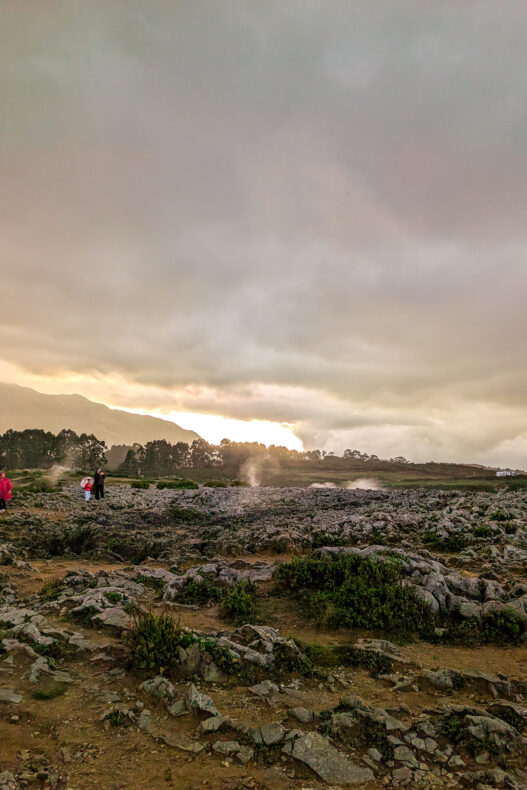
About a twenty minute drive from Llanes, you will find one of the most fascinating natural sights along this coastline: the Bufones de Pría. These “bufones” are vertical shafts carved into the limestone cliffs, shaped over time by the constant force of erosion. When the tide is high or the sea is rough, seawater is driven through these narrow openings with impressive power, shooting high into the air, sometimes reaching several meters. You can often hear the sharp hissing and deep, echoing booms from a distance before you even see where they come from, which makes the experience feel even more dramatic. The spectacle does not happen all the time, as I noticed during my visit. At quieter moments, you may only see the openings in the rocks, but they are still part of a striking coastal landscape that is well worth exploring.
The site is located just outside the village of Llames de Pría. From the parking area, it is about a ten minute walk to the coastline, following a path that crosses open fields and passes low stone walls built from loosely stacked rocks. You can easily combine your visit with a stop at the nearby Playa de Guadamía, which is just a short distance away and offers a different but equally beautiful setting. The bufones are often at their most impressive in spring and autumn, when stronger winds and rougher seas create the perfect conditions for powerful bursts of water.

#12 Llanes Beaches
The coastline around Llanes is home to more than thirty beaches, each with its own unique character and atmosphere. Some are easy to reach and close to town, while others are tucked away between cliffs and open fields, waiting to be discovered. One of the most well known is Playa de Torimbia, a stunning crescent shaped beach with soft sand and clear blue water. You reach it via a steep path from Niembro, just west of Llanes. The beach is popular with naturists, but most visitors come for the sweeping views, the sense of space, and the peaceful atmosphere that makes it such a special place.
Closer to town, Playa de Poo is a great choice for families and anyone looking for calm water. At high tide, it forms a sheltered bay, while at low tide the water slowly pulls back, allowing you to walk far out without it getting deep. Playa de Gulpiyuri is one of the most unusual beaches in the region. This tiny beach lies inland and is connected to the sea through underground tunnels. Hidden in the middle of a green meadow, it fills completely with seawater at high tide, creating a unique and unexpected landscape that feels almost surreal.
Playa de Ballota and Playa de Toró are both within easy walking distance of the town center and are perfect to combine with a relaxed coastal walk. Each beach has its own charm, from striking rock formations to wide open sandy stretches where you can take your time and enjoy the surroundings.
If you are staying longer, you could easily discover a different beach every day. Most are accessible by car or via a short walk, and many remain pleasantly quiet, even in busier seasons. This makes it easy to find your own peaceful spot and enjoy the natural beauty of this varied and scenic coastline.