Northern Spain feels like a completely different world compared to the dry and sunny south of the country. On a road trip through this much less explored part of Spain, you will travel past dramatic cliffs, lush green mountains, colorful fishing villages, and vibrant cities full of character. Along the way, beautiful beaches, impressive national parks, and charming historic villages appear one after another, making every part of the journey feel unique.
This Northern Spain itinerary takes you from the elegant city of San Sebastián in the Basque Country all the way to the wild and rugged coastline of Galicia in the far west of Spain. During the route, you will visit well known highlights such as Bilbao, the Picos de Europa, and Santiago de Compostela, while also discovering smaller hidden gems that many travelers still do not know about.
One of the best things about this road trip is that the driving distances are relatively short. This means you can take your time and enjoy the journey instead of rushing from one place to another. There is plenty of opportunity to make spontaneous stops, have a relaxed lunch overlooking the sea, wander through quiet villages, or simply enjoy the breathtaking landscapes along Spain’s northern coastline.

How much time do you need for a road trip through Northern Spain?
For a complete road trip through Northern Spain, I would recommend setting aside around 2 to 3 weeks. The distances are not as long as many travelers expect, but you will still drive roughly 700 kilometers from San Sebastián in the east to Galicia in the far west. Along the way, you will come across so many beautiful places, scenic viewpoints, charming villages, and natural wonders that you will probably want to leave some extra time for unexpected stops.
If you have less time, you can still experience the highlights of Northern Spain in a shorter trip of around 10 to 14 days. With this itinerary, you will focus mainly on the beautiful coastal towns, some of the most interesting cities, and a few of the region’s most impressive natural areas. Personally, I would leave Galicia out if your schedule is limited, as it is the most remote part of the route and takes more time to reach.
For a more relaxed travel experience with time for hiking, beach days, and wandering through small villages, a trip of 18 to 24 days is much more comfortable. This way, you can enjoy the journey at a slower pace instead of spending most of your time behind the wheel. During our first trip, we actually spent a month and a half traveling from the Basque Country all the way to Galicia. Since then, we have also returned to Northern Spain several times for shorter trips, always finding new places to explore along the way.
Northern Spain road trip itinerary in 2 to 3 weeks
San Sebastián → Bilbao → Castro Urdiales → Santillana del Mar → Comillas → Potes & Picos de Europa → Llanes → Lastres → Oviedo → Cudillero → Playa de las Catedrales → A Coruña → Santiago de Compostela → Isla de Arousa
#1 San Sebastián
Most road trips through Northern Spain begin in San Sebastián, one of the most beautiful city break destinations in Spain. This elegant coastal city in the Basque Country perfectly combines stunning beaches, a lively atmosphere, fantastic restaurants, and charming old streets filled with history. Thanks to its location close to the French border, San Sebastián is also an ideal starting point for a road trip along the northern coast of Spain.
The city’s biggest highlight is without a doubt Playa de la Concha. This famous city beach is located in a beautiful bay with a near perfect shape and is often listed as one of the most beautiful beaches in Europe. You can take a peaceful walk along the waterfront towards the harbor, stop at one of the viewpoints, or simply relax on the sand while enjoying the views across the bay. For the best panorama of San Sebastián, take the funicular railway up to Monte Igueldo. From the top, you can admire the entire coastline, the city, and the sparkling waters of the bay below.
However, San Sebastián is not only loved for its views and beaches. For many travelers, the food is one of the main reasons to visit this city. The historic center is full of cozy pintxos bars, where you can taste delicious small bites and experience one of the most important parts of Basque culture. Especially around Calle 31 de Agosto and Plaza de la Constitución, the streets become lively in the evening, with locals and visitors enjoying food, drinks, and the relaxed atmosphere. It is easy to see why many people decide to stay here for a few days before continuing their road trip towards Bilbao.

#2 Gaztelugatxe & Bilbao
After San Sebastián, you continue your journey along the lush green coastline of the Basque Country towards Gaztelugatxe, one of the most spectacular and unforgettable places in Northern Spain. This small rocky island became world famous after appearing in Game of Thrones, but even without its connection to the series, it is a truly impressive stop to add to your road trip itinerary.
To reach the island, you cross a beautiful stone bridge before climbing more than 200 steps up to the small chapel standing on top of the rock. The walk itself is already a highlight, with incredible views of dramatic cliffs, crashing waves, and the wild beauty of the Basque coastline surrounding you. The experience feels especially magical in the early morning or later in the afternoon, when there are fewer visitors and you can fully appreciate the peaceful atmosphere. During the busy summer season, you will usually need to reserve a free time slot before your visit.
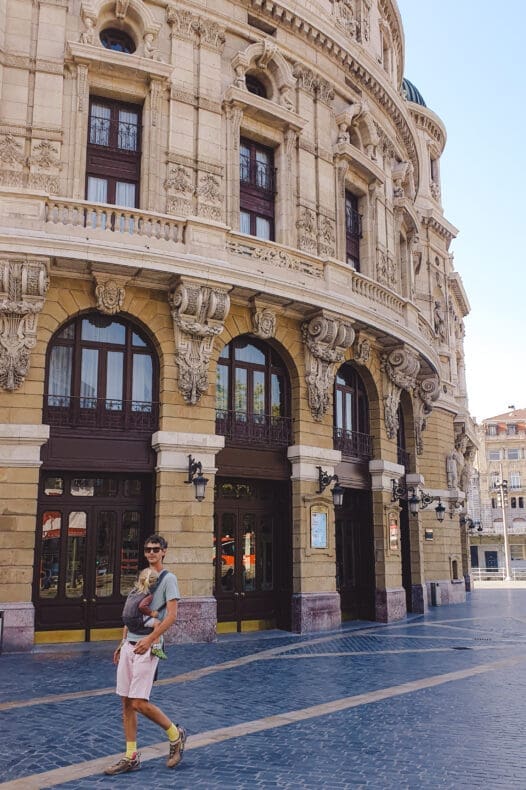
After exploring Gaztelugatxe, you continue towards Bilbao, a city that has a completely different character from San Sebastián. While San Sebastián feels elegant and traditional, Bilbao has a more modern, creative, and slightly edgy atmosphere. The impressive Guggenheim Museum is naturally the city’s most famous attraction, thanks to its striking design and fascinating exhibitions, but Bilbao has much more to offer. The historic neighborhood of Casco Viejo is definitely worth a visit as well, with its charming squares, narrow streets, and lively atmosphere. Just like in San Sebastián, you will find plenty of excellent pintxos bars here, making it the perfect place to enjoy delicious local food while experiencing the unique character of the city.

#3 Castro Urdiales
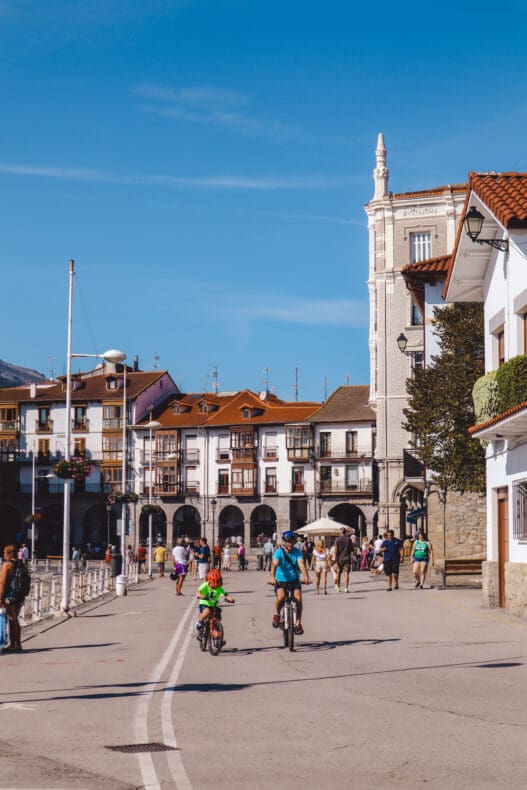
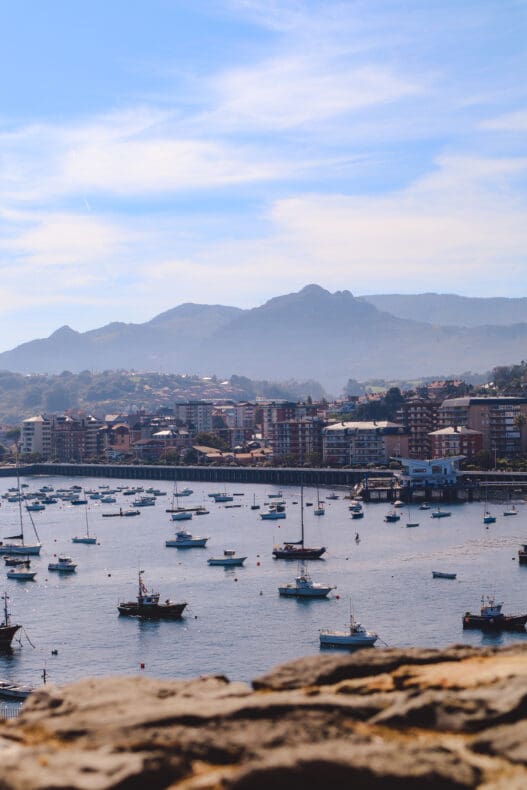
From Bilbao, you gradually leave the Basque Country behind and continue your road trip into Cantabria. One of the first stops many travelers make along the way is Castro Urdiales, a charming coastal town that is often overlooked. However, this is exactly what makes it such a pleasant place to visit. Here, you can slow down, take a relaxing walk, and enjoy the peaceful atmosphere before continuing your journey along the northern coast of Spain.
The old town is located right by the sea and feels much more authentic and local than many of the larger seaside resorts. The most impressive landmark is the Gothic church of Santa María de la Asunción, which stands in a beautiful spot overlooking the water. The combination of the historic building, the rocky coastline, and the sea views makes it one of the most memorable sights in town. Along the harbor, you will also find several cozy terraces where you can enjoy fresh seafood, traditional tapas, or a drink while watching the colorful fishing boats come and go. For us, the relaxed beach atmosphere and the charming waterfront terraces were definitely the highlight of this hidden gem.
Castro Urdiales is not a destination where you need to spend several days, and you can easily explore the main highlights in just half a day. But that is exactly what makes it such a great stop during a road trip through Northern Spain. It is the perfect place to take a break from driving, stretch your legs, enjoy beautiful coastal views, and experience a quieter and more authentic side of the Spanish coastline before continuing your adventure.
#4 Santillana del Mar & Comillas
After Castro Urdiales, you continue your journey towards two of the most beautiful and well known villages in Cantabria: Santillana del Mar and Comillas. Since these two places are located quite close to each other, they are easy to combine and make a perfect next stop on your road trip through Northern Spain.
Santillana del Mar is often described as one of the most beautiful historic villages in Spain. From the moment you step into the old town, it feels like you have traveled back in time. You can stroll through charming cobbled streets, admire the traditional stone houses, and discover small squares and medieval buildings around every corner. The village has been carefully preserved, which gives it a unique and authentic atmosphere. Although it is a popular stop for visitors and can become quite busy, the charm of Santillana del Mar is impossible to miss.
Just a short drive away, you will find Comillas, a coastal town with a completely different atmosphere. While Santillana del Mar is all about history and medieval charm, Comillas is known for its beautiful architecture, elegant buildings, and stunning views over the sea. The town’s biggest highlight is El Capricho, a colorful and extraordinary villa designed by the famous architect Gaudí. We definitely recommend joining a guided tour, just like we did, because it allows you to discover the many creative details and surprising elements hidden throughout this unique building. Besides El Capricho, Comillas is also home to an impressive palace, a lovely town center, a beautiful beach, and several viewpoints where you can enjoy wide views over the Cantabrian coastline.

#5 Picos de Europa
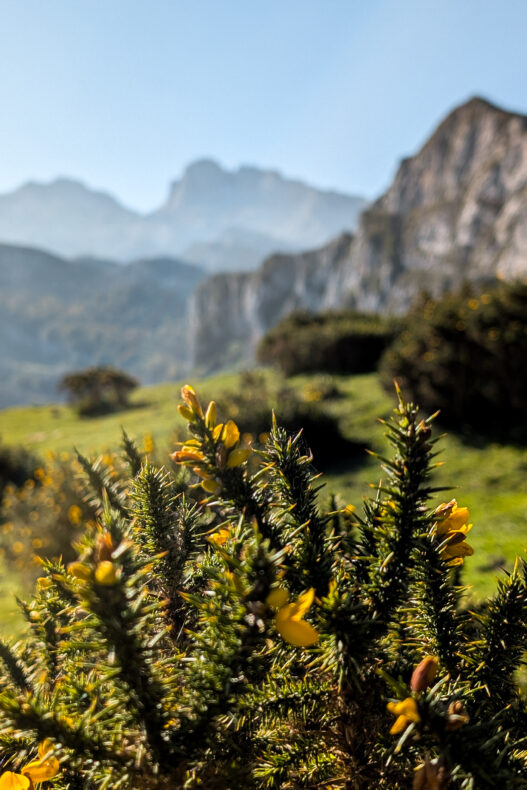
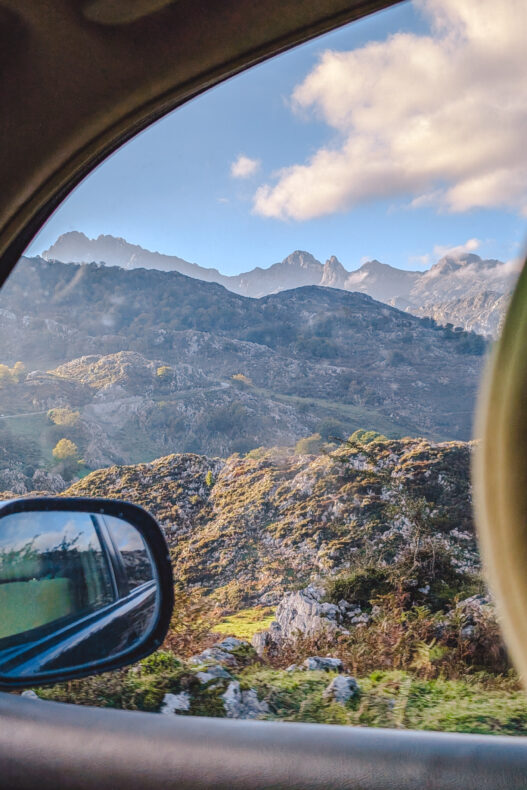
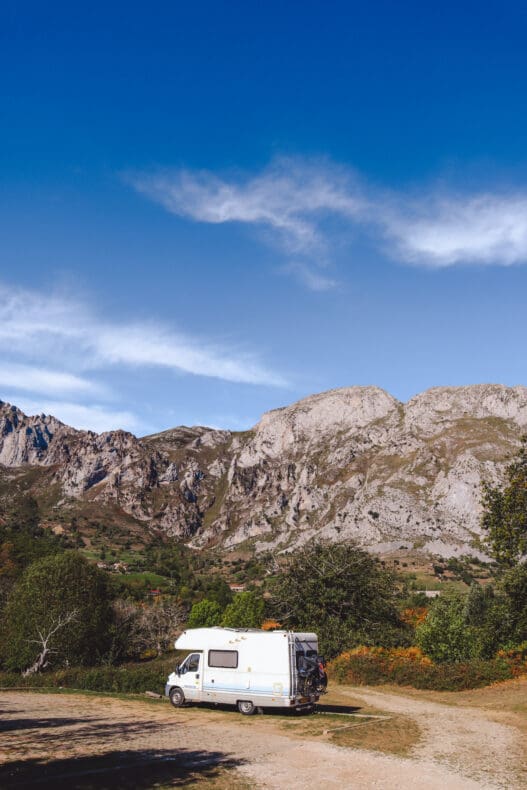
After exploring the coastal towns of Cantabria, it is time to leave the coastline behind and head inland towards the Picos de Europa. This national park is, in our opinion, one of the absolute highlights of any road trip through Northern Spain. We have visited this unique mountain region three times already, and we still cannot get enough of it. The lush green valleys, towering peaks, and winding mountain roads create a completely different scenery from the coastal landscapes you have experienced earlier on your journey.
Most routes through the Picos de Europa lead through the mountain village of Potes. This small village is located right in the middle of the mountains and is the perfect base for exploring the surrounding area. In the village center, you will find traditional stone houses, charming bridges crossing the river, and cozy terraces where you can sit down and relax after a day of hiking and exploring the beautiful nature around you. From Potes, you can easily drive to Fuente Dé, where the famous cable car takes you high into the mountains. At the top, you are rewarded with incredible views over the impressive peaks and valleys of the Picos de Europa.
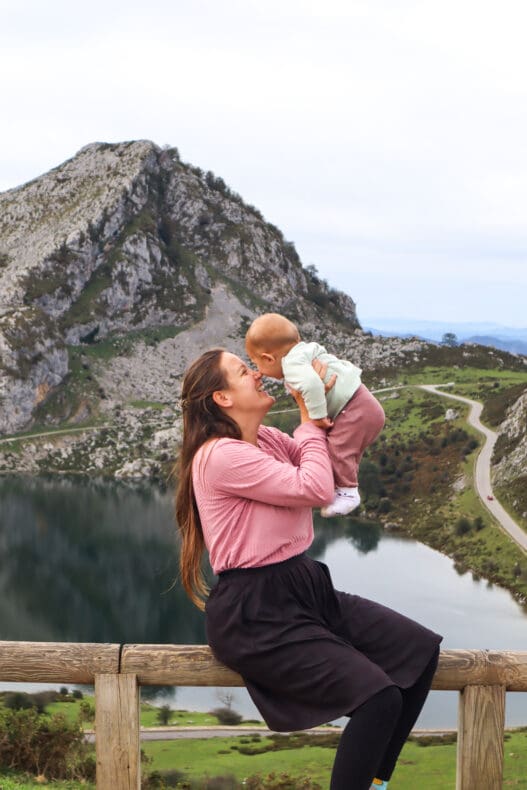
Another great option is Cangas de Onís, where I personally stayed at the unique monastery hotel Parador de Cangas de Onís. From here, you can easily reach Covadonga and the stunning mountain lakes, which are among the most famous and beautiful places in the region.
The Picos de Europa are, without a doubt, one of the most memorable parts of this entire road trip. However, keep in mind that you will need more time here than you might expect at first. The mountain roads are slower and more winding than the coastal routes, but that is also part of the charm. You will constantly want to stop along the way to admire breathtaking viewpoints, go for scenic walks, take photos, or explore small mountain villages hidden between the peaks.
#6 Llanes
After exploring the mountains of the Picos de Europa, you continue your journey back towards the coast, where Llanes is one of the most charming stops in Asturias. This lovely seaside town combines a historic old center with beautiful beaches, dramatic cliffs, and a lively waterfront promenade. Thanks to its location between the mountains and the Atlantic Ocean, Llanes is also a perfect place to slow down and enjoy the best of both landscapes during your road trip through Northern Spain.
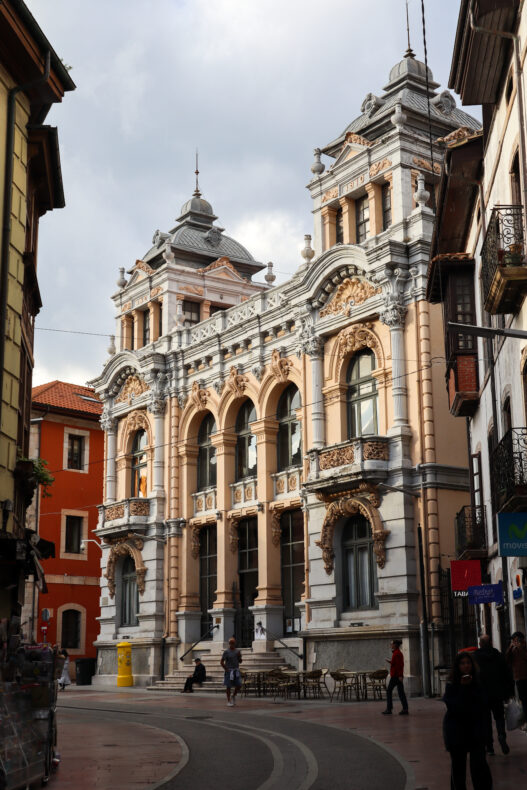
The old town of Llanes is a joy to explore, with its narrow streets, small squares, and traditional houses decorated with colorful balconies. One of the most eye catching buildings in the town is the old casino on Plaza Barqueras. The name can be a little misleading, as today we mostly think of casinos as places for gambling. However, in Spain, a casino traditionally had a very different meaning. It was more like a social club where members of the local community, especially the elite, came together to play cards, exchange ideas, and enjoy the social life of the town.
Around the harbor, you will find charming restaurants and terraces where you can enjoy fresh seafood and try the famous Asturian cider, one of the region’s specialties. Be sure to also take a walk along the waterfront to see the colorful artistic rock formations, which give Llanes an extra special character. Just outside the town center, several beautiful beaches are waiting to be discovered, with Playa del Sablón being the most famous and easiest to reach.
What makes Llanes even more enjoyable as a stop on your Northern Spain road trip is the incredible scenery surrounding the town. Along the coastline, you will find beautiful viewpoints, hidden coves, and small beaches that are easy to visit by car. This is also the part of the journey where the wild and rugged coastline of Asturias becomes more noticeable, with dramatic cliffs and powerful waves creating a landscape that feels completely different from the calmer beaches earlier in your route.

#7 Lastres
From Llanes, you continue your road trip along the wild and rugged coastline of Asturias towards Lastres, a tiny fishing village built into the green hills above the sea. This is without a doubt one of the most picturesque places in Northern Spain. The narrow streets, colorful houses, and incredible views over the Atlantic Ocean make Lastres the kind of place where many travelers end up staying longer than they originally planned.
The village is quite steep, so be prepared for plenty of stairs and uphill walks as you explore. However, this elevated position is also what makes Lastres so special. Almost every street and viewpoint offers a beautiful panorama over the harbor, the coastline, and the endless ocean beyond. As you walk down towards the water, you will find traditional seafood restaurants where you can enjoy fresh fish, local specialties, and a glass of the famous Asturian cider.
The true charm of Lastres lies in its peaceful atmosphere and authentic character. Unlike some of the larger and busier coastal towns, this village still feels like a place where daily life moves at a slower pace. It is the perfect destination to explore without a fixed plan, wander through quiet streets, discover hidden viewpoints, and simply enjoy the beauty of the Asturian coast.

#8 Oviedo
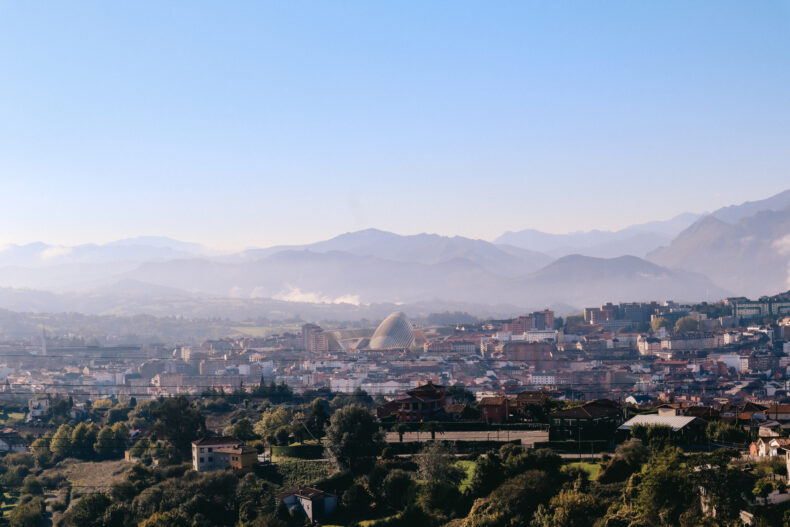
After exploring all the coastal towns, Oviedo immediately feels like a completely different side of Northern Spain. This elegant university city is located slightly further inland and offers a refreshing change from the beaches, cliffs, and fishing villages you have encountered along the coast. The atmosphere in Oviedo is calmer, more sophisticated, and less touristy than in many of the other cities along the northern coastline.
The compact historic center is a wonderful place to explore on foot, with charming squares, beautiful old churches, and lively shopping streets filled with cider bars and local restaurants. Plaza del Fontán is especially worth a visit, as it is a lovely spot to take a break on a terrace and watch daily life unfold around you. The impressive Cathedral of Oviedo is another highlight that should not be missed and is one of the city’s most important landmarks. While wandering through the streets, you will also come across many statues and sculptures placed throughout the city, a unique feature that has become one of Oviedo’s trademarks.
Near the cathedral, you will find the Museo de Bellas Artes de Asturias, one of the most interesting art museums in Northern Spain. The museum is free to enter and is partly housed inside historic city palaces, adding even more charm to the experience. Inside, you can discover an impressive collection featuring works by well known artists such as Miró, Picasso, and Dalí.
You should also make time to drive up to Naranco Hill, located just outside the city center. Here, you will find the pre Romanesque churches of Santa María del Naranco and San Miguel de Lillo, two of the oldest and most remarkable historic buildings in Spain. However, the hill is worth visiting for more than just its history. From the top, you can enjoy a beautiful panoramic view over Oviedo and the surrounding green hills of Asturias, making it the perfect place to appreciate the landscape that makes this region so special.
#9 Cudillero
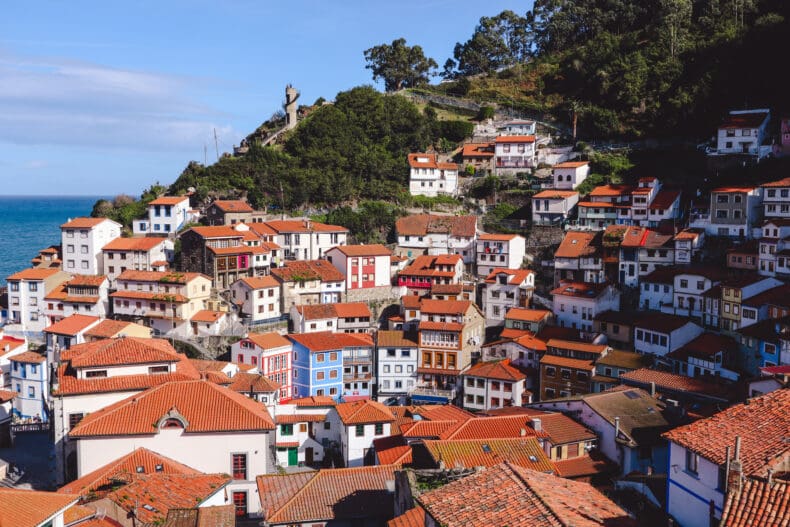
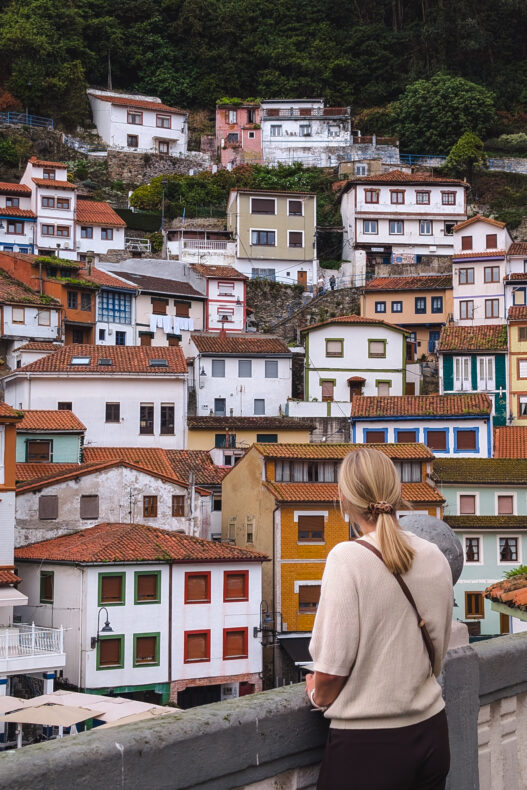
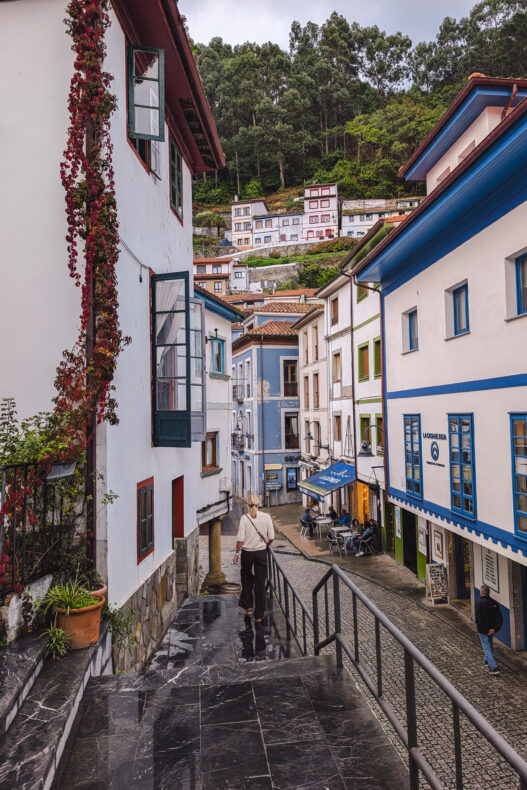
From Oviedo, you continue your road trip towards the western coast of Asturias, where Cudillero is without a doubt one of the most famous and charming coastal villages in Northern Spain. This colorful fishing village is built into a steep hillside and is often compared to the picturesque villages of Cinque Terre in Italy.
The brightly painted houses appear to be stacked on top of each other, creating a beautiful semicircle around the small harbor below. The higher streets and viewpoints offer some of the best views of Cudillero, with a stunning panorama over the village, the harbor, and the endless Atlantic Ocean. The central square, Plaza de la Marina, is the lively heart of the village and the perfect place to sit down and enjoy the atmosphere. Around the square, you will find cozy restaurants where fresh fish and seafood are the main highlights on the menu.
Cudillero is a small village, which means you can easily explore its streets and viewpoints on foot in just half a day. However, keep in mind that it has become an increasingly popular destination in recent years. During the summer months, the narrow streets, colorful corners, and viewpoints can get quite crowded, so arriving early is definitely recommended. This allows you to experience the quiet charm of Cudillero, take beautiful photos, and discover the village at a more relaxed pace before the busiest hours begin.
#10 Playa de las Catedrales
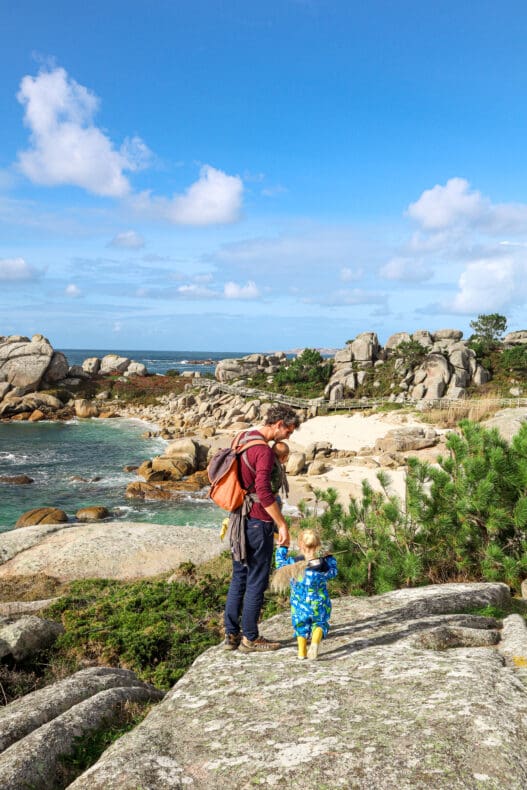
After leaving Asturias behind, you slowly enter Galicia, where the landscape changes once again. The coastline becomes wilder, greener, and much more peaceful. One of the first major highlights you will encounter along the Galician coast is Playa de las Catedrales, which is without a doubt one of the most famous beaches in Northern Spain.
This unique beach gets its name from the enormous natural rock arches that appear when the tide is low. Some of these impressive formations rise dozens of meters above the sand and look almost like the towering arches of a giant cathedral, creating a truly unforgettable sight. During low tide, you can walk between the rocks and explore the beach from a completely different perspective, discovering just how powerful and beautiful nature can be.
Before visiting, it is important to check the tide times carefully, because a large part of the beach completely disappears under the sea when the tide comes in. During the summer months, you will also often need to reserve a free entry time online in advance to access Playa de las Catedrales. Planning your visit around the tides is definitely worth it, as it gives you the opportunity to walk beneath the dramatic rock arches, admire the cliffs up close, and experience one of Galicia’s most spectacular coastal landscapes at its best.

#11 A Coruña
After a stop along the dramatic coastline of Playa de las Catedrales, you continue your road trip towards A Coruña, one of the most enjoyable cities to visit in Galicia. While many travelers only stop here briefly, we believe this lively coastal city is absolutely worth adding more time for. The combination of beautiful city beaches, a scenic seaside promenade, and fascinating historic sights makes A Coruña a destination where you can easily spend a few days exploring.
The city’s biggest highlight is the Torre de Hércules, the oldest working lighthouse in the world. This impressive Roman lighthouse has watched over the coastline for centuries and offers incredible views across the Atlantic Ocean and the rugged shores of Galicia. Around the lighthouse, you will find several walking paths along the cliffs and the sea, making it a wonderful place to take a relaxing walk, feel the ocean breeze, and enjoy the impressive coastal scenery.
The center of A Coruña is also a pleasure to discover. Along the waterfront promenade, you will see the famous glass-fronted buildings that have become one of the city’s most recognizable features. These elegant enclosed balconies catch the light beautifully and give the city its unique and charming appearance. In the historic center, you can wander through atmospheric squares, narrow streets, and cozy tapas bars where you can experience the local way of life. Plaza de María Pita, the main square of the city, is especially lively, with locals and visitors gathering around the cafés and enjoying the relaxed atmosphere of A Coruña.

#12 Santiago de Compostela
From A Coruña, it is only about an hour’s drive to Santiago de Compostela, the most famous city in Galicia and the final destination of the legendary pilgrimage route to Santiago. Even if you are not walking the Camino yourself, this historic city is a truly special place to finish your road trip through Northern Spain.
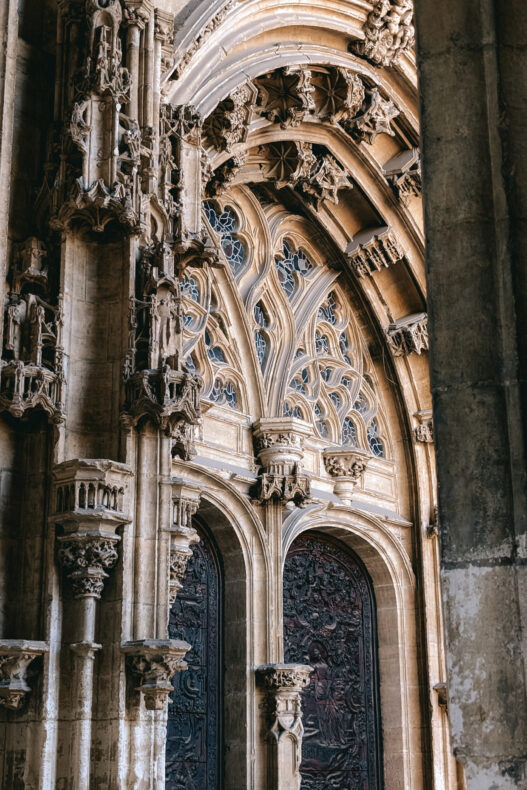
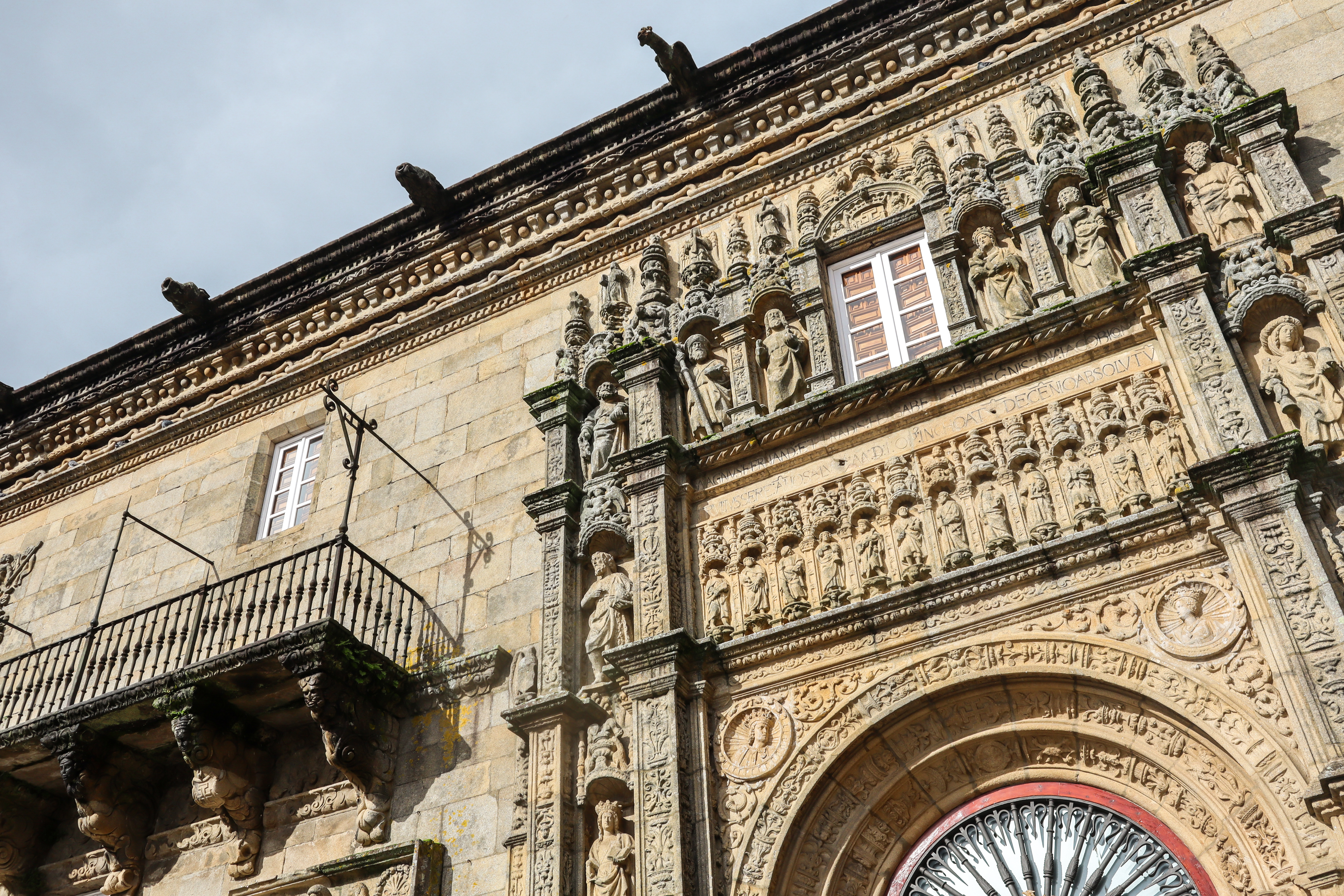
The historic center of Santiago de Compostela is entirely listed as a UNESCO World Heritage Site and feels like stepping into another era. The city is filled with narrow cobbled streets, centuries old monasteries, beautiful stone buildings, and impressive squares around every corner. The absolute highlight is the Cathedral of Santiago de Compostela, one of the most important pilgrimage sites in the world. Every day, hundreds of pilgrims arrive here after completing their journey across Spain, creating a unique and moving atmosphere throughout the city.
Around the cathedral, you will find charming terraces, small local shops, and traditional restaurants where you can experience the flavors of Galicia. Seafood plays a central role in the local cuisine, with fresh fish, shellfish, and other regional specialties appearing on many menus. The combination of history, culture, and lively streets makes Santiago de Compostela a memorable final stop on your Northern Spain adventure, and a place where it is easy to slow down and enjoy the atmosphere one last time before ending your journey.
#13 Islands O Grove & Illa de Arousa
The final part of this road trip through Northern Spain takes you to the Ría de Arousa, one of the most beautiful coastal areas in Galicia. This region is perfect for exploring by car, with several islands and peninsulas that are easy to visit along the way. Thanks to bridges and narrow connections to the mainland, you can reach many of these places without needing a boat, making it a very convenient and relaxed part of the route.
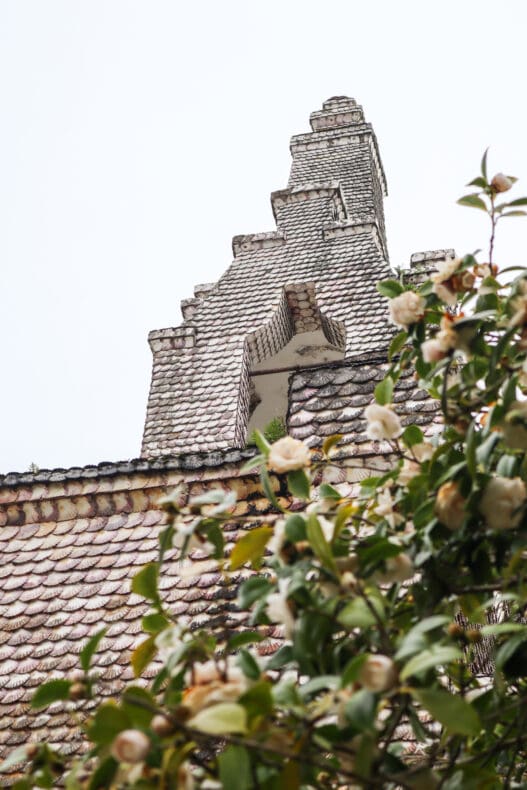
The best known destination is O Grove, a popular peninsula that is especially famous for its seafood, beautiful beaches, and lively fishing harbors. From here, you can drive across a bridge to the small neighboring island of A Toxa. This island has long been known as a place for relaxation, with luxury spas and thermal baths attracting visitors looking for a peaceful escape. One of the most unusual sights on the island is the small church that is completely covered with seashells, giving the building a unique and charming appearance. The historic casino hotel on A Toxa also adds to the island’s elegant atmosphere and makes it feel very different from the other coastal villages in the area.
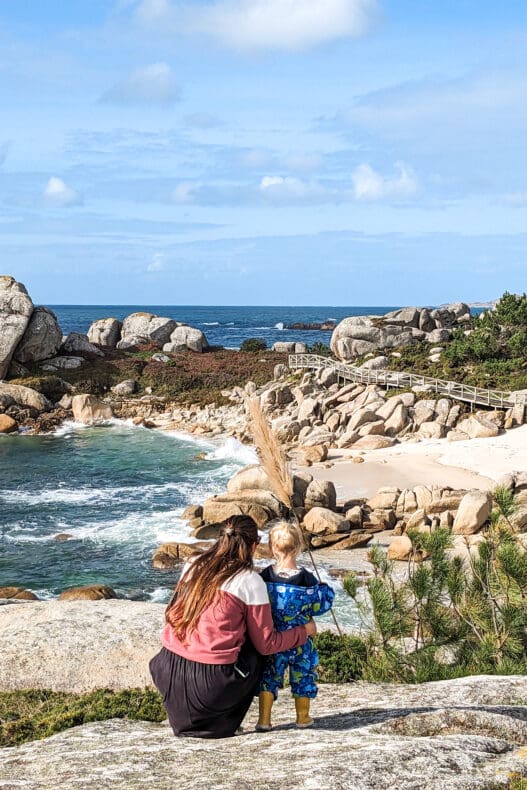
A little further north, you will find Illa de Arousa, which offers a completely different experience. Compared to the more luxurious feel of A Toxa, this island has a much quieter and more natural atmosphere. The main attractions here are the peaceful beaches, beautiful coastal paths, and untouched landscapes. The Parque Natural de Carreirón is especially worth visiting, with its calm bays, pine forests, and scenic viewpoints overlooking the Atlantic Ocean. The island is connected to the Spanish mainland by a long bridge, so it is easy to reach by car while exploring this part of Galicia.
What makes this area of Galicia such a wonderful addition to a road trip is how simple it is to combine several beautiful places without spending hours behind the wheel. You are constantly surrounded by water, passing small fishing villages, quiet beaches, and scenic coastal roads. After all the highlights of Northern Spain, this region feels like the perfect way to end your journey, with a slower pace and plenty of opportunities to simply enjoy the beauty and peaceful atmosphere of the Galician coast.